
Reviewed by Dr. Amir Issa, MD, DABVLM, RPhS · CURA Vein Doctors · November 2026
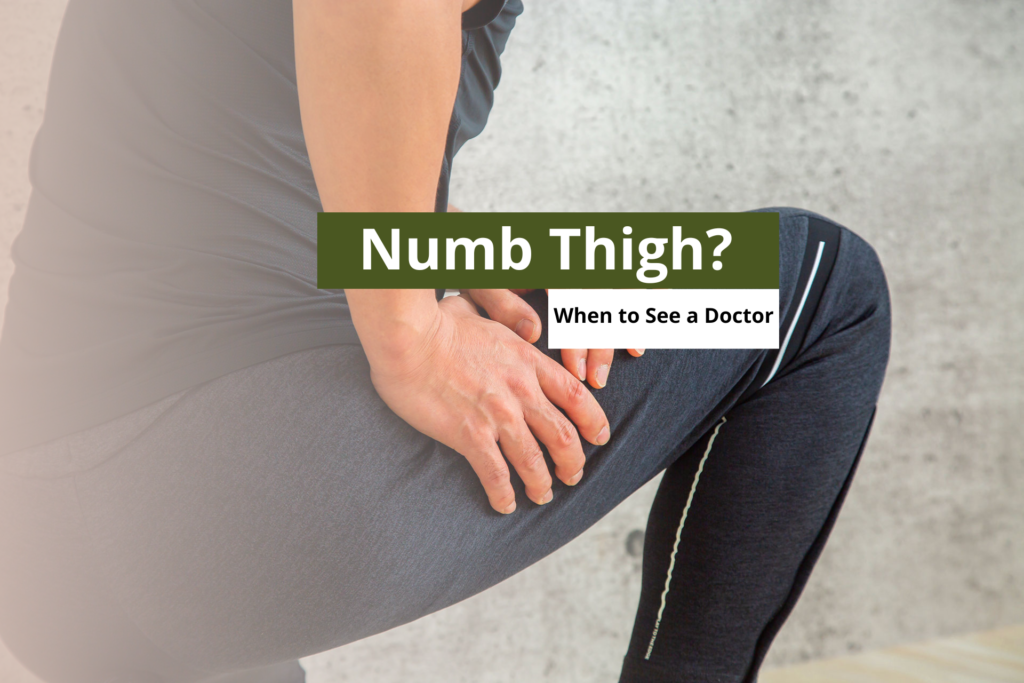
Thigh numbness has a long list of causes. Some are postural. Some are vascular. A few are urgent. The same symptom, tingling in the upper thigh, can mean a compressed nerve from a tight waistband or a blood clot forming in a deep vein. The difference matters because the treatment is completely different.
Why Is My Thigh Numb? Causes and When to See a Doctor
Quick Answer
Thigh numbness most commonly results from meralgia paresthetica (lateral femoral cutaneous nerve compression), lumbar nerve root compression, peripheral artery disease, or deep vein thrombosis. Each cause has a distinct pattern based on location, which leg is affected, and what makes symptoms better or worse. Location and timing are your most reliable diagnostic clues.
Three systems can produce thigh numbness: peripheral nerves, the vascular supply, and the lumbar spine. Most cases involve just one. The table below separates them.
What Causes Thigh Numbness?
The outer thigh is affected most often because the lateral femoral cutaneous nerve passes through an unusually tight passage at the inguinal ligament. Pressure there from weight gain, pregnancy, or a tight waistband is all it takes to trigger symptoms.
| Cause | Where It’s Felt | Key Feature | Who’s at Risk | Vascular? |
|---|---|---|---|---|
| Meralgia paresthetica | Outer thigh only | Burning, tingling; worse when standing | Pregnant, overweight, tight clothing or belts | No |
| Lumbar radiculopathy | Front or back of thigh, may shoot to knee | Pain originates in low back; worse bending | Desk workers, ages 30–60, prior back injury | No |
| Peripheral artery disease | Thigh and calf; often both legs | Cramping when walking; relieves with rest; cool skin | Smokers, diabetics, over 50 | Yes |
| Deep vein thrombosis | Calf and thigh, one leg | Sudden swelling, warmth, skin discoloration | Post-surgery, immobile, clotting disorders | Yes |
| Diabetic neuropathy | Both thighs and legs, symmetrical | Gradual onset; burning or pins-and-needles | Poorly controlled diabetes | Partial |
Meralgia paresthetica accounts for the majority of isolated outer thigh cases. It is especially common during pregnancy, when abdominal weight shifts forward and compresses the inguinal ligament. Symptoms stay confined to the outer thigh. If numbness spreads past the knee or into the calf, a different cause is driving it. Knee stiffness alongside thigh numbness often signals a lumbar or orthopedic issue, not compression at the hip.

Where Exactly Is Your Thigh Numb?
| Location | Most Likely Cause | Vascular? | Key Associated Sign | Next Step |
|---|---|---|---|---|
| Outer thigh only | Meralgia paresthetica | No | Worse with standing, tight waistband | Lifestyle changes; GP consult |
| Front of thigh | Femoral nerve / lumbar root | No | Hip flexor weakness, low back pain | Spine or orthopedic evaluation |
| Back of thigh and buttock | Sciatica / piriformis syndrome | No | Pain radiates from lower back | Spine evaluation |
| Full leg, one side, with swelling | DVT or venous disease | Yes | Warmth, discoloration, sudden onset | Urgent: vein specialist today |
| Both legs, gradual | Diabetic neuropathy / PAD | Partial | Feet affected too; walking pain | Primary care + vein evaluation |
| Groin, inner thighs, both legs | Cauda equina (emergency) | No | Bladder or bowel changes | Call 911 immediately |
When the whole leg goes numb with swelling on one side, the vascular system is the first place to look. DVT and venous insufficiency can both restrict blood flow through the leg veins and compress surrounding nerves simultaneously. Understanding the three conditions that cause blood clots to form in the veins helps you identify whether you carry any of those risk factors before symptoms become an emergency.
When to See a Doctor
If anything in that red section applies, do not wait for a next-day appointment. Cauda equina syndrome in particular can cause permanent bladder and bowel dysfunction within hours if decompression is delayed. DVT with propagating clot carries the same urgency.

Self-Care for Meralgia Paresthetica
Regular aerobic movement is the most effective prevention step for both meralgia and vascular-related leg numbness. Exercise supports vein health at the same time it reduces nerve compression risk by managing body weight and improving circulation throughout the leg.
Frequently Asked Questions
When Should I Worry About Thigh Numbness?
Worry if the numbness came on suddenly with no obvious cause, affects one leg with swelling or warmth, or is paired with weakness, bladder changes, or numbness in the groin and inner thighs. These patterns can signal DVT, spinal cord compression, or cauda equina syndrome and require same-day evaluation. Intermittent tingling from long sitting or tight clothing is usually benign.
How Do I Get Rid of Numbness in My Upper Thigh?
If the cause is meralgia paresthetica, the most effective steps are loosening your waistband, taking regular movement breaks, and losing excess weight if that applies. Most cases resolve within weeks with these changes alone. Persistent or worsening symptoms warrant a clinical exam to rule out nerve damage or a vascular cause.
Why Does My Upper Thigh Feel Weird?
A burning, tingling, or reduced-sensation feeling in the outer upper thigh is most often meralgia paresthetica, caused by compression of the lateral femoral cutaneous nerve at the inguinal ligament. Heat, prolonged standing, and tight clothing typically worsen it. It is benign but persistent and responds well to lifestyle changes.
Will Meralgia Paresthetica Ever Go Away?
Around 90% of cases resolve with conservative care once pressure on the nerve is relieved. Weight loss, posture adjustments, and looser clothing drive most recoveries within weeks to a few months. Persistent cases beyond six months may respond to corticosteroid injections or, in rare instances, surgical decompression.
CURA Vein Doctors
Leg Numbness With Swelling? Get Evaluated.
If your thigh numbness comes with swelling, warmth, or skin changes in one leg, that is a vascular symptom until proven otherwise. A duplex ultrasound at CURA takes under an hour and rules out DVT and venous disease on the spot.
Schedule a Free ConsultationOr call us at +1 973-363-2029
References
- Parisi TJ, Mandrekar J, Dyck PJ, Klein CJ. Meralgia paresthetica: relation to obesity, advanced age, and diabetes mellitus. Neurology. 2011;77(16):1538–1542.
- van Slobbe AM, Bohnen AM, Bernsen RM, Koes BW, Bierma-Zeinstra SM. Incidence rates and determinants in meralgia paresthetica in general practice. J Neurol. 2004;251(3):294–297.
- Hirsch AT, Haskal ZJ, Hertzer NR, et al. ACC/AHA guidelines for the management of patients with peripheral arterial disease. J Am Coll Cardiol. 2006;47(6):1239–1312.