
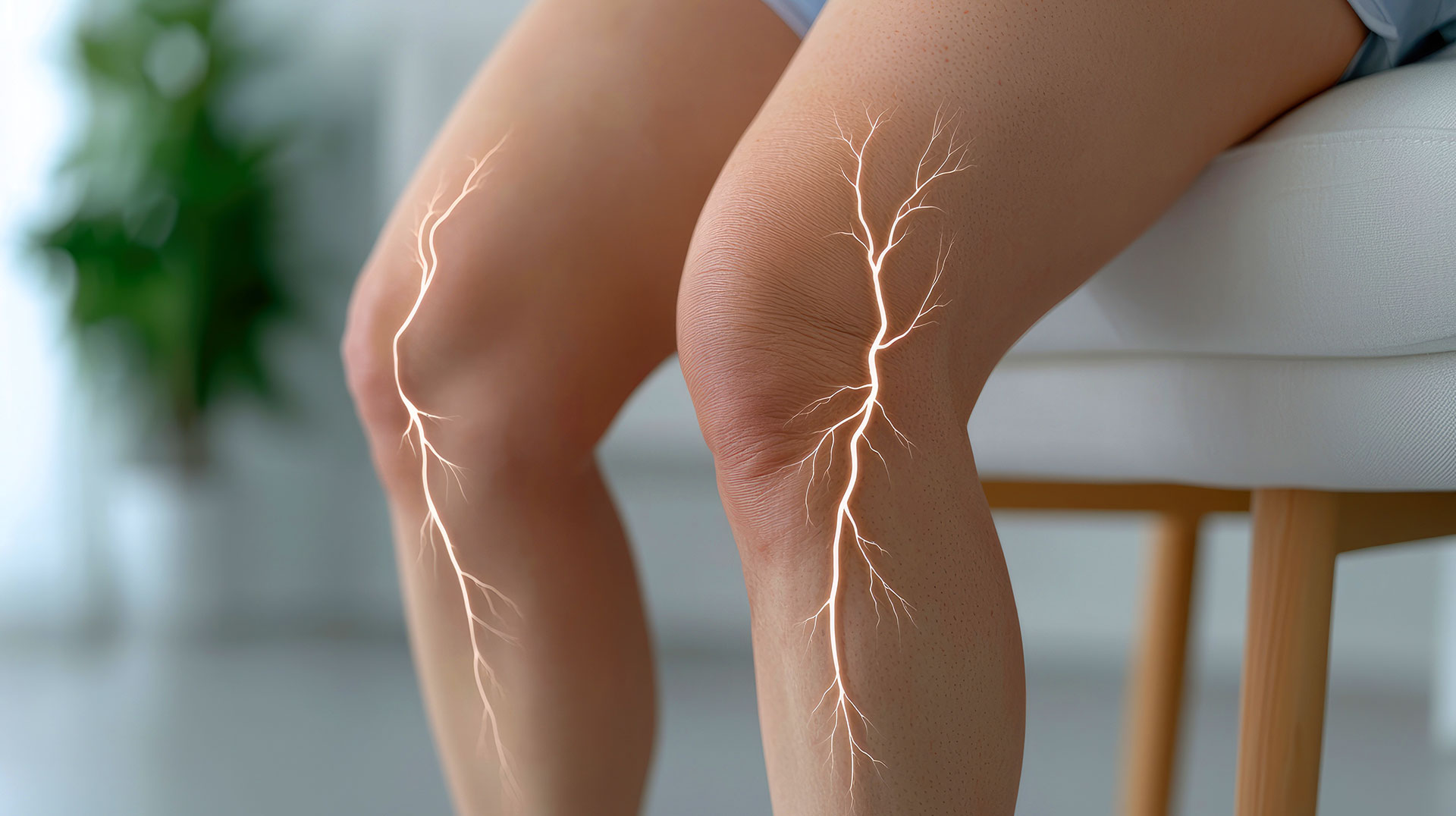
Leg heaviness often develops gradually and may worsen after long periods of standing or sitting. Common symptoms include:
If these symptoms persist or interfere with daily activities, it is important to seek evaluation from a vein specialist, as they may indicate an underlying circulation problem.
Heavy legs often occur when blood is not circulating efficiently through the veins. Damaged vein valves can cause blood to pool in the legs, increasing pressure and creating a sensation of heaviness.
Common causes include:
A comprehensive vein evaluation can determine whether heavy legs are related to venous insufficiency and identify the most appropriate treatment. Treatment costs vary depending on the underlying condition and your personalized treatment plan.
Several lifestyle and medical factors increase the risk of developing heavy legs, including prolonged sitting or standing, smoking, obesity, aging, pregnancy, and a family history of vein disease.
Underlying conditions such as chronic venous insufficiency, cardiovascular disease, varicose veins, and restless legs syndrome may also contribute to persistent leg heaviness. Without treatment, these conditions can progress and affect your overall circulatory health.
If heavy legs are affecting your daily life, a vein specialist can recommend a personalized treatment plan based on your symptoms and diagnostic findings. Your evaluation may include a physical examination and a Duplex ultrasound to assess blood flow and identify damaged veins.
Treatment may include lifestyle modifications, compression stockings, minimally invasive vein procedures, or other therapies to improve circulation and relieve symptoms. Most modern vein treatments involve little to no downtime, allowing patients to recover quickly and return to normal activities. At CURA Vein Doctors, we create individualized treatment plans designed to restore healthy circulation and provide lasting relief.
Heavy legs are often more than just a temporary inconvenience—they may be a sign of an underlying vein condition that requires medical attention. Early diagnosis and treatment can improve circulation, reduce discomfort, and prevent symptoms from worsening. At CURA Vein Doctors, our experienced vein specialists provide comprehensive evaluations and advanced treatment options to help patients enjoy healthier, lighter legs and an improved quality of life.