
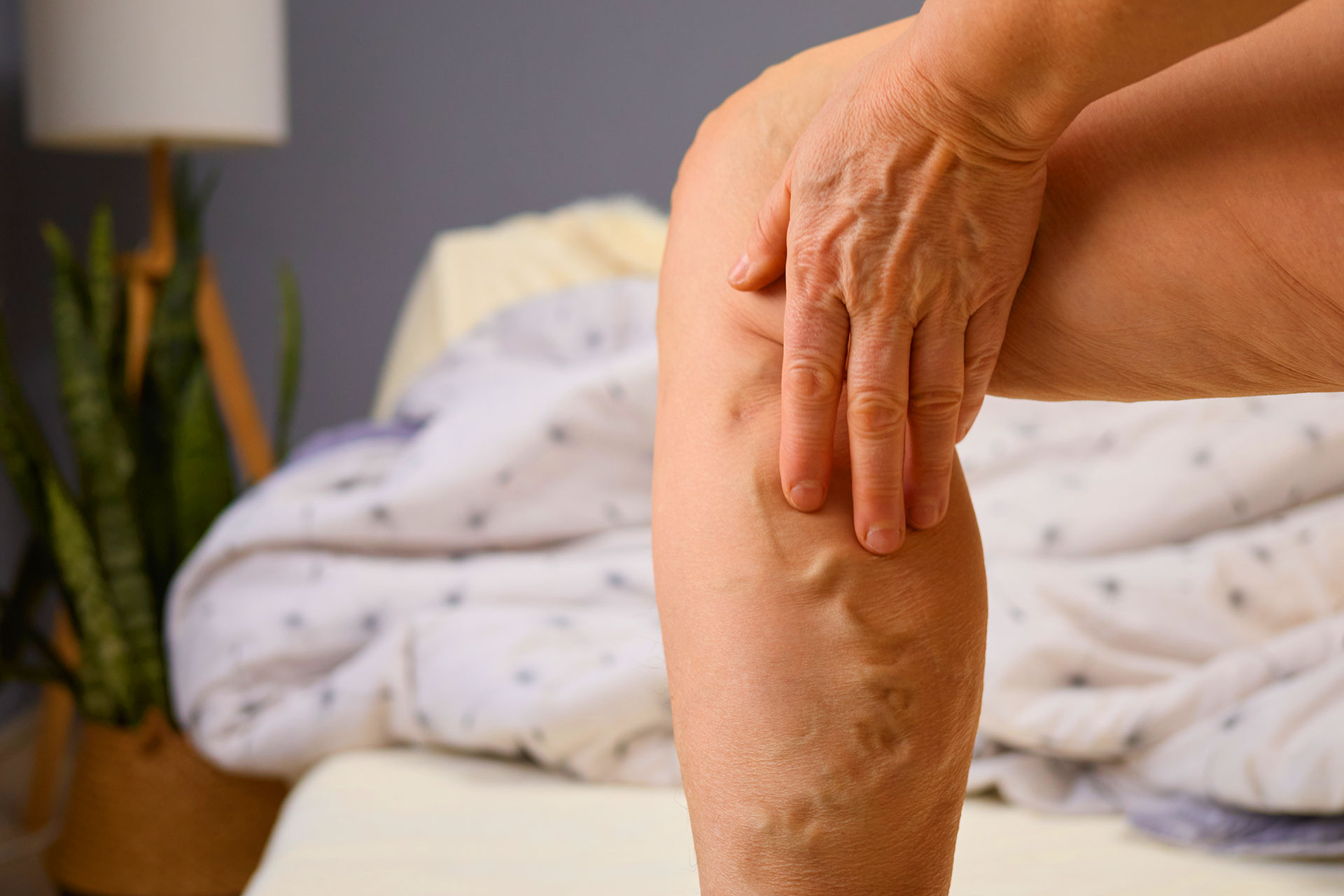
Varicose Veins

What Sets Varicose Veins Apart?

Varicose veins are enlarged, twisted veins that develop when the valves inside the veins weaken, allowing blood to pool instead of flowing efficiently back to the heart. Unlike normal veins, varicose veins are often raised, bulging, and visible beneath the skin. They may cause discomfort and lead to complications if left untreated. Seeking an evaluation from a vein specialist is important for an accurate diagnosis and personalized treatment plan.

Symptoms and Diagnosis of Varicose Veins

Varicose veins can cause a variety of symptoms beyond their visible appearance. Common symptoms include bulging or twisted veins, leg heaviness, aching, swelling, cramping, itching, and pain that often worsens after prolonged standing or sitting. In advanced cases, skin discoloration, venous ulcers, and chronic venous insufficiency may develop.

Risk factors such as family history, pregnancy, hormonal changes, aging, obesity, and occupations that require prolonged standing can increase the likelihood of developing varicose veins. Diagnosis begins with a physical examination, a review of your medical and family history, and a Doppler ultrasound to evaluate blood flow, identify damaged valves, and determine the severity of vein disease. Early diagnosis allows treatment before symptoms worsen or complications develop.

Varicose Vein: Causes and Risk Factors

Accurate diagnosis is essential for identifying the underlying cause of varicose veins. Weakened vein walls and faulty valves are the most common causes, allowing blood to collect in the veins and increasing pressure within the leg veins.

Additional risk factors and complications include:

  • Family history of vein disease
  • Blood clots that may increase the risk of deep vein thrombosis (DVT)
  • Pregnancy, aging, obesity, and prolonged standing
  • Damage to superficial or deep veins
  • Chronic venous insufficiency
  • Skin changes, swelling, and venous ulcers in advanced cases
  • Rare complications such as pulmonary embolism if serious vein disease is left untreated

A Doppler ultrasound helps assess blood flow, vein function, and the severity of the condition so your vein specialist can recommend the most effective treatment. The cost of treatment depends on the severity of the disease, the procedure performed, and your insurance coverage.

How to Treat Varicose Veins

Treatment depends on the severity of your symptoms and the underlying cause of your vein disease. Mild cases may improve with conservative measures, while larger or symptomatic varicose veins often require minimally invasive procedures.

Treatment options include:

  • Regular exercise to improve circulation
  • Maintaining a healthy weight
  • Wearing compression stockings
  • Elevating the legs while resting
  • Over-the-counter pain relief when appropriate
  • Anti-inflammatory medications if recommended
  • Sclerotherapy for selected veins
  • Radiofrequency Ablation, VenaSeal, or ClariVein for larger diseased veins
  • Healthy lifestyle habits, including avoiding prolonged sitting or standing

Modern minimally invasive vein treatments require little to no downtime, allowing most patients to return to normal activities quickly while improving circulation and relieving symptoms.

Conclusion

If you are experiencing symptoms of varicose veins, early evaluation by a vein specialist can help prevent the condition from progressing. At CURA Vein Doctors, we provide personalized treatment plans using advanced, minimally invasive procedures to restore healthy circulation and relieve the discomfort associated with varicose veins. The most appropriate treatment depends on your symptoms, vein anatomy, overall health, and individual treatment goals.