
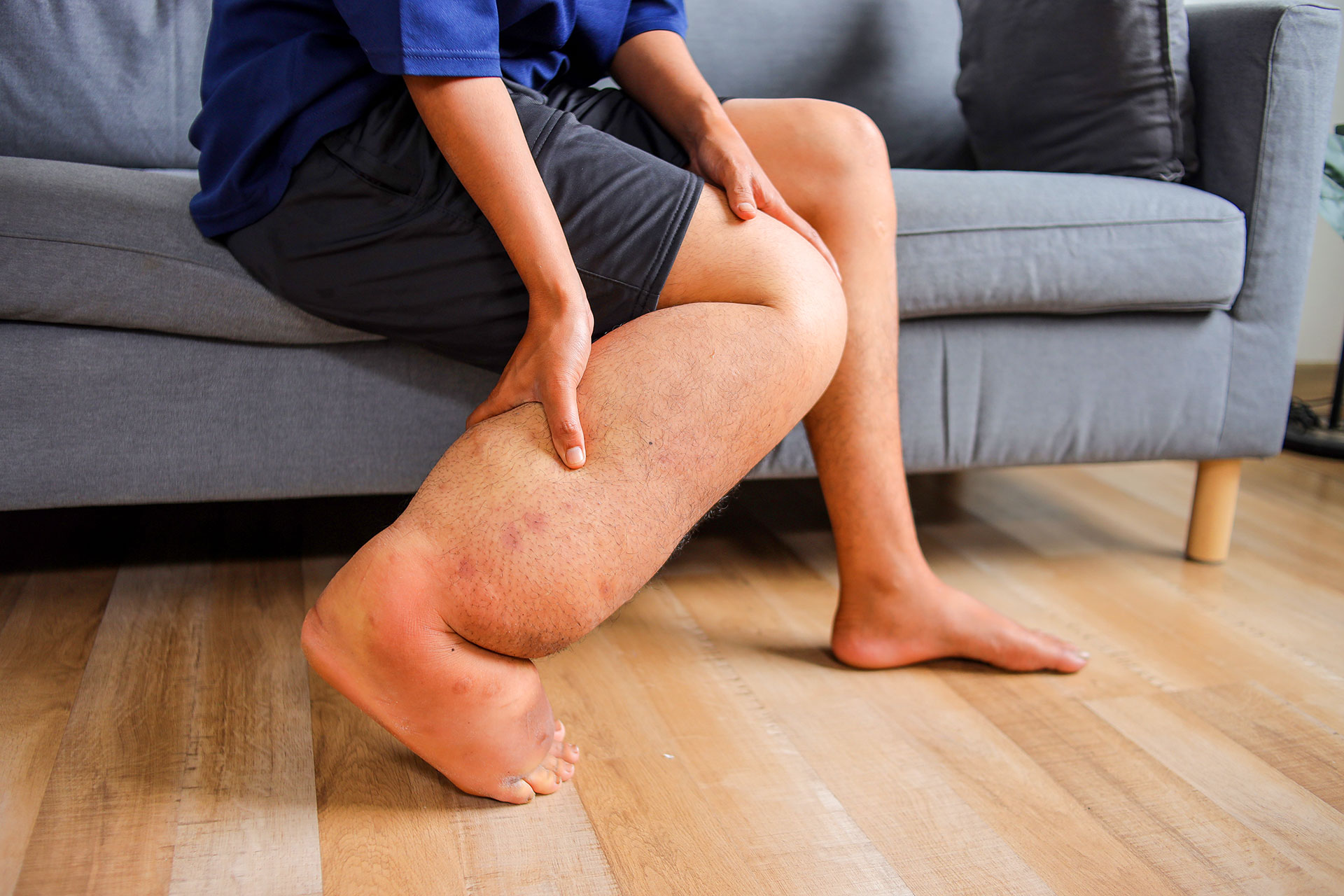
Leg swelling, also known as peripheral edema, is a common condition that occurs when excess fluid builds up in the tissues of the legs. While occasional swelling may result from prolonged standing or sitting, persistent swelling can indicate an underlying medical condition such as chronic venous insufficiency, varicose veins, blood clots, heart disease, or kidney disease. Identifying the underlying cause is essential for choosing the most effective treatment and preventing complications.
Poor blood flow caused by chronic venous insufficiency is one of the most common causes of leg swelling. When the valves inside the veins become weak or damaged, blood pools in the legs instead of returning efficiently to the heart, leading to swelling, heaviness, and discomfort.
Blood clots can also restrict normal circulation and cause swelling, pain, and tenderness. Because both conditions may affect circulation and increase the risk of complications, persistent swelling should always be evaluated by a vein specialist.
Leg swelling may be accompanied by symptoms such as heaviness, aching, tightness, swollen ankles, skin changes, or discomfort while walking. In some cases, swelling may be associated with conditions including heart failure, kidney disease, rheumatoid arthritis, hormone therapy, or chronic venous insufficiency.
Without treatment, chronic swelling may increase the risk of skin infections, venous ulcers, blood clots, and reduced mobility. Swelling that affects only one leg, develops suddenly, or occurs with chest pain or shortness of breath requires immediate medical attention.
A comprehensive evaluation helps determine the underlying cause of leg swelling. Your healthcare provider may recommend a physical examination, Duplex ultrasound, or other diagnostic tests to evaluate blood flow and identify vein disease or blood clots.
Treatment depends on the cause and may include compression stockings, lifestyle modifications, medications such as diuretics when appropriate, or minimally invasive vein procedures to improve circulation. Recovery varies depending on the underlying condition and treatment provided. The cost of treatment depends on your diagnosis, recommended procedure, and insurance coverage.
Healthy daily habits can help reduce the risk of leg swelling and improve circulation: