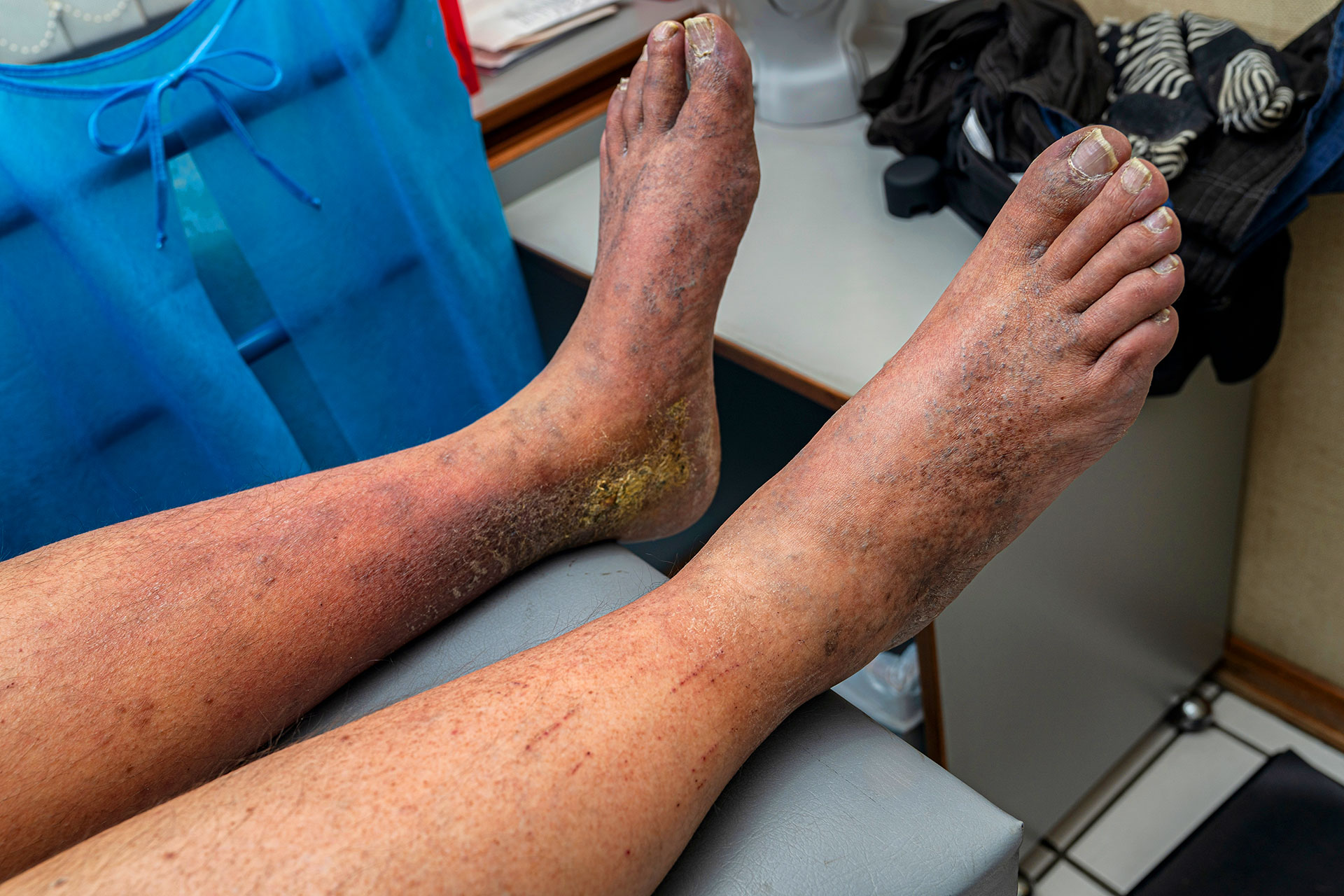
What is Venous Insufficiency?
Venous insufficiency is a condition in which the veins have difficulty returning blood from the legs back to the heart. When the valves inside the veins become weak or damaged, blood begins to pool in the legs, leading to poor circulation. This condition, known as chronic venous insufficiency (CVI), can cause symptoms such as leg swelling, heaviness, aching, varicose veins, skin changes, and, if left untreated, venous ulcers. Early diagnosis and treatment can help relieve symptoms and prevent the condition from progressing.
Diagnosing Chronic Venous Insufficiency
Medical History and Physical Exam of the Leg Veins
Diagnosing venous insufficiency begins with a detailed medical history and physical examination. Your vein specialist will ask about your symptoms, family history of vein disease, occupation, lifestyle, and any factors that may increase your risk, such as prolonged standing or sitting.
During the physical examination, your legs will be evaluated for swelling, varicose veins, skin discoloration, tenderness, and skin changes like mottled skin on the legs, along with other signs of chronic venous insufficiency. Understanding your medical history helps determine the most appropriate treatment plan based on your individual condition.
Duplex Ultrasound and Varicose Veins
A Duplex ultrasound is the gold standard for diagnosing chronic venous insufficiency. This painless imaging test allows your vein specialist to evaluate blood flow, identify damaged vein valves, detect venous reflux, and determine the severity of the disease. The ultrasound findings help guide treatment recommendations and identify patients who may benefit from minimally invasive vein procedures.
Risk Factors for Venous Insufficiency
Recognizing the risk factors for venous insufficiency can help with early detection and treatment. Common risk factors include:
- Family history of chronic venous insufficiency or varicose veins
- Prolonged standing or sitting
- Lack of regular exercise
- Obesity or excess body weight
- Pregnancy
- Aging
- Previous blood clots or vein injuries
If you have one or more of these risk factors and experience symptoms such as leg swelling, aching, heaviness, or varicose veins, an evaluation by a vein specialist is recommended.
Treatment Options
Compression Therapy and Blood Flow
Compression stockings are often recommended to improve circulation, reduce swelling, and relieve discomfort associated with chronic venous insufficiency. They gently apply pressure to the legs, helping blood flow more efficiently back toward the heart. While compression therapy helps manage symptoms, it does not correct the underlying vein disease.
Minimally Invasive Procedures
For patients with significant venous reflux, minimally invasive treatments such as Radiofrequency Ablation (RFA), VenaSeal®, ClariVein®, or Sclerotherapy may be recommended. These office-based procedures close damaged veins, redirect blood to healthy veins, and improve circulation with little to no downtime. The most appropriate treatment depends on your ultrasound findings, the severity of your condition, and your individual treatment goals. Treatment costs vary based on the recommended procedure and insurance coverage.
Lifestyle Changes
insufficiency. Recommended changes include:
- Eating a healthy, high-fiber diet
- Drinking plenty of water
- Exercising regularly
- Maintaining a healthy weight
- Avoiding prolonged sitting or standing
- Quitting smoking if applicable
- Elevating your legs periodically to reduce swelling
These habits support vein health and may help slow the progression of chronic venous insufficiency.
Conclusion
Understanding the symptoms, risk factors, and treatment options for venous insufficiency is essential for protecting your vascular health. Early diagnosis allows treatment before complications develop. At CURA Vein Doctors, our experienced vein specialists use advanced ultrasound evaluation and minimally invasive treatments to create personalized care plans that improve circulation, relieve symptoms, and help patients achieve long-term vein health.