
Reviewed by Dr. Amir Issa, MD, DABVLM, RPhS · CURA Vein Doctors · November 2026
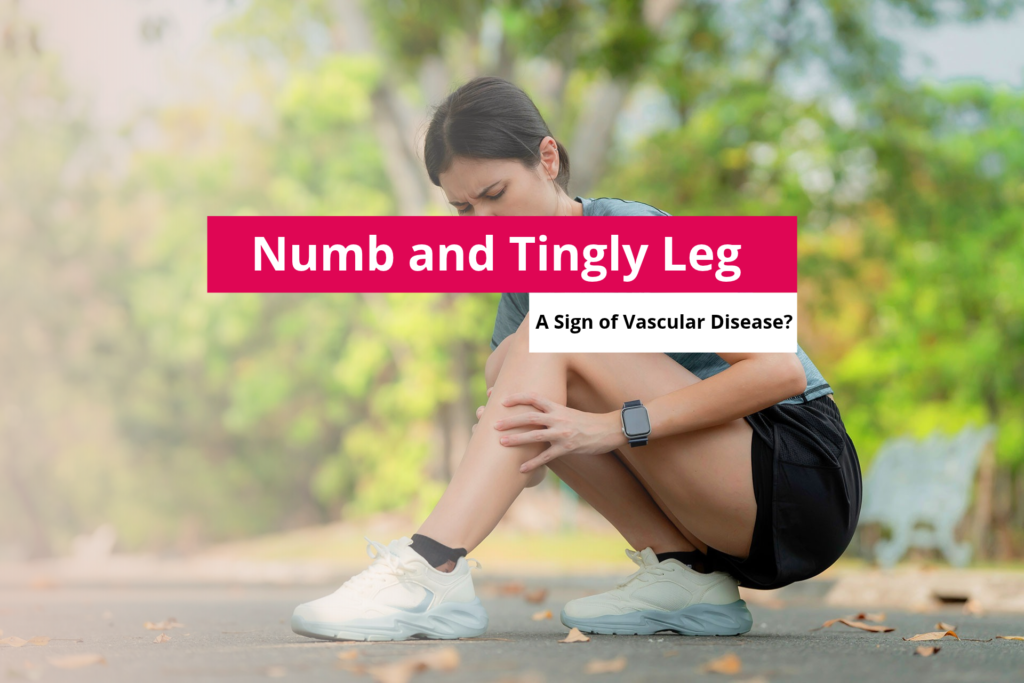
Legs aching at night. A persistent tingle in the calf, back again for the third evening in a row. You blame the long hours at the desk, the new shoes, the drive home. You stretch, shift positions, wait it out. It fades. And then it comes back. What if the problem isn’t your posture?
Tingling in Legs
Quick Answer
What does leg tingling signal?
Tingling in the legs is a sensory signal that blood supply or nerve conduction is disrupted. When the cause is vascular, the sensation reflects reduced oxygen delivery to nerve tissue in the lower limb. It carries the most weight when it occurs at rest, affects both legs, or comes alongside skin changes, persistent swelling, or cramping that follows a consistent daily pattern.
Two distinct systems run through your legs: blood vessels and nerves. Either can produce tingling. Vascular tingling comes from insufficient blood reaching the nerve tissue itself. Neurological tingling comes from direct nerve compression or damage. The distinction matters because the treatment path is completely different.
Is It Vascular or a Nerve Problem?
| Cause | Type | Key Symptom Pattern | Most Affected |
|---|---|---|---|
| Peripheral artery disease | Vascular | Calf cramping with walking; cold foot; tingling at rest in advanced stages | Smokers, diabetics, adults over 50 |
| Chronic venous insufficiency | Vascular | Heaviness and aching worsening through the day; ankle swelling; leg fatigue | Adults who stand or sit for long hours |
| Lumbar nerve compression | Neurological | Radiating from the lower back; triggered or worsened by specific postures | Adults with disc disease or spinal stenosis |
| Diabetic neuropathy | Mixed | Burning, numbness, and tingling starting in both feet, gradually moving up | Poorly controlled or long-standing diabetes |
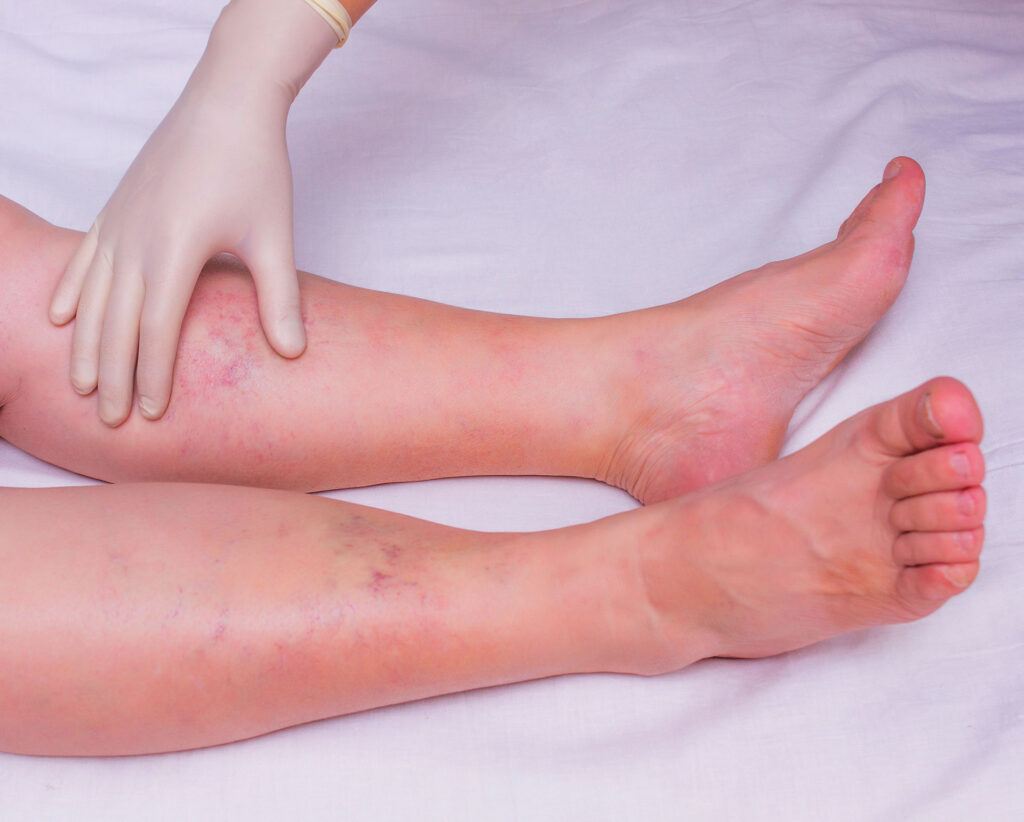
| Deep vein thrombosis | Emergency | Sudden swelling, warmth, and pain in one leg; skin may appear red or discolored | Immobility, recent surgery, clotting disorders |
Early Signs of Blocked Arteries in the Legs
Peripheral artery disease (PAD) is the most underdiagnosed vascular cause of leg tingling. It narrows the arteries supplying the legs, cutting blood flow to muscle and nerve tissue alike. According to a large multinational study published in The Lancet, over 202 million people worldwide live with PAD, and many do not know it. The earliest signs are easy to miss because they mimic normal aging and often appear only during activity.
01
Calf cramping with walking
Pain or tightness that appears during exertion and reliably stops with rest. Clinicians call this claudication.
02
Cold or pale foot on one side
Temperature or color asymmetry between legs is a reliable early indicator of reduced arterial flow.
03
Tingling that worsens with elevation
Arterial tingling intensifies when the leg is raised above heart level, unlike nerve-related tingling.
04
Non-healing wound on the foot or ankle
Poor arterial supply impairs tissue repair. A small cut that won't close after two weeks warrants urgent vascular evaluation.
What Vascular Disease Feels Like in Your Legs
PAD causes aching or cramping in the calf that appears during walking and stops with rest. That pattern is claudication, the hallmark of moderate arterial disease. Chronic venous insufficiency causes a heavy, throbbing ache that builds throughout the day, especially with prolonged standing, and improves when the legs are raised. Both conditions produce tingling.
The key distinction: arterial tingling worsens with exertion and elevation; venous tingling improves with elevation. Visible varicose veins are often the first outward sign that venous return is compromised. One-sided tingling, where only one leg is affected, is a stronger warning sign than mild bilateral tingling in both. If the discomfort is sharp and localized to the inner knee rather than the lower leg, inner knee pain often points to a joint or soft tissue cause instead.
When to Stop Waiting and Get Checked
Not all leg tingling is urgent. These three levels help you decide when to act.

Frequently Asked Questions
What could be causing numbness and tingling in both my legs and feet?
When both legs are affected at the same time, the most likely causes are systemic: peripheral artery disease, diabetic neuropathy, vitamin B12 deficiency, or chronic venous insufficiency. Bilateral tingling points to a whole-body circulatory or metabolic issue, not a compressed nerve on one side.
What are the early signs of blocked arteries in the legs?
The earliest signs of PAD are calf cramping that appears with walking and stops with rest, coldness or pallor in one foot compared to the other, and tingling that worsens when the leg is elevated. Many people dismiss these as normal aging.
Can vascular neuropathy be cured?
It depends on the cause and how early it is caught. PAD-related tingling improves significantly with supervised exercise, lifestyle changes, and when needed, stenting or bypass. Diabetic neuropathy is not reversible, but it stops progressing with tight glucose control.
What do vascular issues in legs feel like?
PAD produces aching or cramping in the calf that appears during walking and reliably stops with rest. Chronic venous insufficiency causes a heavy, throbbing ache that builds throughout the day and improves when the legs are raised. Vascular tingling often comes with coolness, skin changes, or a noticeable difference between the two legs.
CURA Vein Doctors
Tingling that doesn't go away deserves a real answer.
Our board-certified vein physicians use duplex ultrasound and ankle-brachial index testing to identify vascular causes fast, without guesswork.
References
- Fowkes FG, Rudan D, Rudan I, et al. Comparison of global estimates of prevalence and risk factors for peripheral artery disease in 2000 and 2010. Lancet. 2013;382(9901):1329–1340.
- Hirsch AT, Haskal ZJ, Hertzer NR, et al. ACC/AHA 2005 Practice Guidelines for the management of patients with peripheral arterial disease. Circulation. 2006;113(11):e463–e654.
- Criqui MH, Aboyans V. Epidemiology of peripheral artery disease. Circ Res. 2015;116(9):1509–1526.