
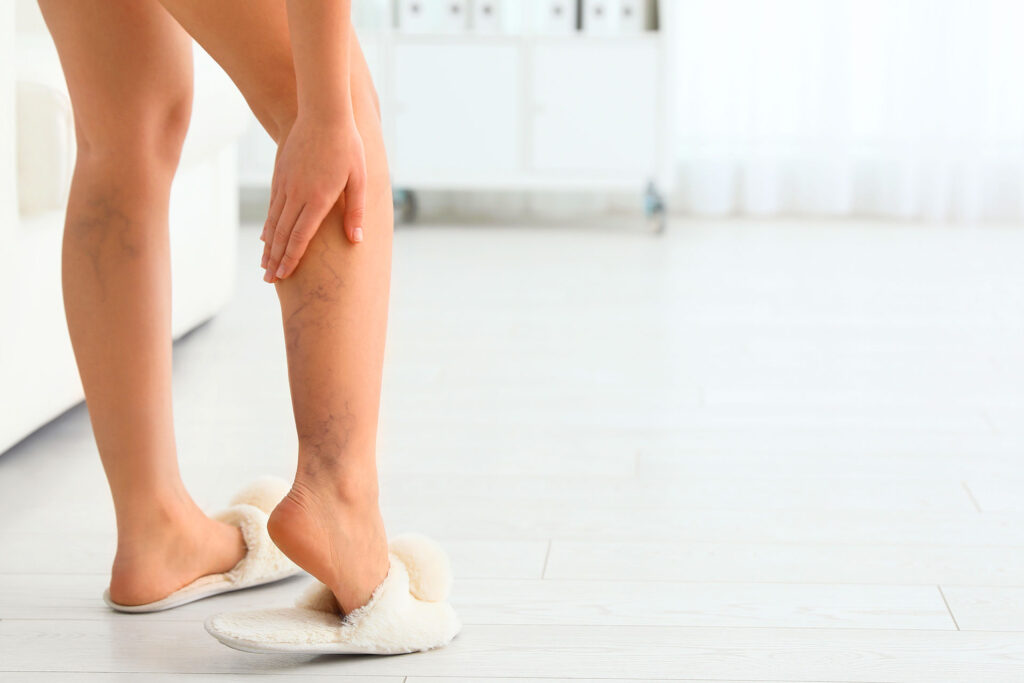
Most people picture varicose veins as a cosmetic nuisance, something to hide under long pants and think about later. Then the aching starts. Not a dramatic pain, just a low, persistent complaint that builds through the day and settles somewhere between your knee and ankle by evening. If you have been wondering whether varicose veins hurt, the answer is yes, and there are specific reasons why.
Understanding those reasons matters. The pain is not random. It follows a pattern, it comes from identifiable causes, and in most cases, it responds well to both simple home measures and medical treatment.
Do Varicose Veins Hurt?
Yes, varicose veins hurt for many people, even though some patients feel nothing at all. Pain occurs when elevated venous pressure, inflammation, and nerve irritation build up around failing vein valves. Symptoms typically worsen after long periods of standing or sitting and ease with leg elevation. The absence of visible pain does not mean the veins are harmless.
Why Varicose Veins Cause Pain: The Mechanism
Healthy leg veins work against gravity. One-way valves inside them snap shut after each heartbeat, stopping blood from sliding back down. When those valves weaken or fail, blood does not return to the heart the way it should. It pools. It sits. And it creates a cascade of problems in the surrounding tissue.
There are four distinct processes that generate pain in this situation.
1. Pressure Buildup Inside the Vein
Pooled blood raises the pressure inside the vein wall. That pressure pushes outward. The vein stretches. The surrounding tissue stretches with it. Pain receptors in those tissues register the stretch as discomfort, sometimes as a dull ache, sometimes as something more insistent. The longer you stand, the more blood pools, and the more pressure accumulates.
2. Inflammation in the Vein Wall
The body reads abnormal pressure and sluggish blood flow as a threat. It responds with inflammation, releasing compounds that sensitize nearby nerve endings. This is why varicose veins often produce a burning or throbbing sensation rather than a clean, localized ache. The inflammation radiates. It does not stay neatly inside the vein.
3. Nerve Sensitization Over Time
Chronic inflammation does something gradual but significant. It lowers the threshold of pain nerves around the affected veins. Nerves that once tolerated normal standing, warmth, or light contact begin to register those same stimuli as painful. This is nerve sensitization, and it explains why varicose vein pain often seems disproportionate to what is actually happening on the surface.
4. Oxygen-Depleted Blood Near the Tissue
Blood sitting in a poorly draining vein loses oxygen and accumulates metabolic waste. That oxygen-depleted, waste-laden blood sits against the vein wall and surrounding tissue for longer than it should. The chemical environment becomes irritating. It contributes to the itching, burning, and deep soreness that many patients describe, particularly around the ankle and lower calf.
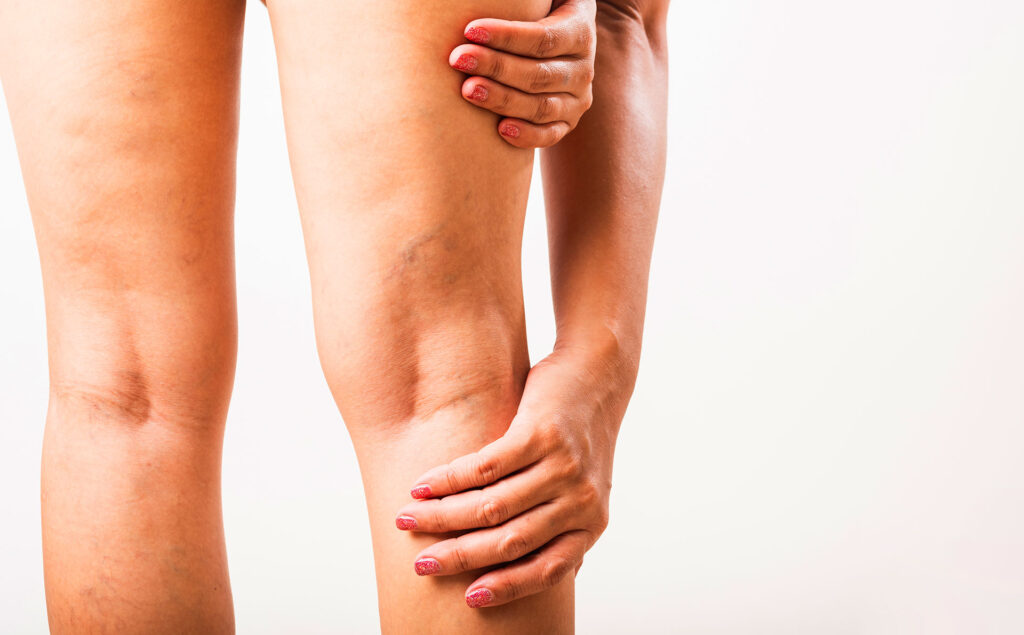
What Does Varicose Vein Pain Actually Feel Like?
People describe it differently, and that variety is itself a clue. There is no single sensation. The pain shifts depending on how long you have been on your feet, the temperature, and how advanced the underlying valve failure is.
| Sensation | What Causes It | When It Tends to Occur |
|---|---|---|
| Dull aching | Venous pressure on surrounding tissue | Afternoon, after prolonged standing |
| Throbbing | Pulsatile pressure in enlarged vein | End of day, during heat |
| Burning | Nerve irritation from inflammation | Evening, after sitting for hours |
| Heaviness | Blood pooling in lower leg | Throughout the day, worsening by evening |
| Cramping | Oxygen deprivation in calf muscle | Night, first hours of sleep |
| Itching | Fluid and cell leakage into skin tissue | Lower leg, near ankle, end of day |
One pattern that helps distinguish varicose vein pain from other causes: it almost always improves when you lie down and raise your legs. If elevation brings noticeable relief within 15 to 20 minutes, venous pressure is very likely the source.
What Makes the Pain Worse?
Several factors reliably amplify varicose vein pain. Knowing them helps both with daily management and with recognizing when a flare-up has an identifiable trigger.
- Heat. Warmth dilates veins, which increases pooling and pressure. Hot weather, hot showers, and heated environments all tend to worsen symptoms.
- Prolonged standing. Gravity works continuously against failing valves. The longer you stand without moving, the more blood accumulates.
- Prolonged sitting. Sitting with bent knees compresses the popliteal vein behind the knee, restricting return flow. Long flights and desk jobs are common culprits.
- Hormonal changes. Progesterone relaxes vein walls. Symptoms often worsen before menstruation, during pregnancy, and with certain hormone medications.
- Extra weight. Increased abdominal pressure pushes back against upward blood flow, making valve failure worse and pooling more severe.
Relief Tips That Actually Work
None of the following measures cure varicose veins, but they reduce pain meaningfully for most people while they await treatment or manage mild disease.
Elevation
Raising the legs above heart level for 15 to 20 minutes, two or three times a day, lets gravity assist blood return rather than fight it. The relief is often immediate and noticeable. A folded pillow under the calves works fine. You do not need a special device.
Compression Stockings
Medical-grade compression stockings apply graduated pressure to the lower leg, squeezing the vein walls gently together and reducing pooling. They work best when put on in the morning before you get out of bed, before blood has had time to pool. A 20 to 30 mmHg grade suits most people, though a vein specialist can advise on the right level.
Movement Throughout the Day
Short walks activate the calf muscle pump, which pushes venous blood upward with each step. Even five minutes of walking every hour makes a measurable difference for people who stand or sit for long stretches. If walking is not practical, calf raises at your desk work on the same principle.
Cold Water
A cool shower or running cold water over the lower legs constricts the veins temporarily, reducing pressure and the burning sensation. It is not a treatment, but it offers real short-term relief during flare-ups, especially in summer.
Avoiding Prolonged Heat
Hot baths, saunas, and sitting in direct sun for long periods will worsen symptoms for most people. Keeping the legs cool, especially in warm weather, is one of the simplest adjustments that makes a day-to-day difference.
When Pain Signals Something More Serious
Most varicose vein pain is uncomfortable but not dangerous. There are situations, however, that call for prompt medical attention rather than home management.
- Sudden, severe pain in the leg with redness and warmth along a vein: this can indicate superficial thrombophlebitis, a clot forming inside a varicose vein
- Calf pain with swelling, warmth, and redness that appears rapidly: these are signs of deep vein thrombosis and need same-day evaluation
- A varicose vein that begins to bleed: the skin over enlarged veins can thin significantly, and a small knock can cause heavy bleeding that does not stop easily
- Open sores or non-healing wounds near the ankle: these are venous ulcers and indicate advanced disease requiring specialist care
If any of these apply, do not rely on home remedies. See a vein specialist or go to urgent care.
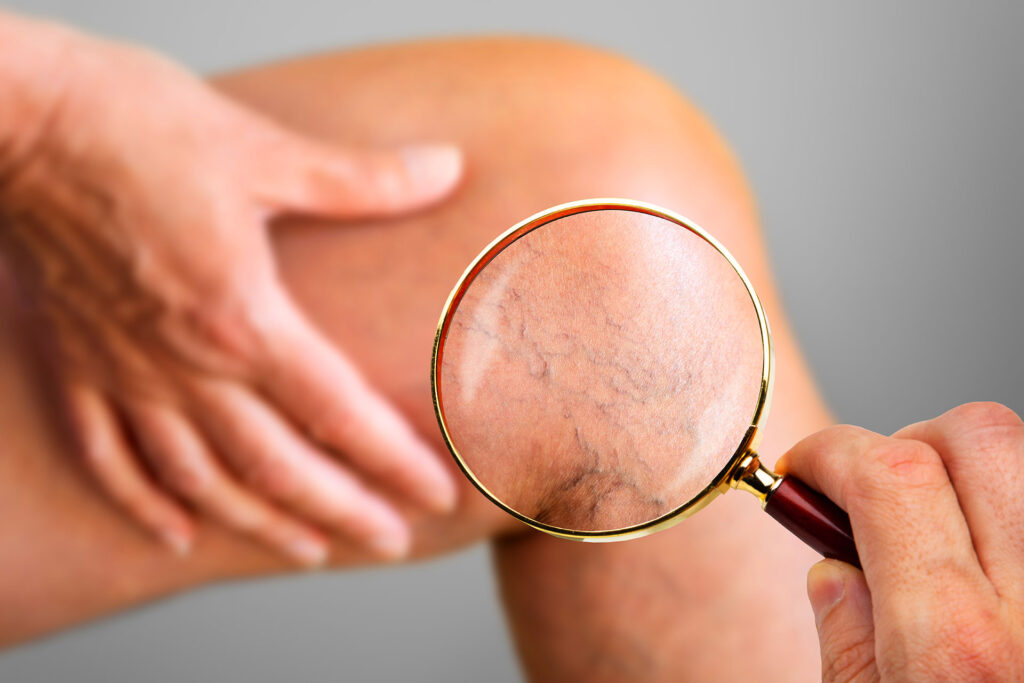
Treatment Options That Remove the Pain at Its Source
Home measures manage symptoms. They do not fix the underlying valve failure. Modern vein treatments close or remove the diseased vein entirely, redirecting blood through healthier vessels. Pain resolves because the source of the pressure and inflammation is gone.
The main options in use today:
- Endovenous laser ablation (EVLA). A thin fiber inserted into the vein delivers laser energy that seals the vein wall. Done in-office under local anesthesia, typically 45 to 60 minutes.
- Radiofrequency ablation (RFA). Similar to EVLA but uses radiofrequency heat instead of laser. Slightly lower post-procedure discomfort in some patients.
- Sclerotherapy. A chemical solution injected directly into the vein causes it to collapse and be absorbed. Used more often for smaller varicosities and branch veins.
- Phlebectomy. Small incisions remove the vein through the skin. Used for larger surface veins that are not suitable for thermal ablation alone.
Recovery from any of these is measured in days, not weeks. Most patients resume normal activity the same day or the next.
Frequently Asked Questions
Is It Normal for Varicose Veins to Hurt?
Yes, though not everyone experiences pain. Roughly half of people with varicose veins report aching, heaviness, or burning. Pain results from venous pressure, inflammation, and nerve irritation around the affected vein. Its absence does not mean the veins are harmless, as structural damage can progress silently.
Can Varicose Veins Make Your Whole Leg Hurt?
They can, particularly when the great saphenous vein is involved. This vein runs the full length of the inner leg, and valve failure within it creates pressure that distributes widely. Patients often report diffuse aching from the groin to the ankle rather than pain confined to a visible vein.
How to Identify Varicose Vein Pain vs Other Leg Pain
Varicose vein pain worsens through the day and improves with leg elevation. It follows a predictable daily pattern, affects the same leg or area consistently, and often accompanies visible swelling or skin changes near the ankle. Muscle pain from exercise or injury behaves differently, typically improving with rest regardless of position.
What Does Varicose Vein Pain Feel Like?
Most patients describe a combination of aching, heaviness, throbbing, or burning in the lower leg. The sensation tends to be diffuse rather than sharp and localized. Nighttime cramping is also common. Pain peaks in the evening after time on your feet and eases noticeably after lying down with the legs elevated.
Why Do My Legs Feel Heavy and Tired by End of Day?
End-of-day heaviness is a hallmark of venous insufficiency. Blood pools in the lower leg throughout the day as failing valves allow backflow. That accumulation creates tissue pressure the muscles register as weight and fatigue. The feeling clears overnight when the legs are horizontal, then returns the following afternoon as the cycle repeats.