
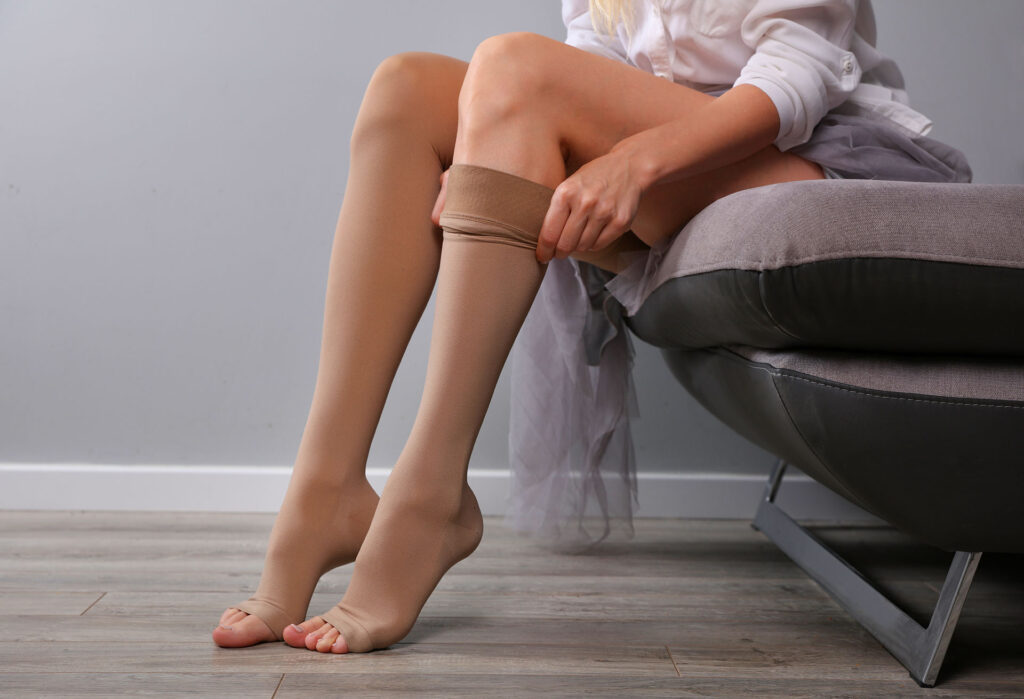
Compression tights come up in almost every conversation about varicose veins. Doctors recommend them. Pharmacies stock entire walls of them. People buy them, wear them for a week, and then quietly wonder if they are doing anything at all. Yes, they work. But not the way most people assume. They are not a cure. They are a tool. Knowing the difference changes how you use them and what you should expect.
Do Medical Compression Leggings for Varicose Veins Actually Work?
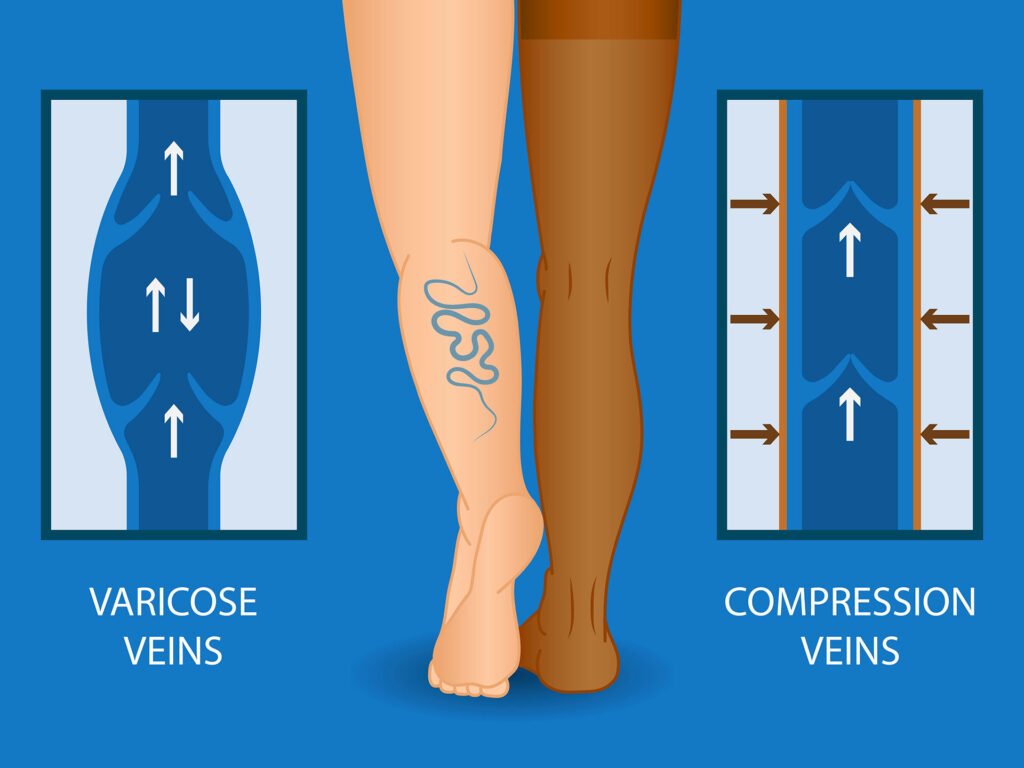
Medical compression leggings for varicose veins reduce venous pressure by applying graduated external compression, tightest at the ankle and gradually lighter toward the knee or thigh. This helps blood move upward toward the heart, cutting down on pooling and swelling. They relieve symptoms reliably but do not fix damaged valves or remove existing varicose veins.
What Is Actually Happening Inside Your Leg
Varicose veins form when the one-way valves inside a vein stop doing their job. Blood falls backward instead of moving upward. It pools. The vein wall stretches to handle the extra volume, and over time that stretched vein becomes permanently visible and often painful. Compression tights work from the outside in. Wrapping the leg in graduated pressure physically narrows the vein diameter. A narrower vein needs less from the valve to keep blood moving the right way. The pooling drops. The swelling eases. That heavy, tired feeling that builds through the afternoon starts to lift.
What compression cannot do is repair the valve. It stays damaged. The second you take the garment off, the same venous pressure returns. This is why compression is a management tool, not a fix. The underlying problem remains.
Compression Levels: What the Numbers Actually Mean
Compression is measured in millimeters of mercury, the same unit as blood pressure. Getting the level right matters more than most people realize.
| Compression Level | Pressure (mmHg) | Who It Suits |
|---|---|---|
| Mild | 8 to 15 mmHg | Tired legs, long travel, general prevention |
| Moderate | 15 to 20 mmHg | Mild varicose veins, minor swelling |
| Medical Grade 1 | 20 to 30 mmHg | Moderate varicose veins, CVI, post-procedure recovery |
| Medical Grade 2 | 30 to 40 mmHg | Severe CVI, lymphedema, DVT management |
| Medical Grade 3 | 40 to 50 mmHg | Severe lymphedema, prescribed cases only |
Most tights sold in retail stores land in the 8 to 15 mmHg range. Fine for sore legs after a long flight. Not enough for actual varicose veins with venous insufficiency behind them. The clinical starting point for that is 20 to 30 mmHg. Anything above 30 should be fitted and prescribed by a specialist.
Leggings vs. Stockings vs. Socks: Does the Format Matter?
The format is less important than the compression gradient and how well the garment fits. That said, there are real practical differences.
Knee-high compression socks cover the zone where venous pressure is highest. Most varicose veins and swelling sit between the ankle and the knee. For the majority of patients, knee-high is sufficient and far easier to put on and take off daily.
Thigh-high stockings come into play when varicose veins or swelling extend above the knee, or when the source of valve reflux is higher in the great saphenous vein. They are harder to keep in place and require more effort, which tends to affect how consistently people wear them.
Medical compression leggings for varicose veins cover the full leg and wear more like ordinary clothing. Patients who find traditional compression stockings uncomfortable or clinical-looking tend to stick with leggings far more reliably. Consistent wearing is what produces results. Compression sitting in a drawer produces nothing.
How to Wear Them So They Actually Work
Wearing compression socks incorrectly cuts into the benefit and can occasionally cause discomfort.
- Put them on first thing in the morning, ideally before getting out of bed. Swelling builds through the day. Getting compression on before that process starts is far more useful than putting them on at lunchtime.
- Smooth out any folds or bunching. Bunched fabric creates a ring of excess pressure at that point, which reverses the graduated effect entirely.
- The tightest point is always the ankle. If the ankle feels loose and the calf feels tight, the sizing is off.
- Wash them regularly but know that the elastic degrades. Most medical-grade compression garments maintain their therapeutic pressure for roughly 150 to 200 washes. After that, replace them.
- With daily use, most people need new pairs every three to six months.
Who Gets the Most Out of Compression Tights
Compression is not equally useful across every patient. Some people notice a significant change within days. Others get modest relief at best. The gap usually comes down to the cause and how far the venous disease has progressed.
People who typically get the most out of compression:
- Those in the early stages of chronic venous insufficiency with moderate valve reflux
- People who spend long hours on their feet or at a desk, nurses, teachers, long-haul drivers, office workers
- Pregnant women, where compression reduces swelling and lowers the risk of clots
- Patients recovering from sclerotherapy or ablation, where compression speeds healing
- People managing lymphedema alongside venous disease
People who see less change:
- Those with advanced CVI where the valve damage is severe. Compression still helps, but it cannot compensate for major reflux.
- Anyone whose varicose veins have progressed to skin breakdown or ulceration. Compression remains part of the plan at that stage, but wound care and procedural treatment are also needed.
The Point Where Compression Is No Longer Enough
Compression tights manage the symptom. The disease keeps moving. If your varicose veins come from chronic venous insufficiency, that insufficiency progresses whether or not you wear compression. The valves do not heal. The vein wall does not shrink back. Patients who delay treatment for years give the venous pressure time to cause skin changes, tissue hardening near the ankle, and eventually open ulcers that take months to close.
Modern vein procedures have changed what treatment looks like. Endovenous laser ablation and radiofrequency ablation close the damaged vein from the inside through a thin catheter, under local anesthesia, in roughly an hour. Patients walk out of the clinic. Most go back to work the following day. No general anesthesia. No surgical recovery.
The most common reason people put off treatment is expecting it to be more involved than it is. After a year or more of wearing compression daily with persistent or worsening symptoms, that is the clearest possible sign to have the underlying disease properly assessed.
FAQ: Compression Leggings and Varicose Veins
Do compression leggings work for varicose veins?
Yes, for symptom management. Medical compression leggings for varicose veins reduce venous pressure by narrowing the vein diameter from outside, which cuts pooling, swelling, and the aching heaviness that accumulates through the day. They do not fix the damaged valves that cause varicose veins or remove the veins themselves. For lasting improvement, compression should sit alongside a proper diagnostic evaluation and, when necessary, treatment.
Is beetroot good for varicose veins?
Beetroot contains dietary nitrates that support nitric oxide production, which relaxes blood vessel walls and supports circulation. Some research points to cardiovascular benefits. There is no clinical evidence, though, that beetroot reduces varicose veins or reverses venous insufficiency. It is a sensible dietary choice for circulatory health, but no substitute for compression therapy or vein treatment.
What are the best medical grade compression leggings?
The best option is what a vein specialist recommends based on your specific condition and compression needs, usually 20 to 30 mmHg for varicose veins. Brands with solid clinical reputations include Sigvaris, Jobst, Juzo, and Medi. Fit matters as much as the brand name. Poorly fitted compression from a top manufacturer still will not deliver the right therapeutic pressure. A vein clinic can fit you properly or write a prescription for measured garments.
Can compression leggings help lipedema?
Yes. Compression is one of the core management tools for lipedema. It does not reverse the characteristic fat deposits, but it reduces swelling, leg pain, and pressure noticeably. Patients dealing with both lipedema and varicose veins often need higher compression, typically 30 to 40 mmHg, prescribed by a specialist. Standard retail leggings rarely deliver enough pressure to make a clinical difference in lipedema.
Compression Is a Start. Treatment Closes the Problem.
If your legs ache, swell, or carry visible varicose veins, wear compression every day. It will make your days easier and slow the progression of the underlying disease. But easier is not the same as resolved. The damaged valves driving your symptoms do not recover with compression alone. At a certain point, the right call is closing the problem vein directly, redirecting blood through healthier channels, and stopping the cycle rather than managing it indefinitely. Most patients who go through treatment say the same thing afterward: they wish they had done it sooner, before symptoms and chronic pain became part of daily life.
See a Vein Specialist at CURA Vein Center
You have read the article. You know what the warning signs look like. If anything here made you think twice about a vein you have been ignoring, that instinct is worth following.
At CURA Vein Center, our board-certified specialists diagnose and treat all types of vein conditions across New Jersey. We use minimally invasive procedures, accept most insurance plans, and offer free consultations with no surprise bills.
Contact us today or call +1 973-363-2029.