
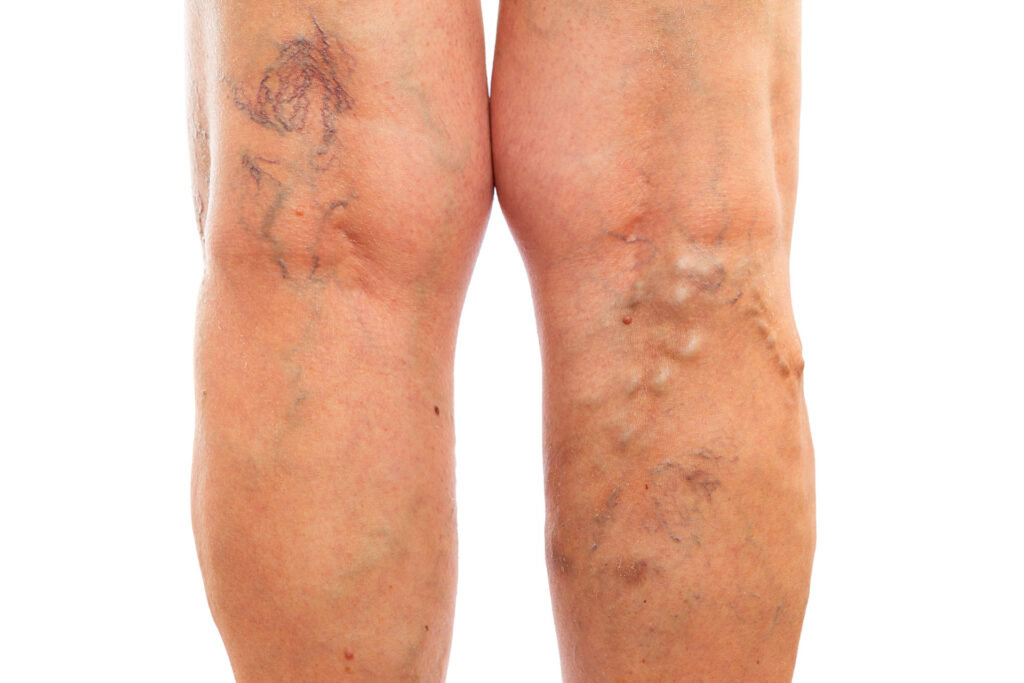
Varicose veins are more than just a cosmetic concern; they’re a sign that your circulatory system needs attention. Those bulging, twisted blue or purple veins that often appear on the legs affect up to 35% of adults, causing discomfort, swelling, and sometimes serious health complications. The good news? Learning how to prevent varicose veins is entirely possible with the right lifestyle changes and proactive habits.
Varicose Veins: Why Prevention Matters
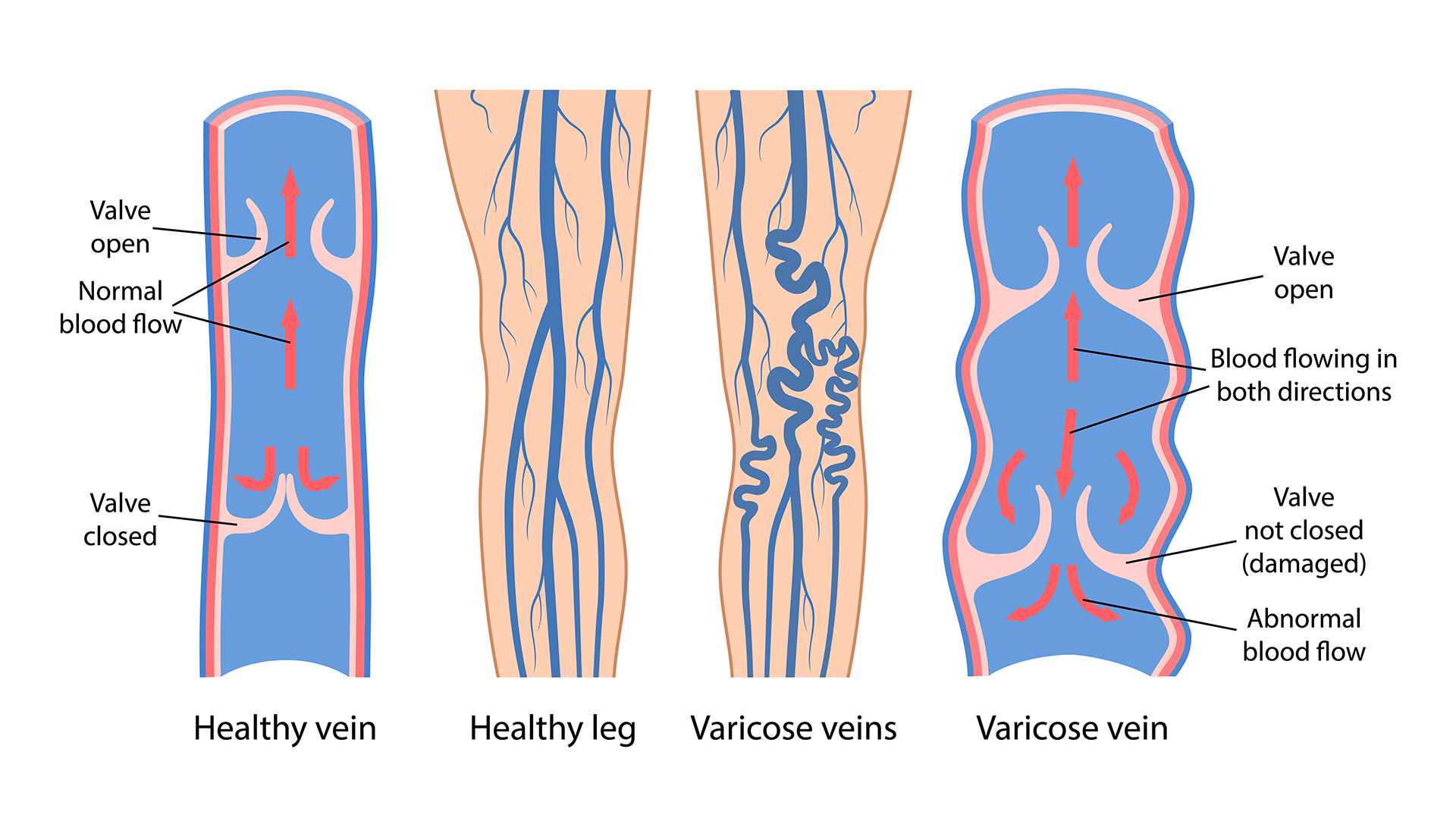
Varicose veins develop when the tiny one-way valves inside your veins weaken or become damaged. These valves normally help push blood back up toward your heart, but when they fail, blood pools in the veins, causing them to enlarge, twist, and become visible beneath the skin.
While genetics play a significant role, lifestyle factors heavily influence whether these veins develop or worsen. Prevention is far easier and less expensive than treatment, which is why understanding the risk factors and protective measures is so important.
Common Risk Factors to Be Aware Of
- Age: Vein valves naturally weaken over time
- Gender: Women are more prone due to hormonal changes
- Pregnancy: Increased blood volume puts pressure on veins
- Family history: Genetics account for up to 50% of cases
- Obesity: Extra weight increases pressure on leg veins
- Prolonged standing or sitting: Reduces healthy circulation
How to Prevent Varicose Veins: 8 Proven Strategies
Preventing varicose veins requires a multi-faceted approach that addresses circulation, weight, and daily habits. Here are the most effective strategies backed by vascular health experts.
1. Stay Active with Regular Exercise
Movement is your veins’ best friend. Exercise improves blood circulation in your legs, strengthens your calf muscles (which act as natural pumps for venous return), and helps maintain a healthy weight.
Focus on low-impact activities like:
- Walking (aim for 30 minutes daily)
- Swimming or water aerobics
- Cycling or stationary biking
- Yoga and stretching
- Calf raises and ankle rotations
2. Maintain a Healthy Weight
Carrying excess weight places significant pressure on your veins, particularly in the lower body. Even a modest weight loss of 5-10% can dramatically reduce strain on your circulatory system and lower your risk of developing varicose veins.
3. Elevate Your Legs Daily
Elevating your legs above your heart level for 15-20 minutes several times a day helps gravity work in your favor. This simple practice reduces swelling, eases venous pressure, and gives your circulation a much-needed reset, especially after long days of standing or sitting.
Pro Tip: Try the “legs up the wall” yoga pose before bed. Lie on your back with your legs straight up against a wall for 10-15 minutes to drain excess fluid and refresh tired veins.
4. Wear Compression Stockings
Compression stockings apply graduated pressure to your legs, helping veins move blood more efficiently. They’re particularly beneficial for people who stand or sit for extended periods, pregnant women, and frequent travelers. Available in various compression levels, you can find them at most pharmacies without a prescription.
5. Avoid Prolonged Sitting or Standing
Staying in one position for hours restricts blood flow and increases pressure in your leg veins. If your job requires long periods of sitting or standing, take action:
- Take a 5-minute walking break every hour
- Shift your weight from one leg to the other when standing
- Flex your ankles and wiggle your toes regularly
- Use a footrest when sitting to keep legs slightly elevated
6. Eat a Vein-Healthy Diet
Your diet directly impacts vein health. Focus on foods rich in:
- Fiber: Whole grains, fruits, and vegetables prevent constipation, which can increase vein pressure
- Flavonoids: Found in berries, citrus fruits, dark chocolate, and leafy greens, these compounds strengthen vein walls
- Vitamin C and E: Support collagen production and circulation
- Potassium: Reduces water retention (bananas, sweet potatoes, leafy greens)
- Low sodium: Excess salt causes water retention and swelling
7. Stay Hydrated
Proper hydration keeps your blood flowing smoothly and prevents thickening that can stress your veins. Aim for at least 8 glasses of water daily, and remember that hydration also helps prevent uncomfortable nighttime symptoms. If you frequently experience painful leg cramps at night, it could be related to dehydration, mineral deficiencies, or underlying vein issues that warrant a closer look.
8. Choose Comfortable Clothing and Footwear
Tight clothing around your waist, groin, or legs can restrict blood flow and contribute to varicose vein development. Similarly, high heels keep your calf muscles in a constantly contracted position, preventing them from properly pumping blood. Opt for:
- Loose-fitting clothing around the lower body
- Low-heeled shoes for daily wear
- Supportive footwear that promotes proper circulation
Special Considerations for High-Risk Groups
Pregnancy and Varicose Veins
Pregnancy significantly increases varicose vein risk due to hormonal changes and increased blood volume. Pregnant women should sleep on their left side to relieve pressure on the inferior vena cava, wear maternity compression stockings, and avoid crossing their legs while sitting.
Office Workers and Travelers
If you’re desk-bound or frequently traveling, set hourly reminders to move. On long flights, walk the aisle every hour, perform seated calf exercises, and consider wearing compression socks. Staying hydrated during travel is especially crucial since cabin pressure can affect circulation.
Warning Signs You Shouldn’t Ignore
While prevention is powerful, sometimes professional intervention is necessary. Consult a vein specialist if you experience:
- Persistent leg pain, heaviness, or aching
- Swelling that doesn’t resolve with elevation
- Skin discoloration or ulcers near the ankles
- Bulging, rope-like veins that worsen over time
- Restless legs or frequent nighttime cramping
- Bleeding from a varicose vein
Important: Early intervention can prevent complications like deep vein thrombosis (DVT), skin ulcers, and chronic pain. Don’t wait until symptoms become severe.
Building a Long-Term Vein Health Routine
The most effective prevention strategy combines multiple approaches into a sustainable daily routine. Start with simple changes, a daily walk, more water, and regular leg elevation, then gradually incorporate other habits like dietary improvements and compression wear when needed.
Remember that consistency matters more than perfection. Small, daily actions compound over time to create significant long-term benefits for your vascular health.
Take Action for Healthier Veins Today
Knowing how to prevent varicose veins empowers you to take control of your circulatory health before problems arise. By staying active, maintaining a healthy weight, elevating your legs, eating a nutrient-rich diet, and avoiding prolonged static positions, you can significantly reduce your risk of developing painful and unsightly varicose veins.
While genetics may load the gun, lifestyle pulls the trigger, meaning your daily choices have tremendous power over your vein health. Start implementing these strategies today, and don’t hesitate to consult a vein specialist if you notice concerning symptoms. Your legs carry you through life; give them the care they deserve.