
If you have varicose veins, you have probably already searched this question and found a confusing mix of answers. Vascular surgeon. Phlebologist. Interventional radiologist. Vein specialist. All of them come up. None of them sound like the same thing. They are not all the same thing. And knowing the difference matters more than most people realize, because picking the wrong type of doctor often means getting cosmetic treatment when you actually need a diagnostic workup.
What Doctor Treats Varicose Veins?
A phlebologist, also called a vein specialist or doctor of veins, is the primary medical professional who treats varicose veins. They diagnose and treat venous conditions, including varicose veins, spider veins, chronic venous insufficiency, and DVT. Vascular surgeons and interventional radiologists handle more complex or advanced cases requiring procedural intervention.
The Main Types of Doctors Who Treat Varicose Veins
Several medical specialties treat varicose veins. They are not interchangeable. Each brings a different level of training, a different scope, and a different approach to the same problem.
| Doctor Type | What They Do | Best For |
|---|---|---|
| Phlebologist | Diagnoses and treats all venous conditions | Most varicose vein and CVI cases |
| Vascular Surgeon | Surgical and minimally invasive vein procedures | Complex or advanced venous disease |
| Interventional Radiologist | Image-guided minimally invasive procedures | Ablation, stenting, DVT treatment |
| Dermatologist | Cosmetic treatment of surface veins | Spider veins, cosmetic cases only |
| Primary Care Doctor | Initial assessment, referral | First point of contact |
Phlebologist
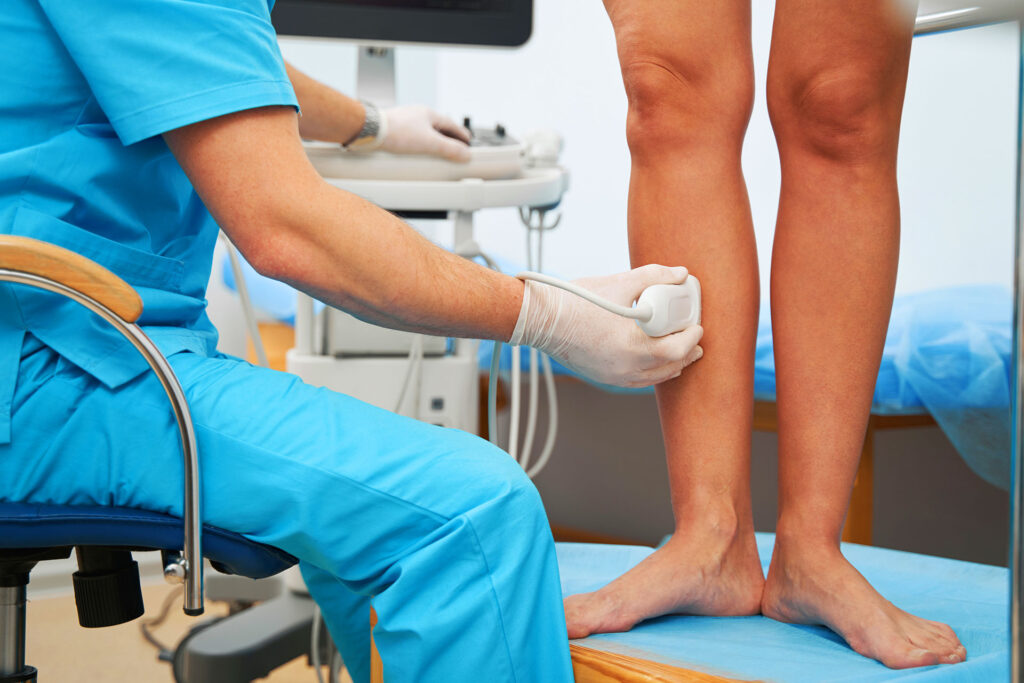
This is the specialist most people should see first. Phlebology is the branch of medicine focused entirely on venous and lymphatic conditions. A phlebologist examines the vein, identifies the root cause using duplex ultrasound, and builds a treatment plan that addresses the underlying problem, not just the visible symptom.
The title phlebologist is used loosely in some circles. When choosing one, look for board certification through the American Board of Venous and Lymphatic Medicine (ABVLM) and a background in vascular surgery, cardiology, or interventional radiology. This ensures they have supervised procedural training, not just coursework.
Vascular Surgeon
Vascular surgeons complete five to seven years of residency and fellowship training focused on the entire vascular system: arteries, veins, and lymphatic vessels. They are qualified to perform all minimally invasive vein procedures and, when necessary, surgical interventions.
For most varicose vein patients, surgery is not on the table. Modern treatments are far less invasive. But a vascular surgeon brings the broadest clinical scope, which matters when the venous disease is advanced or when complications arise.
Interventional Radiologist
These specialists use imaging technology, ultrasound, X-ray, and MRI, to guide minimally invasive procedures from inside the vein. They perform endovenous laser ablation, radiofrequency ablation, and stenting for conditions like May-Thurner syndrome. They are the right choice when anatomy or disease complexity makes surface-level treatment insufficient.
Dermatologist
Dermatologists occasionally treat spider veins and minor surface varicosities using sclerotherapy or laser therapy. Their scope is primarily cosmetic. They are not the right doctor for diagnosing or treating chronic venous insufficiency, DVT, or any systemic venous condition. If a vein clinic is run by a dermatologist and offers only cosmetic procedures, that is a signal to look elsewhere for a complete evaluation.
Primary Care Doctor
Your GP or family doctor is a reasonable first call. They can assess your symptoms, rule out other causes, and refer you to the right specialist. They are not trained to diagnose venous disease themselves and will not perform vein procedures, but a good referral from a primary care physician can point you in the right direction quickly.
What Does a Doctor of Veins Actually Do at Your Appointment?
Knowing who treats varicose veins is one thing. Knowing what to expect at the appointment reduces a lot of anxiety.
A first visit with a vein specialist typically looks like this:
- Medical history review covering when the veins appeared, any symptoms, family history of venous disease, and lifestyle factors like prolonged standing or sitting
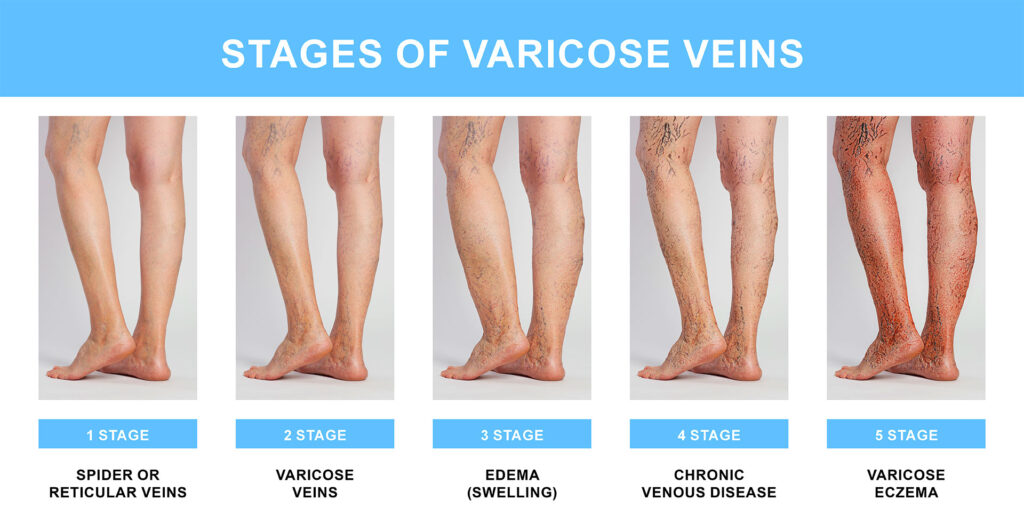
- Physical examination with you standing, so gravity fills the veins and makes the full extent visible
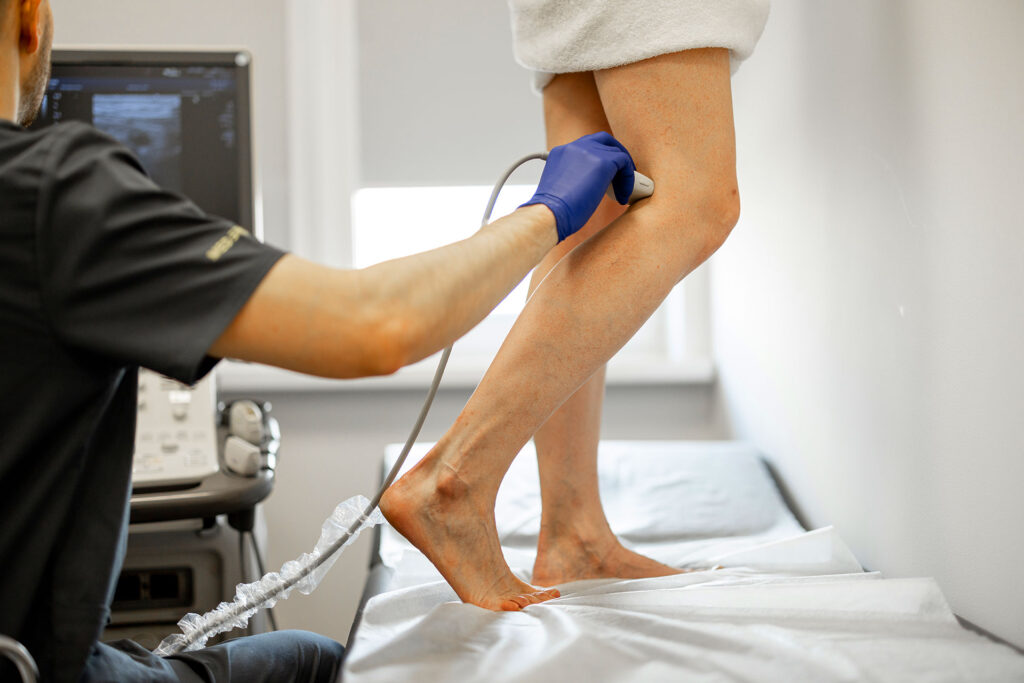
- Duplex ultrasound to map the venous system and check for valve reflux, clots, or blockages. This is the diagnostic gold standard. It takes 20 to 30 minutes and produces same-day results.
- Discussion of findings and a treatment plan tailored to the cause, not just the appearance
The entire process is outpatient. Most people have ultrasound and consultation in a single visit.
Who Treats Varicose Veins: The Treatment Options They Offer
The right doctor does not just diagnose. They match the treatment to the actual problem.
| Treatment | What It Does | Who Performs It |
|---|---|---|
| Compression therapy | Reduces venous pressure, manages early CVI | Prescribed by any vein specialist |
| Sclerotherapy | Injects solution to collapse the vein | Phlebologist, dermatologist |
| Endovenous laser ablation (EVLA) | Uses laser heat to close the vein from inside | Phlebologist, vascular surgeon, IR |
| Radiofrequency ablation (RFA) | Same as EVLA using radiofrequency energy | Phlebologist, vascular surgeon, IR |
| Microphlebectomy | Removes surface varicosities through tiny incisions | Phlebologist, vascular surgeon |
| Venous stenting | Opens a compressed or blocked deep vein | Interventional radiologist, vascular surgeon |
All of the procedural treatments above are outpatient. Patients walk in, have the procedure performed under local anesthesia, and resume most normal activity the same day or the next.
How to Choose the Right Vein Doctor
Not every doctor who calls themselves a vein specialist has the same training. The title is not regulated as tightly as you might expect. Here is what to look for:
Board certification matters. The most credible certifications for vein doctors come from bodies that require demonstrated clinical competency in vascular procedures: the American Board of Surgery (for vascular surgeons), the American Board of Radiology (for interventional radiologists), or the ABVLM for phlebologists. Certification in general internal medicine or dermatology alone does not confirm procedural expertise in venous disease.
Ultrasound-guided diagnosis is non-negotiable. Any clinic that offers vein treatment without performing a duplex ultrasound first is skipping the diagnostic step entirely. Treatments performed without understanding the underlying anatomy often fail or recur.
Ask about their procedural volume. A vein doctor who performs hundreds of ablations per year will have significantly better outcomes than one who does the procedure occasionally on the side of another practice.
Avoid clinics that lead with cosmetics. The goal of a qualified vein doctor is venous health, not just appearance. If the consultation feels more like a beauty treatment pitch than a medical evaluation, that is worth noting.
What Happens If You See the Wrong Type of Doctor
The most common scenario: a patient visits a cosmetic clinic, gets sclerotherapy on visible spider veins, and feels like the problem is solved. Six months later, the veins return. Sometimes worse.
The reason is almost always the same. The root cause, usually chronic venous insufficiency and valve reflux deep in the great saphenous vein, was never identified or treated. Closing the surface vein without fixing the underlying reflux is like patching a hole in a wall without fixing the pipe behind it. A qualified doctor of veins starts with the ultrasound. Everything else follows from what the imaging shows.
FAQ: What Doctor Treats Varicose Veins
What is a doctor who specialises in veins called?
A doctor who specialises in veins is called a phlebologist. The word comes from “phlebology,” the branch of medicine focused on venous and lymphatic conditions. Phlebologists may also go by vein specialist, vein doctor, or venous and lymphatic specialist. These terms are used interchangeably across most clinics. The key qualifier is not the title but the training and board certification behind it.
What doctor to consult for veins?
For most people, a phlebologist or vein specialist is the right first call. If your veins are causing pain, swelling, skin changes, or you have a history of clotting, a vascular surgeon or interventional radiologist may be more appropriate. Your primary care doctor can help with the initial referral if you are unsure where to start. The most important step is getting a duplex ultrasound from a specialist who performs one before recommending treatment.
What is another name for a vein doctor?
Vein doctors go by several names depending on their background and how they describe their practice: phlebologist, vein specialist, vascular doctor, venous and lymphatic specialist, and, in some contexts, vascular surgeon. All of these terms can describe the same type of doctor. What matters more than the label is whether they are board-certified, whether they use ultrasound diagnostics, and whether they treat the cause rather than just the visible symptom.
Do neurologists treat veins?
No, neurologists do not treat veins. Neurology focuses on the brain, spinal cord, and peripheral nervous system. Leg symptoms like pain, tingling, or heaviness can sometimes overlap between venous and neurological causes, which is why misdiagnosis occasionally happens. If a neurological cause has been ruled out and you still have persistent leg symptoms with visible veins, a vascular evaluation with duplex ultrasound is the appropriate next step.
See a Vein Specialist at CURA Vein Center
You have read the article. You know what the warning signs look like. If anything here made you think twice about a vein you have been ignoring, that instinct is worth following.
At CURA Vein Center, our board-certified specialists diagnose and treat all types of vein conditions across New Jersey. We use minimally invasive procedures, accept most insurance plans, and offer free consultations with no surprise bills.
Contact us today or call +1 973-363-2029.