
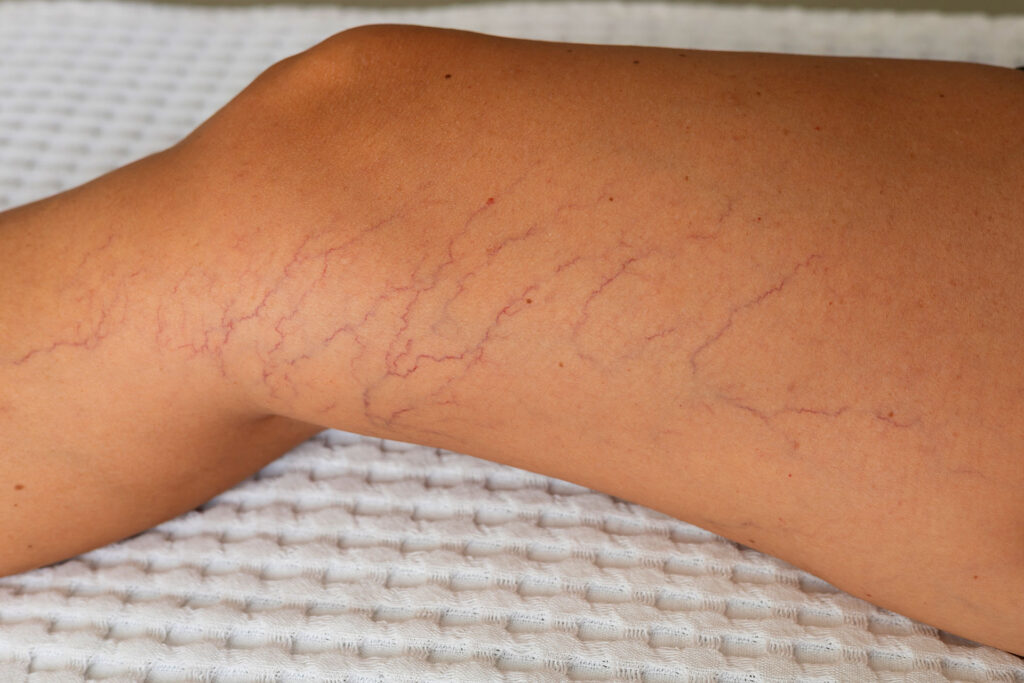
Something felt off in your leg. Maybe there was a sudden sharp sensation. Maybe you noticed bruising that appeared without any obvious injury. Or a vein that looks different from yesterday. A popped blood vein sounds alarming. The reality depends entirely on where it happened, how severe the rupture is, and what caused it. Most cases are minor and resolve on their own. A few are not. Knowing the difference is what this article is for.
What Is a Popped Blood Vein?
A popped blood vein occurs when the wall of a vein weakens and ruptures, allowing blood to leak into the surrounding tissue. The result is bruising, swelling, tenderness, and sometimes visible discoloration under the skin. Most superficial ruptures are minor and heal within one to two weeks. Ruptures linked to varicose veins, blood clotting disorders, or trauma to a deep vessel require medical evaluation.
Why Veins Pop: The Main Causes
Veins are not rigid pipes. They flex, expand, and contract constantly. When the wall weakens enough, the pressure inside becomes more than the wall can hold.
Trauma and Physical Injury
A direct blow, a fall, or even a tight grip around the arm during a blood draw can rupture a superficial vein. The vessel tears, blood escapes into the tissue, and a bruise forms. These are the most common and least serious type of popped blood vein.
Varicose Veins
Varicose veins have already-stretched, weakened walls from years of abnormal blood pooling. They rupture more easily than healthy veins, sometimes spontaneously, without any trauma at all. When a varicose vein pops close to the skin surface, it can bleed externally. That situation needs immediate pressure and same-day medical care.
Chronic Venous Insufficiency
When the valves inside leg veins fail, blood pools chronically under pressure. That sustained pressure gradually weakens the vein wall from inside. Over time, the wall becomes fragile enough that minor exertion, a bump, or nothing at all triggers a rupture.
Blood Thinners and Clotting Disorders
Anticoagulant medications reduce the blood’s ability to clot. A vein that pops in a patient on blood thinners bleeds more and bruises more dramatically than it would otherwise. Clotting disorders like hemophilia or von Willebrand disease carry similar risks.
Aging
Vein walls thin with age. Collagen and elastin, the structural proteins that give vessel walls their strength and flexibility, degrade over time. Adults over 60 bruise more easily and experience superficial vein ruptures more frequently, often from minimal contact.
Nutritional Deficiencies
Vitamins C and K both play roles in vascular integrity and blood clotting. Deficiency in either can make veins more prone to rupture and slower to heal. Worth considering when bruising seems disproportionate to the cause.
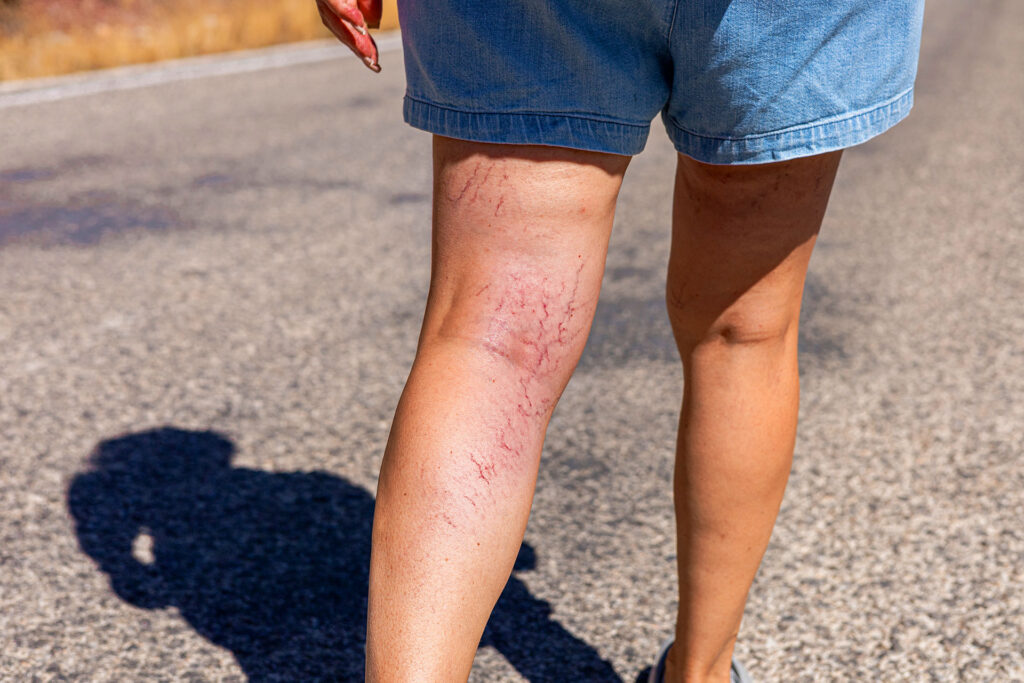
Symptoms of a Popped Blood Vein
| Symptom | What It Indicates | Urgency |
|---|---|---|
| Sudden bruising, no trauma | Superficial vein rupture, possibly spontaneous | Monitor |
| Swelling with firm lump under skin | Blood pooling (hematoma) in tissue | Monitor, ice and elevate |
| Sharp pain at vein site | Vessel wall tearing or inflammation | See a doctor if persistent |
| Warmth and redness over the vein | Inflammation, possible thrombophlebitis | See a doctor |
| Skin breaks open and bleeds | External rupture of surface varicose vein | Same-day care, apply pressure |
| One leg swells suddenly with vein changes | Possible deep vein thrombosis | Urgent evaluation |
| Shortness of breath with leg symptoms | Possible pulmonary embolism | Call emergency services |
What a Popped Blood Vein Feels Like
The sensation varies with the size and location of the rupture.
A small superficial rupture often produces a brief sting or burning feeling, followed by tenderness at the site. Some people feel nothing at all and only notice the bruise hours later.
A larger rupture, particularly in a varicose vein, can produce a sharper, more sudden pain. The area swells quickly. The skin may feel tight over the pooled blood. If the vein is close to the surface and the skin breaks, active bleeding begins.
Deep vessel involvement produces a different kind of pain: deep, aching, and diffuse rather than sharp and localized. This type of pain is often associated with DVT or significant trauma. If you are trying to distinguish between these sensations, it can be helpful to learn more about decoding the differences between sharp, burning, or aching pain profiles.
How to Tell if It’s Serious
Most popped blood veins in otherwise healthy people are minor events. These signs push it into a different category:
- Bleeding that does not stop with 10 to 15 minutes of firm pressure
- Rapid or large swelling suggesting significant blood is pooling in the tissue
- Fever or increasing redness spreading from the site, signs of infection
- Sudden swelling in one leg without obvious trauma, especially after sitting for hours
- Chest pain or breathlessness occurring alongside any leg symptoms
- Recurrent spontaneous ruptures with no identifiable cause
⚠️ Any of the above means medical care that day, not in a few days. External bleeding from a varicose vein can be surprisingly heavy. Apply firm pressure, elevate the leg, and go to urgent care if it does not slow within 10 minutes.
First Aid: What to Do Right Away
If the skin is intact:
- Apply a cold compress for 10 to 15 minutes
- Elevate the limb above heart level
- Avoid heat, massage, or pressure on the area for 24 hours
- Wear compression if you have varicose veins and the rupture is in the leg
If the skin breaks and the vein bleeds externally:
- Apply firm, direct pressure with a clean cloth immediately
- Elevate the leg above heart level while maintaining pressure
- Go to urgent care if bleeding does not slow within 10 minutes
Treatment Options for a Popped Blood Vein
| Severity | Treatment Approach |
|---|---|
| Minor bruise, no swelling | Rest, cold compress, elevation, time |
| Hematoma (firm swelling) | Cold compress, compression, medical review if large |
| Superficial thrombophlebitis | Anti-inflammatory medication, compression, ultrasound |
| External bleeding from varicose vein | Pressure, same-day evaluation, possible sclerotherapy |
| Recurrent spontaneous ruptures | Duplex ultrasound, vein treatment to address root cause |
| DVT suspected | Urgent ultrasound, anticoagulation if confirmed |
💡 Good to know: Modern vein treatments like sclerotherapy and endovenous ablation are outpatient procedures. No general anesthesia, no long recovery. Most patients walk out and return to work the next day.

Preventing It From Happening Again
A single rupture from a bump is not necessarily a sign of anything systemic. Recurring ruptures, spontaneous bruising, or a history of varicose veins point to something worth addressing properly.
- Treat underlying varicose veins before they rupture. Sclerotherapy and ablation close weakened veins before the wall gives way.
- Wear graduated compression socks if you stand for long periods or have existing varicose veins.
- Stay hydrated. Dehydration thickens blood and raises venous pressure.
- Move regularly during long periods of sitting. Calf contractions drive blood upward and reduce pooling.
- Have your vitamin C and K levels checked if bruising seems excessive relative to the cause.
✓ Prevention tip: Treating varicose veins early is the most effective way to prevent ruptures. A duplex ultrasound shows exactly which veins are at risk, before they become a problem.
FAQ: Popped Blood Vein
What happens if a blood vein pops?
Blood leaks into surrounding tissue, causing bruising and sometimes a firm swelling called a hematoma. Most minor ruptures heal within one to two weeks as the body reabsorbs the leaked blood.
Are popped veins serious?
Usually not. Superficial ruptures from minor injury are a nuisance, not a danger. They become serious when bleeding is uncontrolled, a large hematoma forms, infection sets in, or the rupture is linked to DVT or a clotting disorder.
Can a burst vein repair itself?
Small superficial veins heal on their own. Larger ruptures in varicose veins do not fully repair themselves because the underlying wall weakness remains. Sclerotherapy or ablation removes that risk permanently.
How painful is a vein pop?
A small rupture may feel like a brief sting or nothing at all. A larger one in a varicose vein produces sharper, more sudden pain followed by throbbing tenderness. Deep vessel involvement feels duller and more diffuse. If you are experiencing generalized discomfort that seems to span beyond the specific site of a bruise, it may be useful to explore the differences between localized injuries and chronic, diffuse pain that is harder to explain.
Can you get a blood clot from a popped vein?
Yes. In patients with clotting tendencies or venous disease, the body’s repair response can produce superficial thrombophlebitis. DVT is less common but possible if a clot extends into the deep system.