
You glance down at your arm and the veins are suddenly right there, blue-green lines sitting just under the skin like a road map you never noticed before. Nothing hurts. Nothing feels different. But something changed, and you want to know why you can see your veins through your skin when you could not before. The answer depends on whether the visibility came with symptoms or arrived quietly on its own. Most of the time, it is benign. Sometimes it is worth investigating. Knowing the difference is straightforward once you understand what actually drives vein visibility in the first place.
Is It Normal to See Your Veins Through Your Skin?
Yes, seeing veins through your skin is normal in many people. Low body fat, fair skin, warm temperatures, exercise, and age-related skin thinning all make veins more visible without indicating any disease. Visibility becomes a concern when it appears suddenly without an obvious cause, or when it comes with pain, swelling, warmth, or skin changes.
What Actually Determines Vein Visibility
A vein becomes visible when there is not enough tissue between it and the surface of your skin to conceal it. That gap depends on several things working together: how much subcutaneous fat you carry, how thick and pigmented your skin is, how much pressure is inside the vein, and whether the vein wall has stretched or distorted.
None of those factors operate in isolation. A lean person with fair skin will show veins that someone with more fat tissue or darker pigmentation would not. The same person will show more veins in summer than in winter. And someone with early venous insufficiency may start seeing veins that were previously invisible, not because their skin changed, but because the internal pressure pushed the vein closer to the surface.
The Most Common Reasons You Can See Your Veins Through Your Skin
Low Body Fat
Subcutaneous fat is the primary layer of insulation between veins and skin. When that layer is thin, veins sit close to the surface and catch the light. Bodybuilders and endurance athletes often have dramatically visible veins for exactly this reason. It is a structural fact rather than a medical symptom.
Exercise and Physical Exertion
During exercise, blood volume in the muscles increases and blood pressure rises. The veins expand to accommodate the increased flow. This is temporary. The veins shrink back once you cool down and your heart rate drops. If you notice prominent veins specifically during or immediately after workouts, that is the circulatory system responding normally to demand.
Heat
Warm temperatures cause blood vessels to dilate. The body does this to release heat through the skin. In summer, after a hot shower, or in a warm room, veins expand and become more visible even in people who rarely notice them otherwise. Again, this is physiological regulation, not disease.
Age and Skin Thinning
Skin loses collagen and subcutaneous fat over time. Veins that were well-hidden at 30 can become clearly visible by 50 or 60, not because the veins changed but because the tissue above them became thinner. This gradual process is normal, though it does increase the visual prominence of any vein disease that may also be developing.
Fair or Thin Skin
Melanin in the skin absorbs light and reduces the contrast between skin tone and the blue-green color of veins. People with very fair skin, or skin that has thinned through illness or medication like long-term corticosteroid use, simply have less optical cover. There is no circulatory problem. The veins are where they always were.
Dehydration
When you are dehydrated, blood volume drops and the plasma portion of blood decreases. The remaining blood becomes more concentrated. Veins can appear more prominent because the reduced fluid volume makes the vein walls sit slightly closer to the skin. Rehydrating usually resolves this quickly. If your veins look more visible and you have not drunk much fluid that day, water is the first thing to try.
Pregnancy
Blood volume increases by around 40 to 50 percent during pregnancy. The expanding uterus also places pressure on pelvic veins, which can back up circulation in the legs. Visible veins during pregnancy, particularly on the legs and breasts, are very common and often resolve after delivery, though some women develop lasting varicose veins as a result.
When Visible Veins Signal Something Medical
The causes above are largely benign. The situations below are not. If your vein visibility increased without any of the benign explanations fitting your situation, it is worth paying closer attention.
| Situation | What It May Indicate | Urgency |
|---|---|---|
| Veins became visible suddenly in one leg, with swelling and warmth | Deep vein thrombosis (DVT) | Same-day evaluation |
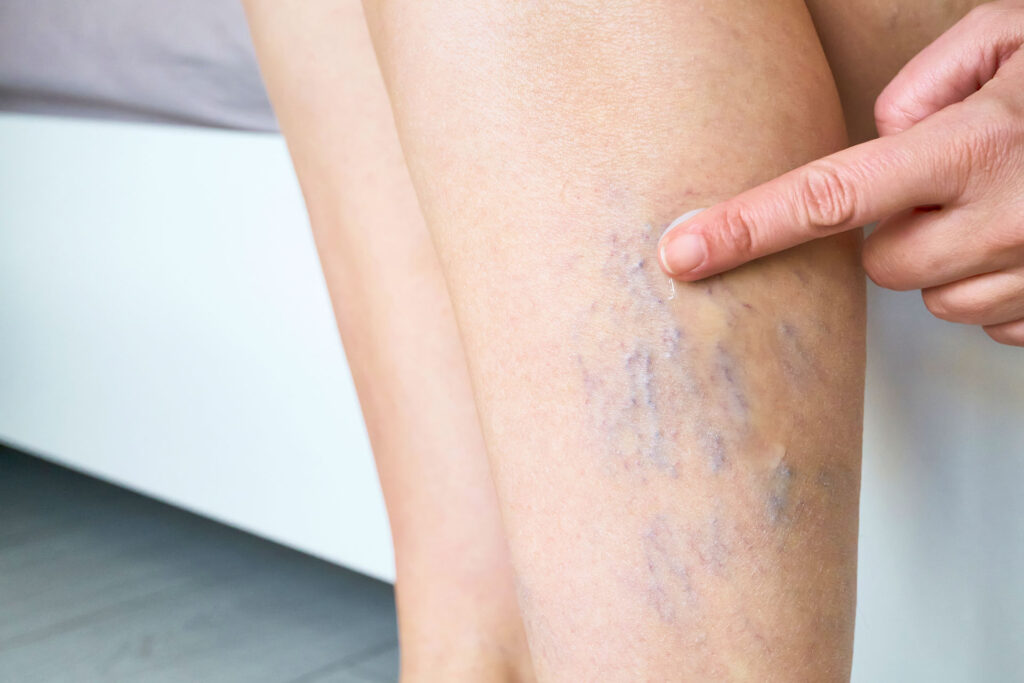
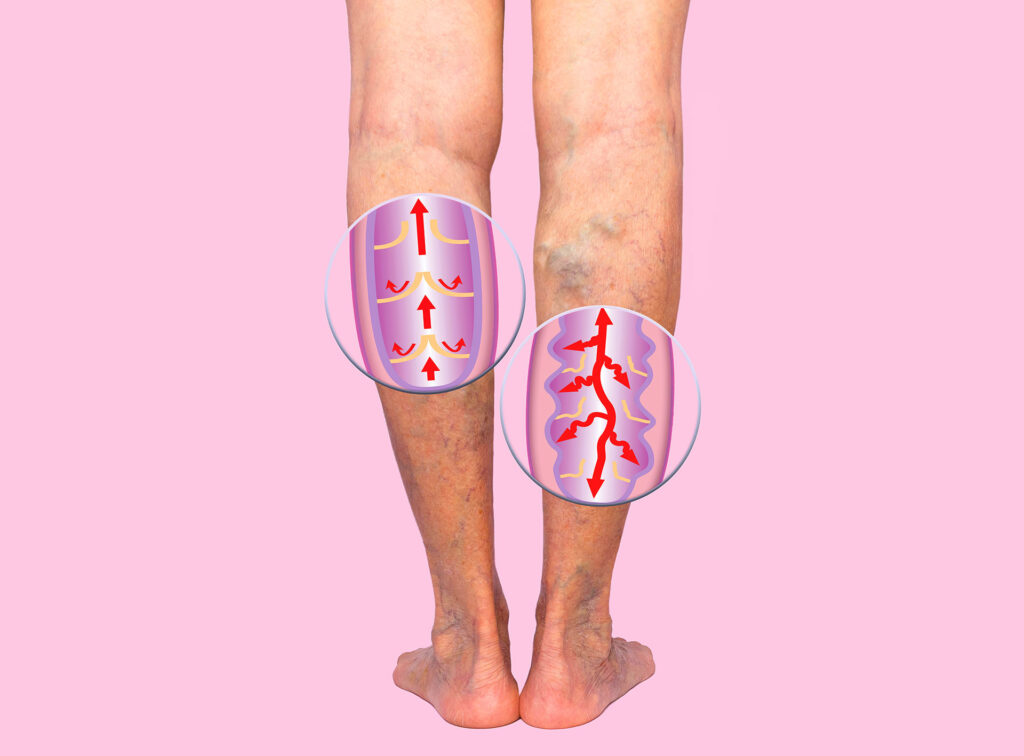
| Raised, twisted veins on the leg with aching and heaviness | Varicose veins | Schedule a vein consultation |
| Thin web-like veins near the ankle with no symptoms | Spider veins, possibly early venous pressure | Monitor, consider ultrasound |
| Red, tender cord along a visible vein | Superficial thrombophlebitis | See a doctor within days |
| Brown skin staining near the ankle alongside visible veins | Chronic venous insufficiency | Prompt vein specialist referral |
| Gradually increasing visibility with leg heaviness over months | Progressive venous insufficiency | Schedule evaluation |
Why Are My Veins So Visible All of a Sudden?
Sudden vein visibility usually has one of three explanations: a benign physical change (weight loss, dehydration, heat), a hormonal shift (pregnancy, menstrual cycle), or a vascular event requiring attention (DVT, thrombophlebitis). If the change appeared in one limb only, came with pain or swelling, or has no obvious lifestyle explanation, get it evaluated rather than waiting. In cases where persistent nerve discomfort develops alongside vascular changes, peripheral nerve stimulation is one approach pain specialists may consider.
Benign vs Concerning Visibility: A Quick Self-Check
Run through these questions before deciding whether to monitor or seek help.
Signs the visibility is likely benign:
- It affects both arms or both legs roughly equally
- You recently lost weight, exercised hard, or spent time in heat
- No accompanying pain, swelling, or skin changes
- It has been gradually increasing over months or years
- You are pregnant or recently were
- Your veins have always been somewhat visible
Signs worth getting evaluated:
- Visibility increased noticeably in one limb over days, not months
- The affected area is swollen, warm, or tender
- A specific vein feels hard or cord-like under the skin
- Skin near the ankle has changed color or texture
- You have aching, heaviness, or nighttime cramps alongside the visibility
- You recently had surgery, a long flight, or a period of bed rest
What Causes Veins to Be More Visible in Arms Versus Legs
Arm veins become prominent mainly through low body fat and exercise. The veins in the arm do not carry the same gravitational load as leg veins, so structural valve failure is much less common there. Visible arm veins are almost always a reflection of body composition rather than vascular disease.
Leg veins are different. They work against gravity constantly. Their valves bear significant mechanical stress over a lifetime. Visible leg veins, particularly on the inner thigh, calf, or ankle, carry a higher chance of reflecting venous pressure or valve dysfunction, especially when accompanied by any of the symptoms listed above.
Frequently Asked Questions
Do Visible Veins Mean Dehydration?
Dehydration can make veins more visible by reducing blood plasma volume, which lets vein walls sit closer to the skin surface. It is one possible explanation, particularly if the prominence appeared after a warm day or physical activity with low fluid intake. Drinking water and reassessing within a few hours will clarify whether hydration was the factor.
Am I Skinny If I Can See My Veins?
Not necessarily, though low body fat is one of the most common reasons veins show through the skin. Visible veins also appear with age-related skin thinning, exercise, heat, and fair complexion regardless of overall body weight. A lean build makes visibility more likely, but visible veins alone are not a reliable indicator of being underweight.
Why Are My Veins So Visible but I Don’t Have Varicose Veins?
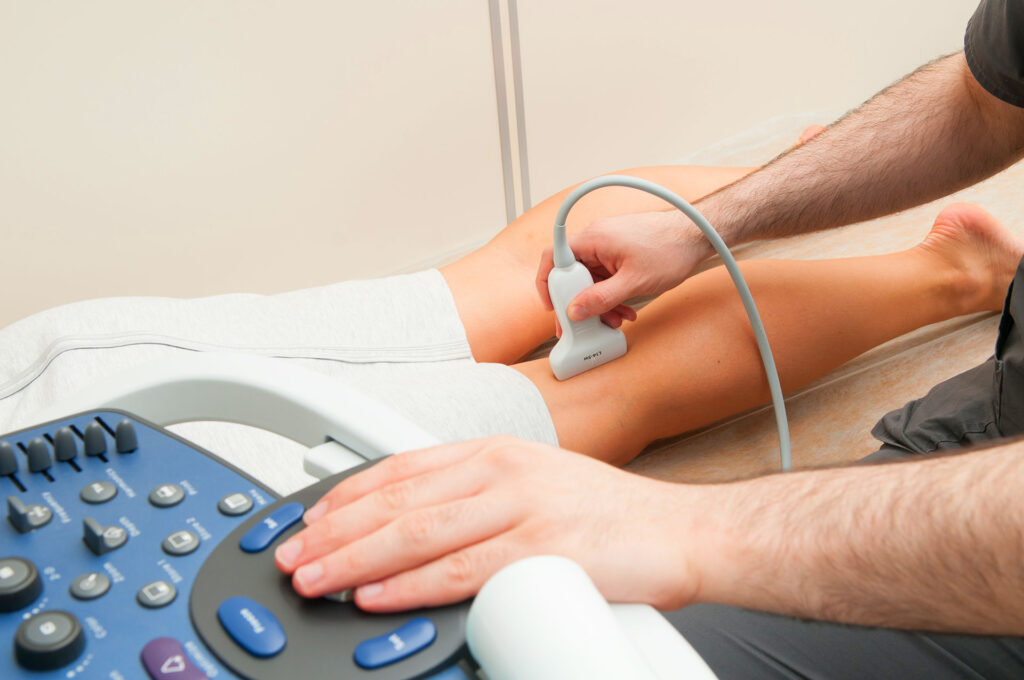
Veins can be clearly visible without being varicose. Varicose veins are specifically enlarged and structurally distorted by valve failure. Visible veins without bulging or twisting are often just superficially positioned due to thin skin, low fat, or elevated venous pressure that has not yet caused structural change. A duplex ultrasound can confirm whether underlying insufficiency is present.
Is It Normal to See Your Veins Through Your Skin?
Yes, for many people it is entirely normal. Fair skin, lean body composition, warm weather, and regular exercise all increase vein visibility without any medical significance. The key question is whether the visibility is stable and symptom-free, or whether it appeared suddenly, affects one limb, or comes with pain, swelling, or skin changes.
Why Are My Veins So Visible All of a Sudden?
Sudden vein visibility in both limbs usually reflects a physical change like weight loss, dehydration, or heat. Sudden visibility in one limb only, especially with swelling or tenderness, warrants same-day medical evaluation to rule out deep vein thrombosis. Gradual increase over weeks alongside leg heaviness points toward venous insufficiency. When nerve pain becomes part of the picture, targeted options like DRG stimulation can address localized discomfort that does not respond to standard treatment.
What Causes Veins to Be More Visible in Arms and Legs?
In the arms, the main drivers are low body fat, exercise-induced blood flow, and skin thinning with age. In the legs, those same factors apply but venous insufficiency and valve dysfunction also play a significant role. Leg veins bear gravitational pressure that arm veins do not, making vascular causes more common when leg vein visibility increases.