
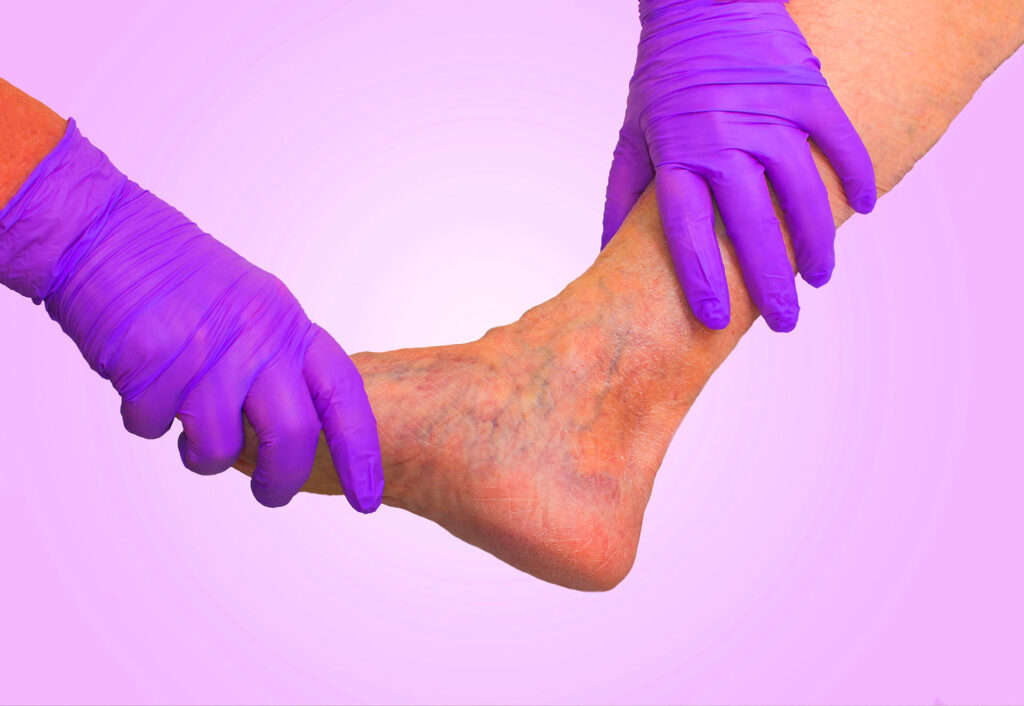
Have you ever glanced down at your legs and noticed veins that seem to be popping out more than usual? You’re not alone. Visible leg veins are one of the most common cosmetic and medical concerns adults face, affecting up to 50% of people over the age of 50. But what causes veins to be more visible in legs, and when should you be concerned?
Understanding Why Leg Veins Become More Visible
Veins are responsible for carrying deoxygenated blood back to your heart. In your legs, this is no easy task; your veins have to work against gravity to push blood upward. When this system functions poorly or when certain conditions affect your skin and circulation, veins can become more pronounced and visible through the skin.
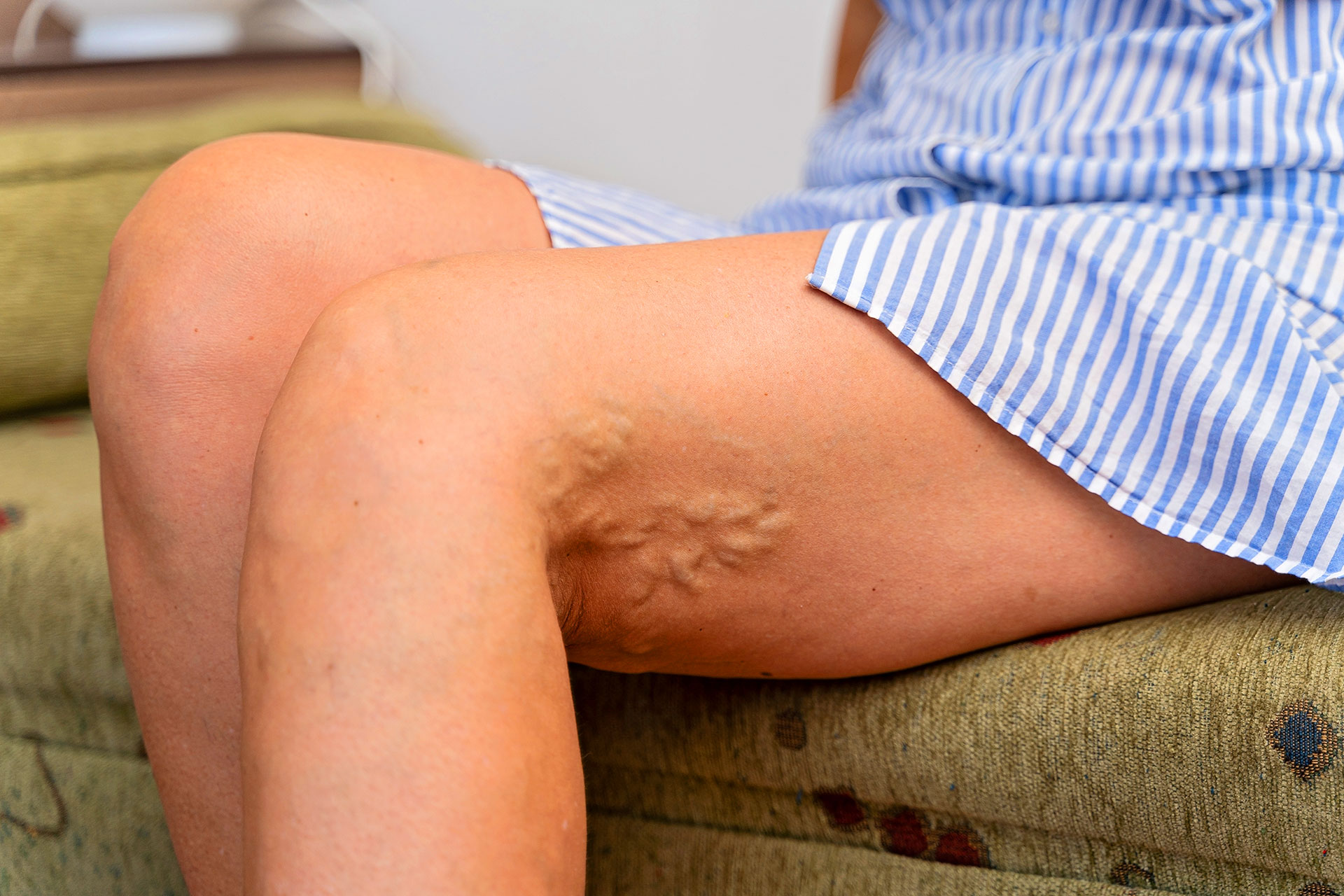
Visible leg veins typically fall into two categories: spider veins (small, web-like veins close to the skin’s surface) and varicose veins (larger, twisted, bulging veins). Both can signal underlying circulatory issues that deserve attention.
What Causes Veins to Be More Visible in Legs?
There isn’t a single cause behind prominent leg veins. Instead, it’s usually a combination of genetic, lifestyle, and physiological factors. Let’s break down the most common culprits.
1. Genetics and Family History
If your parents or grandparents had visible leg veins, there’s a strong chance you’ll experience them too. Genetics play a significant role in determining the strength and elasticity of your vein walls and valves. Studies show that if both parents had varicose veins, your risk increases to nearly 90%.
2. Aging and Loss of Skin Elasticity
As we age, several changes occur that make veins more noticeable:
- Skin becomes thinner and more translucent
- Vein walls weaken and lose elasticity
- One-way valves in veins become less efficient
- Subcutaneous fat decreases, exposing veins beneath
This combination means that even healthy veins can become more visible simply due to natural aging processes.
3. Prolonged Standing or Sitting
Jobs that require long hours of standing, such as nursing, teaching, retail, or hairstyling, put significant pressure on your leg veins. Similarly, sitting for extended periods (think office workers or long-distance drivers) restricts blood flow. Both situations force your veins to work harder, which can cause them to enlarge and become more visible over time.
4. Pregnancy
Pregnancy is a major contributor to visible leg veins for several reasons:
- Increased blood volume to support the baby
- Hormonal changes that relax vein walls
- Pressure from the growing uterus on pelvic veins
- Weight gain that puts additional strain on legs
While many pregnancy-related veins improve postpartum, some women find that visible veins persist or worsen with subsequent pregnancies.
5. Hormonal Fluctuations
Hormones, particularly estrogen and progesterone, can weaken vein walls. This is why women are more likely than men to develop visible veins. Birth control pills, hormone replacement therapy, and menopause can all influence vein health and appearance.
6. Obesity and Excess Weight
Carrying extra weight puts additional pressure on your leg veins, making it harder for blood to flow back to the heart. This increased pressure can cause veins to bulge, twist, and become more visible. Even a moderate weight gain can contribute to vein issues.
7. Sun Exposure
Prolonged sun exposure can break down collagen in your skin and damage capillaries, leading to spider veins, particularly on the face and legs. Fair-skinned individuals are especially susceptible to sun-induced vein visibility.
8. Low Body Fat and Intense Exercise
Interestingly, having very low body fat can also make veins more prominent. Athletes and bodybuilders often display highly visible veins simply because there’s less subcutaneous fat to obscure them. While this type of visibility isn’t usually a health concern, intense weightlifting can sometimes contribute to varicose veins by increasing abdominal pressure.
9. Injury or Trauma
Previous leg injuries, surgeries, or blood clots can damage vein valves and walls, leading to chronic venous insufficiency and more visible veins in the affected areas.
Did You Know? Chronic venous insufficiency affects approximately 40% of people in the United States, yet many cases go undiagnosed because people assume visible veins are merely cosmetic.
When Should You Worry About Visible Leg Veins?
Not all visible veins are cause for concern, but certain symptoms warrant medical attention. Watch for these warning signs:
- Pain or aching in the legs, especially after standing
- Swelling in the ankles or lower legs
- Heaviness or fatigue in the legs
- Itching or burning around visible veins
- Skin discoloration or hardening near the ankles
- Bleeding from a vein
- Open sores or ulcers near the veins
How to Prevent Veins From Becoming More Visible
While you can’t change your genetics or stop aging, you can take proactive steps to minimize vein visibility and protect your circulatory health.
Lifestyle Modifications
- Stay active: Regular exercise, especially walking, swimming, and cycling, improves circulation
- Elevate your legs: Raise your legs above heart level for 15-20 minutes several times daily
- Avoid prolonged standing or sitting: Take breaks to move around every 30 minutes
- Maintain a healthy weight: Reduces pressure on leg veins
- Wear compression stockings: Helps support vein function during long days
- Stay hydrated: Proper hydration supports healthy blood flow
- Limit high heels: Calf muscles work better in flat shoes, aiding circulation
Dietary Considerations
What you eat affects your vein health, too. Focus on foods rich in:
- Flavonoids (citrus fruits, berries, onions)
- Fiber (whole grains, vegetables, legumes)
- Vitamin C (peppers, leafy greens, kiwi)
- Vitamin E (nuts, seeds, avocado)
- Potassium (bananas, sweet potatoes, fish)
Reducing sodium intake also helps minimize water retention and swelling that can make veins more pronounced.
Treatment Options for Visible Leg Veins
Modern medicine offers several minimally invasive treatments that can dramatically reduce or eliminate visible leg veins. The right option depends on the type, size, and severity of your veins.
For smaller, web-like veins, there are excellent solutions available. If you’re looking for proven options to address those tiny capillaries, exploring the most effective spider vein treatments that really work can help you make an informed decision about which procedure best suits your needs and lifestyle.
Common treatment options include:
- Sclerotherapy: Injection of a solution that collapses small veins
- Laser therapy: Uses light energy to fade veins
- Radiofrequency ablation: Heat-based treatment for larger veins
- Endovenous laser treatment (EVLT): Minimally invasive option for varicose veins
- Vein stripping: Surgical removal for severe cases (rarely needed today)
Take Visible Veins Seriously
Understanding what causes veins to be more visible in legs is the first step toward healthier, better-looking legs. Whether your visible veins stem from genetics, lifestyle factors, hormonal changes, or aging, there are effective ways to manage and treat them. Don’t dismiss prominent leg veins as merely cosmetic; they can sometimes indicate underlying circulatory issues that benefit from professional evaluation.
By making smart lifestyle choices, monitoring symptoms, and seeking vein treatment when needed, you can keep your legs looking and feeling their best for years to come. If you’re concerned about your leg veins, schedule a consultation with a qualified vein specialist who can recommend a personalized treatment plan tailored to your unique situation.