
Reviewed by Dr. Amir Issa, MD, DABVLM, RPhS · CURA Vein Doctors · September 2026
A quick search for “veiny feet” turns up a lot of half-right theories, dehydration, heart trouble, bad circulation, all mixed together with genuinely useful information. Let’s sort out what’s actually true.
My Feet Are Veiny, Is That a Problem?
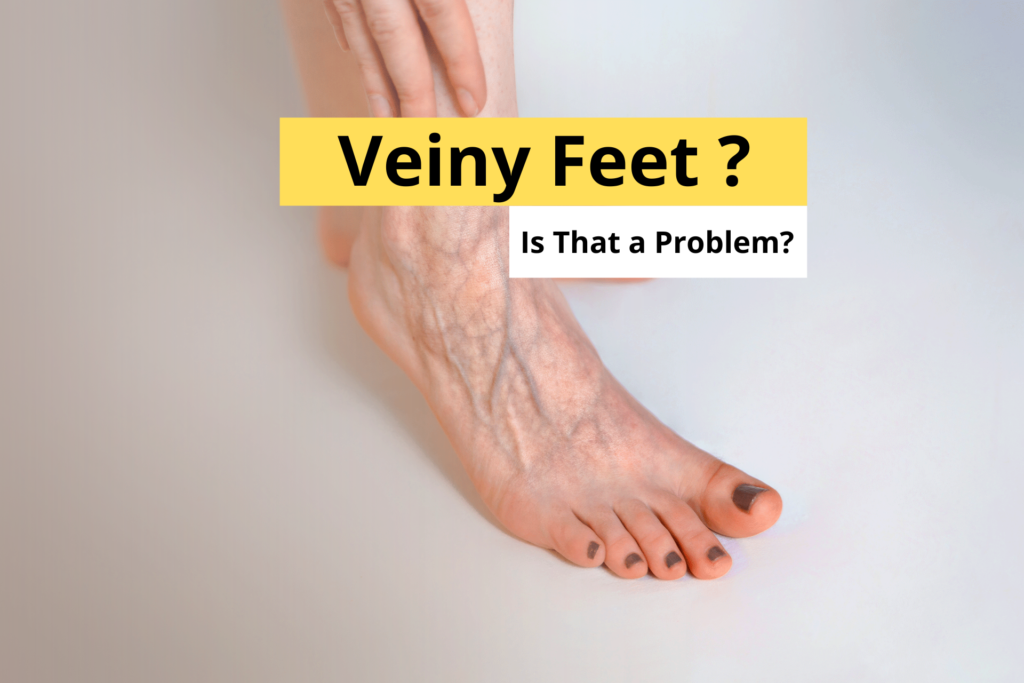
Usually not. Veiny feet are most often a normal result of thin skin, low body fat, heat, or activity, all of which let veins that were always there simply become visible. It becomes worth a closer look when the veins are bulging or rope-like rather than flat, or when they come with pain, swelling, or skin changes.
What Causes Veiny Feet?
- Natural aging. Skin thins and fat layers beneath it thin out over time, making veins more visible without any change to the vein itself.
- Exercise and activity. Increased blood flow temporarily enlarges veins during and shortly after exertion.
- Heat exposure. Warm weather or a hot shower causes veins to dilate, making them look bigger.
- Venous insufficiency. Weakened vein valves let blood pool in the lower leg and foot, which can cause visible veins alongside swelling and discomfort.
- Varicose veins. These enlarged, twisted veins most often show up in the legs but can develop in the feet too.
- Medical conditions. Deep vein thrombosis or a vascular malformation can also cause prominent veins, and both need prompt medical attention rather than a wait-and-see approach.
Does Veiny Foot Mean Dehydration?
Partly true
Dehydration can make veins temporarily more visible, since less fluid in your bloodstream means veins sit slightly closer to the surface, but it’s rarely the main reason feet look veiny day after day. If your feet look veiny only occasionally and it improves once you drink water, dehydration is likely playing a role. If the pattern is consistent regardless of how hydrated you are, thin skin or low body fat is the more likely explanation.
Do Bulging Foot Veins Mean Heart Problems?
Almost never directly
Visible foot veins are a local, surface-level phenomenon tied to skin thickness and superficial vein position, not a sign your heart is struggling. The one real exception: significant swelling in both feet, especially paired with shortness of breath or fatigue, can occasionally point toward heart or kidney function issues. Even then, it’s the leg swelling causing prominence that matters, not the vein pattern itself signaling cardiac trouble.
Normal vs Concerning Foot Veins at a Glance
| Sign | Normal | Concerning |
|---|---|---|
| Appearance | Flat, blue or green, more visible with activity or heat | Bulging, rope-like, or twisted |
| Symmetry | Similar on both feet | Notably worse on one foot |
| Pain | None | Aching, tenderness, or heaviness |
| Skin | Normal texture and color | Discoloration, warmth, or thickening |
| Change over time | Stable for months or years | Rapid or recent change |
What Do Unhealthy Veins Look Like?
Warning signs
- Bulging, rope-like, or twisted rather than flat and straight
- Skin that’s warm, red, or tender directly over the vein
- Swelling that doesn’t fully resolve overnight
- Skin darkening or a leathery texture near the ankle
- A vein that’s suddenly and dramatically more prominent than before
Is It Safe to Ignore Bulging Foot Veins?
Not if any of the warning signs above apply. Untreated venous insufficiency tends to progress gradually rather than resolve on its own.
| Stage | What Happens |
|---|---|
| Early | Cosmetic visibility only, no symptoms |
| Progressing | Swelling, aching, and heaviness by evening |
| Advanced | Skin discoloration, thickening, or venous ulcers near the ankle |
| Untreated long-term | Increased risk of blood clots, including deep vein thrombosis |
For a deeper look at how normal foot veins differ from ones that need evaluation, including how a vein specialist tells them apart, see our guide on that blue line on your foot.
How Are Veiny Feet Treated If It Is Vein Disease?
Diagnosis starts with a physical exam and a review of your symptoms, followed by a duplex ultrasound to check how blood is actually flowing through the vein. If venous insufficiency is confirmed, treatment is matched to severity rather than one-size-fits-all:
- Compression therapy. Often the first step for mild cases, reducing swelling and supporting blood flow.
- Sclerotherapy. An injection that closes smaller problem veins, well suited to spider or small varicose veins in the foot.
- Endovenous ablation. Uses heat to close a larger diseased vein feeding the visible pattern, for more significant cases.
When Should You See a Doctor of Veins About Veiny Feet?
See a doctor of veins if a foot vein is bulging rather than flat, comes with leg pain or swelling, or has changed noticeably in a short time. A vein specialist can check blood flow with a simple ultrasound and tell you definitively whether it’s cosmetic or something that needs treatment.

Frequently Asked Questions
Does veiny foot mean dehydration?
Sometimes, temporarily. If it fluctuates with how hydrated you are, that’s likely the cause. A consistent pattern points more toward thin skin or low body fat.
Do bulging foot veins mean heart problems?
Almost never directly. It’s a local, surface-level change, not a cardiac signal, except in cases of significant bilateral swelling with other systemic symptoms.
What do unhealthy veins look like?
Bulging, rope-like, or twisted, often with warmth, tenderness, swelling, or skin discoloration nearby, rather than a flat, painless line.
Is it safe to ignore bulging foot veins?
Not indefinitely. Left untreated, the underlying vein disease tends to progress gradually rather than improve on its own.
A quick ultrasound settles the question for good. Call CURA Vein Doctors at +1 973-363-2029 or use the contact page to get your feet checked.