
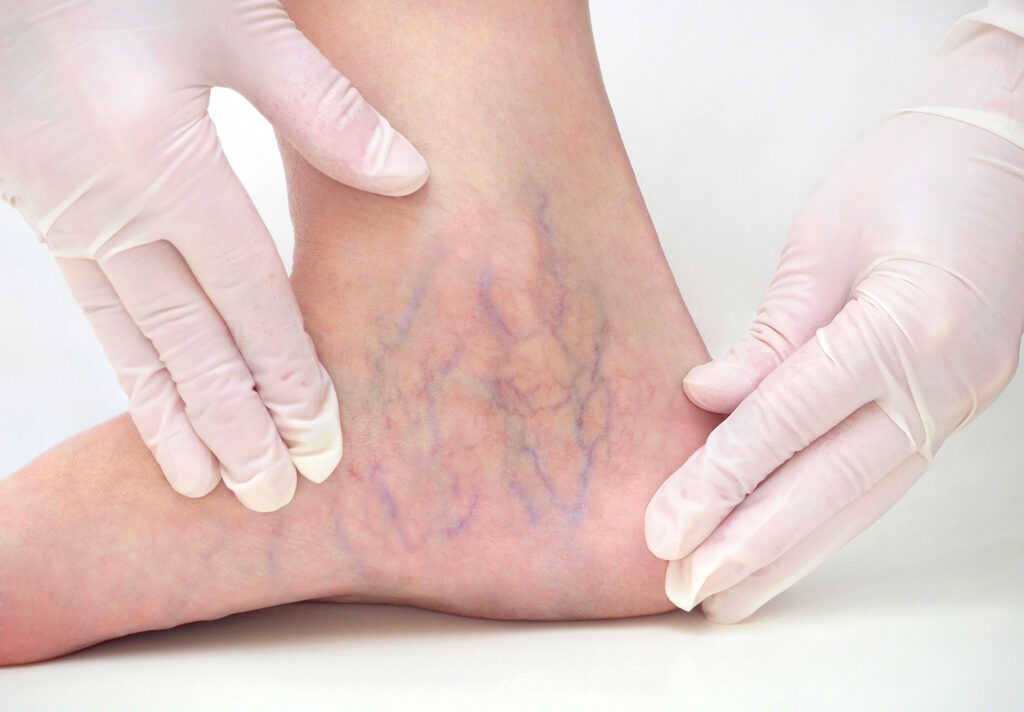
Ever glanced down at your foot and noticed a squiggly blue or greenish line snaking across the top of it? Maybe it looked more prominent after a long run, a hot shower, or standing all day at work. Before you spiral into a late-night search panic, take a breath. That mysterious little line is probably just your body doing exactly what it’s designed to do.
What is a blood vessel in the foot?
A blood vessel in the foot is a vein or artery that carries blood to and from the foot to support circulation. Veins return blood to the heart, while arteries deliver oxygen-rich blood downward. Visible veins are usually harmless, but pain, swelling, or discoloration may signal a circulation issue.
Why Can You Suddenly See a Blood Vessel in Your Foot?
The skin on the top of your foot is thin. There’s not a ton of fat padding hiding what’s underneath, which means veins and sometimes small arteries can peek through more easily than they do on, say, your thigh or forearm.
Several everyday factors make these vessels more visible:
- Heat exposure: Warm showers, hot weather, or sitting near a fire pit cause veins to dilate.
- Standing or exercise: Gravity pulls blood downward, and increased blood flow during activity swells surface veins temporarily.
- Low body fat: Athletes and lean individuals often have more visible vascular patterns simply because there’s less tissue in the way.
- Aging skin: As skin loses collagen and elasticity over time, veins become easier to spot.
- Genetics: Some people are just born with thinner skin or naturally closer-to-the-surface veins.
Veins vs. Arteries: Knowing the Difference
Not every visible line on your foot is the same type of vessel, and understanding the distinction helps you know what’s normal.
Veins
Veins carry deoxygenated blood back toward your heart. They tend to appear blue, green, or purple through the skin and are usually the ones you notice bulging after a workout or a warm bath.
Arteries
Arteries pump oxygen-rich blood away from the heart toward your extremities. You typically can’t see arteries through the skin, but you can feel their pulse, particularly the dorsalis pedis artery on the top of the foot, which doctors often check to assess circulation.
When a Visible Blood Vessel Is Nothing to Worry About
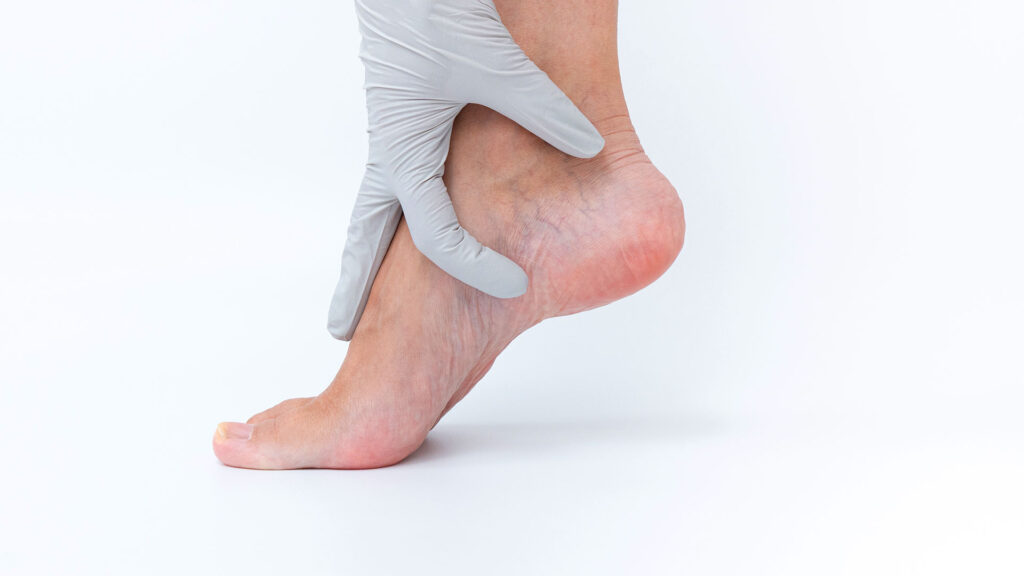
In most cases, a visible vein on the foot is purely cosmetic. If it doesn’t hurt, doesn’t change shape dramatically, and isn’t accompanied by swelling or skin color changes, it’s likely just anatomy on display.
That said, some people develop more prominent, twisted, or rope-like veins over time. If you’ve noticed similar changes creeping up your legs, it’s worth learning more about bulging veins in the legs, since foot and leg vein issues are often connected and share many of the same underlying causes.
Warning Signs That Signal a Real Problem
While a visible vein is often harmless, your foot can also flag genuine circulatory trouble. When evaluating these changes, understanding chronic vs. acute pain helps you recognize whether discomfort is a sudden flare-up or a long-term issue. Pay attention if you notice any of the following:
- Persistent swelling in one or both feet that doesn’t go down with rest
- Throbbing pain or heaviness, especially by the end of the day
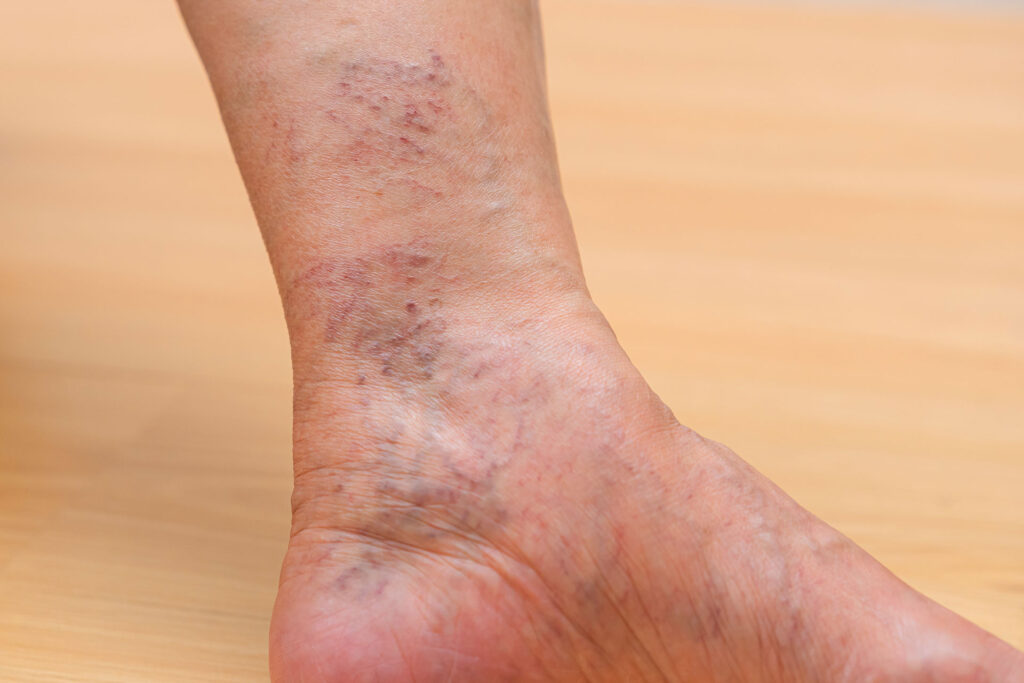
- Skin discoloration, such as a bluish, reddish, or dark brown tint
- Coldness in one foot compared to the other, which may suggest poor arterial flow
- Slow-healing wounds or sores near the ankle or foot
- A vein that suddenly becomes hard, warm, or tender to touch, which could indicate a blood clot
None of these symptoms are meant to alarm you unnecessarily, but they are worth a conversation with a vein specialist rather than a guessing game with search engines.
Common Conditions Linked to Foot Vein Changes
Several medical conditions can affect how blood vessels in the foot look and function.
Chronic Venous Insufficiency
This happens when the valves inside your veins weaken, allowing blood to pool instead of flowing efficiently back to the heart. Chronic Venous Insufficiency often starts in the legs but can extend down into the feet and ankles.
Peripheral Artery Disease (PAD)
PAD narrows the arteries that supply blood to your limbs. It can cause coldness, numbness, or cramping in the feet, particularly during walking.
Deep Vein Thrombosis (DVT)
A blood clot in a deeper vein can occasionally extend toward the foot, causing sudden swelling, warmth, and pain. This is considered a medical emergency.
How to Support Healthy Circulation in Your Feet
Whether or not you’re dealing with a diagnosed issue, a few simple habits go a long way toward keeping blood flowing smoothly.
- Move regularly. Even short walks throughout the day prevent blood from pooling.
- Elevate your feet when resting, especially after long periods of standing.
- Stay hydrated, since thicker blood circulates less efficiently.
- Wear supportive, well-fitted shoes rather than tight or restrictive footwear.
- Consider compression socks if you’re prone to swelling or spend long hours on your feet.
Keeping your lower body active is great for circulation, but dealing with sudden joint flare-ups can slow you down. Knowing how to get rid of knee pain fast makes it much easier to maintain your daily walking and exercise routines without missing a beat.
When to See a Specialist
If a visible blood vessel in your foot comes with pain, rapid changes, or any of the warning signs mentioned earlier, it’s time to get it checked out. A vein specialist can perform a simple ultrasound to evaluate blood flow and rule out clots or valve dysfunction. Catching circulatory issues early almost always leads to easier, less invasive treatment.
Frequently Asked Questions
Is it normal to see a blood vessel in my foot?
Yes, in most healthy individuals, thin skin and normal blood flow make certain veins visible, especially after standing, exercise, or heat exposure.
What does a bulging vein in the foot mean?
A bulging vein can simply be a superficial vein under thin skin, but if it’s painful, hard, or swollen, it could indicate venous insufficiency or a clot and should be evaluated.
Can poor circulation cause visible veins in the feet?
Yes. Conditions like chronic venous insufficiency can cause veins to enlarge and become more visible due to blood pooling instead of flowing properly back toward the heart.
Should I worry about a blue vein on top of my foot?
Not usually. Blue veins are typically just normal veins showing through the skin. Concern arises only if there’s accompanying pain, swelling, or skin discoloration.
How can I tell if it’s a vein or an artery issue?
Veins usually appear as blue or greenish lines, while artery problems often cause coldness, numbness, or pain during activity rather than visible discoloration.
Final Thoughts
Seeing a blood vessel in your foot is usually nothing more than your circulatory system doing its job in a very visible way. Thin skin, heat, activity, and genetics all play a role in how noticeable these vessels become. However, persistent pain, swelling, or color changes are your body’s way of asking for a closer look. Staying active, hydrated, and aware of changes in your feet is the simplest way to keep your circulation, and your peace of mind, in good shape.