
Reviewed by Dr. Amir Issa, MD, DABVLM, RPhS · CURA Vein Doctors · Updated September 2026.
A catheter, some heat or adhesive, and about an hour, that’s most of what endovenous ablation actually involves. The bigger question people have isn’t really how it works, it’s whether it hurts, whether it’s worth it, and what happens months or years down the line.
What Is an Endovenous Ablation?
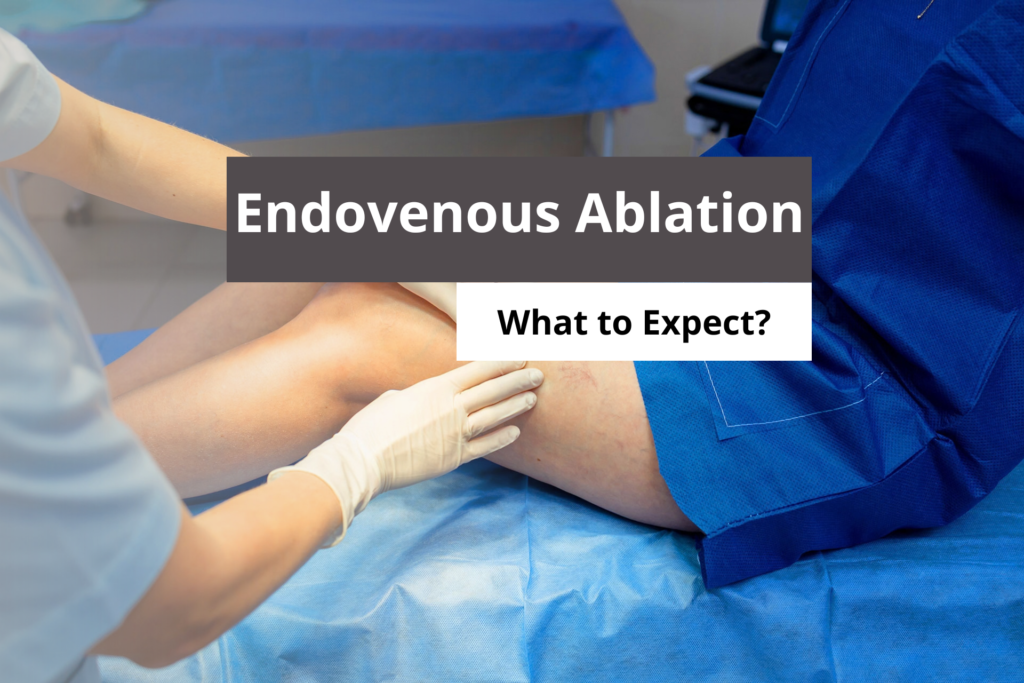
Endovenous ablation is a minimally invasive procedure that closes a diseased vein using heat (radiofrequency or laser) or medical adhesive, delivered through a thin catheter guided by ultrasound. Once sealed, the vein is naturally reabsorbed by the body, and blood reroutes through healthier veins nearby. It’s the standard treatment for varicose veins caused by an underlying faulty vein.
How Painful Is Endovenous Ablation?
1.3 out of 10
The average patient-reported pain score for radiofrequency ablation, based on the Wong-Baker pain scale used in a published clinical study. Most patients describe the sensation as mild pressure or warmth rather than sharp pain, especially since the area is numbed beforehand.
What Happens During and After the Procedure?
- The treatment area is numbed with local anesthetic
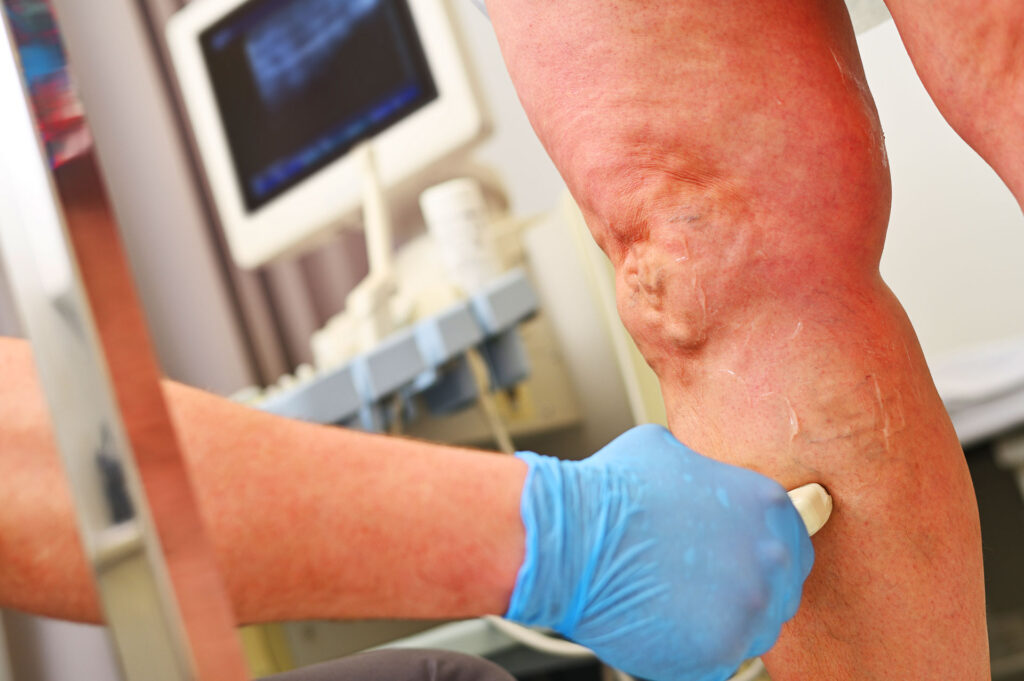
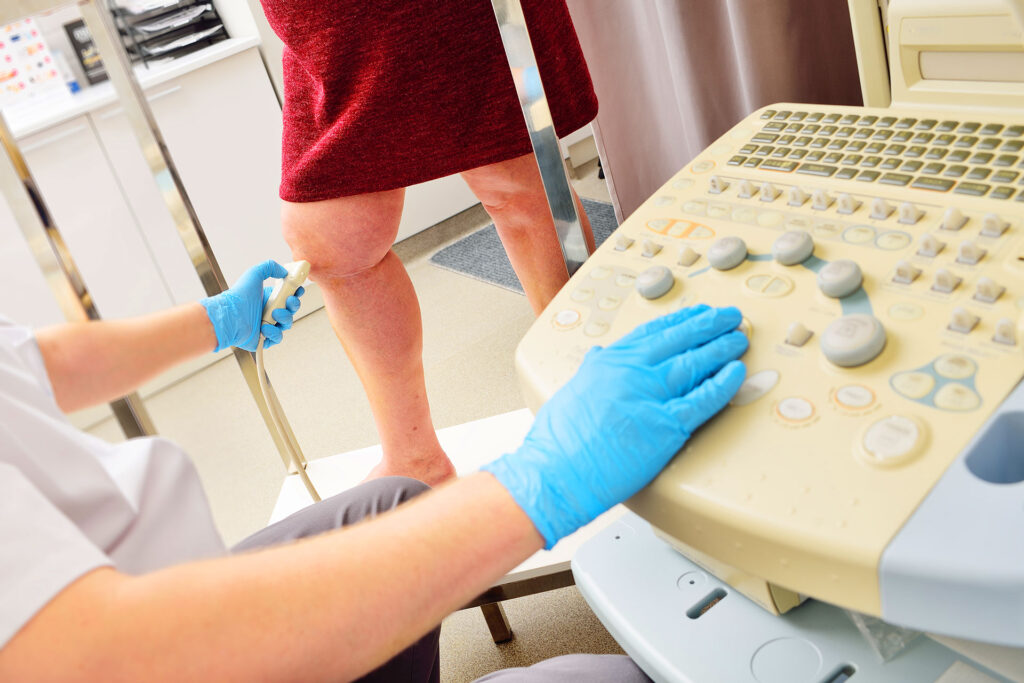
- A thin catheter is guided into the diseased vein using ultrasound
- Heat or medical adhesive is delivered along the vein to seal it shut
- A compression bandage or stocking is applied to the leg
- Most patients walk out the same day and resume light activity immediately
How Long Does It Take to Recover from Vein Removal in the Legs?
| Timeframe | What to Expect |
|---|---|
| Day 1 | Light walking encouraged, compression stocking worn, avoid strenuous activity |
| Days 2 to 3 | Mild soreness or bruising possible, most people return to desk work |
| 1 week | Most swelling and bruising resolves, normal activity typically resumes |
| 2 to 4 weeks | Full recovery for most patients, treated vein visibly fading |
| 3 to 12 months | Vein fully reabsorbed, final cosmetic results visible |
What Are the Long-Term Side Effects of Endovenous Ablation?
Under 1%
The rate of serious blood clot complications reported in a large registry study of over 33,000 endovenous ablations, according to research published via the National Library of Medicine. Minor, temporary effects like bruising, tingling, or soreness are far more common and resolve within days to weeks.
- Skin discoloration along the treated vein, which usually fades over months
- Nerve irritation causing temporary numbness or tingling near the treatment site
- Vein re-opening (recanalization), an uncommon delayed effect that can happen years later
- New veins developing elsewhere, since ablation treats the vein disease present, not future risk
How Effective Is Endovenous Ablation Long-Term?
| Time Since Treatment | Vein Closure Rate |
|---|---|
| Immediately after | Over 95% technical success |
| 2 years | Around 94 to 95% remain closed |
| 5 years | Roughly 78% remain closed without reflux recurrence |
Is Leg Vein Ablation Worth It?
99%
The vein closure success rate reported in clinical studies of radiofrequency ablation, with most patients seeing significant symptom relief, less pain, swelling, and heaviness, within weeks. Weighed against a low complication rate and a short recovery, most people who qualify for treatment find it worthwhile.
When Should You See a Doctor of Veins About Endovenous Ablation?
See a doctor of veins if you’ve been told you have a diseased vein but aren’t sure ablation is the right next step. A vein specialist can review your ultrasound results and walk through the realistic pain, recovery, and success rates for your specific case, comparing ablation to other options like VenaSeal or sclerotherapy.
Frequently Asked Questions
How painful is endovenous ablation?
Most patients rate it around 1 to 2 out of 10 on standard pain scales. The area is numbed beforehand, so most people feel pressure or warmth rather than sharp pain.
Is leg vein ablation worth it?
For most people with a diagnosed diseased vein, yes. Success rates around 99%, low complication risk, and quick recovery make it worthwhile for those who qualify.
What is an endovenous ablation?
It’s a minimally invasive procedure that uses heat or medical adhesive to close a diseased vein, redirecting blood flow through healthier veins nearby.
How long does it take to recover from vein removal in the legs?
Most people resume normal activity within a week. Full recovery, including fading of the treated vein, typically takes two to four weeks.
CURA Vein Doctors performs endovenous ablation and can review your ultrasound to confirm whether it’s the right treatment for your veins. Call +1 973-363-2029 or use the contact page to schedule a consultation.
References
- The Effectiveness of Endovenous Radiofrequency Ablation Application in Varicose Vein Diseases of the Lower Extremity. National Library of Medicine. ncbi.nlm.nih.gov/pmc/articles/PMC7216314
- Safety and Efficacy of Endovenous Ablation in Patients With a History of Deep Vein Thrombosis. Journal of Vascular Surgery: Venous and Lymphatic Disorders. sciencedirect.com/science/article/pii/S2213333X24002166
- Risk Factors Associated With Postoperative Complications Following Endovenous Laser Ablation for Varicose Veins, five-year recurrence data. National Library of Medicine. ncbi.nlm.nih.gov/pmc/articles/PMC12429695