
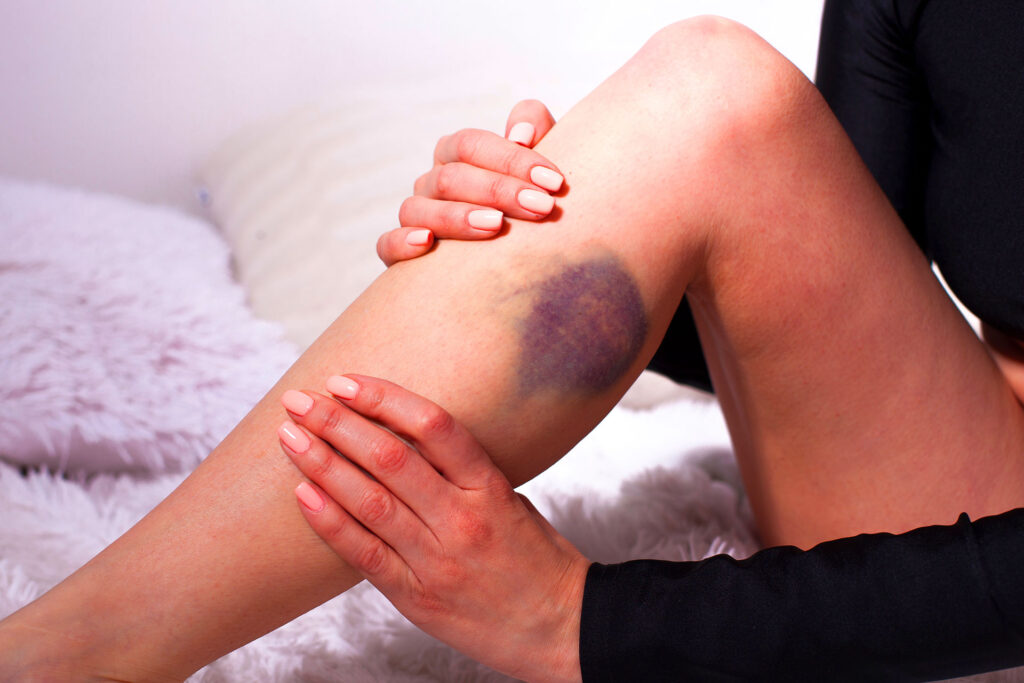
A dark mark shows up on your leg, and you can’t quite remember bumping into anything. Is it just a bruise? Could it be something more serious, like a blood clot? Bruises and blood clots in the legs can look surprisingly alike at first glance, but the two come from completely different processes inside your body, and mixing them up can be risky.
One heals on its own within a couple of weeks. The other can turn into a medical emergency if it goes unnoticed. So, how to spot the difference and know exactly when to get checked?
Bruise or Blood Clot in the Leg: How Can You Tell the Difference?
A bruise usually follows a bump or fall, stays flat under the skin, and fades from purple to green to yellow over one to two weeks. A blood clot often appears with no clear injury, causes swelling and warmth in just one leg, and the pain tends to worsen instead of improving day by day.
What Does a Bruise on the Leg Look Like?
A bruise, or contusion, forms when a bump or impact breaks tiny blood vessels under the skin. Blood leaks into the surrounding tissue instead of staying inside the vessel, and that trapped blood is what you see as discoloration.
- Starts reddish, then turns purple or blue within a day
- Fades to green, then yellow, as it heals
- Tender to the touch at first, less painful as the color fades
- Stays flat, without significant swelling of the whole leg
- Usually clears up within one to two weeks
Frequent bruising with no clear cause, or bruises far larger than the injury that caused them, can point to a bleeding disorder or a medication side effect and deserves a look from a doctor.
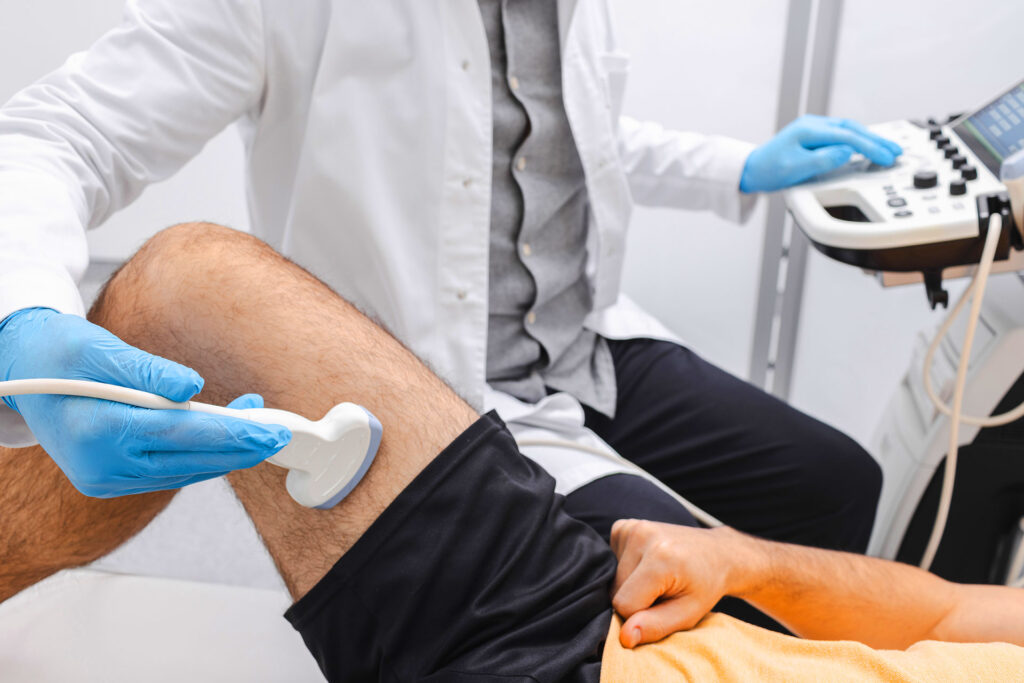
Visual signs of a blood clot in the leg
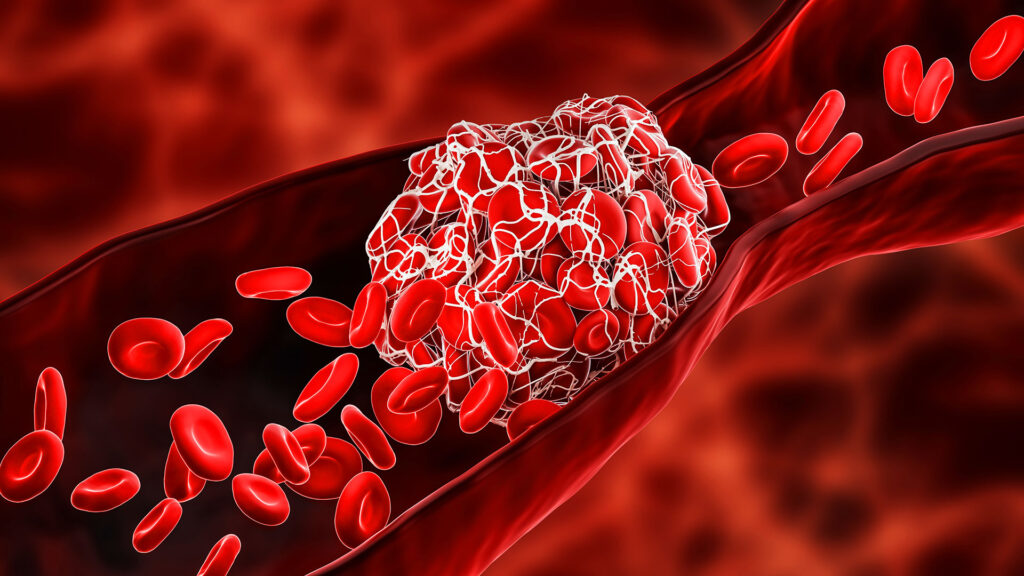
A blood clot in a deep leg vein, known as deep vein thrombosis or DVT, behaves nothing like a bruise. It forms inside the vein itself, often with no visible injury at all, and it can quietly cut off normal blood flow.
- Swelling in one leg, often more noticeable in the calf
- Pain that feels like a deep ache or a cramp, and gets worse rather than better
- Skin that looks red or slightly discolored, without the purple-to-yellow progression of a bruise
Bruise vs Blood Clot: Side-by-Side Comparison
| Feature | Bruise | Blood Clot (DVT) |
|---|---|---|
| Cause | Bump, fall, or direct impact | Forms inside the vein, often without injury |
| Color pattern | Purple to green to yellow over days | Red or dusky, no clear color progression |
| Swelling | Minimal, stays near the injury | Noticeable swelling in the whole leg |
| Pain pattern | Improves as the days pass | Stays steady or worsens |
| Warmth | Rarely present | Common over the affected vein |
| Timeline | Fades within one to two weeks | Gets worse without treatment |
Can a Bruise Turn Into a Blood Clot?
Not directly. A bruise involves bleeding under the skin, while a blood clot forms inside a blood vessel, so one doesn’t simply become the other. That said, a few situations raise the risk of both happening at once.
- A deep, severe bruise (hematoma) after major trauma
- Staying immobile after an injury or surgery
- An inherited clotting disorder
- Blood-thinning medications that make bruising easier
If a bruise keeps growing, feels unusually firm, or comes with swelling that spreads beyond the bruised area, it’s worth getting checked rather than waiting it out.
What Raises Your Risk of a Blood Clot in the Leg?
- Age over 60
- Recent surgery, especially hip, knee, or abdominal procedures
- Long periods of immobility, like extended flights or bed rest
- Pregnancy or hormone-based medications, including birth control and hormone therapy
- Obesity and smoking
- A personal or family history of blood clots
- Active cancer or cancer treatment
More than a third of new blood clot cases show up within weeks of a hospital stay, which is why patients recovering from surgery are told to get moving again as soon as it’s safe.
Warning Signs That Need Emergency Care
Get emergency care right away if you notice:
- Sudden swelling in one leg with no clear cause
- Skin that feels warm, tight, or looks reddened over a deep ache
- Chest pain, shortness of breath, or a rapid heartbeat, which can mean the clot has reached the lungs
- Sudden, severe leg pain paired with pale or bluish skin
- Coughing that brings up blood
A clot that travels to the lungs, called a pulmonary embolism, can be fatal within hours. Don’t wait to see if these symptoms pass on their own.
How Are Bruises and Blood Clots Treated?
| Bruise Treatment | Blood Clot Treatment |
|---|---|
| Ice for the first 24 hours | Blood-thinning medication (anticoagulants) |
| Rest and elevation | Compression stockings to reduce swelling |
| Gentle movement once swelling settles | Regular ultrasound monitoring |
| Medical evaluation if bruising is frequent or unexplained | In severe cases, clot-dissolving medication or a minimally invasive procedure |
How Can You Lower Your Risk of Blood Clots?
Most leg bruises are nothing to worry about, and a few simple habits go a long way toward preventing clots too. Get up and move during long flights or car rides, wear compression stockings if you’re prone to swelling, stay hydrated, and follow your doctor’s guidance on movement after surgery. If you’re already managing varicose veins or venous insufficiency, keeping that condition under control lowers your clot risk as well.
When Should You See a Doctor of Veins for a Leg Bruise or Blood Clot?
See a doctor of veins if a bruise won’t fade after two weeks, spreads beyond the bruised area, or comes with warmth, one-sided swelling, or worsening pain. A vein specialist can run a quick ultrasound to check blood flow and rule out a clot before it becomes a bigger problem.
At CURA Vein Doctors, evaluating unexplained leg symptoms is part of everyday practice, not a last resort. Catching a clot early, or confirming that a mark really is just a bruise, both start with the same simple scan.
Frequently Asked Questions
Can a bruise turn into a blood clot?
Not directly. Bruising happens under the skin while clots form inside a vein, though severe trauma or long immobility can raise the risk of both.
How do you tell if a bruise is actually a blood clot?
A bruise fades through purple, green, and yellow within two weeks. A clot usually brings swelling, warmth, and pain that worsens instead of improving.
What does a blood clot in the leg feel like compared to a bruise?
A clot often feels like a deep cramp or ache that intensifies with walking. A bruise is tender at first but grows less painful as it heals.
Can a blood clot happen without a visible bruise?
Yes. Many clots form with no external mark at all, showing up only as swelling, warmth, or pain in one leg.
How long should a leg bruise take to heal before you worry?
Most bruises clear up within one to two weeks. One that lingers, keeps growing, or shows up with no known cause is worth having checked.
Is a bruise with no known cause a warning sign?
It can be. Bruising that appears without an injury, especially if it happens often, may point to a clotting issue or another underlying condition.
Not sure whether that mark on your leg is something to watch or something to treat? Schedule a visit with CURA Vein Doctors or call +1 973-363-2029 and get a clear answer fast.