
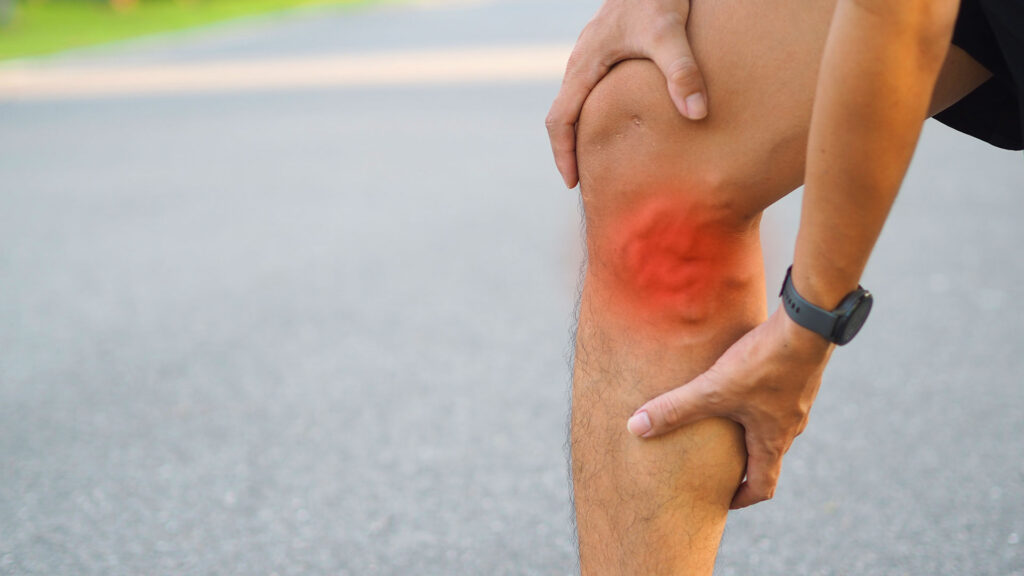
A cramp that won’t quit. A leg that suddenly looks puffier than the other. It’s easy to brush off leg pain as a pulled muscle or a long day on your feet, but a blood clot can feel deceptively similar to something minor right up until it isn’t. Here’s how to actually tell the difference.
What Does a Blood Clot in the Leg Feel Like?
A blood clot in the leg often feels like a deep, steady cramp or ache in the calf that doesn’t ease with rest, paired with swelling, warmth, and sometimes a heavy or tight sensation. The pain usually gets worse when walking or flexing your foot upward, and it typically affects only one leg.
The 5 Warning Signs of a Blood Clot in the Leg
A deep vein clot usually shows up as some combination of these five signs, almost always in just one leg.
- Swelling. One leg noticeably larger than the other, often starting at the calf or ankle.
- Pain or cramping. A deep ache that feels like a charley horse and doesn’t fade.
- Warmth. The skin over the area feels warmer than the skin around it.
- Skin discoloration. Redness, a bluish tint, or a purplish patch over the clot.
- Heaviness or tightness. The leg feels hard to move or unusually full.
What Can Be Mistaken for a Blood Clot in the Leg?
Several common conditions cause similar symptoms, which is exactly why so many clots get dismissed as something minor.
| Condition | How It Differs From a Blood Clot |
|---|---|
| Muscle strain or charley horse | Eases with rest and stretching, usually improves within a day or two |
| Cellulitis (skin infection) | Often comes with fever and spreading redness with a defined border |
| Bruise or hematoma | Follows a known injury and changes color through purple, green, and yellow |
| Varicose vein flare-up | Visible bulging veins with aching that improves when legs are elevated |
| Lymphedema | Usually affects both legs, develops gradually, rarely feels warm or red |
How Blood Clot Symptoms Progress
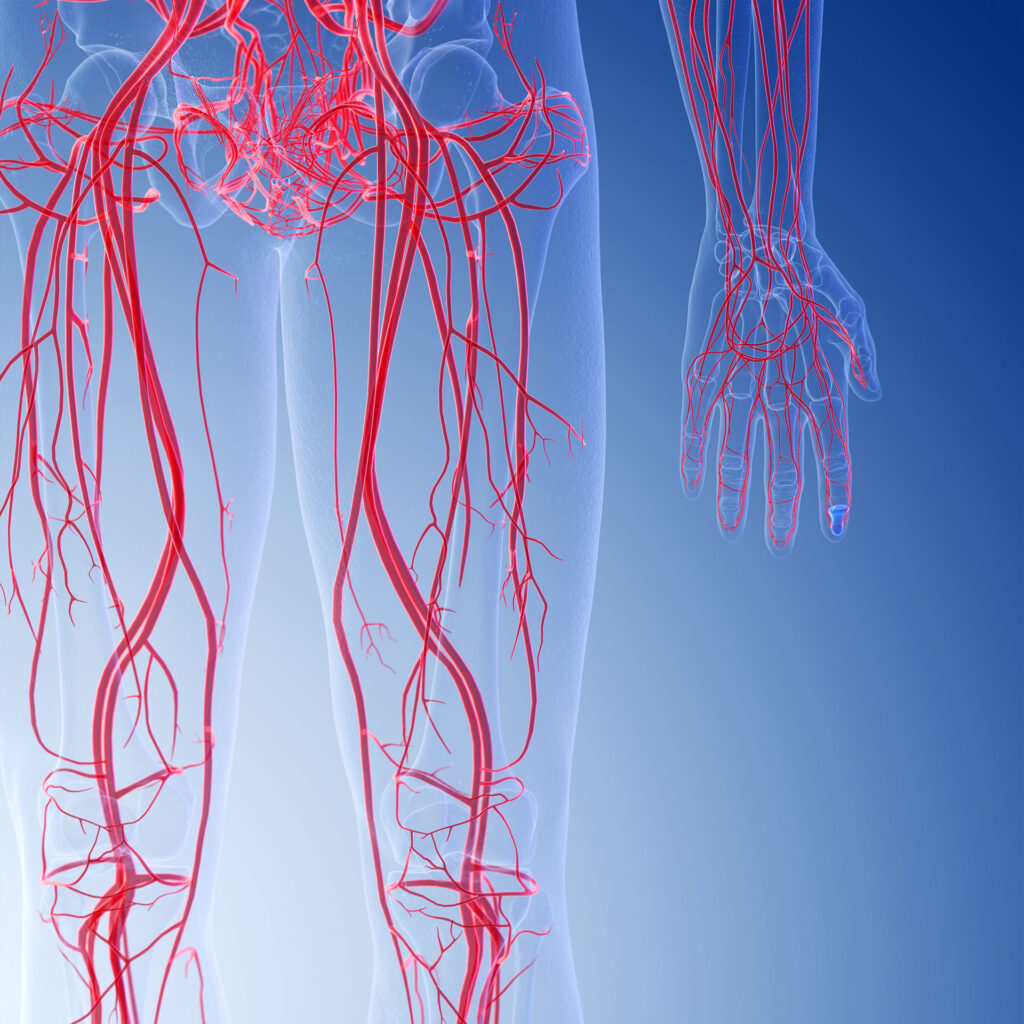
Symptoms don’t always start severe. They tend to build, which is part of what makes early blood clots easy to overlook.
| Stage | What You Might Notice |
|---|---|
| Early | Slight swelling, calf tightness, a mild ache that’s easy to dismiss |
| Moderate | Visible swelling in one leg, warmth, cramp-like pain that doesn’t ease with rest |
| Advanced | Skin turns red or bluish, the leg feels tense or hard, pain worsens with standing or walking |
| Clot has traveled (PE) | Sudden shortness of breath, chest pain, rapid heartbeat, this is a 911 emergency |
When to Call 911
Call 911 immediately if you notice:
- Sudden shortness of breath
- Sharp chest pain that worsens with breathing or coughing
- A rapid or irregular heartbeat
- Coughing up blood
- Feeling faint, dizzy, or unusually sweaty
These signs can mean the clot has traveled to the lungs, a pulmonary embolism, which is a life-threatening emergency.
What to Do While You Wait for Evaluation
Avoid massaging or rubbing the area if you suspect a clot, since this can dislodge it and raise the risk of it traveling to the lungs. Elevate the leg if it’s comfortable, stay hydrated, and avoid long stretches of sitting or standing until you’ve been checked. These steps won’t replace treatment, but they lower your risk while you get in to see a doctor.
When Should You See a Doctor of Veins About Leg Pain or Swelling?
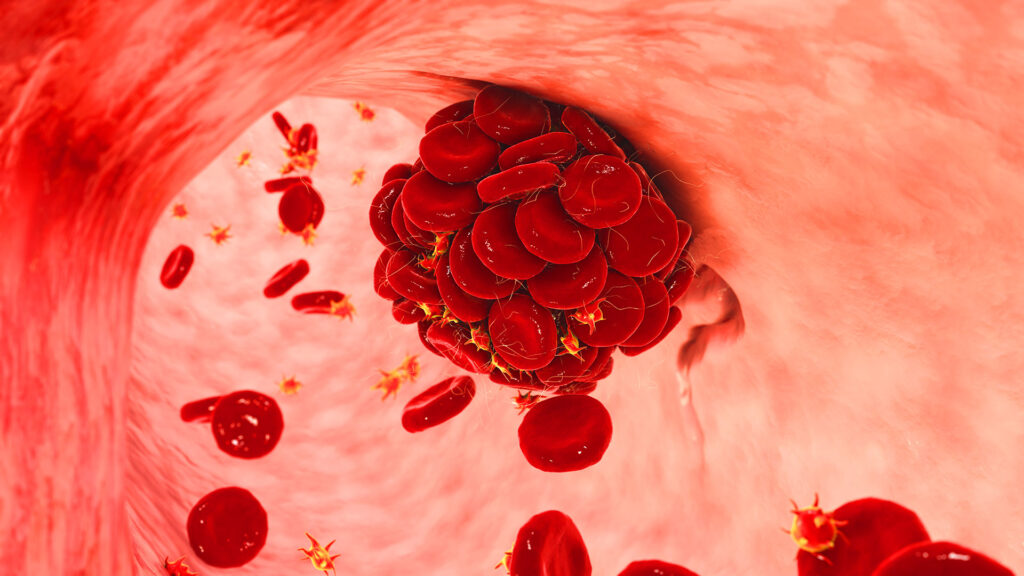
See a doctor of veins if you notice swelling, warmth, or cramp-like pain in one leg that doesn’t improve within a day, especially with no clear injury behind it. A vein specialist can confirm or rule out a clot in minutes with a duplex ultrasound, rather than leaving you guessing. At CURA Vein Doctors, that scan is often same-day, because clot symptoms aren’t something worth sitting on.
Frequently Asked Questions
How do you tell if a blood clot is in your leg?
Look for swelling, warmth, and cramp-like pain in just one leg that doesn’t ease with rest. A vein or vascular specialist can confirm it in minutes with a duplex ultrasound.
What are the five warning signs of a blood clot?
Swelling, pain or cramping, warmth, skin discoloration, and a feeling of heaviness or tightness in one leg are the five classic warning signs of a blood clot.
What can be mistaken for blood clots in legs?
Muscle strains, cellulitis, bruises, varicose vein flare-ups, and lymphedema can all mimic clot symptoms. An ultrasound is the only reliable way to tell them apart.
Does a blood clot in the leg hurt constantly?
Often, yes. Unlike a muscle cramp that eases with rest, DVT pain tends to stay steady or worsen, especially when walking or flexing the foot.
Can you have a blood clot with no symptoms at all?
Yes. Roughly half of DVT cases cause no noticeable symptoms, which is part of why screening matters for people with known risk factors.
How fast does a blood clot in the leg need treatment?
As soon as possible. A clot can break loose and travel to the lungs at any time, so same-day evaluation is the safest approach once you suspect one.