

Heat, glue, or chemical foam, every varicose vein procedure closes a damaged vein a different way. VenaSeal is the glue option, and it’s earned a loyal following for one simple reason: no burning, no numbing shots, no waiting around for anesthesia to kick in.
What Is a VenaSeal Treatment?
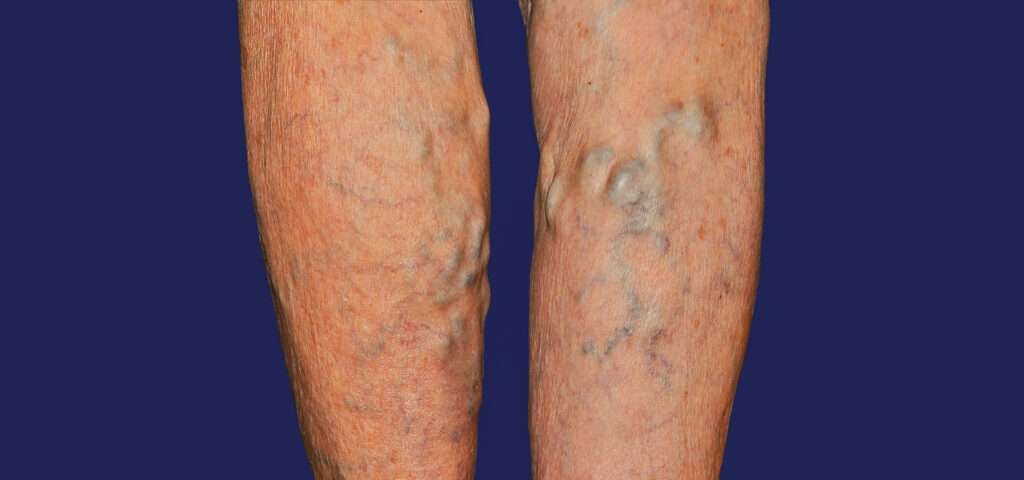
VenaSeal is a minimally invasive vein treatment that uses a medical-grade adhesive, instead of heat or chemicals, to seal shut a diseased vein causing varicose veins. A doctor guides a thin catheter into the vein under ultrasound and delivers small amounts of adhesive along its length, closing it permanently so blood reroutes through healthier veins nearby.
How Does VenaSeal Work?
- A vein specialist uses ultrasound to map the diseased vein
- A thin catheter is guided into the vein through a small entry point
- Small amounts of medical adhesive are delivered along the vein in a series of controlled injections
- Compression is applied to the leg during the procedure
- The vein seals shut, and blood reroutes through healthy veins nearby
How Long Will VenaSeal Last?
Clinical studies point to VenaSeal being a durable, long-lasting solution. In the VeClose pivotal trial, treated veins stayed closed in 94.3 percent of cases at two years. A separate European study found an 88.5 percent closure rate at three years, with quality of life scores improving over the same period. For most patients, once a vein is sealed, it stays that way.
VenaSeal vs Other Vein Treatments
| Feature | VenaSeal | Radiofrequency or Laser Ablation | Sclerotherapy |
|---|---|---|---|
| Method | Medical adhesive | Heat energy | Injected solution |
| Numbing injections needed | No | Yes, multiple | No |
| Compression stockings after | Often not required | Usually required for 1 to 2 weeks | Usually required |
| Best for | Larger diseased veins | Larger diseased veins | Smaller veins, spider veins |
| Recovery | Return to activity same day | Return to activity same day, more bruising | Return to activity same day |
What Are the Disadvantages of VenaSeal Treatment?
- Cost can run higher than sclerotherapy and isn’t always fully covered by insurance
- The adhesive stays in the body permanently, which some patients feel uneasy about even though it’s considered safe
- Not the right fit for veins with active clotting or inflammation
- A small number of patients report an allergic-type reaction or a lump at the treatment site
- Not typically used on very small or highly twisted veins
None of these are common, but they’re worth discussing with a vein specialist before deciding on treatment.
Is VenaSeal Right for Everyone?
VenaSeal isn’t used for veins with a known allergy to the adhesive, active blood clots in the vein, or an active whole-body infection. Beyond those exceptions, it’s an option for most people with symptomatic varicose veins caused by a diseased superficial vein. A vein specialist can confirm whether it’s the right fit after an ultrasound evaluation.
When Should You See a Doctor of Veins About VenaSeal?
See a doctor of veins if you’re weighing VenaSeal against other treatment options, or if needles and numbing injections have kept you from pursuing vein treatment in the past. A vein specialist can map your veins with ultrasound and tell you within one visit whether you’re a candidate.

What to Expect After Treatment
Most patients walk out with just a small bandage over the entry point and resume normal activities the same day. Light walking is encouraged right away to support circulation, while strenuous exercise or heavy lifting is usually best avoided for a few days. Some soreness is normal, but it helps to know chronic vs acute pain signs so you can tell recovery discomfort from something else. Your doctor will likely schedule a follow-up ultrasound to confirm the vein has closed as expected.
Frequently Asked Questions
What is a VenaSeal treatment?
It’s a minimally invasive procedure that uses a medical adhesive to close a diseased vein, treating the varicose veins it causes without heat or numbing injections.
How long will VenaSeal last?
Clinical trials show closure rates around 88 to 94 percent at two to three years, making it a durable, long-term solution for most patients once the vein is sealed.
What are the disadvantages of VenaSeal treatment?
Higher cost, a permanent adhesive left in the vein, and a small risk of allergic-type reaction are the main downsides. It’s also not suitable for veins with active clotting or infection.
Is VenaSeal covered by insurance?
Coverage varies by plan, and it’s typically approved when the underlying vein disease is documented as medically necessary. Check with your provider or ask your vein clinic to verify benefits beforehand.
Not every vein needs the same fix. Find out if VenaSeal fits yours, call CURA Vein Doctors at +1 973-363-2029 or send a message anytime through the contact page.