
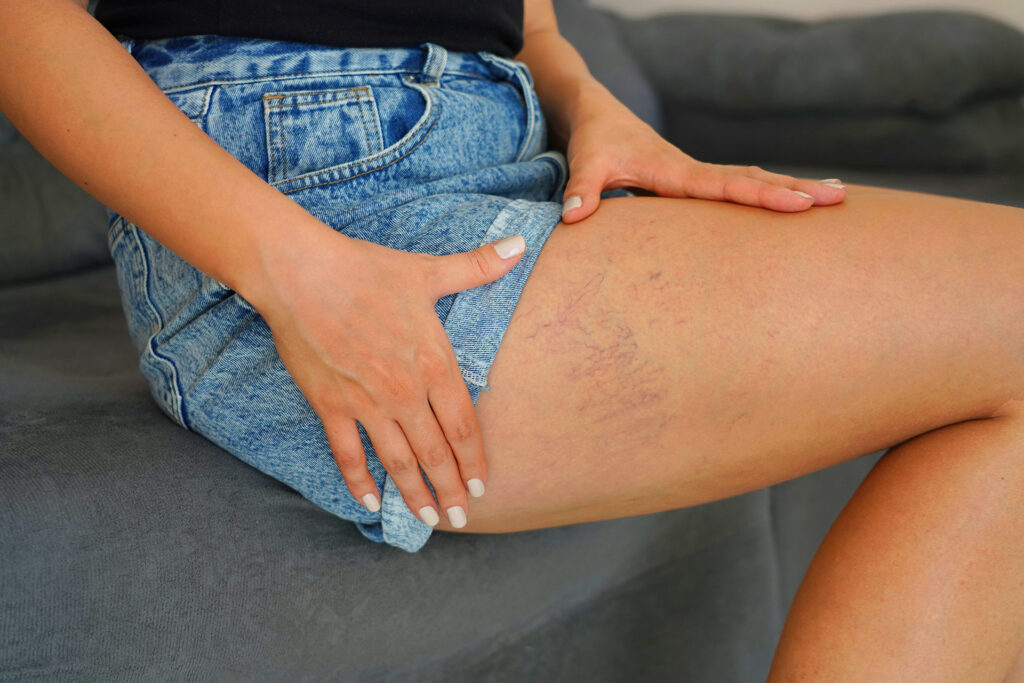
Varicose veins do not stay the same. Left alone, they tend to get worse. The valves driving the problem keep weakening. Blood keeps pooling. The pressure keeps building. What starts as a cosmetic concern becomes a medical one. The question is not whether to do something. It is what to do, in what order, and how much each step actually achieves. This article answers all three.
How to Stop Varicose Veins From Getting Worse
To stop varicose veins from progressing, the most effective approach combines daily compression to reduce venous pressure, regular movement to activate the calf muscle pump, and medical treatment of the underlying valve reflux when lifestyle measures no longer control symptoms. Lifestyle alone slows progression. Only vein treatment corrects the root cause.
Why Varicose Veins Get Worse Over Time
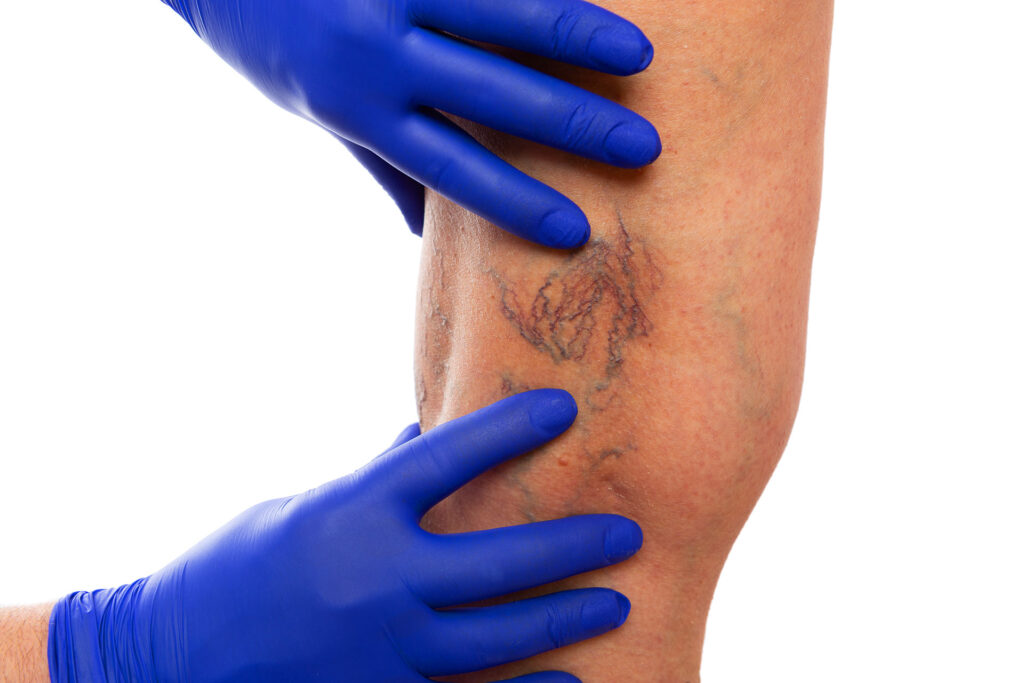
The problem starts inside the vein. One-way valves that normally push blood upward toward the heart begin to weaken. Blood falls backward. It pools in the lower leg. That pooled blood creates sustained pressure against the vein wall, which weakens it further, allowing more valves to fail.
This is a progressive cycle. Each failing valve increases the pressure load on the next one. A single incompetent valve in the great saphenous vein can drive the reflux that produces varicose veins across the entire lower leg. Treating only the surface veins without addressing that root valve failure produces temporary results at best.
The good news is that the cycle is interruptible at multiple points. The 5 steps below address each one.
What Works and What Does Not: A Clear Comparison
| Approach | What It Does | What It Cannot Do | Role in Treatment |
|---|---|---|---|
| Compression stockings | Reduces venous pressure, eases symptoms | Does not repair valves or eliminate veins | First-line management |
| Exercise and movement | Activates calf pump, improves circulation | Does not reverse valve damage | Supportive, ongoing |
| Weight management | Reduces abdominal pressure on veins | Does not eliminate existing varicose veins | Preventive, supportive |
| Leg elevation | Temporary pressure relief, symptom control | No long-term structural effect | Symptom management |
| Sclerotherapy | Closes surface varicosities permanently | Does not address trunk vein reflux alone | Treatment, often paired with ablation |
| Endovenous ablation (EVLA/RFA) | Closes the source vein driving reflux | Does not prevent new veins in other areas | Definitive treatment |
| VenaSeal | Seals the vein with adhesive, no heat | Same scope as ablation | Definitive treatment, no compression needed after |
| Creams and supplements | May reduce minor swelling temporarily | Cannot repair valves or close veins | Not recommended as primary management |
Step 1: Start Compression the Right Way
Compression stockings are the most universally recommended first step for varicose veins, and the most commonly misused. The two mistakes patients make most often are wearing the wrong pressure level and putting them on too late in the day.
For varicose veins with chronic venous insufficiency behind them, 20 to 30 mmHg is the clinical starting point. Retail compression socks at 8 to 15 mmHg reduce discomfort but do not generate enough pressure to meaningfully reduce venous pooling.
Put them on first thing in the morning before getting out of bed. Venous pooling begins the moment you stand. Waiting until mid-morning means you are already fighting established swelling. Compression applied before swelling starts is significantly more effective than compression applied after.
Step 2: Use the Calf Muscle Pump Every Day
The calf muscle is the most powerful pump in the venous return system. Every contraction squeezes blood upward through the deep veins. Walking 20 to 30 minutes daily produces enough calf muscle activity to meaningfully reduce the venous pressure that drives varicose vein progression.
The specific exercise matters less than consistency. Walking, cycling, and swimming all work. Extended periods of standing still actually worsen venous pressure more than sitting, because the calf pump is inactive while the hydrostatic column of blood remains tall. If your job requires long periods of standing, shifting weight, walking in place, or doing calf raises keeps the pump active.
Step 3: Reduce the Pressure Load
Several factors consistently raise venous pressure in the legs and accelerate valve failure. Addressing them slows progression without any medical intervention.
- Body weight: Excess abdominal weight increases intra-abdominal pressure, which partially obstructs venous return from the legs and raises baseline venous pressure throughout the lower limb. Weight reduction reduces that load directly.
- Prolonged heat exposure: Hot baths, saunas, and prolonged sun exposure dilate veins, increasing blood pooling. Limiting these reduces daily pressure peaks. If widespread aches are compounding your daily fatigue, learning more about that ache everywhere you can’t explain can help you address multi-site discomfort.
- Tight clothing around the abdomen or groin: Constriction at the waist or groin acts like a partial tourniquet, increasing back-pressure in leg veins.
- Constipation: Chronic straining raises intra-abdominal pressure episodically but repeatedly over years. A high-fiber diet reduces this effect.
Step 4: Elevate Strategically, Not Randomly
Leg elevation works. But it only works when done correctly and at the right times. Elevating legs slightly on a pillow while sleeping produces minimal benefit. Elevating both legs above heart level, specifically above the level of the right atrium, is what actually reduces venous pressure.
15 to 20 minutes in a proper elevation position after a long day at work or on your feet produces noticeable symptom relief within days. This is also the most effective preparation for sleep if nighttime aching is a problem.
Elevation does not repair valves. It does not produce lasting structural change. What it does is reduce the pressure peak that accumulates through a full day of activity and prevents the worst symptoms from compounding overnight.
⚠️ Lifestyle steps slow progression. They do not stop it. Chronic venous insufficiency is a progressive disease. Valve damage does not heal with compression or exercise alone. If your symptoms are worsening despite consistent lifestyle management, that is a signal to have the underlying reflux evaluated and treated directly.
Step 5: Treat the Root Cause When Lifestyle Is Not Enough
This is the step most people delay for years, usually because they expect treatment to be more invasive and more disruptive than it is.
Modern vein procedures do not involve surgical stripping or general anesthesia. They target the source of the reflux, typically the great or small saphenous vein, close it permanently, and redirect blood through healthy vessels. The procedure takes about an hour. Most patients walk out of the clinic and return to normal activity the following day.
Endovenous Laser Ablation (EVLA)
A thin laser fiber is inserted into the failing vein under ultrasound guidance. Heat closes the vein from inside. The body reabsorbs it over the following weeks. One session treats the source. Residual surface varicosities often fade on their own once the pressure driving them is removed.
Radiofrequency Ablation (RFA)
Same principle as EVLA but uses radiofrequency energy instead of laser. Slightly lower heat, similar closure rates. Preferred by some patients for comfort during the procedure.
VenaSeal
Medical adhesive delivered through a catheter seals the vein without heat or tumescent anesthesia. No compression stockings required immediately after. Patients with needle sensitivity or who cannot wear compression tend to prefer this option.
Sclerotherapy
Used alongside ablation or as a standalone treatment for smaller varicosities and spider veins. An injected solution collapses the vessel. Results develop over two to six weeks as the body clears the treated vein.
When to Stop Waiting and Get Evaluated
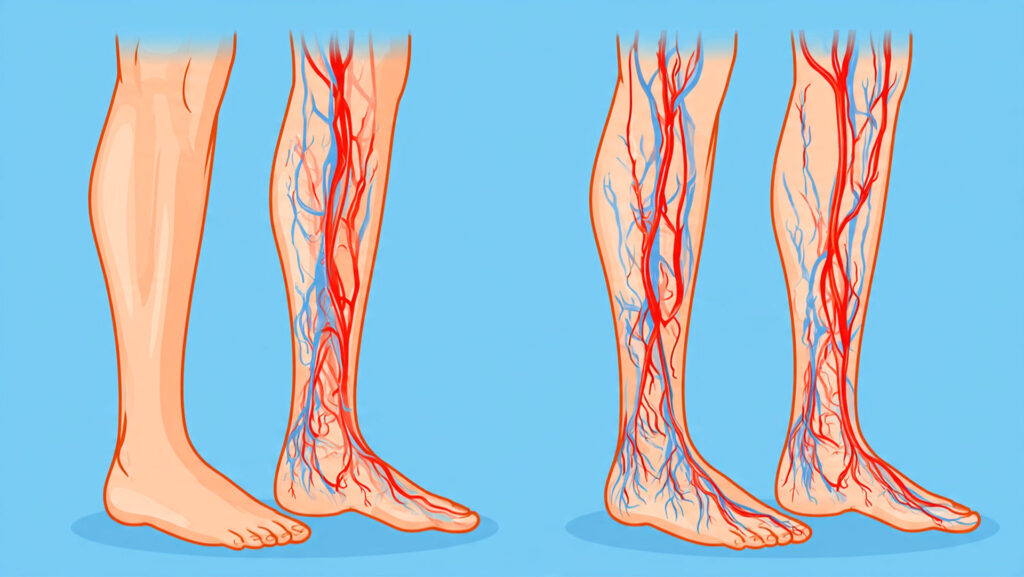
Most people wait too long. By the time they seek treatment, the venous disease has progressed further than it needed to. These signs mean the time for lifestyle-only management has passed:
- Leg heaviness or aching that interferes with daily activity or sleep
- Swelling that does not fully resolve overnight
- Skin near the inner ankle that is darkening, hardening, or itching
- Varicose veins that have grown more prominent or painful over the past year
- A varicose vein that has bled or burst
Each of these signals a disease stage where treatment produces better outcomes than continued conservative management. If your physical symptoms extend beyond your legs and feel overwhelming to navigate, exploring what pain management actually does for your body can help you understand your options for relief.
✓ Insurance often covers varicose vein treatment when chronic venous insufficiency is confirmed on duplex ultrasound and conservative measures like compression stockings have been tried. A consultation with a vein specialist confirms coverage before any procedure begins, so there are no financial surprises.
FAQ: How to Stop Varicose Veins
How do I stop varicose veins from forming?
You cannot completely prevent them if you have a genetic predisposition, but you can slow their development significantly. Wear compression during long periods of standing, exercise daily to keep the calf pump active, manage body weight, and avoid prolonged heat exposure. People with a strong family history benefit from earlier screening so any valve failure is caught and treated before visible veins develop.
How can I reduce varicose veins naturally?
Natural approaches reduce symptoms and slow progression but do not eliminate existing varicose veins. Consistent compression, daily walking, leg elevation after activity, and maintaining a healthy weight all produce measurable symptom improvement. Horse chestnut seed extract has some clinical evidence for reducing venous symptoms. None of these approaches repair damaged valves or close distended veins.
What triggers varicose veins?
Genetics is the strongest trigger. Beyond that, prolonged standing or sitting raises venous pressure chronically and accelerates valve failure. Pregnancy increases blood volume and hormonal changes that relax vessel walls. Obesity adds mechanical pressure from the abdomen. Prior DVT can damage deep vein valves, which shifts blood to the superficial system and accelerates varicose vein development there.
Can you get rid of varicose veins without treatment?
No. Varicose veins do not resolve spontaneously. The valve failure driving them does not heal on its own. Compression and lifestyle changes can reduce their visibility slightly if symptoms are very mild, but the underlying disease continues to progress. Getting rid of existing varicose veins requires a procedure. The modern options are minimally invasive, outpatient, and produce permanent results in the treated vessels.
The Right Step at the Right Time
At CURA Vein Centers, we match each patient to the step that fits their current stage. Some people need compression guidance and a monitoring plan. Others need a duplex ultrasound and a treatment date. We start with what the imaging shows, not what the veins look like from the outside.