
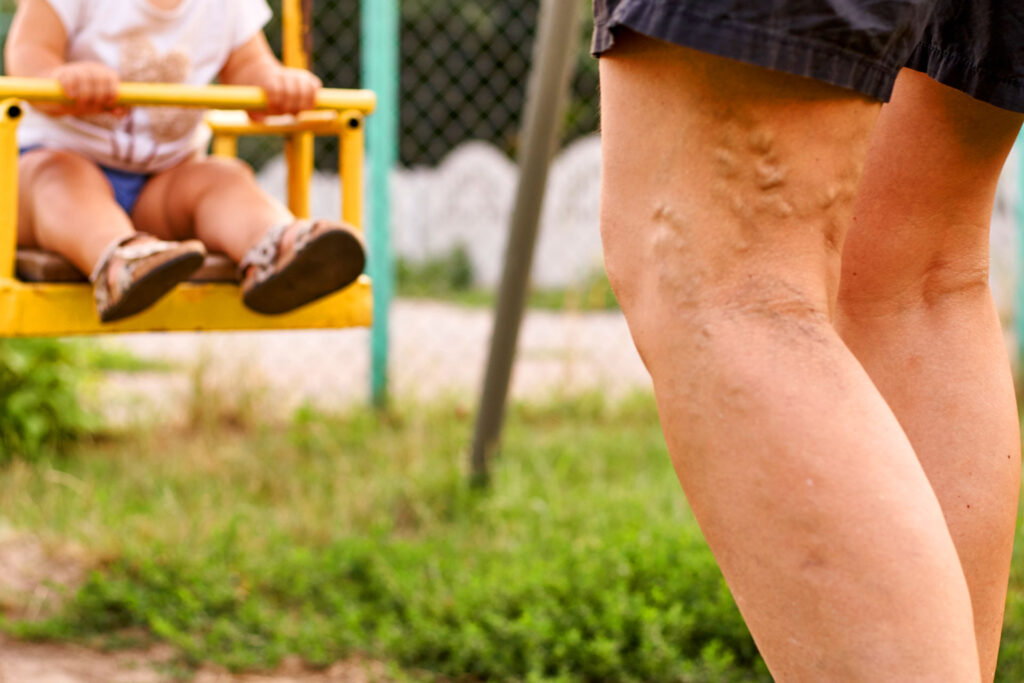
What Venous Insufficiency Actually Means for Your Daily Life
Behind the medical term is a condition that shapes how you feel from the moment you wake up to the moment you fall asleep.
of adults affected
in some form
go undiagnosed
for years
success rate
with treatment
“Venous insufficiency” sounds clinical and distant. In reality, however, it is a condition with a very concrete, very daily presence. If you have it, you feel it every time your legs grow heavy by mid-afternoon, every time your ankles are swollen by evening, and every time you wake up in the night with an urge to move or stretch your legs.
Most people who live with venous insufficiency do not know that is what they have. They attribute their symptoms to aging, to their job, or to being on their feet too much. Consequently, the condition progresses for years before it is properly diagnosed and treated. Understanding what venous insufficiency actually is, in everyday terms, is the first and most important step toward doing something about it.
This article translates the medical reality of venous insufficiency into the practical, daily experience it creates, and explains what modern treatment can do to change that experience permanently.

What Venous Insufficiency Actually Is
To begin, your leg veins do something remarkable every day. They move blood from your feet and lower legs back up to your heart, against gravity, for every hour you spend upright. To do this, they rely on a series of one-way valves that open to let blood pass upward, then close to stop it falling back down.
Venous insufficiency occurs specifically when those valves weaken or fail. Instead of moving efficiently upward, blood begins to pool and accumulate in the lower legs. The result is sustained elevated pressure inside the vein walls and surrounding tissue. Over time, that pressure is responsible for almost every symptom the condition produces.
Importantly, this is not a temporary or self-correcting problem. Once a valve fails, it does not repair itself. The pooling continues, the pressure remains, and the condition progresses. Furthermore, because the early symptoms feel like ordinary tiredness, most people wait years before seeking a diagnosis.
“The veins are not failing catastrophically. They are simply failing to do their job correctly, and that small daily failure accumulates into something that shapes how you feel every single day.”
How Venous Insufficiency Shapes Your Day
The most useful way to understand venous insufficiency is not through anatomy but through time. The condition has a daily rhythm that is distinctly its own, and recognizing that rhythm is often the clearest path to a correct diagnosis.
Morning
Midday
Late Afternoon
Night
The Areas of Daily Life It Affects Most
Venous insufficiency does not stay in the legs. Because it affects how you feel physically throughout the day, it ripples into almost every area of daily life. The impact below reflects what patients consistently describe once they understand what has been causing their symptoms.
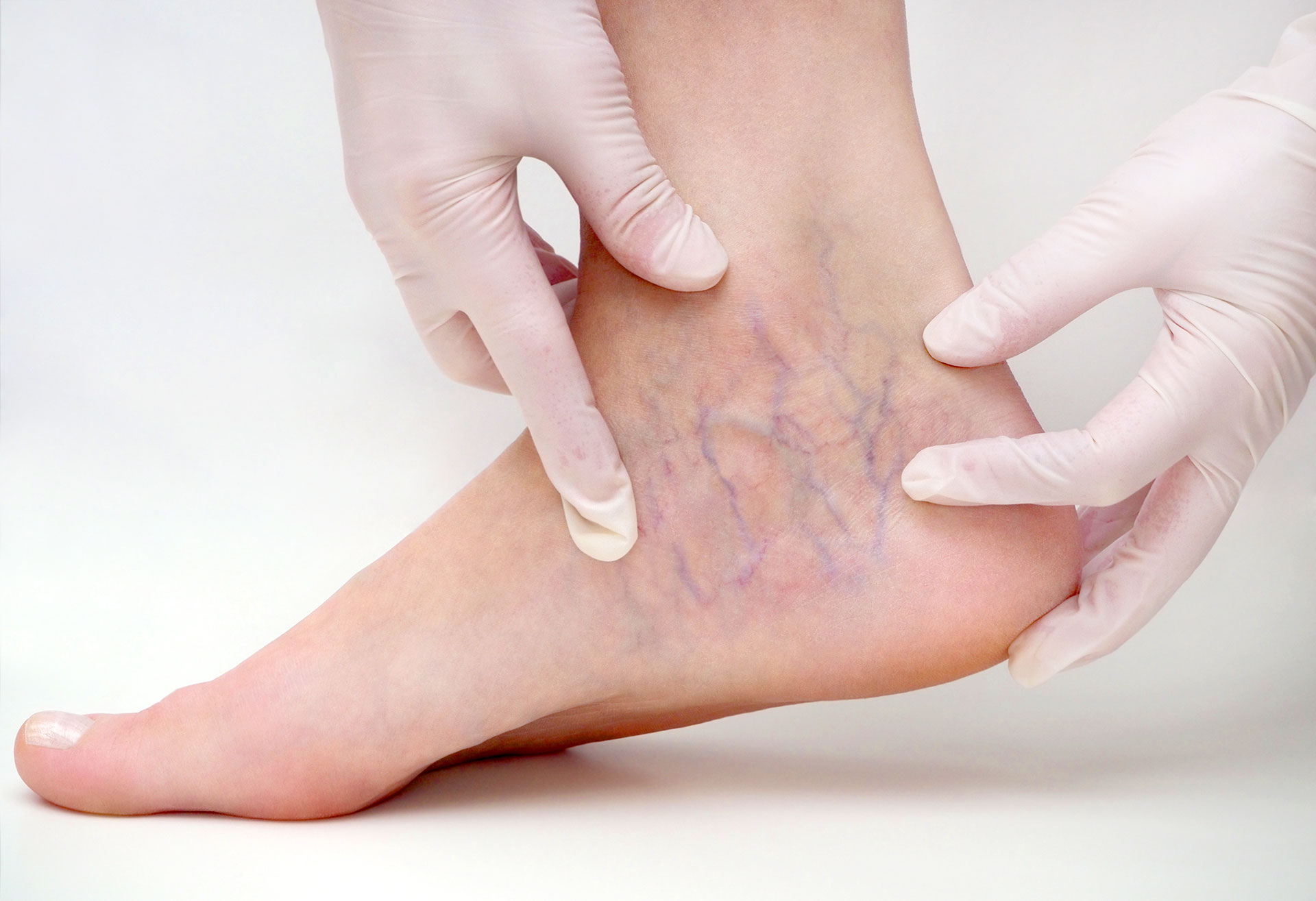
How Significant Are Your Symptoms Right Now
Venous insufficiency exists on a spectrum. The table below reflects how symptoms typically vary across different stages of the condition, from early to advanced. Recognizing where your experience sits on this scale helps clarify whether a professional evaluation is appropriate.
How Common in Venous Insufficiency
Severity
95%
88%
90%
72%
68%
45%
If you have developed brownish skin discoloration near the ankle, hardening or tightening of the lower leg skin, or any open wound that is slow to heal, seek evaluation by a vein specialist promptly. These signs indicate advanced venous disease that, without treatment, is very likely to progress to a venous ulcer.
What Treatment Changes in Daily Life
The most consistent thing patients report after vein treatment is surprise at how much better they feel. Because symptoms build gradually, most people have adapted without realizing how much the condition affected their daily experience. A vein specialist can assess your insufficiency and recommend the right procedure.
Fortunately, modern minimally invasive treatments close the diseased veins permanently. Blood is rerouted through healthy vessels, venous pressure normalizes, and symptoms typically resolve within weeks. The procedures below are all performed in-office with no general anesthesia and allow same-day return to normal activity in most cases.
Controlled heat delivered through a thin catheter permanently seals the diseased vein. Blood reroutes immediately through healthy vessels and venous pressure drops. With a success rate above 92%, it is one of the most reliable treatments available. Learn about RFA.
A medical solution injected into the vein causes it to scar and close permanently. Particularly effective for smaller varicose veins and spider veins, sclerotherapy is among the most studied of all top vein treatments. Multiple veins can be treated in one session with no downtime required.
A medical adhesive bonds the diseased vein walls together without heat or tumescent anesthesia. Post-procedure discomfort is minimal and no compression stockings are needed afterward.
A rotating catheter tip combined with a sclerosant closes the vein without heat. Your vein specialist will determine the best approach based on your duplex ultrasound.
When a duplex ultrasound confirms venous insufficiency as the cause of your symptoms, treatment is typically covered by insurance as a medical procedure. Specifically, documented symptoms including leg heaviness, swelling, and pain are generally sufficient for pre-authorization. Your specialist will guide you through this process at your first consultation.

Find Out What Is Causing Your Symptoms
A duplex ultrasound takes under an hour and gives you a clear picture of what is happening inside your leg veins. Most patients leave their first consultation understanding their condition for the first time.