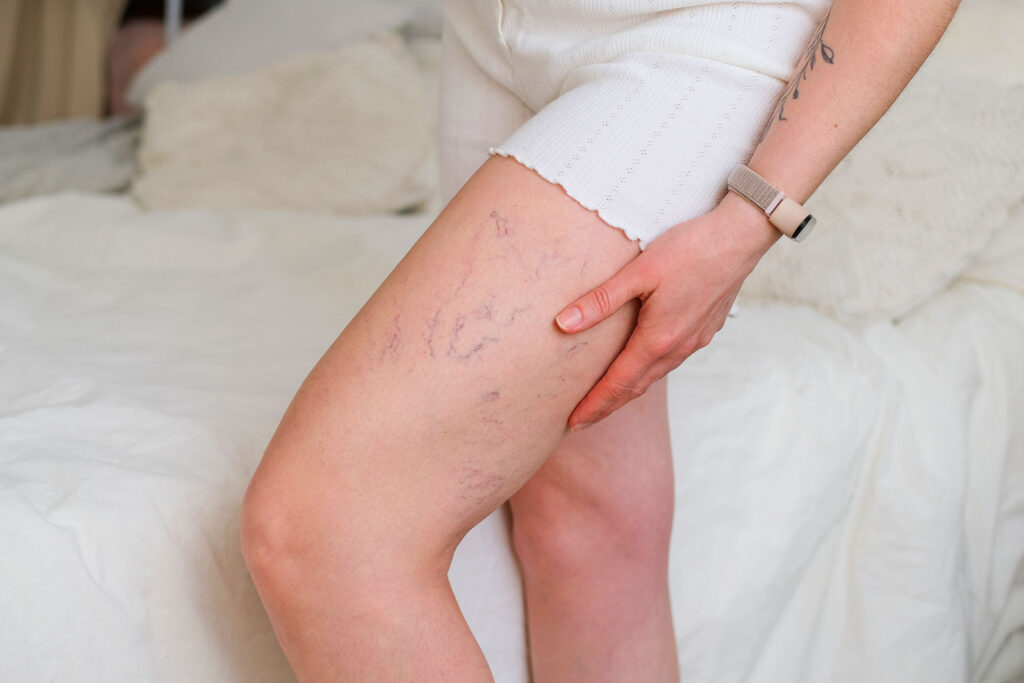
Ever glanced down at your legs and noticed a tangle of blue or purple lines that definitely weren’t there a few years ago? You’re not alone. Those winding, rope-like bulges are called veins of the leg, and while they’re often dismissed as a cosmetic nuisance, they can actually be your body waving a small red flag. Understanding what’s happening beneath your skin is the first step toward legs that feel as good as they look.
What Are Veins of the Leg?
Veins of the leg are the blood vessels responsible for carrying oxygen-depleted blood from your legs back to your heart against gravity. They rely on one-way valves and calf muscle contractions to keep blood moving upward. When these valves weaken, blood pools and causes varicose veins, spider veins, and swelling, a condition broadly known as venous insufficiency.
The Anatomy Behind Healthy Circulation
Your leg veins aren’t a single tube but a layered network with distinct jobs. Understanding each type helps explain why some veins bulge visibly while others stay hidden.
Deep Veins
These sit within the muscle tissue and handle roughly 90% of blood flow returning to the heart. Because they’re buried deep, problems here (like deep vein thrombosis) aren’t visible but can be far more serious.
Superficial Veins
Located just beneath the skin, these are the ones you actually see. The great saphenous vein, running from your ankle to your groin, is the longest vein in the body and a common culprit in varicose vein development.
Perforator Veins
These act as connectors, linking the superficial and deep systems. When perforator valves fail, pressure builds and pushes blood the wrong direction, contributing to visible surface changes.
Why Leg Veins Become a Problem
Vein issues rarely appear overnight. They’re usually the result of gradual pressure and wear on the venous system. Common contributing factors include:
- Prolonged standing or sitting that reduces natural muscle pumping action
- Genetics, since weak vein walls often run in families
- Hormonal shifts from pregnancy, birth control, or menopause
- Age-related wear as valves lose elasticity over time
- Obesity, which adds extra pressure on lower body veins
Spotting the Warning Signs Early
Not every visible vein means trouble, but certain symptoms deserve attention. Ignoring these signals can allow minor issues to progress into more uncomfortable or serious conditions. Sometimes, understanding sharp ache or burning shock decoding nociceptive vs neuropathic pain helps identify whether lower extremity discomfort stems from nerve or tissue signals.
- Aching, heaviness, or throbbing in the legs by day’s end
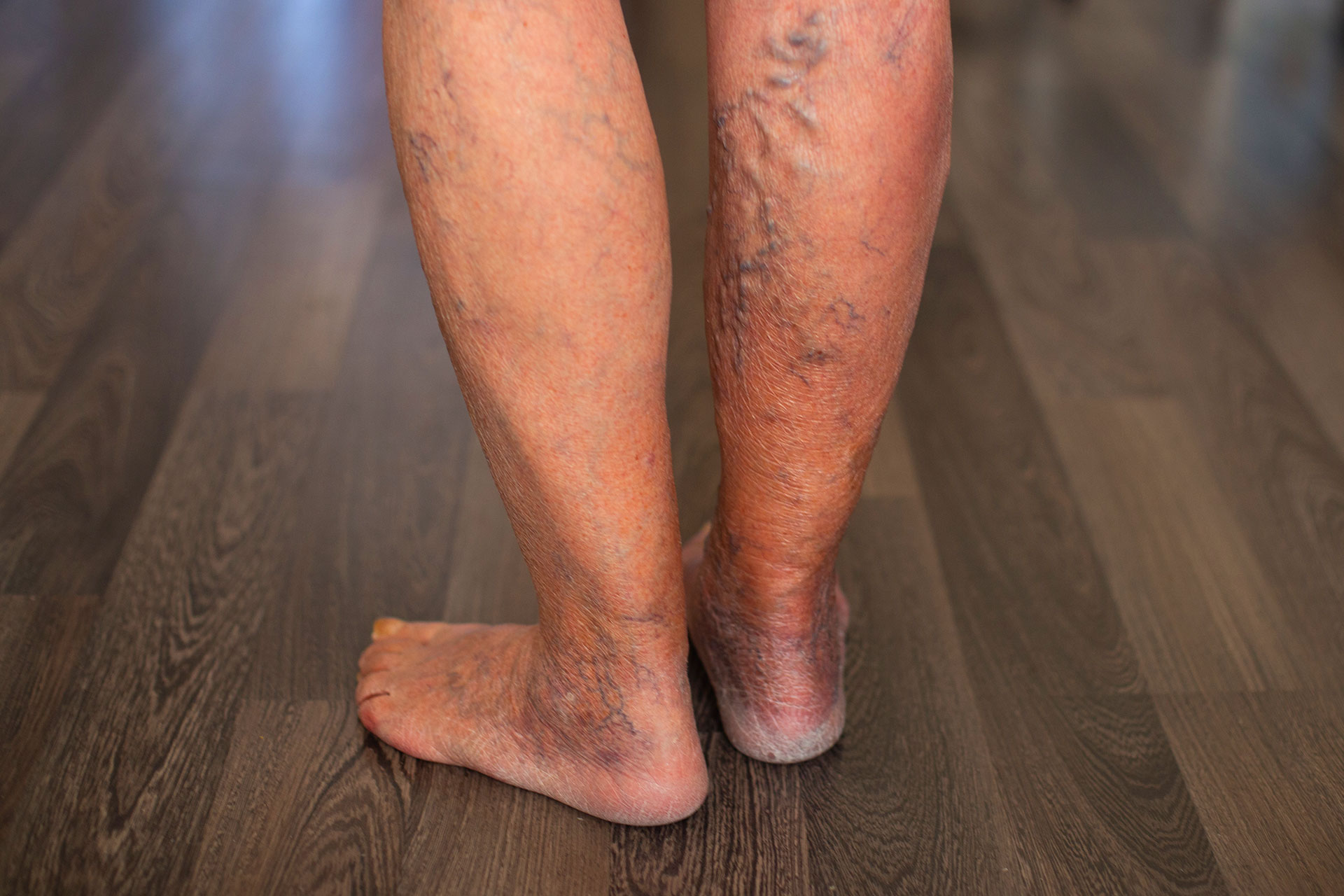
- Visible swelling around the ankles or lower calves
- Skin discoloration or a leathery texture near the ankle
- Itching or burning sensations around bulging veins
- Restless legs or cramping, especially at night
Many people first notice smaller, web-like discoloration before larger veins appear. If you’re dealing with this early stage, it helps to know how to eliminate spider veins on legs before they progress into something more noticeable or uncomfortable.
Treatment Options Worth Knowing
The good news is that vein issues are highly treatable, and modern medicine offers options ranging from simple lifestyle tweaks to minimally invasive procedures. Managing lower body strain often overlaps with other common physical complaints, which is why runners frequently look into why do my knees hurt after running causes fixes prevention when dealing with persistent leg fatigue.
Conservative Approaches
- Compression stockings to support blood flow
- Regular movement like walking or leg elevation
- Weight management to reduce venous pressure
Medical Procedures
- Sclerotherapy, a solution injected to collapse small veins
- Laser therapy for surface-level discoloration
- Endovenous ablation, using heat to close problematic veins
Quick Tip: Elevating your legs above heart level for just 15 minutes a day can noticeably reduce swelling and discomfort caused by poor venous return.
Everyday Habits That Support Healthy Veins
Prevention doesn’t require drastic changes. Small, consistent habits often make the biggest difference over time.
- Take short walking breaks every hour if you sit for long stretches
- Stay hydrated to keep blood consistency thinner and easier to circulate
- Avoid crossing your legs for extended periods
- Choose low-impact exercises like swimming or cycling
- Wear compression wear during long flights or drives
Frequently Asked Questions
What causes veins in the legs to become visible?
Visible veins usually result from weakened valves that allow blood to pool instead of flowing efficiently upward, causing veins to stretch and bulge near the skin’s surface.
Are bulging leg veins dangerous?
Most are harmless cosmetically but can indicate underlying venous insufficiency. Persistent pain, swelling, or skin changes should be evaluated by a specialist.
Can leg vein issues be reversed naturally?
Lifestyle changes can slow progression and ease symptoms, but existing enlarged veins typically require medical treatment to fully resolve.
How do doctors diagnose vein problems?
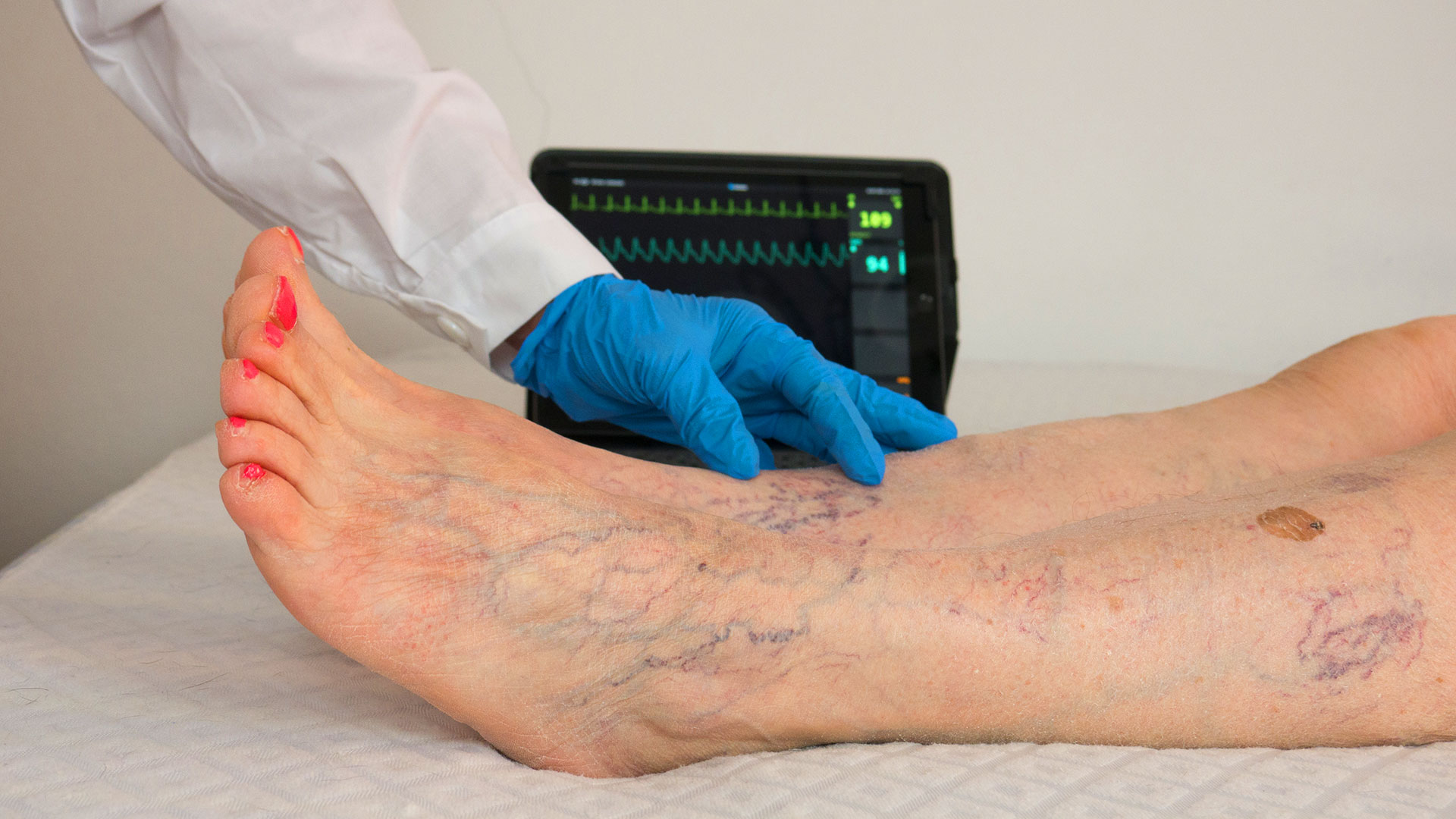
A duplex ultrasound is the standard tool used to assess blood flow and valve function within the leg’s venous system.
Is walking good for vein health?
Yes. Walking activates the calf muscle pump, which plays a major role in pushing blood back toward the heart efficiently.
Your leg veins work tirelessly every single day, often without recognition until something feels off. By understanding how this circulatory network functions and recognizing early warning signs, you can take proactive steps before minor issues become bigger concerns. Whether it’s adjusting daily habits or seeking professional treatment, healthier legs are absolutely within reach.