
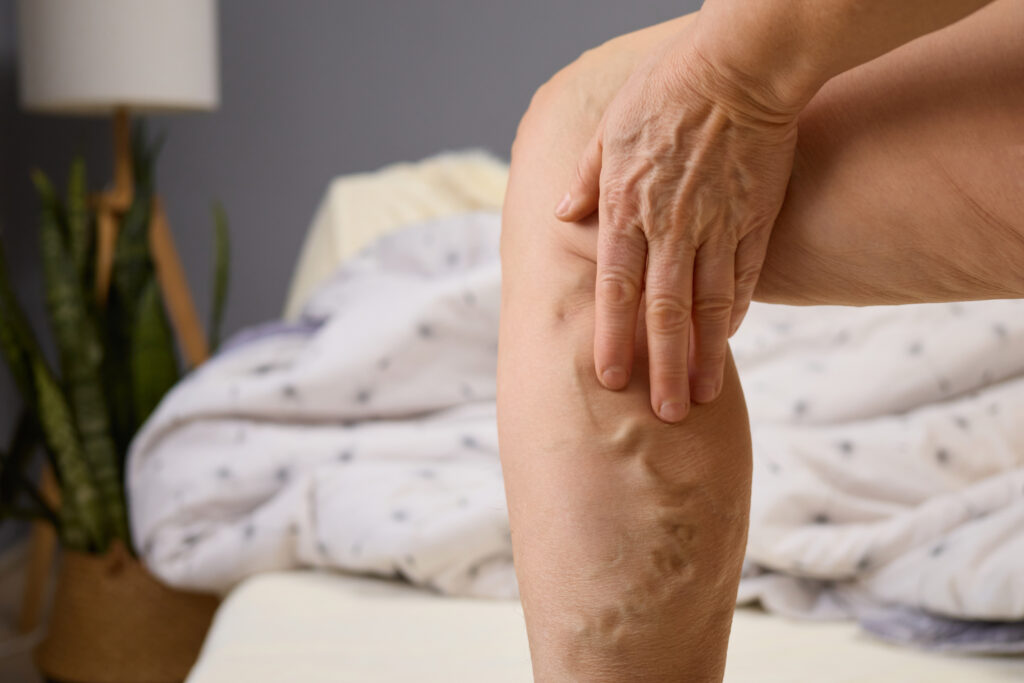
Most people notice a bulging vein in leg for the first time and do one of two things: they Google it at midnight, or they decide it is nothing and move on. The truth sits somewhere in between. Bulging veins are rarely an emergency, but they are also rarely meaningless. What matters is understanding the difference.
This article covers what actually causes them, what symptoms deserve attention, and what your real options are, including the ones most people do not hear about until things have already progressed.
Why Are the Veins in My Leg Bulging?
Your leg veins work against gravity every moment you are upright. Inside each vein, tiny one-way valves open to let blood move upward toward the heart and then snap shut to stop it from sliding back down. When those valves wear out or are genetically weak, blood drifts backward and starts to pool. The vein fills, the wall stretches, and what you see on the surface is the result of that pressure building up over time.
This is called venous reflux, and it is the mechanism behind the vast majority of bulging leg veins. It develops gradually, usually over years, and tends to be shaped by a combination of factors you can control and ones you cannot.
Factors that increase the risk:
- A family history of varicose veins
- Jobs that involve long hours standing or sitting with little movement
- Pregnancy, which raises blood volume and puts pressure on pelvic veins
- Being overweight, which adds sustained pressure to the venous system
- Previous blood clots or leg injuries that damaged the vein structure
- Age, as vein walls gradually lose their elasticity over decades
Why Are My Veins Really Visible? Not All Cases Are the Same
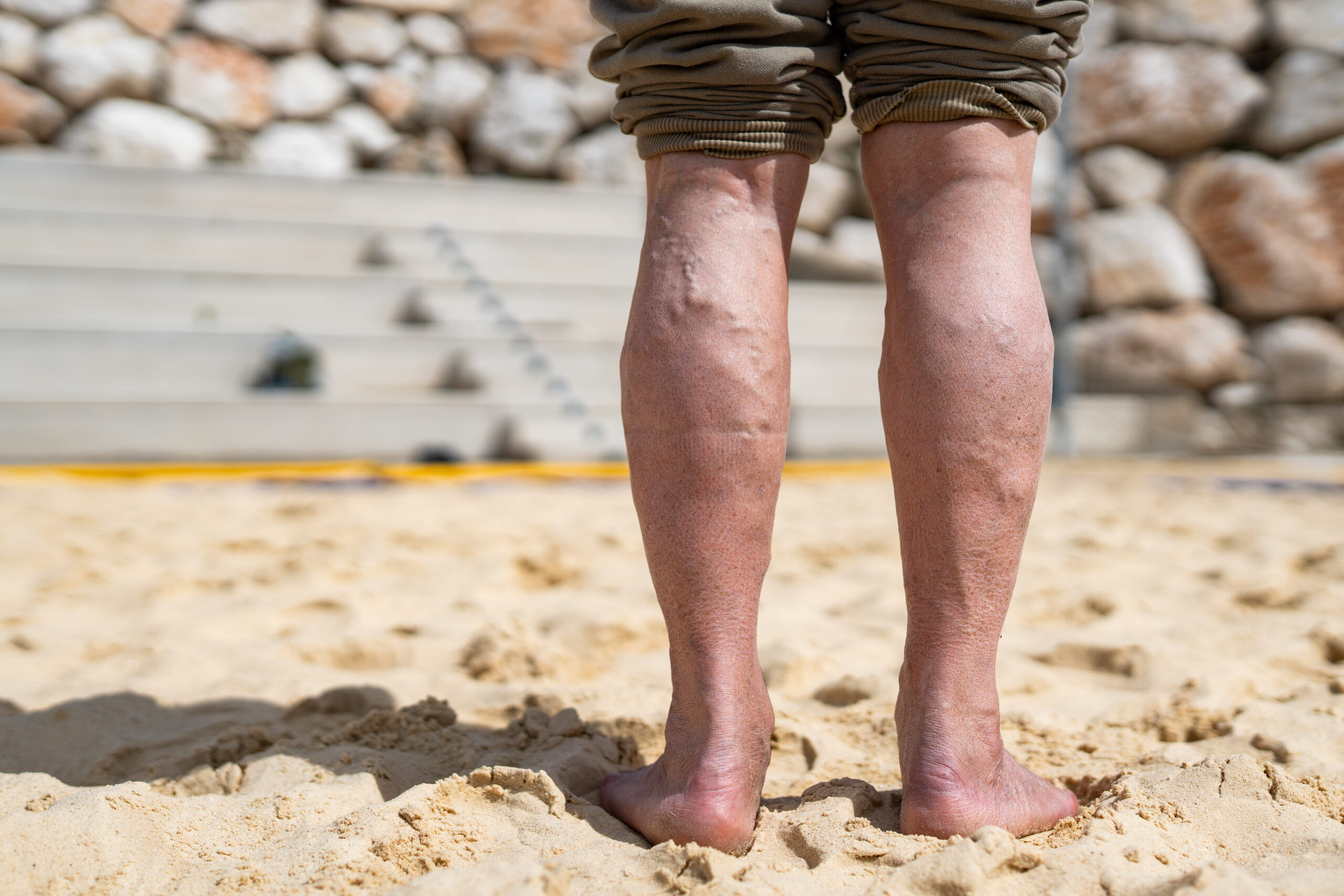
It helps to separate two different things: veins that are visible and veins that are bulging. They look similar on the surface but often have different explanations.
Visible veins, especially in lean or muscular individuals, are often completely normal. When there is less subcutaneous fat between the skin and the vessel, veins show through more easily. Athletes frequently notice this after training. Dehydration can also temporarily make veins more prominent as blood volume drops and vessels constrict.
The question of why are my veins really visible takes on a different weight when the veins are not just visible but raised, twisted, or accompanied by other symptoms. That is when it shifts from anatomy to pathology.
One symptom that often gets overlooked in this context is nighttime restlessness. Many people do not connect an uncomfortable, crawling feeling in their legs at night to a vein problem, but the link is well established. If that is part of your picture, restless legs and venous insufficiency are worth looking at together.
When a Bulging Vein in Leg Needs Urgent Attention
The majority of varicose veins progress slowly and allow time for a planned approach. But there are specific presentations that should not wait for a routine appointment.
A vein that is suddenly hard, hot to the touch, painful, and red. This may indicate a clot in the surface veins (thrombophlebitis) or, more seriously, a deep vein thrombosis (DVT). DVT can cause a pulmonary embolism if untreated.
Other signs that warrant a scheduled evaluation sooner rather than later:
- Skin ulcers near the ankle that are not healing
- Bleeding from a varicose vein, even minor
- Persistent swelling in one leg that does not respond to elevation
- Pain significant enough to change how you walk or limit daily activity
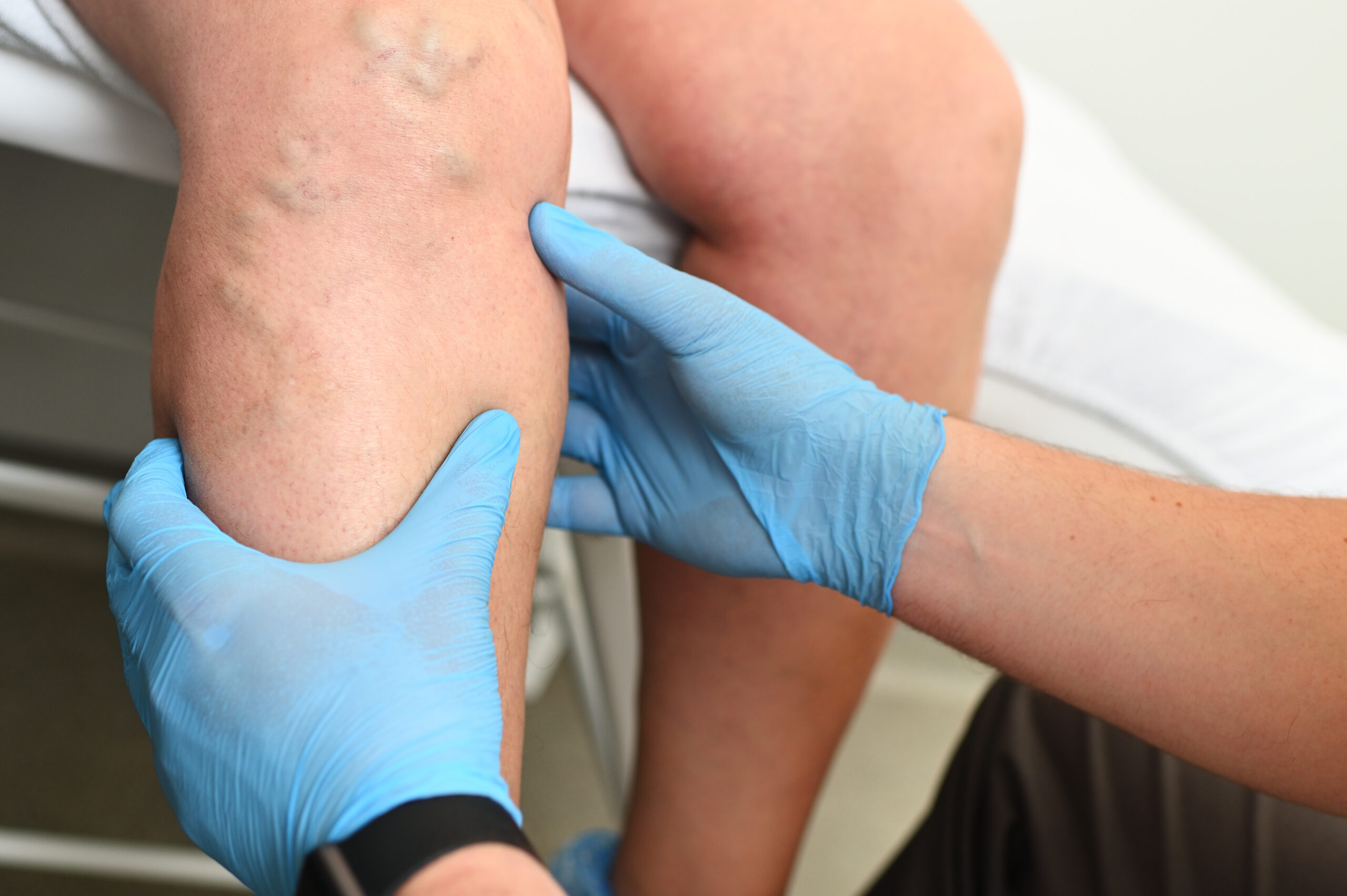
When vein-related pain becomes a recurring issue, how you describe your symptoms to a specialist matters more than most people realize. Being clear and specific about what you are experiencing makes a real difference in the quality of care you receive.
How to Hide Varicose Veins: Honest Answers
Plenty of people search for how to hide varicose veins, and there is no judgment in that. Appearance matters, and wanting to feel comfortable in your own skin is completely reasonable.
The most practical options:
- Compression stockings are the most medically useful option. They reduce the appearance of swelling while actively supporting venous return.
- Body-safe leg makeup designed to cover veins can work well for short-term cosmetic purposes.
- Self-tanner reduces the visual contrast between skin tone and the blue-purple color of surface veins.
- Clothing choices in breathable, slightly opaque fabrics can minimize visibility without restricting circulation.
None of these change what is happening inside the vein. If the veins are progressing, symptomatic, or affecting your confidence to the point that it limits what you do, treatment is a more durable answer than concealment.
What Treatment Actually Involves
A lot of people put off getting their veins looked at because they assume treatment means surgery and a long recovery. That has not been true for years. The landscape has shifted significantly toward quick, targeted procedures with minimal disruption to daily life.
An injection closes the vein from within. No anesthesia needed. Back to normal the same day.
Heat from a catheter seals the vein shut. Over 90% effective for larger varicose veins.
Surface veins removed through tiny incisions. Stitches rarely required.
For mild cases, graduated stockings manage symptoms and slow progression.
The right approach depends on the size, location, and severity of the affected veins. If you want a clear picture of what each option looks like in practice, a breakdown of the most effective vein treatments is a good starting point before your first consultation.
FAQ: Bulging Vein in Leg
Can a bulging vein in leg appear suddenly?
Sometimes. Sudden appearance or rapid worsening can indicate a clot or acute venous event rather than gradual valve failure. If a vein appears quickly and is painful or hard, seek evaluation promptly rather than waiting.
Why are the veins in my leg bulging more after a long day?
Hours of upright posture increase venous pressure in the legs. In healthy veins this resolves quickly. In veins with failing valves, the blood that has pooled all day makes them visibly more prominent by evening. This pattern is a classic sign of venous insufficiency.
Why are my veins really visible even though I am not in pain?
Pain is not a reliable indicator of severity with vein disease. Many people with significant venous insufficiency have little or no discomfort, particularly in the early stages. Visible or bulging veins warrant an assessment regardless of how they feel.
Does how to hide varicose veins actually help long term?
Cosmetic concealment helps with appearance but does nothing for the underlying condition. Compression stockings are the exception, as they provide both cosmetic improvement and genuine venous support. For lasting results, treatment of the damaged veins is necessary.
At what point should I stop managing this myself?
When symptoms affect your sleep, your activity level, or your skin, or when you simply want to know what is happening, that is the right time to see a specialist. There is no prize for waiting.