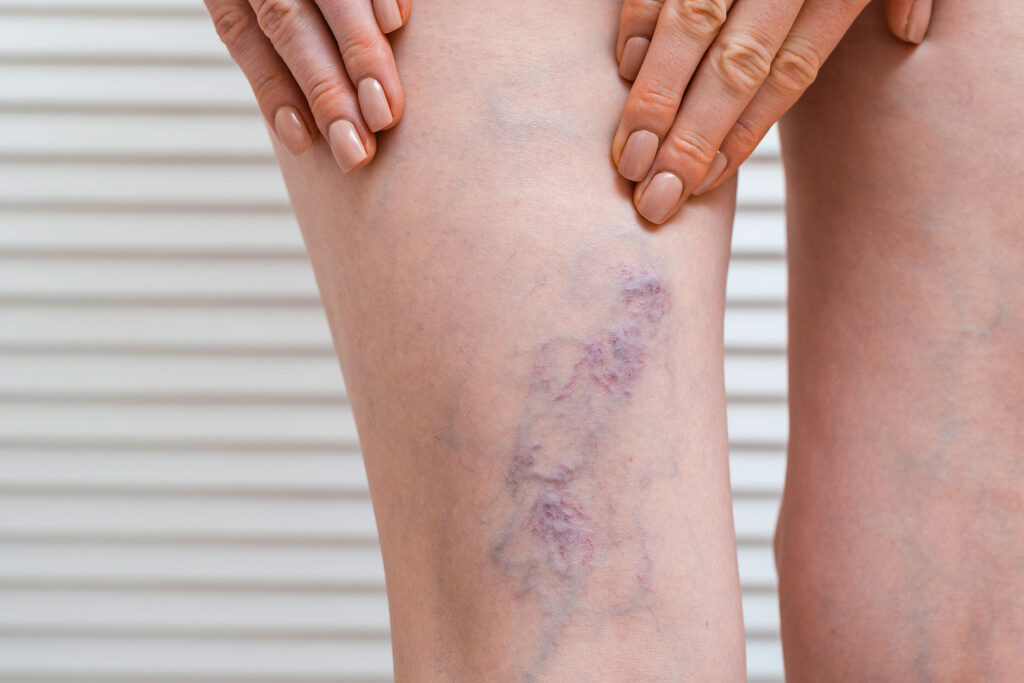
Your legs feel heavier by the end of the day, and you’ve noticed a faint web of bluish lines near your ankle that wasn’t there last year. You tell yourself it’s just fatigue or maybe standing too long at work. But your body might actually be sending you an early warning sign that’s easy to miss until it isn’t.
Recognizing early stage varicose veins symptoms can make the difference between simple lifestyle adjustments and years of managing a more advanced vein condition. The good news? Catching these signs early gives you far more treatment options and a much easier path to relief.
What Are the Early Stage Varicose Veins Symptoms?
Early stage varicose veins symptoms include leg heaviness, mild swelling around the ankles, visible spider veins or bluish threads, occasional aching or throbbing after standing, and itchy skin near affected veins. These signs often worsen by evening and improve with elevation, rest, or movement.
Why Early Detection Actually Matters
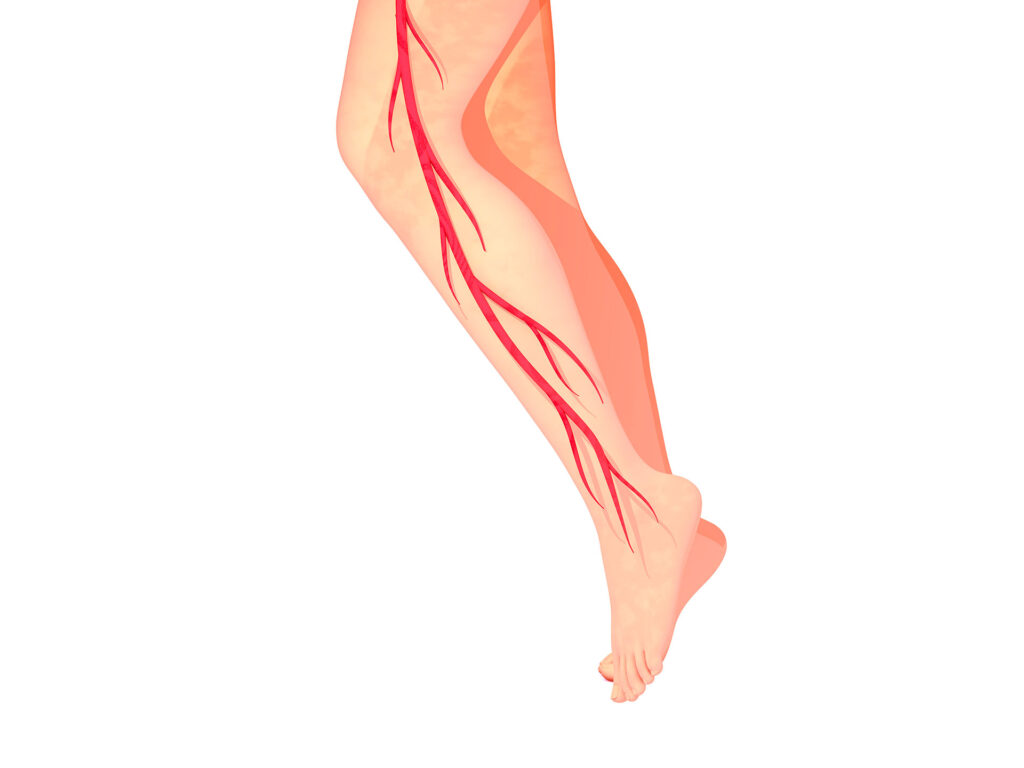
Varicose veins don’t appear overnight. They develop gradually as the valves inside your veins weaken, allowing blood to pool instead of flowing efficiently back to the heart. Most people dismiss the earliest signals as ordinary tiredness, which delays treatment until the condition becomes more visible and uncomfortable.
Spotting the symptoms early means you can intervene before the veins become twisted, bulging, or painful. It also reduces your risk of complications like skin discoloration, ulcers, or blood clots down the road.
The Most Common Early Warning Signs
1. Leg Heaviness and Fatigue
One of the earliest complaints people report is a dull, heavy sensation in the legs, especially after sitting or standing for extended periods. It’s not sharp pain, just a persistent tired feeling that seems to build throughout the day.
2. Mild Swelling Around the Ankles
Slight puffiness near the ankles, particularly in the evening, is a subtle but telling sign. This happens because blood is beginning to pool in the lower legs instead of circulating properly.
3. Visible Spider Veins
Thin, web-like red or blue veins near the surface of the skin often show up before larger varicose veins develop. While they may seem purely cosmetic, they can indicate underlying venous pressure.
4. Aching or Throbbing Sensations
A low-grade ache from standing is common early on. If you are wondering what does pain management actually do for your body, professional care targets this discomfort to restore normal function. Some people describe it as a “pulling” feeling along the leg.
5. Itchy or Irritated Skin
Skin near affected veins may feel itchy or slightly irritated. This occurs due to increased pressure and inflammation in the surrounding tissue.
6. Restless Legs at Night
Many people notice an urge to move their legs or mild cramping when lying down, disrupting sleep. Sometimes, understanding that ache every other place you can’t explain connects to broader systemic or circulatory issues.
Who Is Most at Risk?
- Individuals who stand or sit for long hours at work
- Pregnant women, due to increased blood volume and pressure
- People with a family history of varicose veins
- Those who are overweight, adding pressure on leg veins
- Older adults, as vein elasticity naturally decreases with age
What You Can Do When Symptoms First Appear
Simple daily habits can slow progression significantly:
- Elevate your legs for 15 to 20 minutes daily
- Wear compression stockings if recommended
- Avoid sitting or standing in one position for too long
- Stay active with walking or leg exercises
- Maintain a healthy weight to reduce venous pressure
These strategies won’t reverse existing vein damage, but they can ease discomfort and prevent symptoms from escalating quickly.
When Should You See a Specialist?
If your symptoms persist despite lifestyle changes, or if you notice increased swelling, skin changes, or visible vein enlargement, it’s time to seek professional evaluation. Understanding what type of doctor treats varicose veins can help you find the right specialist for diagnosis and a personalized treatment plan before the condition advances further.
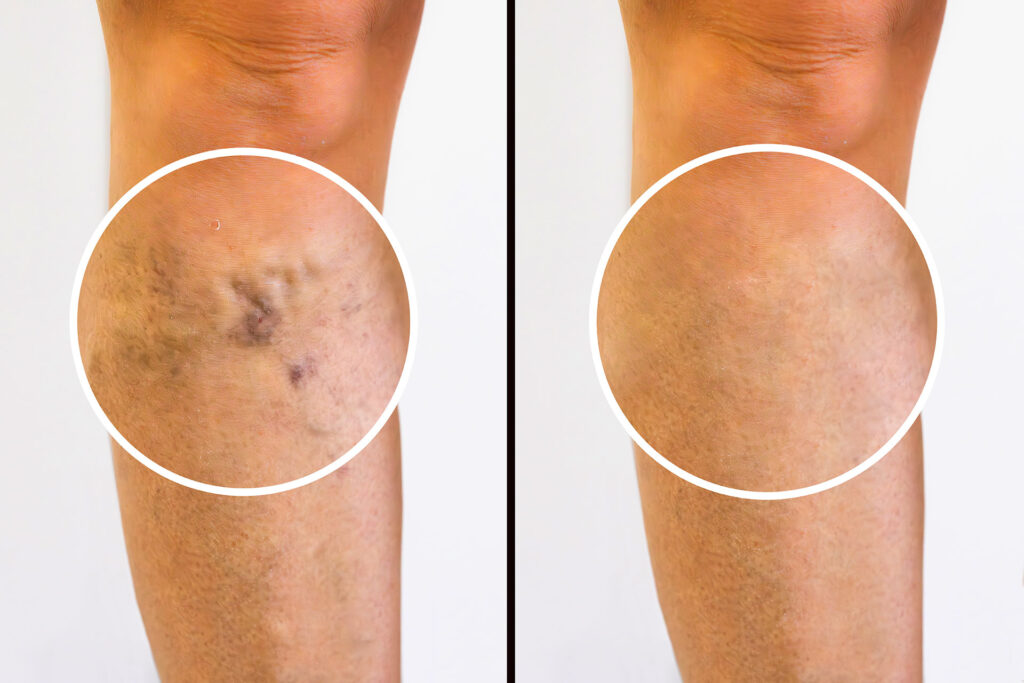
Early consultation often means less invasive treatment options, shorter recovery times, and better long-term outcomes for your vein health.
Final Thoughts
Early stage varicose veins symptoms are easy to overlook, but they carry important information about your circulatory health. Leg heaviness, mild swelling, spider veins, and occasional aching are all signals worth paying attention to rather than dismissing as everyday fatigue. Taking action now, whether through lifestyle changes or a specialist consultation, can protect your legs from more serious complications later and help you stay comfortable and confident for years to come.
Frequently Asked Questions
Q: Can early stage varicose veins go away on their own?
A: They rarely disappear completely, but symptoms can improve with lifestyle changes like exercise, compression stockings, and leg elevation.
Q: Are spider veins the same as varicose veins?
A: No, spider veins are smaller and closer to the skin’s surface, while varicose veins are larger, twisted, and more raised.
Q: Is leg heaviness always a sign of varicose veins?
A: Not always, but persistent heaviness combined with swelling or visible veins often points toward early venous insufficiency.
Q: How long does it take for varicose veins to progress?
A: Progression varies by person, but untreated symptoms can worsen over several months to years depending on lifestyle and genetics.
Q: Can young people develop early stage varicose veins symptoms?
A: Yes, factors like prolonged standing, pregnancy, or genetics can trigger symptoms even in people under 30.