
Reviewed by Dr. Amir Issa, MD, DABVLM, RPhS · CURA Vein Doctors · October 2026
Stress doesn’t cause varicose veins out of nowhere. What it does is quietly lean on the same mechanisms that already make veins fail, and that connection is more direct, and more measurable, than most people realize.
Can Varicose Veins Get Worse with Stress?
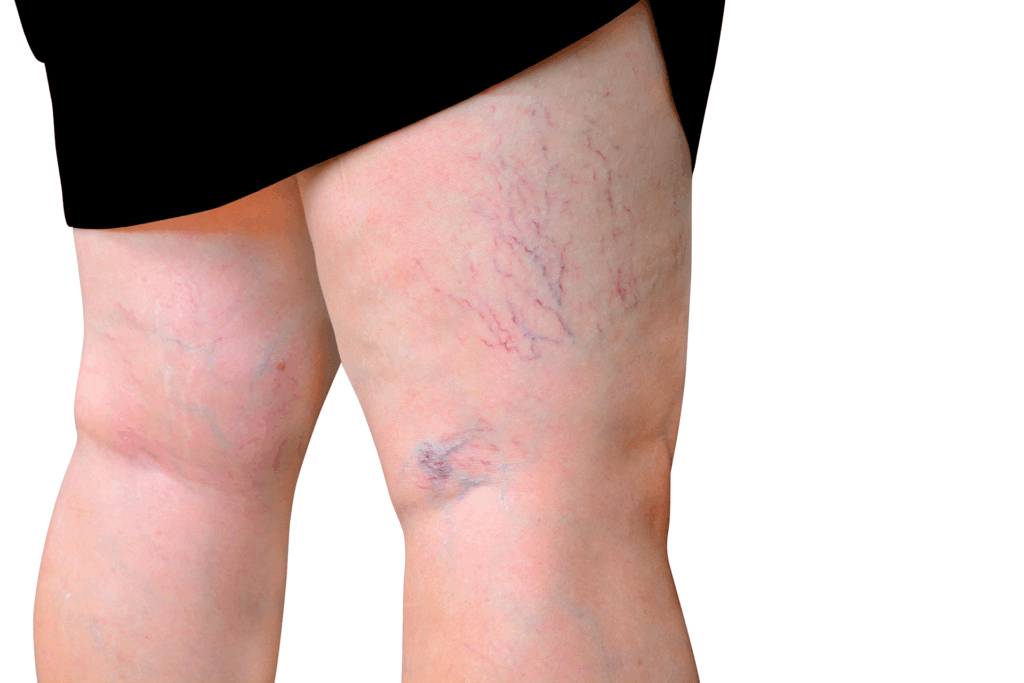
Yes. Stress triggers a rise in cortisol and blood pressure, both of which put extra strain on vein walls and the valves inside them. This doesn’t create varicose veins from nothing, but in veins already weakened by genetics or age, chronic stress measurably speeds up how fast symptoms progress, including how swollen or purple affected veins become.
How Stress Actually Affects Your Veins
Cortisol, the body’s primary stress hormone, does more than affect your mood. Research on venous wall pathology shows that chronic venous insufficiency develops through inflammation and structural breakdown of the vein wall itself, and chronic stress contributes to both processes directly, not just indirectly through worse habits.
| Stress Response | Effect on Veins |
|---|---|
| Elevated cortisol | Weakens vein wall structure over time |
| Increased blood pressure | Adds mechanical strain on already-weakened vein valves |
| Chronic inflammation | Drives the tissue remodeling seen in venous insufficiency |
| Behavioral changes | Less activity, weight gain, and poor sleep compound the effect |
Do Stress Veins Go Away?
Not entirely on their own. Managing stress can ease symptoms, less throbbing, less visible swelling, and may slow how fast existing veins worsen, but it doesn’t close a vein whose valve has already failed. A mild, temporary flare-up of vein visibility tied to a stressful stretch can settle down once stress levels drop. Established varicose veins need treatment, not just stress management, to actually resolve.
How to Strengthen Veins in Legs?
- Stay active. Walking or swimming engages the calf muscle pump that pushes blood back toward the heart.
- Manage stress directly. Lower cortisol through activities with actual evidence behind them, not just willpower.
- Eat flavonoid-rich foods. Berries, citrus, and leafy greens support vein wall integrity.
- Maintain a healthy weight. Less pressure on leg veins means less strain on already-taxed valves.
- Wear compression stockings. Especially during long stretches of sitting or standing.
- Avoid smoking. It directly damages vessel walls and compounds stress-related effects.
How Long Should I Elevate My Legs for Varicose Veins?
Fifteen to twenty minutes, a few times a day, is typically enough to meaningfully reduce pooling and swelling. Elevating above heart level works best, propping your legs on a couple of pillows while lying down rather than just kicking your feet up on a coffee table. Longer sessions don’t add much extra benefit, consistency throughout the day matters more than one long stretch.
Stress-Reduction Habits That Also Support Vein Health
| Habit | How It Helps Both |
|---|---|
| Regular walking or swimming | Lowers cortisol and activates the vein-supporting calf muscle pump |
| Deep breathing or meditation | Activates the parasympathetic system, lowering blood pressure |
| Consistent sleep schedule | Reduces the cortisol dysregulation tied to poor sleep |
| Limiting caffeine and alcohol | Both can elevate blood pressure and intensify the stress response |
When Should You See a Doctor of Veins About Stress and Varicose Veins?
See a doctor of veins if stress seems to be making existing veins more prominent, purple, or intermittent pain, or if you notice new aching, leg swelling, or visible veins that don’t ease up once stress levels come down. For more on what vein color changes actually mean, see our guide on what color are veins.
Frequently Asked Questions
Can varicose veins get worse with stress?
Yes. Cortisol and elevated blood pressure from stress put extra strain on already-weakened vein walls and valves, speeding up symptom progression.
Do stress veins go away?
Mild, temporary flare-ups can ease once stress drops. Established varicose veins with a failed valve need treatment to fully resolve.
How to strengthen veins in legs?
Regular activity, a flavonoid-rich diet, a healthy weight, and compression stockings all support vein wall strength and function over time.
How long should I elevate my legs for varicose veins?
Fifteen to twenty minutes, a few times daily, above heart level. Consistency throughout the day matters more than one long session.
Stress management helps, but it isn’t a substitute for having a weakened vein actually evaluated. Call CURA Vein Doctors at +1 973-363-2029 or use the contact page to find out what’s really going on.
References
- Factors Influencing Venous Remodeling in the Development of Varicose Veins of the Lower Limbs. International Journal of Molecular Sciences. ncbi.nlm.nih.gov/pmc/articles/PMC10855638
- TGF-β1 in Vascular Wall Pathology: Unraveling Chronic Venous Insufficiency Pathophysiology. National Library of Medicine. ncbi.nlm.nih.gov/pmc/articles/PMC5751137