

Have you ever glanced at your wrist or the back of your hand and wondered why your veins look blue or green, even though you know your blood is red? It’s one of the most common anatomical curiosities, and the answer is far more fascinating than you might think. The truth about what color are veins involves a captivating mix of biology, physics, and optical illusion that most people get completely wrong.
What Color Are Veins, Really?
Contrary to popular belief, veins are not blue. In reality, human veins range in color from a pale, translucent yellowish hue to a deep reddish-brown, depending on the blood inside them and the thickness of the vessel walls. When surgeons perform operations and see veins up close, they appear in shades of red, pink, or grayish-tan, never the cool blue tone you see through your skin.
So why do they look blue or green when you look down at your arms? The answer lies not in the veins themselves, but in the way light interacts with your skin.
Why Do Veins Look Blue Through the Skin?
The blue appearance of veins is essentially an optical illusion caused by how different wavelengths of light penetrate and reflect off your skin. Here’s what’s actually happening:
- Light absorption: Red light has a longer wavelength and penetrates deeper into the skin, where it gets absorbed by the hemoglobin in your blood.
- Light reflection: Blue light has a shorter wavelength and is reflected back to your eyes more easily from the surface layers of skin.
- Visual contrast: Your brain compares the slightly different shade above the vein to the surrounding skin, exaggerating the blue or greenish tone.
So while your blood and veins are predominantly red, the physics of light scattering creates the illusion that your veins are blue or green when viewed beneath the skin.
Is Deoxygenated Blood Blue?
This is another widespread myth. Blood is never blue. Oxygen-rich blood traveling through your arteries is bright cherry red, while oxygen-poor blood returning through your veins is a darker, maroon or burgundy red. The deoxygenated blood may appear slightly darker, but it never turns blue inside your body.
This misconception likely stems from old anatomy textbooks, where arteries are colored red and veins are colored blue purely for educational clarity, not biological accuracy.
What Determines How Visible Your Veins Appear?
The visibility and apparent color of your veins can vary significantly from person to person. Several factors influence how prominent your veins look:
1. Skin Tone and Thickness
People with fair or thin skin tend to have more visible veins because there’s less tissue to obscure them. In darker skin tones, veins may appear greener due to how light filters through the melanin in the skin.
2. Body Fat Percentage
Individuals with lower body fat have less tissue between their skin and veins, making the vessels more pronounced. This is why athletes and bodybuilders often have highly visible “vascular” arms and legs.
3. Age
As we age, our skin naturally thins and loses elasticity, while collagen production decreases, and chronic vein-related pain management becomes increasingly relevant.
4. Temperature and Activity
Exercise, heat, and physical exertion cause veins to dilate and become more visible. Cold temperatures, on the other hand, cause vessels to constrict.
5. Genetics
Some people are simply genetically predisposed to having more visible veins, regardless of their lifestyle or body composition.
Quick Fact: The deepest veins in your body, like those near your heart, can carry up to 70% of your total blood volume at any given moment. They’re storage reservoirs as much as transport vessels!
When Vein Color Signals a Health Concern
While normal vein color variations are harmless, sometimes changes in the appearance of your veins can indicate underlying health issues. Pay attention to these warning signs:
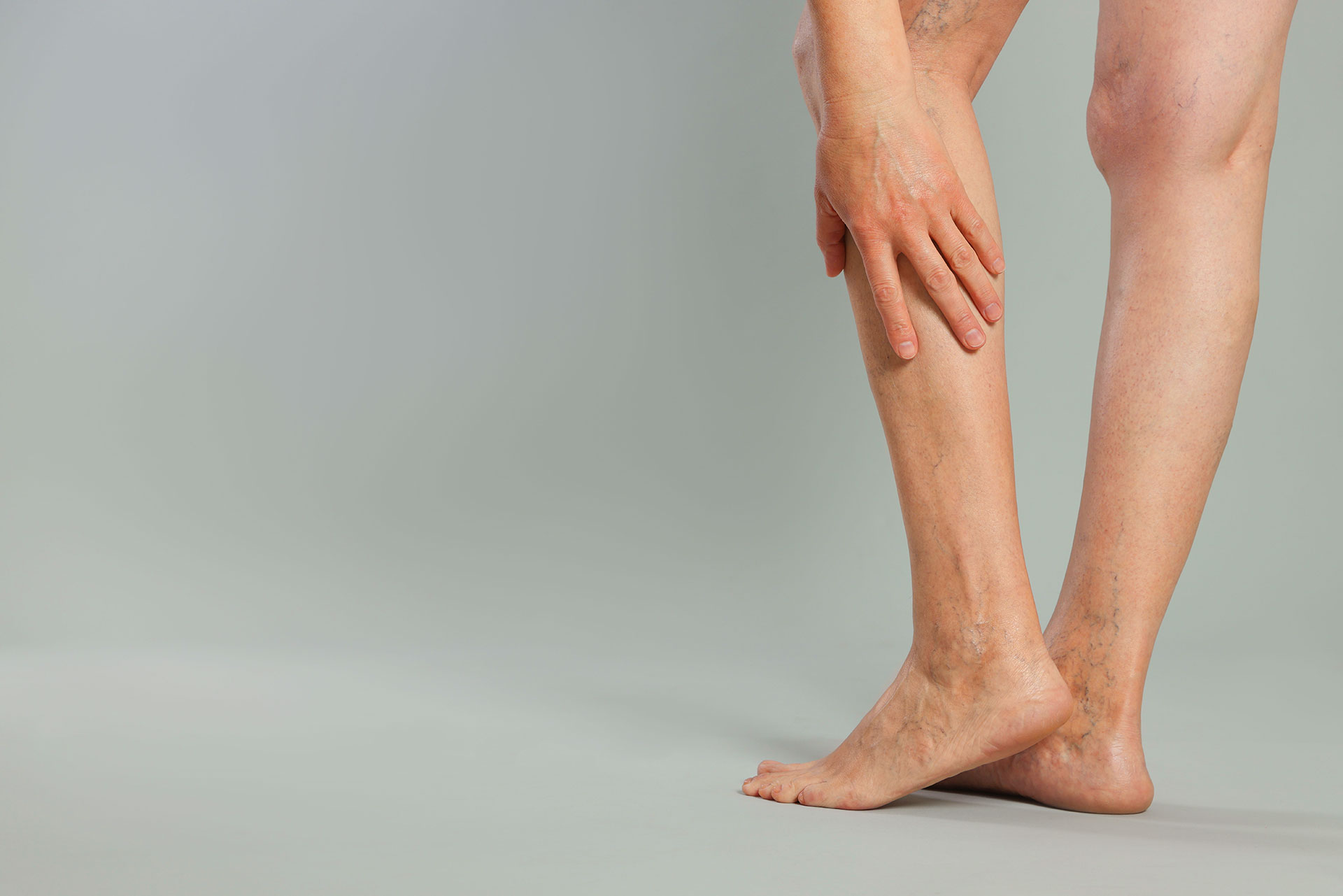
- Bulging, rope-like veins: These could be varicose veins, a sign of weakened valves and poor circulation.
- Spider veins: Small, web-like clusters of red, purple, or blue veins near the skin’s surface.
- Sudden color changes: Veins that turn dark purple or black, especially with pain or swelling, may signal a blood clot.
- Skin discoloration around veins: Brownish or reddish patches near visible veins can indicate chronic venous insufficiency.
- Warmth and tenderness: These symptoms combined with vein discoloration could point to phlebitis or deep vein thrombosis.
Treatment Options for Problematic Veins
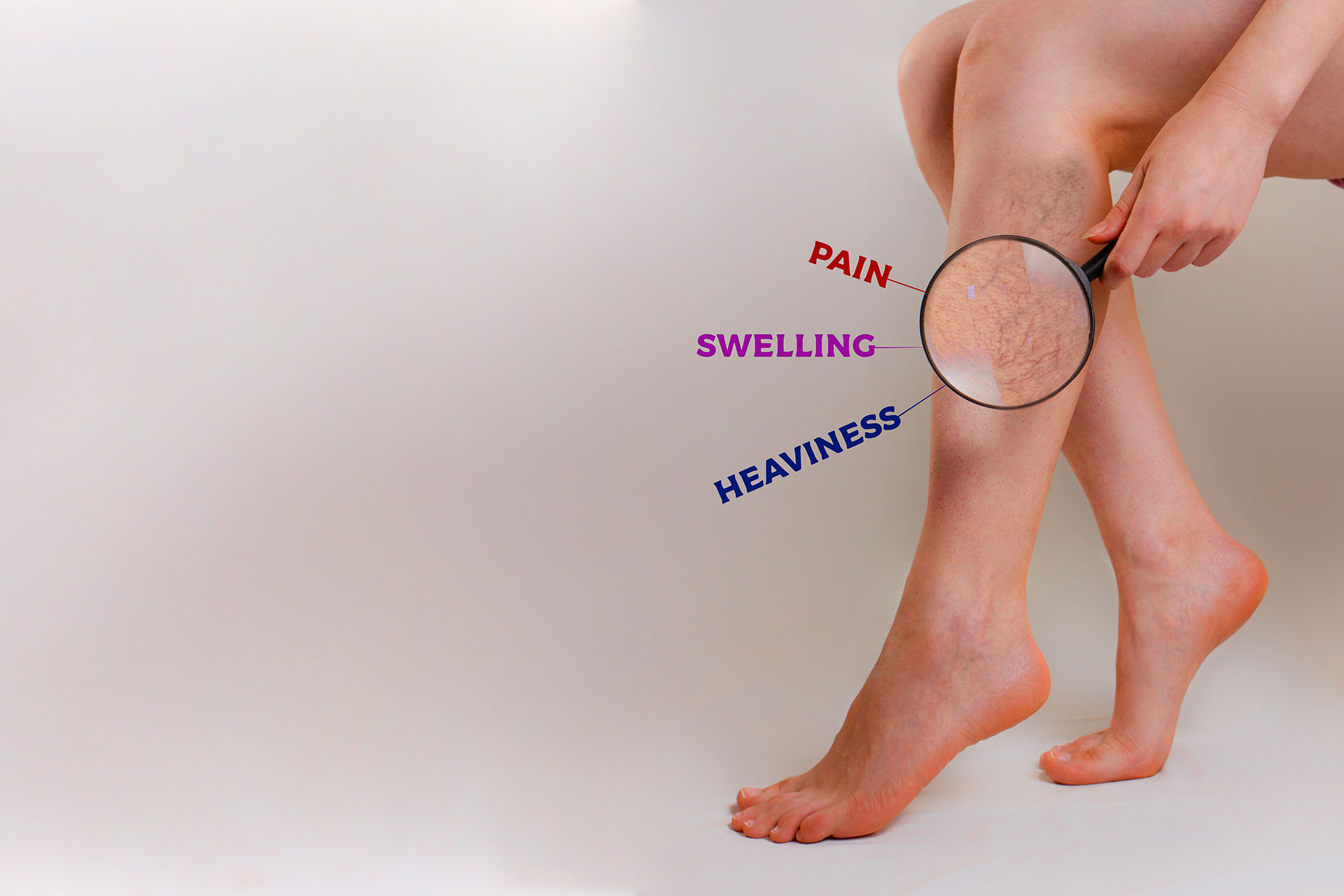
If you’re experiencing varicose veins or chronic venous issues, modern medicine offers several minimally invasive solutions that can restore both function and appearance. One of the most effective and widely used procedures today is radiofrequency ablation for varicose veins, which uses targeted heat energy to seal off damaged veins and redirect blood flow to healthier vessels, all without the need for major surgery.
Other common treatments include:
- Sclerotherapy: Injection of a solution that causes problem veins to collapse and fade.
- Endovenous laser therapy (EVLT): Uses laser energy to close off damaged veins.
- Compression therapy: Specialized stockings that improve circulation.
- Lifestyle changes: Regular exercise, weight management, and elevation of the legs.
How to Keep Your Veins Healthy
Maintaining vein health is essential for overall circulation and long-term wellness. Here are practical steps to support healthy veins:
- Stay active: Regular movement, especially walking and swimming, promotes healthy blood flow.
- Maintain a healthy weight: Excess weight puts pressure on your veins, especially in the legs.
- Eat a vein-friendly diet: Foods rich in fiber, antioxidants, and flavonoids support vascular health.
- Hydrate properly: Adequate water intake helps maintain blood volume and circulation.
- Avoid prolonged sitting or standing: Take breaks to move and stretch throughout the day.
- Elevate your legs: Raising your legs above heart level reduces pressure on lower-body veins.

The Truth About Vein Color
So, what color are veins? Despite the blue appearance through your skin, your veins are actually shades of red, pink, or grayish, and the blood inside them is always red, never blue. The bluish or greenish tint you see is purely an optical phenomenon caused by how light interacts with skin and tissue. Whether you’re dealing with cosmetic concerns or symptoms of venous disease, modern treatments offer safe, effective solutions to restore your vein health and confidence. Pay attention to your body, take preventive measures, and don’t hesitate to consult a vein specialist if you notice anything unusual.