
They both appear on the legs, they both involve veins you can see, and people mix up the names constantly. But spider veins and varicose veins are genuinely different conditions with different mechanisms, different risk levels, and different paths to treatment. Getting them confused is easy. Knowing which one you are actually dealing with changes everything that comes next.
What Is the Difference Between Spider Veins and Varicose Veins?
Spider veins are small, flat or barely raised vessels close to the skin surface, typically red or purple, and mostly cosmetic. Varicose veins are larger, structurally distorted veins caused by valve failure, which produce visible bulging, aching, swelling, and other symptoms. Both involve damaged veins, but varicose veins reflect a deeper circulatory problem.
How They Look: Telling Them Apart Visually
The visual difference between spider veins vs varicose veins is usually the first thing people notice, and it is the most reliable starting point for telling them apart.
Spider veins sit just beneath the skin surface. They branch outward in thin lines or web-like clusters, usually red, blue, or purple, and typically no wider than a millimeter or two. They do not bulge. You can see them, but running a finger over the skin above them often feels smooth.
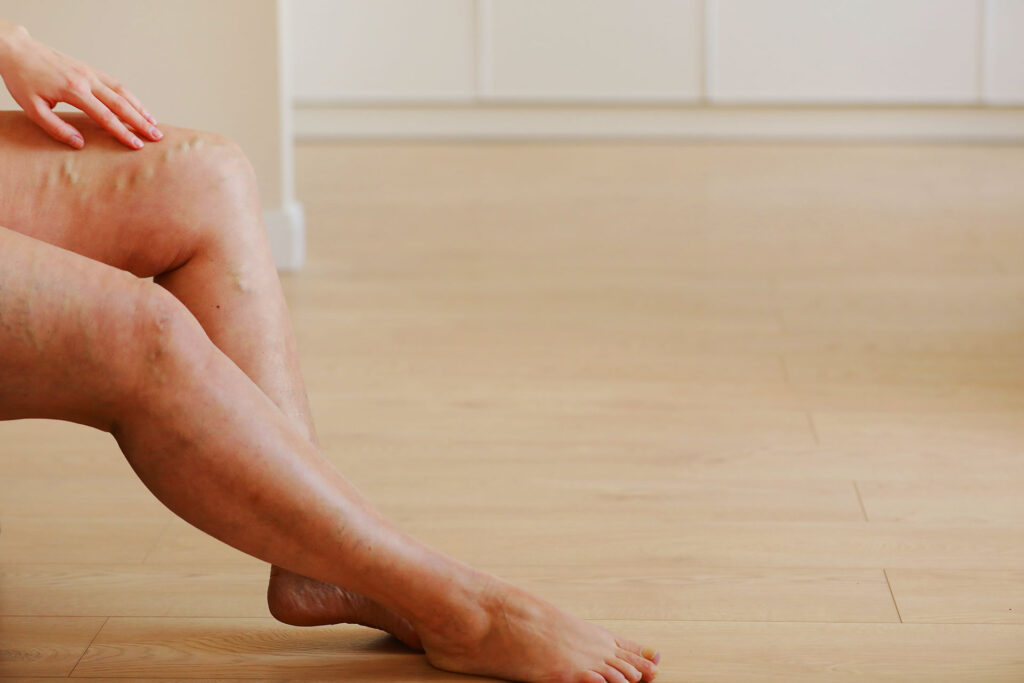
Varicose veins are a different sight entirely. They are larger, raised, and often twisted or rope-like in appearance. They tend to protrude above the surrounding skin. The color leans toward dark blue or purple, and they most commonly appear along the inner thigh, the back of the calf, and behind the knee.
| Feature | Spider Veins | Varicose Veins |
|---|---|---|
| Size | Very small, under 2mm | Large, often over 3mm |
| Appearance | Flat or barely raised, web-like | Raised, twisted, rope-like |
| Color | Red, blue, or purple | Dark blue or purple |
| Texture | Smooth to the touch | Raised, feels like a cord |
| Location | Legs, face, anywhere | Legs, ankles, feet |
| Depth | Just below skin surface | Superficial venous system |
| Medical concern | Mostly cosmetic | Progressive medical condition |
Different Causes, Same Starting Point
Both conditions involve veins that have stopped working optimally, but the mechanism behind each differs in scale and consequence.
What Causes Spider Veins
Spider veins develop when small superficial blood vessels sustain damage or pressure. The exact trigger is not always identifiable, but the contributing factors are well established:
- Family history, since genetics influence vein wall strength significantly
- Prolonged standing or sitting, particularly in occupations that demand it
- Hormonal shifts from pregnancy, oral contraceptives, or menopause
- Sun exposure, especially on the face
- Prior leg injury or localized trauma
- Excess body weight placing sustained pressure on the venous system
Spider veins do not involve valve failure in the same structural way varicose veins do. They are damaged capillaries and small venules, not malfunctioning saphenous valves.
What Causes Varicose Veins
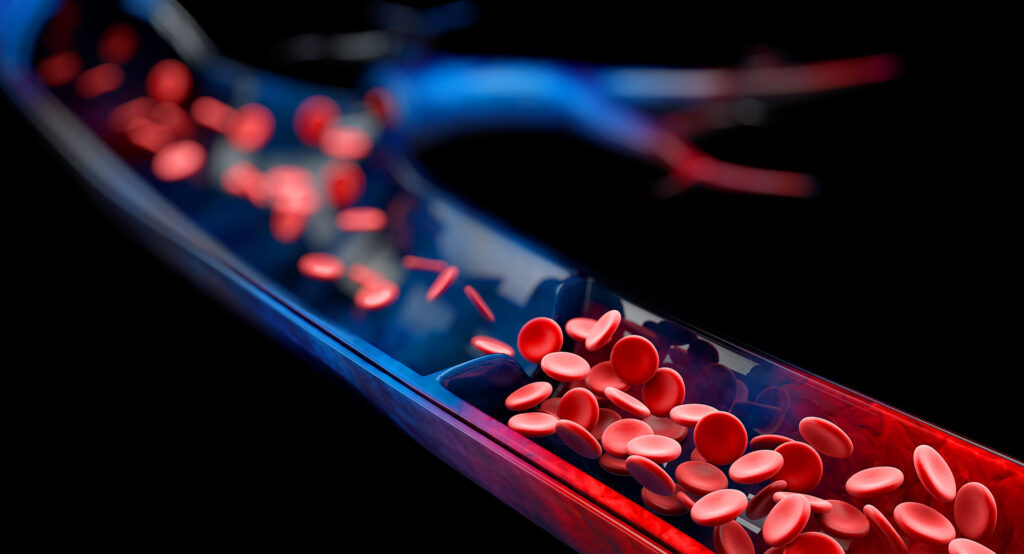
Varicose veins come from a more systemic failure. The one-way valves inside the saphenous veins weaken over time and stop closing properly. Blood that should travel upward toward the heart drifts back down, pools in the vein, and raises the internal pressure. The vein wall stretches under that pressure. It twists and enlarges. What you see from the outside is the result of that internal distortion.
Risk factors for varicose veins:
- Family history of venous insufficiency
- Age, as valves lose elasticity over decades
- Pregnancy, particularly multiple pregnancies
- Jobs requiring long hours of standing
- Female hormones and hormone-based medications
- Excess weight
- Prior deep vein thrombosis, which can permanently damage valve architecture
Symptoms: Where the Real Difference Shows
Most people with spider veins feel nothing. That is one of the clearest ways to separate spider veins vs varicose veins in everyday life. Occasionally, spider veins produce mild burning or itching near the affected area, but they rarely disrupt daily life.
Varicose veins are a different matter. The symptoms they produce come from sustained venous pressure affecting not just the vein but all the tissue around it.
Common varicose vein symptoms:
- Aching or throbbing that builds through the day and eases with elevation
- A persistent heaviness in the legs, particularly by late afternoon
- Ankle swelling that clears overnight and returns the following day
- Itching or burning skin near the vein or around the ankle
- Nighttime calf cramps
- Skin discoloration near the inner ankle in advanced cases
- Slow-healing wounds near the ankle in the most progressed stage
Can Spider Veins Turn into Varicose Veins?
Spider veins do not transform into varicose veins. They are different types of vessels. However, the two conditions share underlying risk factors, and some people develop both simultaneously. When spider veins appear alongside varicose veins, vein specialists typically recommend treating the varicose veins first. The pressure generated by failing saphenous valves feeds into the smaller vessels nearby, and addressing the root cause first produces better long-term outcomes for the spider veins as well.
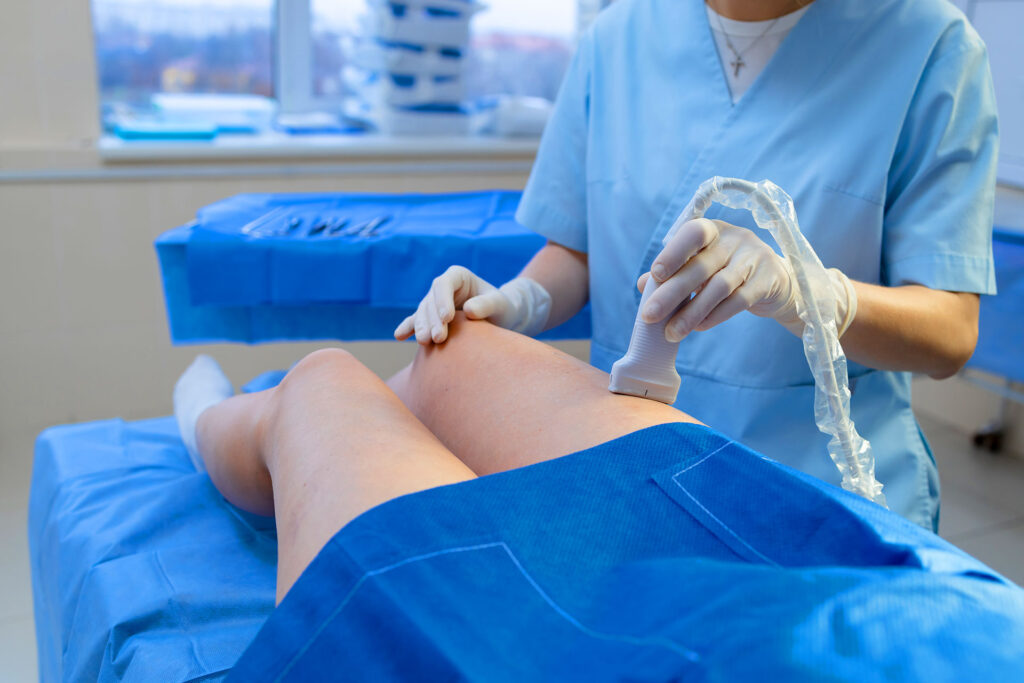
The presence of spider veins can also signal elevated venous pressure that has not yet produced visible varicose veins. This is why a duplex ultrasound is worth considering even when the only visible abnormality looks cosmetic.
Treatment Options for Each Condition
Treating Spider Veins
Because spider veins are predominantly a cosmetic concern, treatment is elective for most patients. Two methods dominate:
- Sclerotherapy. A solution injected directly into the spider vein irritates the vessel wall, causes it to collapse, and allows the body to absorb it gradually. Most patients need one to three sessions. Results become visible over several weeks.
- Laser therapy. Targeted light energy heats the vessel without breaking the skin. Better suited for very small veins or facial spider veins where sclerotherapy is not ideal.
Treating Varicose Veins
Varicose veins require treatment aimed at closing or removing the dysfunctional vein entirely, not just the visible surface manifestation. When symptoms are severe enough, a pain management referral may be part of the overall care plan before or alongside procedural treatment.
- Endovenous laser ablation (EVLA). A thin laser fiber inserted into the vein delivers energy that seals the vein wall from the inside. Done under local anesthesia, in-office, typically within an hour.
- Radiofrequency ablation (RFA). Uses heat delivered via radiofrequency energy to close the vein. Similar process to EVLA, sometimes with slightly less post-procedure discomfort.
- Sclerotherapy. Works for smaller varicose veins and branch vessels alongside ablation of the main trunk.
- Phlebectomy. Small surface incisions allow physical removal of veins that are too close to the skin for thermal ablation. Often performed alongside ablation in the same session.
| Treatment | Spider Veins | Varicose Veins | In-Office | Recovery |
|---|---|---|---|---|
| Sclerotherapy | Yes | Smaller ones only | Yes | Same day |
| Laser therapy (surface) | Yes | No | Yes | Same day |
| Endovenous laser ablation | No | Yes | Yes | 1 to 2 days |
| Radiofrequency ablation | No | Yes | Yes | 1 to 2 days |
| Phlebectomy | No | Yes | Yes | 2 to 3 days |
When to See a Vein Specialist
Spider veins alone, without symptoms, rarely need urgent attention. Varicose veins that cause consistent discomfort, swelling, or skin changes deserve evaluation sooner rather than later, since the condition progresses without treatment. Patients managing both vein-related discomfort and chronic pain may also benefit from exploring peripheral nerve stimulation as part of a broader treatment plan.
Seek prompt evaluation if you notice:
- A varicose vein that becomes red, hard, and tender, which may indicate superficial thrombophlebitis
- Sudden swelling in one leg with warmth and pain, which can signal deep vein thrombosis
- A vein that bleeds after minor contact, as thinned skin over varicose veins can rupture
- An open sore near the ankle that is not healing, which points to advanced venous insufficiency
Frequently Asked Questions
What’s Worse, Varicose Veins or Spider Veins?
Varicose veins are a more serious condition. They result from valve failure inside the venous system, cause real symptoms, and can progress to chronic venous insufficiency, skin damage, and venous ulcers. Spider veins are largely cosmetic and rarely progress to anything dangerous. Both deserve attention, but varicose veins carry greater medical weight.
How Do You Get Rid of Spider Veins on Your Legs?
Sclerotherapy is the most effective and widely used treatment, involving a direct injection that collapses the vein. Surface laser therapy works well for very small or facial veins. Compression stockings and regular walking help prevent new ones from forming but will not eliminate existing spider veins on their own.
Can Varicose Veins Look Like Spider Veins?
Early or small varicose veins can appear similar to spider veins, particularly when they have not yet bulged significantly. The key distinction is structure: varicose veins feel raised and cord-like under the skin, while spider veins feel flat. A duplex ultrasound will definitively identify valve failure even when the visible difference is unclear.
Should I Worry About Spider Veins in My Legs?
Most spider veins are harmless and need no treatment beyond cosmetic preference. The exception is when they appear alongside symptoms like aching, heaviness, or ankle swelling, or when they cluster near the ankle with skin color changes. In those cases, an ultrasound can determine whether underlying venous pressure is driving their appearance.
Can You Get Varicose Veins in Your 20s?
Yes. Varicose veins are more common after 40, but they can develop in the 20s, particularly with a strong family history, pregnancy, or a job requiring prolonged standing. The valves in the great saphenous vein can weaken at any age. Early presentation in young patients often means a stronger genetic component is at work.
Why Am I Getting Spider Veins So Young?
Genetics is the most common explanation for early spider veins. If a parent or grandparent developed them young, the likelihood increases significantly. Hormonal factors, including oral contraceptives and early pregnancies, also accelerate their appearance. Prolonged standing at a young age, certain medications, and prior leg injuries all contribute as well.