
Cold toes at night. Tingling after sitting too long. Feet a shade paler than they used to be. That’s poor blood circulation, and it’s more common than people think. It often gets dismissed as “just getting older,” when it’s really your body flagging something worth a closer look. Blood flow to the feet slows for a handful of reasons, some minor, some not. Symptoms overlap no matter the cause, so guessing isn’t a great strategy.
What Causes Poor Blood Circulation in Feet?
Poor circulation usually traces back to narrowed arteries (PAD), nerve and vessel damage from diabetes, weakened vein valves (venous insufficiency), Raynaud’s phenomenon, smoking, or too much sitting. Each slows blood flow differently, but all can leave feet cold, numb, or achy over time.
Peripheral artery disease (PAD). Plaque builds up inside the arteries until it narrows the passageway more than blood flow can handle. The American Heart Association puts PAD at over 12 million U.S. adults, with prevalence climbing sharply after 50.
Diabetes and neuropathy. Elevated blood sugar damages nerves and vessels over time. It reduces blood flow and dulls sensation, so cuts or blisters can go unnoticed for days.
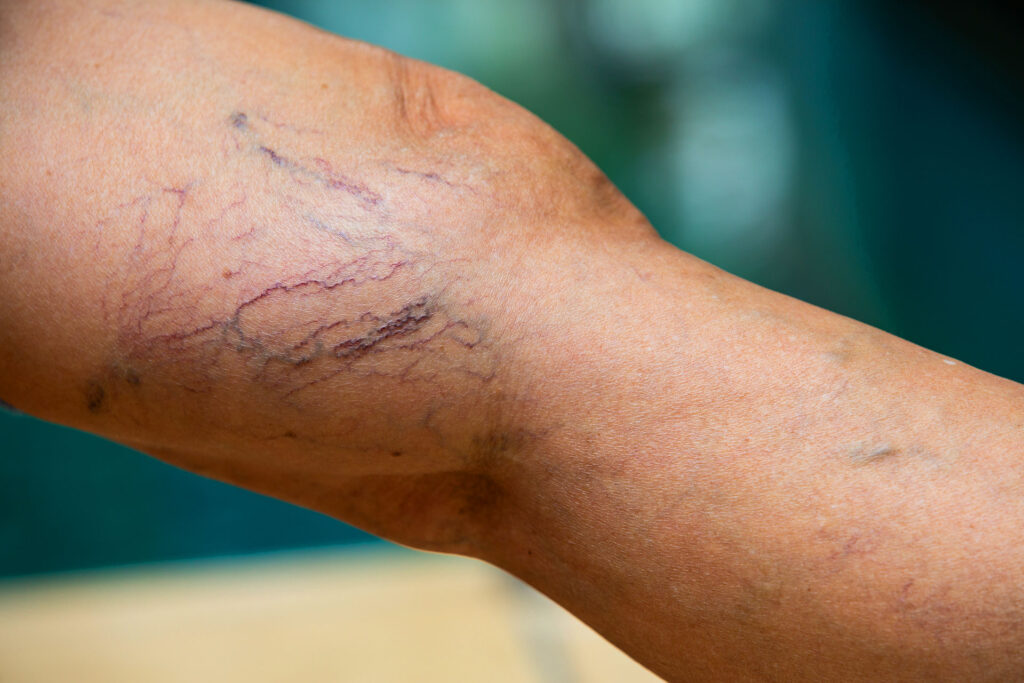
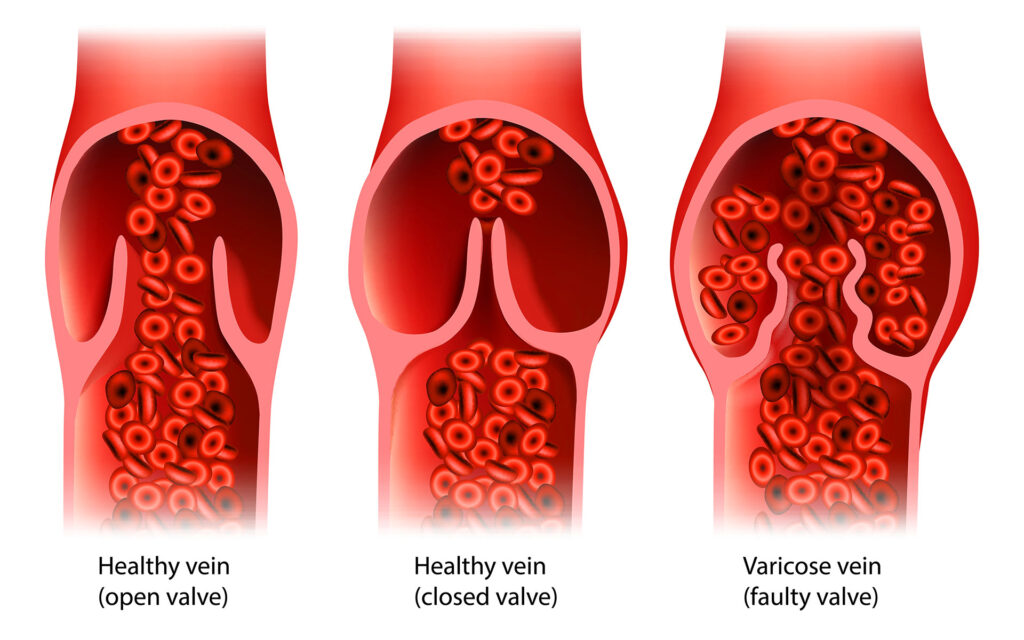
Venous insufficiency. Valves inside leg veins wear out and stop pushing blood back toward the heart. Blood pools near the ankles and feet, causing swelling and heaviness that can mimic arterial symptoms.
Raynaud’s phenomenon. Cold or stress causes small vessels in the feet and hands to clamp down, cutting off blood flow temporarily. Skin can turn white, then blue, then red once it warms back up.
Smoking. Cigarette smoke damages vessel linings and causes them to constrict, making it one of the biggest modifiable risk factors for poor circulation.
Sedentary lifestyle and obesity. Sitting for hours slows blood flow throughout the body. Extra weight adds more pressure on leg veins.
Causes at a Glance
| Cause | Type | Common Symptoms | Who’s Most at Risk |
|---|---|---|---|
| Peripheral artery disease | Arterial | Leg pain when walking, cold feet, weak pulse | Smokers, adults over 50, high cholesterol |
| Diabetes / neuropathy | Nerve and vessel | Numbness, tingling, slow-healing sores | Anyone with type 1 or type 2 diabetes |
| Venous insufficiency | Venous | Swelling, heaviness, aching, visible veins | People who stand a lot, pregnancy, family history |
| Raynaud’s phenomenon | Vascular spasm | Cold, white or blue skin triggered by cold or stress | Women, colder climates |
| Smoking | Arterial | Cold extremities, slow wound healing | Current and former smokers |
| Sedentary lifestyle | Circulatory | General sluggish circulation, mild swelling | Desk jobs, limited mobility |
What Are the Signs of Poor Circulation in the Feet?
Common signs include cold feet, numbness or tingling, cramping after walking, swelling, pale or bluish skin, slow-healing sores, and a weak or missing pulse. One symptom alone may not mean much, but several together, especially if they persist, are worth checking.
- Feet that stay cold no matter the room temperature
- Numbness or persistent pins-and-needles
- Cramping or aching after walking
- Swelling around the feet or ankles
- Skin that looks pale, bluish, or blotchy
- Cuts or sores that take forever to heal
- A weak or hard-to-find pulse in the foot
- Shiny, tight skin, or hair thinning on the lower legs
When Is Poor Circulation in the Feet a Medical Emergency?
Poor circulation becomes an emergency if a foot suddenly turns cold, pale, or blue, if pain is sudden and severe, or if you lose feeling, movement, or pulse in the foot. These signs can point to an acute blockage or blood clot and call for immediate care.
- A foot that suddenly turns cold, pale, or blue
- Sudden, sharp, or severe pain in the leg or foot
- Loss of feeling or movement in the foot
- No detectable pulse in the foot
Waiting even a few hours on symptoms like these can mean the difference between a full recovery and permanent tissue damage.
How Can You Improve Blood Circulation in Your Feet?
Regular walking, elevating your feet, wearing compression socks, avoiding tight shoes, staying hydrated, quitting smoking, and eating a heart-healthy diet all help. Small, consistent habits beat occasional bursts of intense effort.
| Method | How It Helps | How Often |
|---|---|---|
| Walking or swimming | Strengthens the heart, pushes blood through the legs | 20 to 30 minutes, most days |
| Elevating your feet | Lets gravity assist blood back toward the heart | 15 to 20 minutes, a few times daily |
| Compression socks | Gentle pressure that supports vein function, cuts swelling | Daily, especially if you’re on your feet a lot |
| Skipping tight footwear | Keeps blood vessels from getting pinched off | Always |
| Staying hydrated | Keeps blood at a healthier, easier-to-move viscosity | Throughout the day |
| Quitting smoking | Removes one of the biggest culprits behind vessel damage | Ongoing |
| Warming cold feet | Helps head off vessel spasms, especially with Raynaud’s | As needed in cold weather |
| Eating a heart-healthy diet | Supports normal cholesterol, slows plaque buildup | Daily |
When Should You See a Doctor of Veins for Poor Circulation?
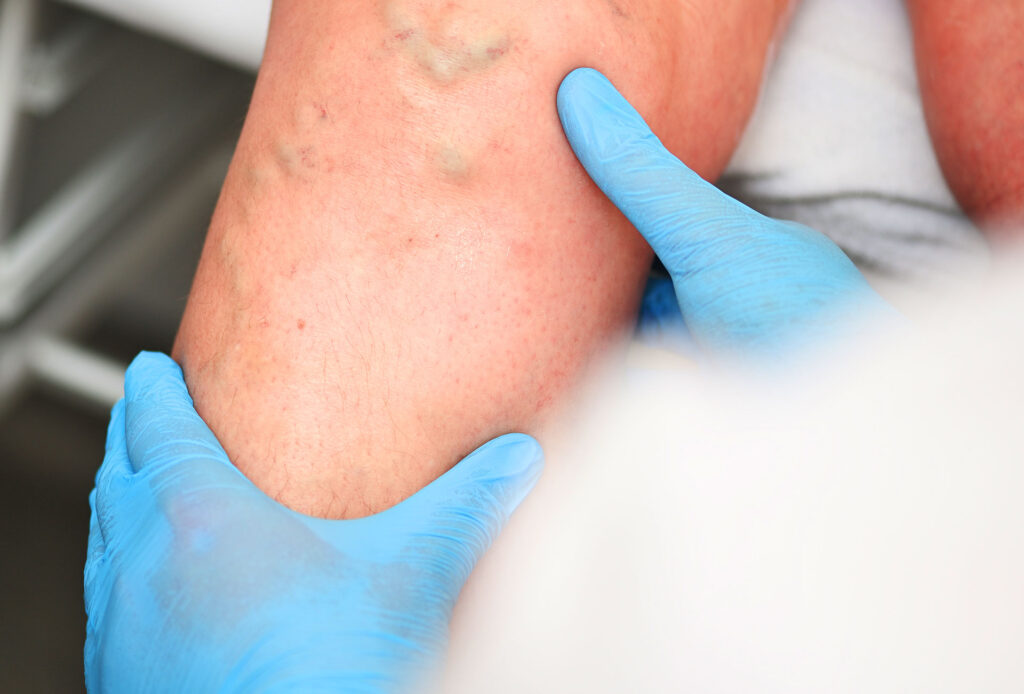
See a doctor of veins if your symptoms include swelling, heaviness, or aching that builds throughout the day, since these often trace back to venous insufficiency. A specialist can run a quick ultrasound to check how blood is moving and recommend the right treatment.
Leg heaviness and leg swelling tend to travel with venous insufficiency, one of the more treatable causes on this list. Treatment might mean lifestyle changes, compression therapy, or a minimally invasive procedure, depending on what the ultrasound shows.
Frequently Asked Questions
How do you fix poor circulation in your feet? Start with movement: short walks throughout the day, foot elevation, and compression socks. Avoid tight shoes, stay hydrated, and quit smoking if that applies. For deeper causes like PAD or venous insufficiency, see a doctor.
What are the signs and symptoms of poor circulation in the legs? Cold or numb legs and feet, tingling, cramping after walking, visible swelling, pale or bluish skin, and slow-healing sores are the main signs. A weak pulse in the foot is another red flag.
How can I improve circulation in my legs? Move regularly rather than sitting for long stretches, elevate your legs when resting, and wear compression socks if you’re on your feet often. Managing weight and treating any underlying vein or artery issue make a real difference.
What foods can help improve blood circulation in the legs? Fatty fish, leafy greens, beets, citrus fruits, and garlic support healthy circulation, largely through their effects on nitric oxide and inflammation. Cutting back on sodium and processed foods matters just as much.