
You glance down at your legs and notice the veins are suddenly more prominent than they used to be. Raised, visible, maybe a little uncomfortable. Most of the time this is harmless. Sometimes it is the first visible sign of a circulatory problem that has been developing quietly for years. Knowing the difference is what this is about.
Leg veins pop out for reasons that range from perfectly normal physiology to conditions that benefit from treatment. The cause shapes everything that follows.
Why Do Leg Veins Pop Out?
Leg veins pop out when internal venous pressure rises above what the vein wall can contain without expanding. This happens either temporarily, through exercise, heat, or dehydration, or persistently, through valve dysfunction and venous insufficiency. Temporary bulging is benign. Persistent bulging in the same location, especially with symptoms, points toward vein disease.
Reason 1: Valve Dysfunction and Venous Insufficiency
The most clinically significant reason leg veins pop out is valve failure inside the superficial venous system. Healthy vein valves open to let blood flow upward and snap shut to stop it from drifting back. When those valves weaken, blood slips backward with gravity and pools in the lower leg. The vein wall stretches outward under the accumulated pressure. What you see from outside is that stretch made visible.
This is venous insufficiency, and it is progressive. The longer it goes unaddressed, the more valves come under increased pressure and eventually fail in turn. The veins grow more pronounced over months and years, not days.
Signs that bulging veins relate to valve dysfunction rather than a benign cause:
- The same vein or veins are consistently prominent regardless of activity or temperature
- The bulging has increased gradually over months
- There is aching, heaviness, or swelling accompanying the visibility
- Symptoms worsen through the day and ease with elevation
- There is a family history of varicose veins
Because chronic leg symptoms can involve both vascular and neurological pathways, it is important to distinguish venous pressure from localized nerve discomfort. When leg pain persists despite addressing vascular factors, patients often explore clinical assessments for conditions typically treated with peripheral nerve stimulation.
Reason 2: Varicose Veins
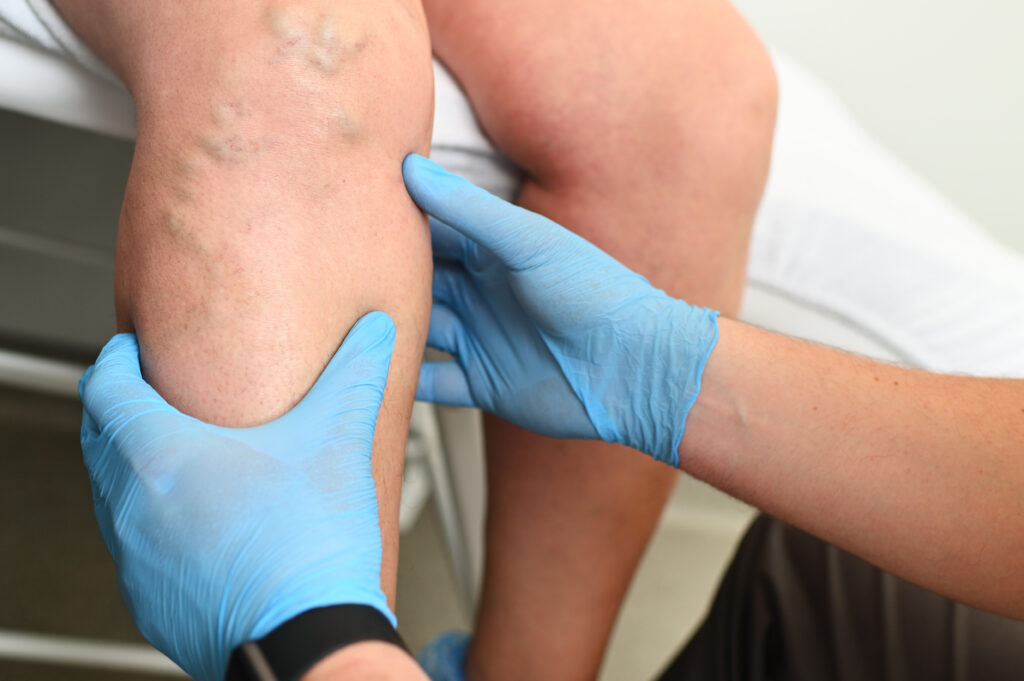
Varicose veins are the direct structural result of sustained venous insufficiency. When valve failure persists long enough, the vein wall loses its shape. The vein enlarges, twists, and protrudes above the skin surface. The result is the raised, rope-like, dark-blue or purple vein that most people recognize immediately.
They occur most commonly along the inner thigh, behind the knee, and down the calf. They are not simply cosmetic. Varicose veins represent a progressive medical condition that can lead to skin changes, ulceration, and clotting if left untreated. The aching and heaviness they produce follows a daily rhythm: present by afternoon, relieved by morning.
Reason 3: Exercise and Physical Exertion
This is the most common benign reason leg veins pop out, and the one that alarms people who have never seen it before. During exercise, cardiac output increases, blood volume shifts toward the muscles, and blood pressure rises. The veins dilate to handle the increased flow. They bulge visibly, sometimes dramatically so in lean or muscular individuals.
This is the cardiovascular system working correctly. The veins return to baseline within minutes of finishing the activity. No swelling follows. No symptoms persist. The same person may notice their veins barely at all on a rest day.
Reason 4: Heat and Temperature Regulation
The body dissipates heat through the skin by dilating surface blood vessels. In warm weather, after a hot shower, or during any activity that raises core body temperature, veins expand to move more warm blood close to the skin where it can cool down. This physiological response makes veins noticeably more prominent.
It is temporary, bilateral, and not accompanied by any discomfort beyond the heat itself. It resolves as the body cools. People with naturally lean builds or fair skin will notice it more than others, simply because there is less tissue to obscure the expanded veins.
Reason 5: Pregnancy
Pregnancy raises blood volume by around 40 to 50 percent. The growing uterus also compresses the pelvic veins, which backs up venous return from both legs. These two factors together create conditions that frequently cause leg veins to pop out, sometimes within the first trimester.
For many women, the veins subside after delivery as blood volume normalizes and pelvic compression resolves. For others, the sustained pressure during pregnancy accelerates underlying valve weakness and produces varicose veins that remain permanently. Each subsequent pregnancy carries a higher likelihood of lasting vein changes.
Reason 6: Low Body Fat and Natural Build
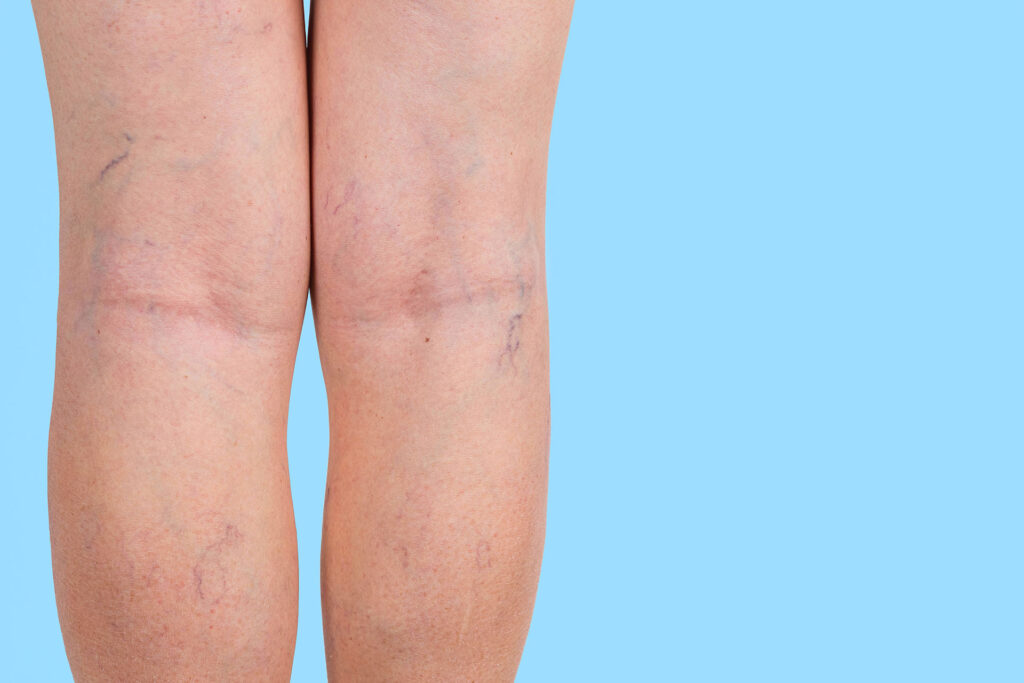
There is less tissue between the skin surface and the vein in lean individuals. Athletes, long-distance runners, and people with naturally slender frames often have visibly prominent veins that are structurally normal. The veins are not enlarged. They are simply closer to the surface.
This type of visibility is consistent, not progressive, and carries no symptoms. It tends to be more pronounced on the hands and forearms as well as the legs, and it does not follow the pattern of worsening through the day that characterizes venous insufficiency.
Reason 7: Age and Skin Thinning
Skin loses collagen and subcutaneous fat as people age. Veins that were well-hidden at 35 can become clearly visible by 55 without any change in the veins themselves. This gradual thinning removes the visual buffer between the vein and the surface. It is normal, though it does make any concurrent vein disease more apparent.
Reason 8: Phlebitis and Superficial Thrombophlebitis
Phlebitis is inflammation of a vein near the skin surface. When a small clot forms inside an inflamed vein, it becomes superficial thrombophlebitis. The affected vein segment becomes red, warm, tender to the touch, and hard, often feeling like a cord under the skin.
This is a different presentation from routine varicose veins. The tenderness and warmth are the distinguishing features. Most cases are not life-threatening, but they should be evaluated. A clot close to the junction between superficial and deep veins can extend into the deep venous system, which is a more serious situation.
Benign vs. Concerning: A Practical Guide
| Situation | Likely Cause | Action |
|---|---|---|
| Veins bulge during exercise, return to normal after | Increased blood flow and pressure | None needed |
| Veins more visible in heat or after hot shower | Temperature-driven dilation | None needed |
| Veins visible on both legs, no symptoms, athletic build | Low body fat, proximity to skin surface | None needed |
| Same vein persistently raised, worse in afternoon | Venous insufficiency | Schedule vein consultation |
| Bulging vein with aching, heaviness, swelling | Varicose veins | Schedule vein consultation |
| Vein segment red, warm, hard, and tender | Superficial thrombophlebitis | See a doctor within days |
| Sudden leg swelling, one leg only, calf pain | Possible deep vein thrombosis | Same-day evaluation |
| Skin near ankle discolored or developing sores | Chronic venous insufficiency | Prompt specialist referral |
When to See a Doctor About Bulging Leg Veins
Not every prominent vein warrants a clinic visit. But several patterns do.
See a vein specialist if:
- Bulging veins have been present for more than a few months and are not related to exercise or heat
- Aching, heaviness, or swelling accompanies the visibility
- Ankle swelling appears regularly by evening and clears overnight
- A vein segment has become red, tender, or cord-like
- Skin near the ankle has started to change color or texture
- Nighttime calf cramps or restless legs accompany visible veins
If a clinical evaluation rules out venous disease, the investigation should shift to the nerves. Chronic, localized pain that fails to respond to vascular intervention is often reassessed to determine if specific approaches, such as how DRG stimulation targets localized nerve pain, are better suited to address the underlying irritation.
Seek same-day evaluation if:
- One leg swells suddenly without explanation
- The calf becomes painful or warm with no obvious injury
- A varicose vein begins to bleed after minor contact
- Shortness of breath or chest pain accompanies any leg symptoms
Frequently Asked Questions
Is It Normal for Veins to Pop Out on Legs?
Yes, in many situations it is completely normal. Exercise, heat, low body fat, and age all cause veins to become more visible without indicating disease. The concern begins when bulging is persistent, confined to the same location, and accompanied by aching, swelling, or skin changes. Those patterns point toward venous insufficiency rather than normal physiology.
What Causes Visible Veins on Legs?
Visible leg veins result from reduced tissue between the vein and the skin surface, elevated venous pressure, or both. Low body fat, fair skin, heat, and exercise make normal veins more visible. Valve dysfunction, venous insufficiency, and varicose veins cause veins to enlarge structurally. The distinction between the two determines whether treatment is warranted.
What Vitamin Opens Up Leg Veins?
No vitamin directly opens or closes veins. Vitamin C supports collagen production in vein walls, and vitamin E has mild anticoagulant properties. Flavonoids found in certain plant foods support vein wall tone. None of these replace medical treatment for venous insufficiency, but adequate nutrition supports general vascular health alongside compression and lifestyle measures.
When to Worry About Leg Veins?
Worry is warranted when veins are persistently bulging without a benign explanation, when symptoms like aching, heaviness, or swelling accompany them, or when skin changes appear near the ankle. Sudden swelling, warmth, and calf tenderness in one leg need same-day evaluation to rule out deep vein thrombosis. A red, hard vein segment needs prompt assessment for thrombophlebitis.
Why Do My Veins Pop Out After Working Out?
Exercise increases cardiac output, blood pressure, and blood volume directed toward active muscles. The veins dilate to accommodate that flow and become visibly prominent during and shortly after exertion. This is a normal cardiovascular response. The veins return to baseline within minutes once activity stops. In fit, lean individuals the effect is more pronounced because there is less tissue obscuring the expanded vessels.
Is It Normal for Veins to Show More When You’re Fit?
Yes. Lower body fat means less subcutaneous tissue between the vein and the skin surface. Combined with increased blood volume from regular training and a more efficient cardiovascular system, fit individuals often have noticeably prominent veins at rest. This is structural visibility, not disease. It carries no symptoms and does not progress the way venous insufficiency does.