

Heavy legs is one of those complaints that tends to get dismissed, both by the person experiencing it and sometimes by the first clinician they mention it to. It does not sound dramatic. It rarely shows up on a standard blood panel. And because it comes and goes, it is easy to explain away as tiredness, stress, or getting older.
But for the people who deal with it regularly, the sensation of heavy legs is real, disruptive, and almost always traceable to something specific. The challenge is knowing where to look and what questions to ask.
The Triggers Most People Do Not Think to Mention
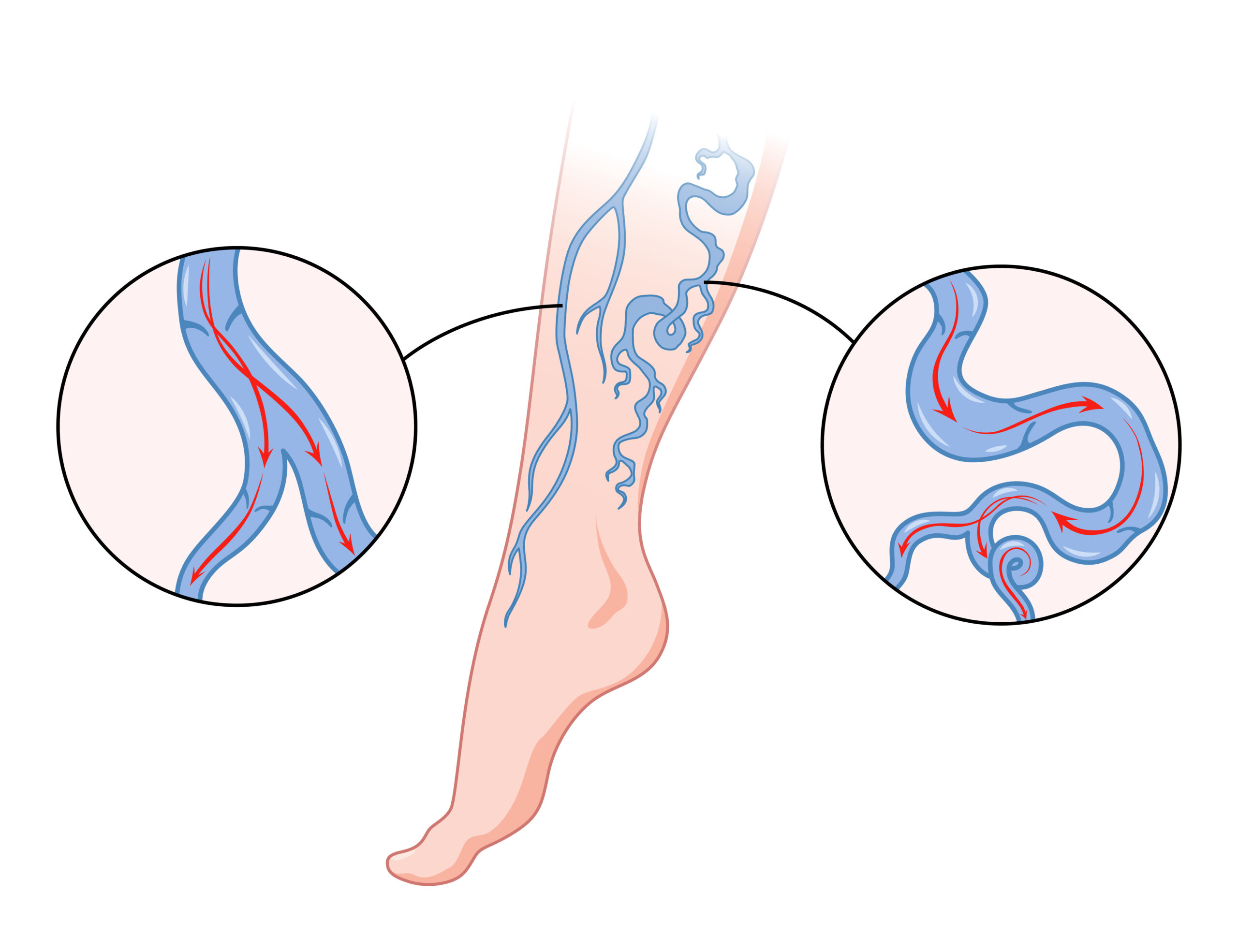
When someone first describes why do my legs feel heavy to a doctor, the conversation usually goes toward the obvious suspects: varicose veins, circulation, too much time on your feet. Those are valid starting points. But there is a longer list of contributing factors that rarely comes up in a five-minute appointment.
Triggers that are frequently underreported:
Warm temperatures cause veins to dilate, increasing blood volume in the lower leg. People with underlying venous insufficiency notice a sharp worsening of the sensation of heavy legs during summer months, often without understanding why the timing changes.
Calcium channel blockers, some antidepressants, and hormonal medications can cause fluid retention and venous dilation as side effects. If legs feel heavy and the symptom started or worsened after a medication change, that connection is worth raising with your prescriber.
Salt drives fluid retention throughout the body, including in the lower extremities. A diet consistently high in sodium can make venous heaviness noticeably worse, even in people who would not otherwise have a significant vein problem.
Disrupted sleep, especially when linked to nighttime leg discomfort or cramping, creates a cycle where the legs never fully recover overnight. The fatigue compounds the heaviness, and both get worse together. If cramping is part of your picture, the relationship between sleep cramps and venous health runs deeper than most people expect.
Low iron reduces the blood’s ability to carry oxygen efficiently. Muscles in the leg respond by fatiguing faster and feeling disproportionately heavy even during light activity. This is one reason why do my legs feel heavy and weak tends to appear together in people who are also chronically tired.
How Heavy Legs Quietly Changes Daily Life
One thing that rarely gets discussed is how much the sensation of heavy legs reshapes behavior over time, often without the person even noticing it happening.
People start taking the elevator instead of the stairs. They decline evening plans because they know their legs will feel too tired. They sit whenever a seat is available, not out of laziness but out of necessity. They stop mentioning it socially because it sounds like a minor complaint. Over months and years, these small adjustments accumulate into a significantly reduced quality of life.
This pattern matters clinically, because it means conditions like venous insufficiency are often more advanced by the time someone seeks evaluation than the surface symptoms suggest. The body adapts around the problem before the problem gets formally addressed.
If you find yourself regularly modifying what you do because of how your legs feel, that is a meaningful signal. The threshold for getting evaluated does not have to be severe pain. Persistent functional limitation is reason enough.
Why My Legs Feel Heavy: Reading Your Own Symptoms
The timing and context of heavy leg symptoms carry more diagnostic information than most people realize. Rather than describing a vague heaviness to a clinician, being specific about the pattern makes the evaluation far more productive.
Ask yourself:
- Morning before getting up
- After prolonged sitting
- End of the day after standing
- During or after exercise
- Walking or movement
- Lying down with legs raised
- Cool temperature or shower
- Nothing consistently helps
Heaviness that improves with walking but worsens with standing points strongly toward venous pooling. Heaviness that improves with rest but worsens with any activity is more characteristic of arterial insufficiency. When nothing reliably helps and the weakness is the dominant feature, a neurological workup becomes relevant.
In complex cases where nerve involvement is suspected alongside circulatory issues, treatments targeting nerve pathways directly, such as DRG stimulation, are now part of the clinical toolkit for patients who have not responded to conventional approaches.

What a Proper Evaluation Actually Involves
A lot of people with heavy legs have had a general physical and been told everything looks fine. That is not necessarily wrong, but a general exam is not designed to assess venous function or arterial flow in the leg. Those require specific tools.
The standard tool for assessing venous reflux. It maps the direction and speed of blood flow in the leg veins and identifies where valve failure is occurring. Non-invasive and takes around 30 minutes.
A simple pressure comparison between the arm and ankle used to screen for peripheral artery disease. Low readings indicate reduced arterial flow to the leg, which changes both the diagnosis and the treatment approach.
Checks for anemia, thyroid dysfunction, inflammatory markers, and kidney or heart function, all of which can contribute to fluid retention and leg heaviness independently of vein disease.
When heaviness is accompanied by weakness, tingling, or changes in gait, nerve conduction studies or spinal imaging may be ordered to rule out compression or neuropathy as the primary driver.
If a venous cause is confirmed, treatment is often straightforward. Sclerotherapy, for instance, is a well-established procedure for closing damaged surface veins with no anesthesia and minimal recovery.
FAQ: Why My Legs Feel Heavy
Why my legs feel heavy even when I have not done much?
Inactivity is actually a trigger for venous heaviness, not a cure. When the calf muscle pump is not contracting, blood pools in the lower leg. Legs feel heavy after long periods of sitting for exactly this reason. Movement, even a short walk, often brings more relief than extended rest.
Why do my legs feel heavy only in warm weather?
Heat causes veins to dilate, which increases the volume of blood sitting in the lower leg. In someone with normally functioning valves this resolves quickly. In someone with early venous insufficiency it significantly amplifies the pooling and the sensation that comes with it. Summer is often when people first notice their vein problem.
Why do my legs feel heavy and weak after a full night of sleep?
Morning heaviness combined with weakness that does not improve quickly after getting up can point toward overnight fluid redistribution, thyroid issues, or anemia. If it is a consistent pattern rather than an occasional one, a blood panel and a venous assessment are both reasonable starting points.
Can the sensation of heavy legs be related to anxiety or stress?
Stress and anxiety can increase muscle tension and alter circulation, contributing to a heavy or fatigued feeling in the legs. However, attributing the symptom to stress without ruling out a physical cause first is a mistake. Both can coexist, and treating only the psychological component while a vascular issue goes unaddressed is not good medicine.
How long should I wait before seeing a specialist about heavy legs?
If the feeling is occasional and linked to an obvious cause like a long flight or an unusually demanding day, watchful waiting makes sense. If it is happening several times a week, worsening over time, or affecting what you are willing to do, there is no clinical reason to delay. Earlier evaluation consistently leads to simpler, more effective treatment.