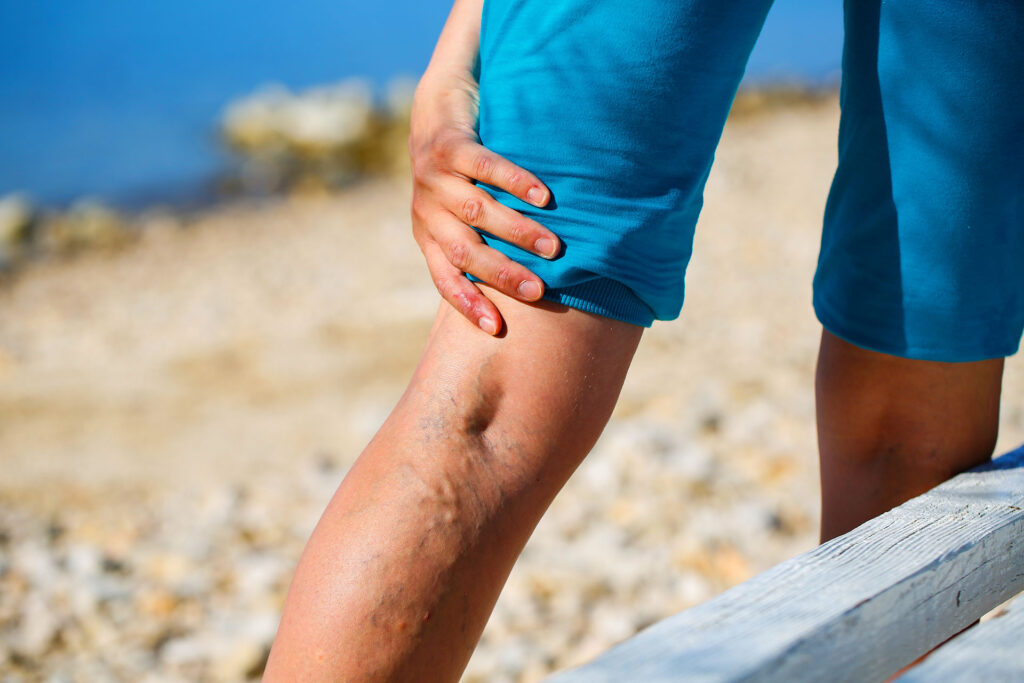
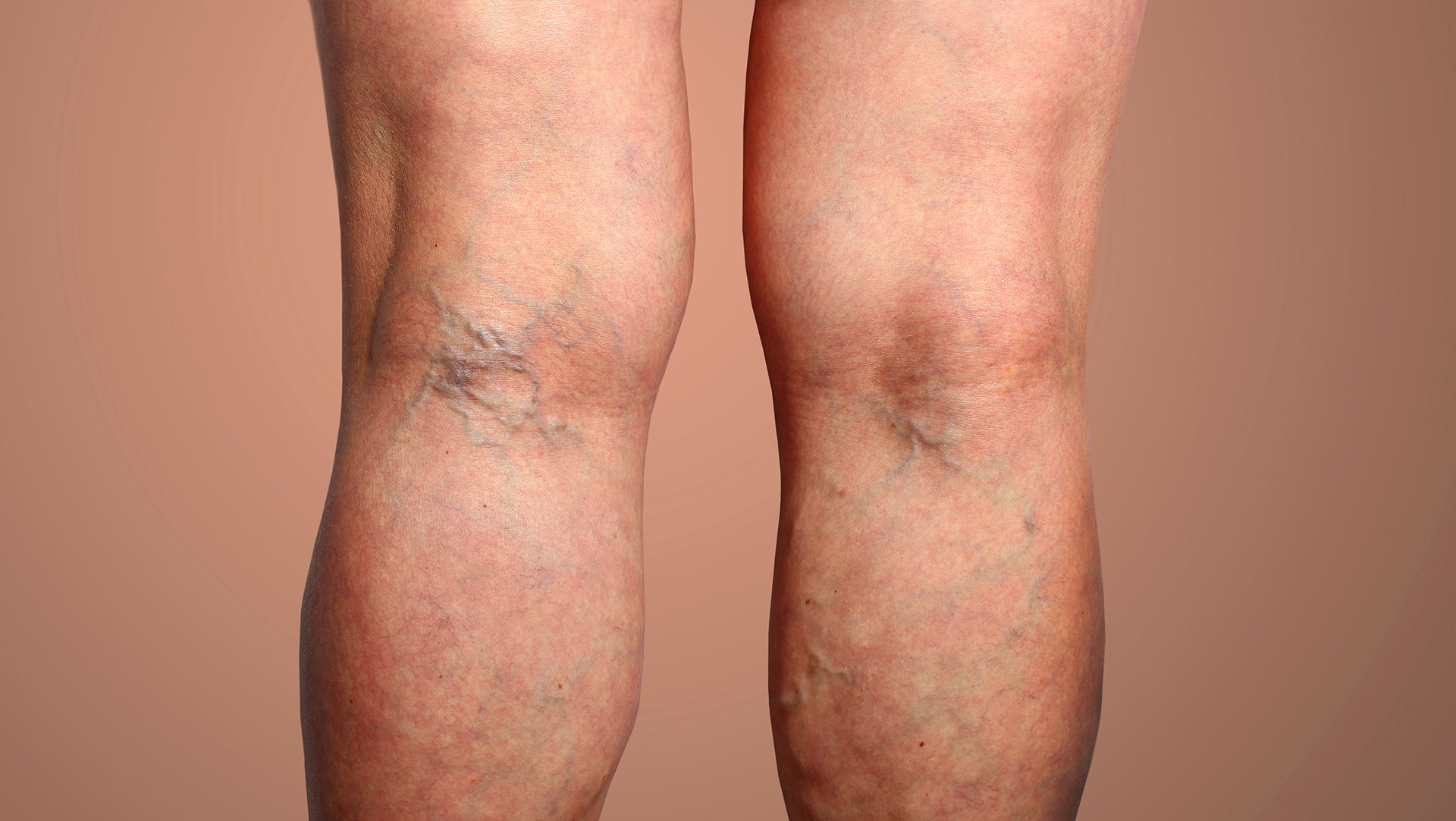
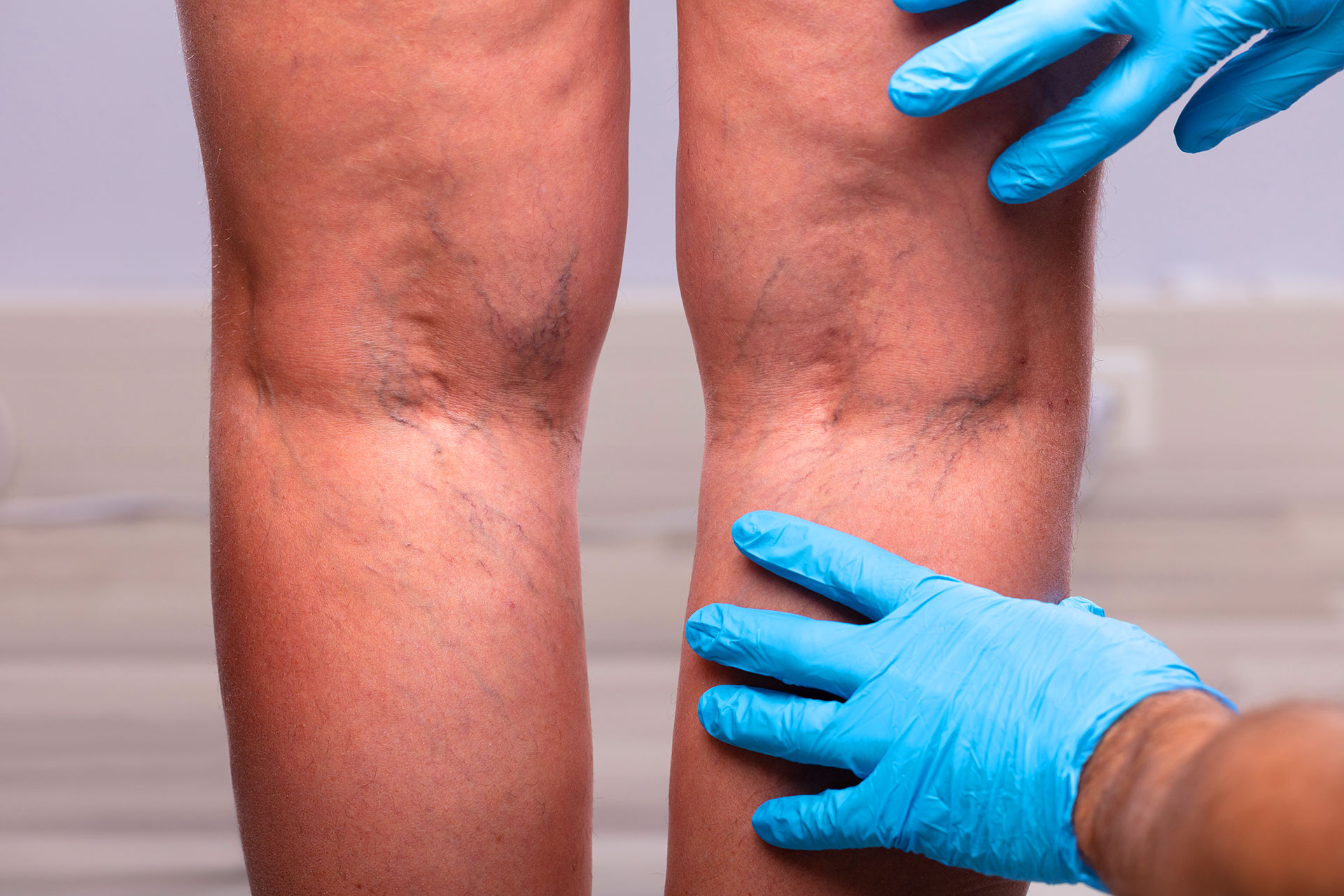
Varicose veins are easy to dismiss. They are visible, they may ache at the end of the day, but for many people they do not feel urgent enough to address. However, varicose veins are not simply a surface issue. They are a sign that the valves inside your leg veins have failed, and without treatment, that failure is progressive.
What starts as a cosmetic nuisance can evolve over years into a condition involving chronic pain, skin breakdown, and non-healing wounds. Understanding that progression is the most important reason to take varicose veins seriously, even when they do not yet hurt very much.
This article outlines exactly what happens when varicose veins are left untreated, what complications are most likely, and why early intervention leads to the best outcomes.
Section 01
Why Varicose Veins Do Not Get Better on Their Own
It is a common assumption that varicose veins might settle down with rest, exercise, or weight loss. Unfortunately, this is not how vein disease works. The core problem is structural: the one-way valves inside the affected veins have weakened and can no longer prevent blood from flowing backward. Once a valve fails, it does not recover.
As a result, blood continues to pool in the lower legs with every hour spent upright. This sustained pressure stretches the vein walls further, damages adjacent valves, and gradually extends the area of insufficiency. As a result, untreated varicose veins tend to spread and worsen over time, not stabilize.
Furthermore, the speed of progression varies by individual. Some people notice meaningful changes within a year. Others see gradual worsening over a decade. Indeed, regardless of the pace, the underlying direction of untreated vein disease is consistently downward.
"Varicose veins are not a cosmetic problem that happens to cause some discomfort. They are a medical condition that happens to be visible. The distinction matters, because one of those things gets worse without treatment and the other does not."
Section 02
The Five Stages of Untreated Vein Disease
Venous disease progresses through recognizable stages. Specifically, each stage represents a worsening of the underlying venous insufficiency and brings new symptoms and complications. Notably, each stage is also significantly easier to treat than the one that follows it.
1
Visible Varicose Veins and Mild Symptoms
At first, the earliest stage involves bulging, twisted veins visible under the skin alongside occasional heaviness, aching, or itching. At this point, treatment is straightforward and highly effective. However, because symptoms are mild, most people wait.
2
Worsening Swelling and Daily Discomfort
However, as venous pressure increases, ankle and lower leg swelling becomes consistent rather than occasional. Aching builds through the day and restless legs at night become more frequent. Compression stockings provide temporary relief, but they do not address the underlying valve failure.
3
Skin Discoloration and Inflammation
Subsequently, sustained venous pressure forces red blood cells out of overpressured veins and into surrounding tissue. This causes the brownish skin staining near the ankle known as hemosiderin staining. Additionally, the skin may become inflamed, flaky, or itchy in a condition called stasis dermatitis. These changes signal that the skin is under serious attack.
4
Lipodermatosclerosis
Furthermore, the lower leg skin becomes progressively hardened, fibrotic, and tight, a condition called lipodermatosclerosis. The tissue loses its normal structure and begins to look inverted or bottle-shaped near the ankle. Importantly, this tissue change is largely irreversible. Treatment at this stage prevents further damage but cannot fully restore what has already been lost.
5
Venous Ulcers
Finally, the oxygen-starved and damaged skin breaks down and an open wound forms, typically near the ankle. Venous ulcers are painful, slow to heal, and highly prone to recurrence when the underlying vein disease remains untreated. They represent the most serious and most preventable complication of ignored varicose veins.
Section 03
Other Complications That Can Develop
Beyond the progressive skin changes described above, several specific medical complications can arise from long-term untreated venous insufficiency. A vein specialist will assess your individual risk for each of these during your evaluation.
🩸
Superficial Thrombophlebitis
Slow, pooling blood inside varicose veins is prone to clotting. When a clot forms in a surface vein, it causes localized pain, redness, and hardness along the vein. Although superficial clots are generally not life-threatening, they are painful and require medical attention.
⚠️
Deep Vein Thrombosis (DVT)
In some cases, venous insufficiency contributes to clot formation in the deeper veins of the leg. DVT is a serious condition that can lead to pulmonary embolism if the clot travels to the lungs. People with untreated varicose veins carry a higher baseline risk than the general population.
💧
Chronic Leg Swelling
Progressive venous insufficiency causes sustained fluid accumulation in the lower legs. Over time, this chronic swelling can become resistant even to elevation and compression, making daily activities increasingly uncomfortable and limiting footwear options significantly.
🩹
Spontaneous Bleeding
Large, thin-walled varicose veins near the skin surface can rupture spontaneously or after minor trauma. This type of bleeding can be significant and alarming. It is more common in elderly patients and in those who have had varicose veins for many years without treatment.
When to Seek Immediate Care
If a varicose vein begins bleeding and does not stop with elevation and firm pressure within 10 minutes, seek emergency care immediately. Spontaneous varicose vein bleeding is rare but can be substantial, particularly in older adults or those on blood thinners.
Section 04
Why Early Treatment Makes a Difference
The most important takeaway from understanding disease progression is that earlier treatment is almost always simpler, faster, and more effective than later treatment. At stage one or two, a single minimally invasive procedure is often sufficient to resolve the problem completely. By stage four or five, treatment may still be highly beneficial, but it requires more intervention and recovery takes longer.
Additionally, early treatment prevents the irreversible changes that occur in the later stages. Lipodermatosclerosis, for example, cannot be reversed once it has developed. Venous ulcer scarring is similarly permanent. Treating varicose veins before these changes occur is therefore not simply more convenient. It is medically superior.
Insurance Coverage
In most cases, treatment for varicose veins accompanied by symptoms such as pain, swelling, and skin changes is covered by insurance as a medical procedure. A duplex ultrasound confirming venous insufficiency is typically required for pre-authorization. A vein specialist can walk you through this process at your first consultation.
Section 05
Minimally Invasive Treatments Available Today
Notably, modern vein treatment is highly effective and far less invasive than most people expect. The procedures below are all performed in-office, require no general anesthesia, and allow same-day return to normal activity in most cases.
1
Radiofrequency Ablation (RFA)
Thermal energy delivered through a thin catheter permanently closes the diseased vein. Blood is rerouted through healthy vessels and venous pressure drops immediately. With a success rate above 92%, RFA is one of the most proven and widely used approaches. Learn about RFA.
2
Sclerotherapy
A medical solution injected into the vein causes it to scar and seal permanently. Sclerotherapy is particularly effective for smaller varicose veins and spider veins, and it is among the most studied of all top vein treatments. In addition, multiple veins can be treated in a single session with no downtime.
3
VenaSeal
A medical adhesive bonds the vein walls together without heat or tumescent anesthesia. Post-procedure discomfort is minimal and no compression stockings are needed afterward. VenaSeal is an excellent option for patients who prefer to avoid thermal energy entirely.
4
ClariVein
A rotating catheter tip combined with a chemical sclerosant closes the vein without heat. This makes it suitable for veins near sensitive nerve structures. Your vein specialist will determine which approach is best based on your duplex ultrasound findings.
Do Not Wait for Complications
The Right Time to Treat Is Now
A duplex ultrasound is all it takes to assess the health of your leg veins and determine the most appropriate treatment. Early intervention is simpler, faster, and produces the best long-term outcomes.
Can varicose veins go away on their own if I ignore them?
No. Varicose veins do not resolve on their own. Once vein valves fail, they cannot repair themselves. Without treatment, varicose veins will remain and typically worsen over time, progressing through increasingly serious stages of venous disease.
FAQ 02
How quickly do varicose veins get worse if left untreated?
The progression varies from person to person, but most untreated cases worsen gradually over years rather than weeks. Factors that accelerate progression include prolonged standing, excess weight, pregnancy, and family history of vein disease. Regular evaluation by a vein specialist is the best way to monitor changes.
FAQ 03
Is it ever too late to treat varicose veins?
Rarely. Even patients with advanced venous disease, including skin changes and venous ulcers, can benefit significantly from minimally invasive vein treatment. Earlier treatment leads to simpler procedures and faster recovery, but treatment is beneficial at almost any stage.