
Vein Treatment · Minimally Invasive
So… Is Radiofrequency Ablation the Right Treatment for Your Varicose Veins?
RFA Procedure · Varicose Veins Treatment · What to Expect 2026
There are plenty of creams, supplements, and home remedies marketed for varicose veins. Most of them, however, only treat the surface. Radiofrequency ablation goes straight to the source, closing the damaged vein from the inside out. Here is everything you need to know before deciding if it is right for you.
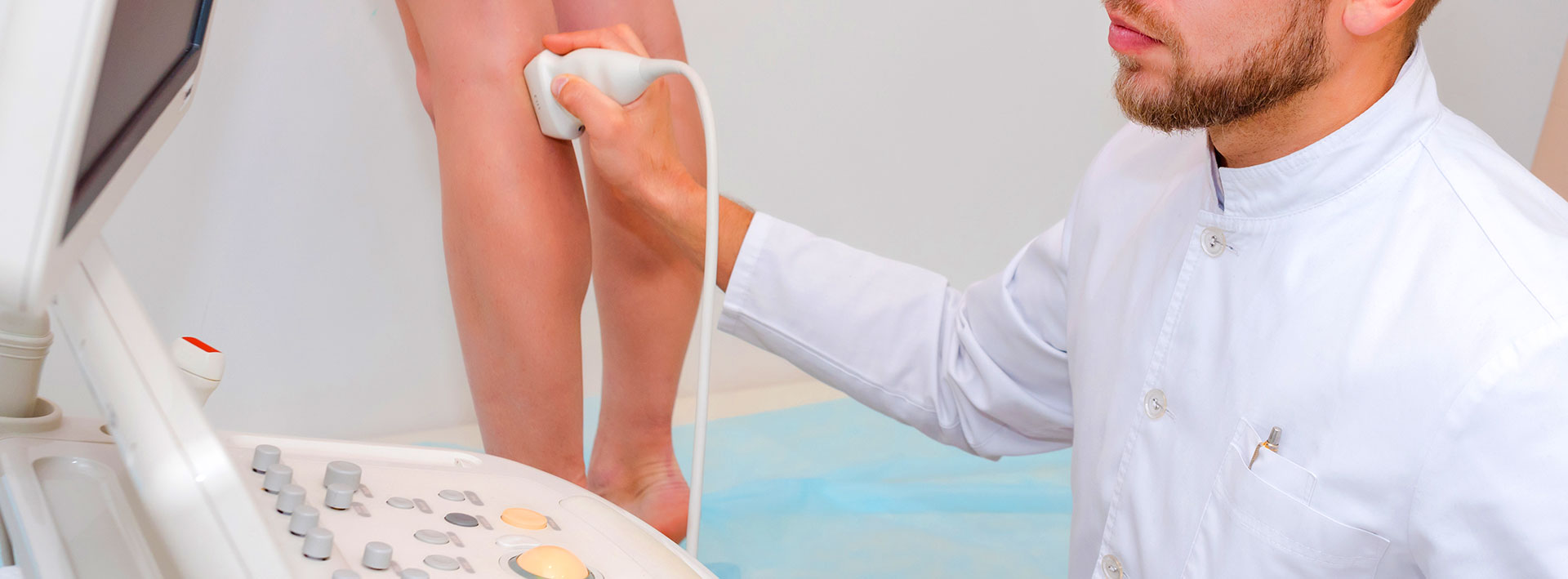
Radiofrequency ablation for varicose veins is a minimally invasive, in-office procedure with no general anesthesia and minimal downtime.
What Is Radiofrequency Ablation?
Radiofrequency ablation for varicose veins uses controlled energy to permanently close diseased veins. A thin catheter enters the affected vein and delivers targeted heat along the vessel wall. As a result, the vein contracts and seals shut.
Once the vein closes, blood reroutes naturally through healthy nearby veins. Over time, the body gradually absorbs the treated vessel — leaving no stitches, no visible scar, and no trace of the damaged vein.
This approach replaced traditional vein surgery as the preferred varicose veins treatment for good reason. It needs only a local anesthetic, runs as an outpatient procedure, and allows most patients to walk out of the clinic the same day. Furthermore, a vein specialist can assess whether you are a candidate in a single consultation.
How Effective Is It?
Success rate after three years. Radiofrequency ablation is one of the most effective and durable varicose veins treatments currently available, with a lower recurrence rate than surgical alternatives.
"Radiofrequency ablation does not manage varicose veins. It eliminates them by sealing the broken vein at its source and letting the body do the rest."
Varicose Veins Symptoms That May Point to RFA
Not every case of varicose veins requires intervention. However, when symptoms start affecting daily comfort, skin health, or sleep, treatment becomes a serious option worth discussing.
In particular, the signs below are the ones most commonly driving patients toward the RFA procedure.
Common Warning Signs
Signs You May Be a Candidate for Varicose Veins Treatment
Leg Pain and HeavinessA persistent aching or dragging sensation, especially after standing for long periods. This is the most common reason patients seek treatment.
Leg and Ankle SwellingSwelling that builds through the day and eases with elevation points to rising venous pressure — a clear signal that intervention may be needed.
Bleeding From Varicose VeinsVaricose veins sit close to the skin under high pressure. Even minor trauma can trigger significant bleeding. This warrants prompt evaluation.
Skin Discoloration Near the AnkleBrownish or reddish staining signals red blood cells leaking from overpressured veins into surrounding tissue. It is a sign of sustained venous damage.
Venous UlcersOpen, slow-healing wounds near the ankle indicate advanced venous insufficiency. RFA addresses the root cause, not just the surface wound.
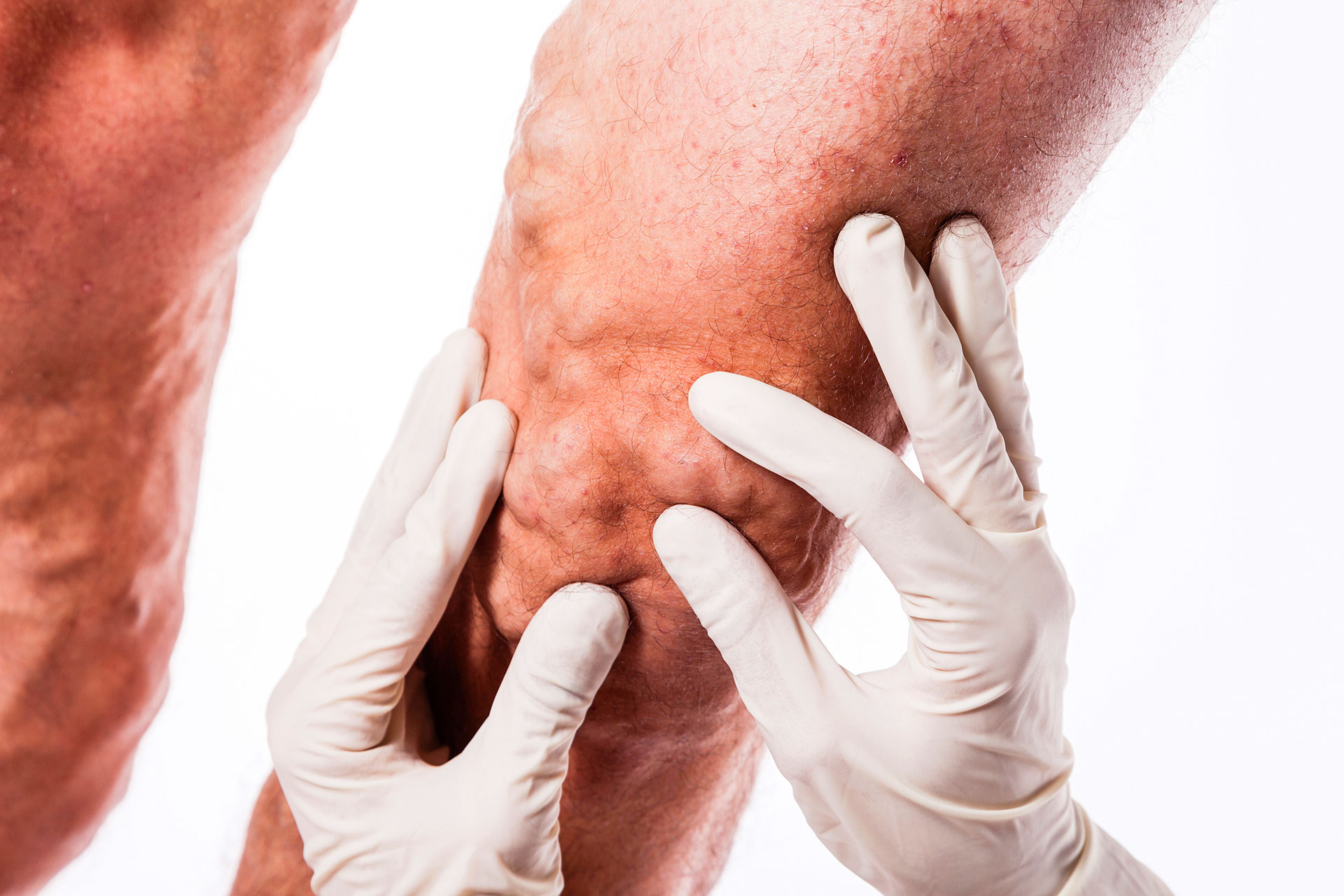
When varicose veins symptoms include swelling, skin changes, or persistent pain, a vascular evaluation is the essential first step.
How the RFA Procedure Works Step by Step
The procedure is straightforward and well-tolerated. In most cases, patients are in and out in under an hour. Here is exactly what happens from start to finish.
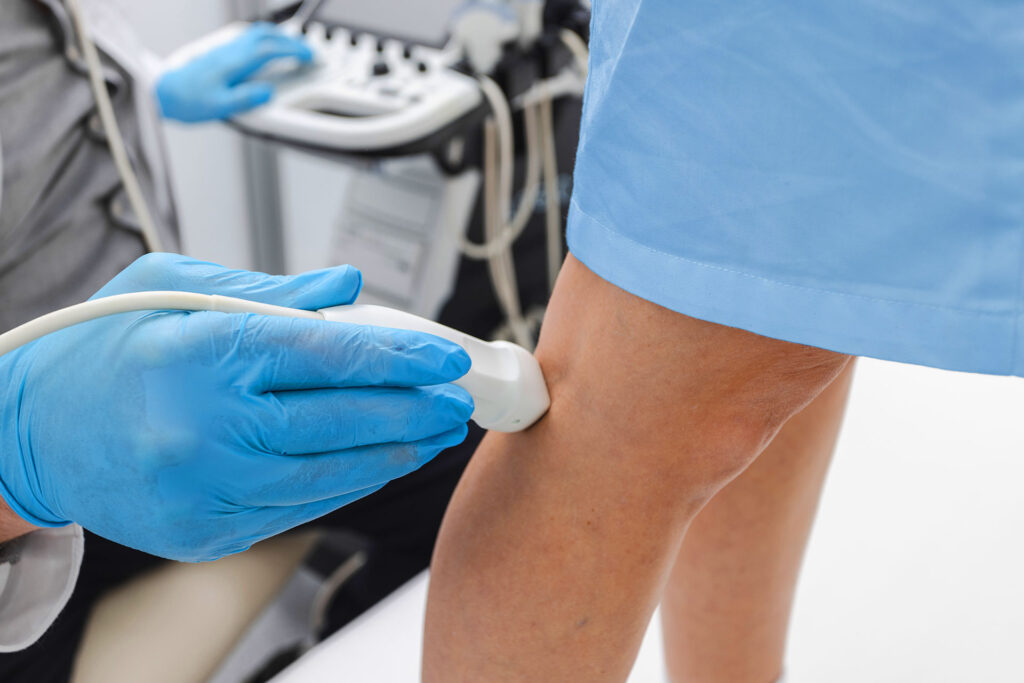
Duplex Ultrasound MappingBefore anything else, a duplex ultrasound maps your affected veins and identifies exactly which vessels need treatment. Importantly, you need no preparation for this scan.
Local AnestheticThe clinician cleanses the leg and numbs the treatment area with a local anesthetic. You may feel a brief pinch during the injection, but the procedure itself should be pain-free.
Catheter InsertionA thin catheter enters the vein through a small access point. Throughout the procedure, ultrasound guidance keeps it precisely on track.
Radiofrequency Energy DeliveryThe device delivers controlled heat in sections of 7 to 10 centimeters, each taking about 20 seconds. Consequently, the vein contracts and seals permanently as the catheter advances.
Catheter Removal and ClosureThe clinician gently withdraws the catheter and applies light pressure to the access point. No stitches are needed, and the procedure is complete.
Who May Not Be Suitable for Radiofrequency Ablation?
RFA works well for most patients. However, certain factors may affect candidacy. A thorough consultation with your specialist — including a duplex ultrasound — will clarify which approach is right for your situation. For a broader look at available options, see this overview of vein treatments used today.
Factors Your Specialist Will Review
Factors That May Affect Candidacy
Vein Size ExtremesVeins that are too small for the catheter, or too large to close with radiofrequency energy alone, may need a different treatment approach.
PregnancyRFA is not performed during pregnancy. Patients are typically advised to wait until after delivery before pursuing treatment.
Significant Mobility LimitationsPost-procedure walking is an important part of safe recovery. Patients who cannot walk independently may not be suitable candidates.
Certain Vascular ConditionsAneurysmal venous reflux or specific anatomical factors may make RFA less appropriate. Your specialist will assess this during the pre-procedure ultrasound.
Blood Thinners or Clotting ConditionsSome medications may need to be temporarily paused under physician guidance before the procedure is carried out.
Possible Side Effects of the RFA Procedure
Radiofrequency ablation carries a strong safety record, and serious complications are rare. Nevertheless, knowing what to expect helps you prepare and spot anything worth reporting to your care team.
What Patients Typically Experience
Most patients rate discomfort at 1 or 2 out of 10. Standard over-the-counter pain relief typically handles it well.
Mild inflammation affects fewer than 10% of patients. Anti-inflammatory medication and a cold compress usually clear it quickly.
Residual blood in the treated vein can cause temporary pigmentation. In most cases, this fades on its own within a few weeks.
Some patients notice temporary numbness or tingling over the treatment site. Generally, this subsides within a few weeks as the area heals.
This complication is rare, affecting roughly 1 in 1000 patients. Wearing compression stockings and walking early both significantly lower the risk.
Treated veins rarely come back. When recurrence does happen, a small tributary vein rather than the original vessel is usually the cause.
Seek immediate medical attention if you experience difficulty breathing, sudden chest pain, coughing up blood, severe calf pain, or continuous bleeding at the procedure site after your RFA procedure.

Recovery after the RFA procedure is minimal. Most patients walk out of the clinic and resume normal activity the same day.
Recovery After Radiofrequency Ablation
One of the biggest advantages of the RFA procedure is how little it disrupts normal life. Unlike surgical alternatives, there is no hospital stay, no general anesthesia recovery, and no resting for days.
In fact, movement is actively encouraged from the moment the procedure ends.
Your Four Recovery Steps
Walk ImmediatelyYour care team encourages you to walk as soon as the procedure ends. Movement activates the calf muscle pump, supports healthy blood flow, and reduces the risk of deep vein thrombosis.
Wear Compression Stockings for Three DaysMedical-grade stockings reduce inflammation, support the treated vein as it closes, and lower clot risk. You can remove them for showering and sleep.
Resume Normal ActivitiesMost patients return to work and daily routines the same day. That said, you should avoid strenuous exercise and prolonged sun exposure on the treated area for the first week.
Attend Your Follow-up AppointmentA post-procedure duplex ultrasound confirms that the vein has fully closed and that blood flow now travels through healthy vessels. This step ensures the best long-term outcome.
"The best varicose veins treatment is one that solves the problem without creating new ones. RFA does exactly that — no hospital, no general anesthesia, no days lost to recovery."

Treated varicose veins mean more than better-looking legs. Most patients return to an active, comfortable life quickly after the RFA procedure.
Is Radiofrequency Ablation Right for You?
If varicose veins are affecting your comfort, sleep, or confidence, radiofrequency ablation is worth a serious conversation with a specialist.
With a 92.6% success rate, same-day recovery, and a well-established safety record, it offers a clear path to lasting relief. Moreover, a duplex ultrasound is all it takes to assess your vein health and determine your best next step.
Ultimately, the sooner vein disease is addressed, the simpler and more effective the treatment.
"Varicose veins do not have to be something you simply live with. With the right treatment, lasting relief is closer than most patients expect."
Frequently Asked Questions
How long does the RFA procedure take?
Most appointments wrap up in under an hour, including preparation and ultrasound mapping. The actual vein treatment runs around 20 to 45 minutes, depending on how many veins the specialist treats. Afterwards, patients walk out immediately and can return to normal activity the same day.
Is radiofrequency ablation covered by insurance?
In many cases, yes. When varicose veins cause documented symptoms such as pain, swelling, or skin changes, insurers often cover the procedure. Additionally, a duplex ultrasound confirming venous reflux typically strengthens the insurance case. Your vein specialist can guide you through the pre-authorization process.
Are there alternatives if RFA is not suitable for me?
Yes, several effective options exist. Depending on vein size and location, your specialist may recommend sclerotherapy, VenaSeal, or ClariVein — each closing the diseased vein through a different mechanism. For a full comparison, this overview of vein treatments can help you understand which approach fits your situation best.