
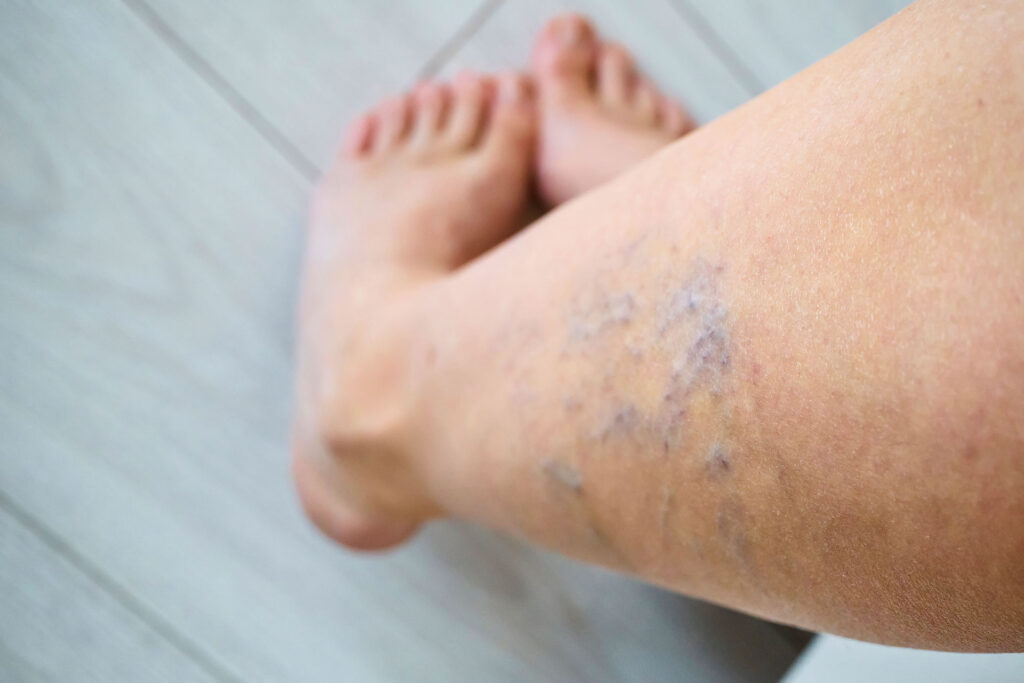
Chronic vein disease is one of those conditions that tends to arrive quietly, disguised as tired legs and minor swelling, before it becomes something harder to ignore. By the time most people seek help, the disease has often been developing for years. The sooner it is identified and understood, the more options remain available.
What Is Chronic Vein Disease?
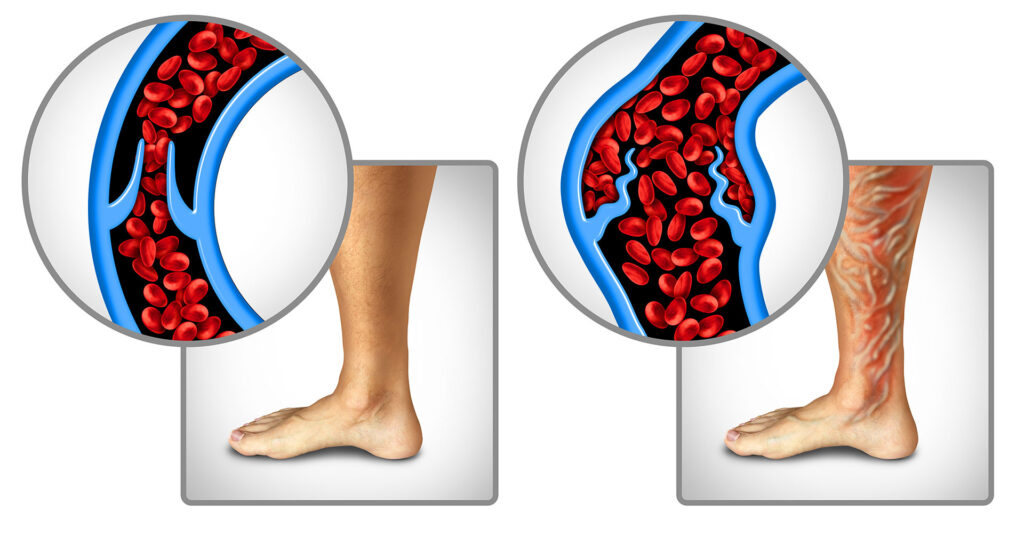
Chronic vein disease is a long-term condition in which the veins of the legs fail to return blood efficiently to the heart. It results from weakened or damaged vein valves that allow blood to flow backward and pool in the lower leg. The condition ranges from mild cosmetic changes to serious complications including skin ulcers. It affects an estimated 25 million adults.
What Causes Chronic Vein Disease?
The underlying mechanism is valve failure. Healthy vein valves open to let blood flow upward toward the heart and close to prevent it from drifting back down. When those valves weaken, blood refluxes. It accumulates in the lower leg. The veins distend under the pressure. Over time, that sustained pressure damages the vein wall further and spreads to adjacent vessels.
Chronic vein disease develops through three distinct pathways.
Primary Chronic Vein Disease
The most common type. It develops gradually as vein walls and valves lose elasticity with age. There is a strong hereditary component. If one parent has significant vein disease, the likelihood of developing it increases considerably. Contributing factors beyond genetics include:
- Female sex, partly due to the relaxing effect of progesterone on vein walls
- Pregnancy, particularly multiple pregnancies
- Prolonged standing or sitting occupations
- Excess weight, which increases abdominal pressure and impedes upward blood flow
- Oral contraceptives and hormone replacement therapy
- Sedentary lifestyle, which underuses the calf muscle pump
Secondary Chronic Vein Disease
Secondary disease results from damage to the vein wall caused by a prior event, most commonly a deep vein thrombosis. When a clot forms in a deep vein and later resolves, it often leaves the vein valve permanently damaged. Blood then refluxes through that valve for years afterward. Around 30 percent of chronic vein disease cases are secondary in origin, and they tend to progress more rapidly than primary cases. Other causes include trauma and prior vein surgery.
Congenital Chronic Vein Disease
The least common type, caused by genetic mutations affecting the vein wall structure or valve development. Present from birth, though symptoms may not appear until adulthood.
How Chronic Vein Disease Progresses: The CEAP Classification
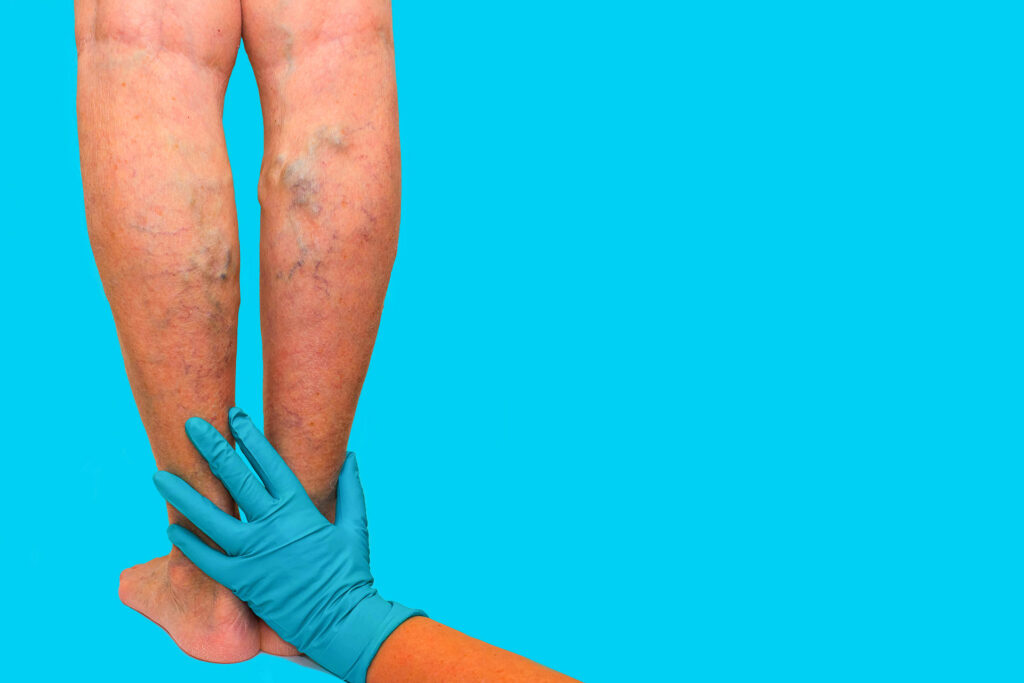
Doctors use the CEAP classification system to stage chronic vein disease from C0 to C6. Understanding where a patient sits on this scale guides treatment decisions and helps explain what the disease looks like at each point.
| Stage | What It Looks Like | Symptoms |
|---|---|---|
| C0 | No visible signs | Aching, heaviness, leg fatigue possible |
| C1 | Spider veins or reticular veins visible | Often cosmetic only |
| C2 | Varicose veins present | Aching, swelling, heaviness |
| C3 | Edema without skin changes | Persistent swelling, leg fatigue |
| C4a | Skin pigmentation or eczema | Itching, skin discoloration near ankle |
| C4b | Skin thickening, lipodermatosclerosis | Tight, hardened lower leg skin |
| C5 | Healed venous ulcer | Risk of recurrence without treatment |
| C6 | Active venous ulcer | Open wound, high infection risk |
Most patients present at C2 or C3. By the time skin changes appear at C4, the disease has typically been active for years. Venous ulcers at C5 and C6 are difficult and slow to treat, which is why early intervention at C2 or C3 produces far better long-term outcomes.
Recognizing the Symptoms of Chronic Vein Disease
Symptoms follow a predictable daily pattern. They are mild or absent in the morning and steadily worsen through the day as blood accumulates in the lower leg under the force of gravity. They ease with elevation overnight, then return the following afternoon. That rhythm is one of the most reliable indicators of venous origin.
Early and mid-stage symptoms:
- Leg heaviness that builds toward the afternoon
- Aching or throbbing in the calf or behind the knee
- Ankle swelling that clears overnight
- Itching or burning near the ankle or lower calf
- Nighttime leg cramps
- Restless legs specifically in the evening
Because these symptoms often manifest as discomfort in or around the knee, patients sometimes struggle to isolate the root cause. This overlap makes it vital to distinguish between venous insufficiency and the specific mechanical causes of knee pain after running, as the treatment paths for vascular and joint-based conditions are entirely different.
Later-stage symptoms indicating progression:
- Brownish or reddish skin staining near the inner ankle
- Skin that feels tight, leathery, or indurated to the touch
- Persistent swelling that does not fully resolve with rest
- Open sores near the ankle that are slow to heal or keep returning
How Is Chronic Vein Disease Treated?
Treatment depends on where the patient sits on the CEAP scale, whether the disease is primary or secondary, and how much the symptoms affect daily function. At every stage, the goal is the same: reduce venous pressure, prevent progression, and address any structural damage that has already occurred.
Conservative Management
At early stages, or while awaiting procedural treatment, conservative measures reduce symptoms considerably without eliminating the root cause.
- Medical-grade compression stockings apply graduated pressure that counters venous pooling throughout the day
- Leg elevation for 15 to 20 minutes, two to three times daily, uses gravity to assist venous return
- Regular calf-muscle exercise, walking or calf raises, activates the natural venous pump
- Weight management reduces abdominal pressure on the pelvic veins that feed leg drainage
Minimally Invasive Procedures
These treat the underlying valve failure rather than just managing symptoms. Most are performed in an outpatient or office setting under local anesthesia, with same-day recovery.
| Procedure | How It Works | Best For | Recovery |
|---|---|---|---|
| Endovenous laser ablation | Laser energy delivered inside the vein seals it shut | Large saphenous veins (C2-C4) | Same day |
| Radiofrequency ablation | Radiofrequency heat closes the vein wall | Large saphenous veins (C2-C4) | Same day |
| Sclerotherapy | Chemical injection collapses the vein | Smaller varicose and spider veins | Same day |
| Ambulatory phlebectomy | Physical removal through tiny incisions | Large surface varicosities | 1 to 2 days |
Advanced stages with venous ulcers require wound care management alongside procedural treatment. Treating the underlying venous insufficiency dramatically improves ulcer healing rates and prevents recurrence. While these vascular interventions are the standard for vein disease, they remain distinct from the specialized neurological protocols, such as spinal cord stimulation, which are reserved for managing different types of complex, persistent pain.
Work, Daily Life, and Chronic Vein Disease
Occupation plays a meaningful role in both the development and the day-to-day experience of chronic vein disease. Jobs that require prolonged standing or sitting impose sustained gravitational stress on the venous system without the relief that comes from regular walking and calf muscle activation.
People who work in healthcare, retail, hospitality, teaching, and construction face a higher cumulative venous load than those in more mobile roles. That does not make office work safe. Long desk hours with legs bent at the knee restrict blood flow through the popliteal vein behind the knee, producing the same pooling as standing, just through a different mechanism.
Practical adjustments for working with chronic vein disease:
- Wear compression stockings from the morning, before getting out of bed if possible
- Take a short walk or perform calf raises every 45 to 60 minutes
- Avoid crossing the legs when sitting, as it further restricts venous return
- Use an anti-fatigue mat if standing for long periods
- Elevate the legs during lunch breaks when possible
- Request a sit-stand workstation if your employer accommodates medical needs
Frequently Asked Questions
Can Chronic Venous Disease Be Cured?
The underlying genetic and structural vulnerability cannot be eliminated, but the disease itself can be treated effectively. Endovenous ablation closes the diseased vein permanently, resolving reflux in that vessel. New valves in adjacent veins can fail over time, so ongoing monitoring matters. Most patients achieve significant, lasting symptom relief with appropriate treatment.
Can You Live a Long Life With Chronic Venous Insufficiency?
Yes. Chronic venous insufficiency does not shorten life expectancy. It is a quality-of-life condition rather than a life-threatening one in most cases. Left untreated, it progresses and reduces mobility, but with proper management including compression, lifestyle adjustment, and procedural treatment when indicated, most patients maintain a normal, active life.
What Is Stage 1 Chronic Venous Insufficiency?
Stage 1 in the CEAP classification (C1) refers to visible spider veins or reticular veins with no varicosities or swelling yet. Symptoms may be absent or limited to mild aching. It is the earliest clinically visible stage of the disease and often the best time to intervene before structural changes advance further.
What Are the Symptoms of Vein Disease?
The most common symptoms are leg heaviness, aching or throbbing that worsens through the day, ankle swelling that clears overnight, itching or burning near the ankle, nighttime leg cramps, and restless legs. Later stages produce skin discoloration near the ankle, thickened skin, and slow-healing wounds. Symptoms reliably improve with leg elevation.
Can I Work Full Time With Chronic Vein Disease?
Yes, most people with chronic vein disease work full time. The key is managing venous load throughout the day with compression stockings, regular movement breaks, and leg elevation during rest periods. Standing and sedentary jobs both worsen symptoms without these adjustments. Treatment can reduce or eliminate symptoms significantly, making full-time work much more comfortable.
Why Do My Legs Hurt After Work?
Leg pain that builds through the workday and eases when you lie down is a classic pattern of venous insufficiency. Blood pools in the lower leg during hours of standing or sitting, raising pressure on surrounding tissue. The discomfort is the tissue registering that pressure. It is not muscular fatigue but vascular, and it follows a predictable daily arc.
What Is the Connection Between Your Job and Leg Pain?
Jobs that require prolonged standing keep blood pooling in the lower legs for hours without the relief that walking provides. Desk jobs restrict blood flow through bent knees. Both impose sustained venous pressure that accelerates valve wear over years. The longer and more consistently your work keeps you in a static posture, the greater the cumulative burden on your venous valves.
What Jobs Are Best If You Have Varicose Veins?
Jobs that allow regular movement are easiest on the venous system. Roles with mixed sitting and standing, frequent short walks, and flexibility to wear compression stockings suit people with varicose veins best. Fully sedentary or fully static standing roles are the hardest on vein health. If changing roles is not possible, workplace adjustments and treatment matter more.