
Wondering whether your insurance will actually pay for vein treatment? You’re not alone, and the honest answer depends less on which insurer you have and more on why your veins need treatment in the first place.
Is Varicose Vein Treatment Covered by Insurance?
Most insurance plans, including Medicare and Medicaid, cover varicose vein treatment when it’s medically necessary, meaning your veins cause documented symptoms like pain, swelling, or skin changes. Purely cosmetic treatment for veins with no symptoms is almost never covered. A vein specialist’s evaluation and documentation are what determine which category you fall into.
What Makes Vein Treatment “Medically Necessary”?
Insurance companies use a specific standard here. A treatment counts as medically necessary when a doctor documents that it’s needed to diagnose, treat, or relieve a real health condition, not just improve appearance.
- Leg pain or aching that affects daily activities
- Swelling that doesn’t improve with rest
- Skin discoloration or thickening near the ankle
- Leg ulcers or sores that won’t heal
- Bleeding from a varicose vein
- Blood clots or a history of superficial phlebitis
- Restless legs or nighttime cramping tied to vein disease
Covered vs Not Covered: Insurance at a Glance
| Scenario | Insurance Outcome |
|---|---|
| Varicose veins with documented pain or swelling | Usually covered |
| Vein-related skin ulcers or bleeding | Usually covered |
| Spider veins with no other symptoms | Usually not covered (cosmetic) |
| Varicose veins treated for appearance only | Usually not covered |
| Treatment after a failed trial of compression stockings | Often required, then covered |
| Treatment from an out-of-network provider | Coverage varies, often reduced |
How the Insurance Approval Process Works
Getting from “I think my veins need treatment” to an approved procedure usually follows the same basic path.
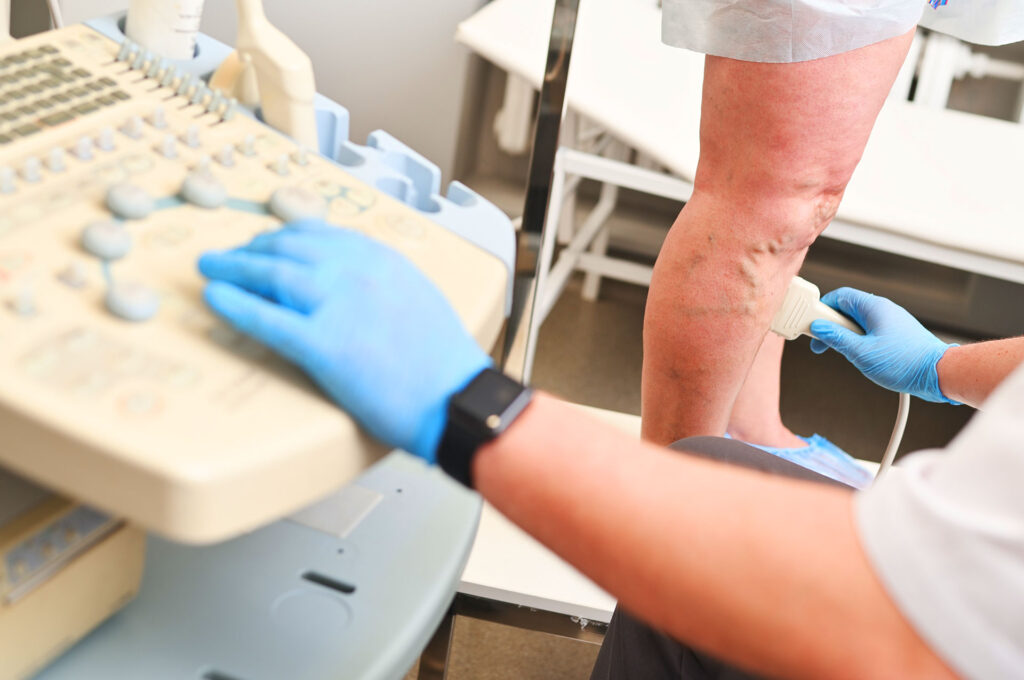
- A vein specialist evaluates your symptoms and performs a duplex ultrasound
- The doctor documents your symptoms and how they affect daily life
- Your provider submits paperwork to your insurer, sometimes requesting prior authorization
- Some plans require you to try compression stockings first and show they didn’t help
- Once approved, treatment and follow-up visits are scheduled
What Could Get Your Claim Denied?
Insurance denials usually come down to a handful of avoidable reasons:
- No documented symptoms, just visible veins
- Skipping the required trial of compression stockings
- Treating veins that are considered cosmetic only
- Missing or incomplete ultrasound documentation
- Going out-of-network without checking coverage first
A denial isn’t always final. Most plans allow an appeal if your doctor can provide stronger documentation of medical necessity.
Getting the Most Out of Your Coverage
A little preparation goes a long way. Keep a simple log of your symptoms, pain, swelling, skin changes, so your doctor has documentation ready. Ask your clinic to verify your benefits before treatment starts, not after. If your plan requires a trial of compression stockings first, wear them consistently and keep track of the dates. And if a claim gets denied, ask for the specific reason in writing before appealing.

How Can a Doctor of Veins Help You Get Insurance Coverage?
A doctor of veins handles the exact documentation insurers require, from the diagnostic ultrasound to symptom notes that prove medical necessity. Many clinics also verify your benefits and submit prior authorization on your behalf, so you know what’s covered before treatment starts instead of after the bill arrives.
Reach out to CURA Vein Doctors to find out exactly what your plan covers before you decide anything.
Frequently Asked Questions
Does insurance cover varicose vein treatment?
Yes, in most cases, when a doctor documents that the treatment is medically necessary due to symptoms like pain or swelling. Purely cosmetic treatment is typically not covered.
What symptoms qualify vein treatment as medically necessary?
Pain, swelling, skin changes, ulcers, bleeding, and blood clots are the most common qualifying symptoms. A vein specialist’s exam and ultrasound confirm which apply to you.
Will insurance cover spider vein treatment?
Only if it’s tied to documented symptoms of vein disease. Spider veins treated purely for appearance are almost always considered cosmetic and not covered.
Does Medicare cover varicose vein treatment?
Yes, Medicare covers varicose vein treatment, including sclerotherapy and ablation procedures, when it’s deemed medically necessary and properly documented.
What if my insurance denies my claim?
Ask for the specific denial reason in writing, then work with your doctor to submit stronger documentation. Most plans allow at least one appeal.