
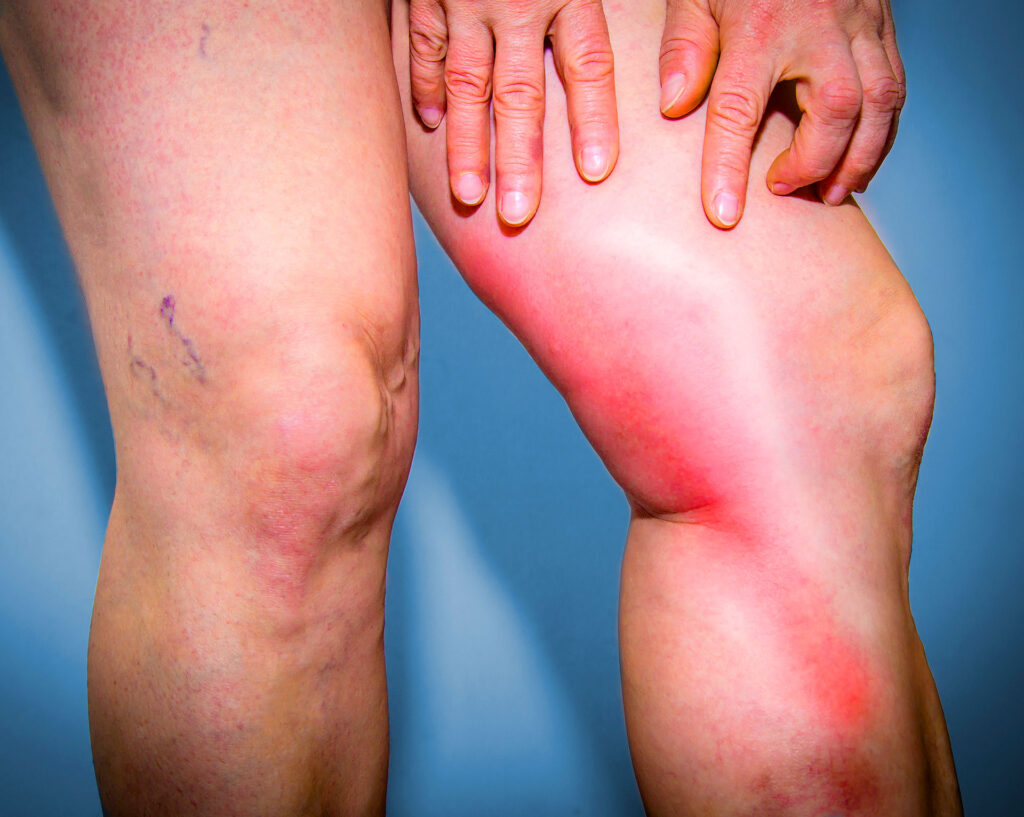
Search “phlebitis” and “blood clot” together, and you’ll find no shortage of confusion. The terms get used almost interchangeably online, but they don’t mean the same thing, and knowing the difference actually matters for how worried you should be.
Is Phlebitis the Same as a Blood Clot?
Not exactly. Phlebitis means a vein is inflamed, which can happen with or without a clot present. When a clot is the cause, doctors call it thrombophlebitis. A blood clot on its own, without inflammation, is a separate condition called phlebothrombosis, most often deep vein thrombosis.
The Three Related Terms, Explained
Doctors use several overlapping terms here, and the mix-up is understandable.
- Phlebitis. Inflammation of a vein, with or without a clot.
- Thrombophlebitis. Inflammation plus a clot together, the most common combination.
- Phlebothrombosis. A clot forms without significant inflammation, most often deep in the leg. This is what most people actually mean when they say “blood clot.”
Phlebitis vs Blood Clot: Side-by-Side Comparison
| Feature | Phlebitis (Superficial) | Blood Clot (DVT) |
|---|---|---|
| Location | Veins just under the skin | Deep veins, usually in the leg |
| Visible signs | Red, tender, rope-like cord | Often no visible sign at all |
| Pain | Localized along the vein | Deep ache or cramp in the whole limb |
| Swelling | Minimal, close to the vein | Can affect the entire limb |
| Danger level | Rarely dangerous on its own | Can be life-threatening if untreated |
| Main risk | Occasionally extends inward | Clot breaking loose (pulmonary embolism) |
Why the Distinction Matters
Confusing the two isn’t just a vocabulary slip. Superficial phlebitis usually needs nothing more than rest and anti-inflammatory care. A deep clot needs urgent treatment to keep it from traveling to the lungs. Treating one like the other, in either direction, means either overtreating a mild issue or dangerously underestimating a serious one.
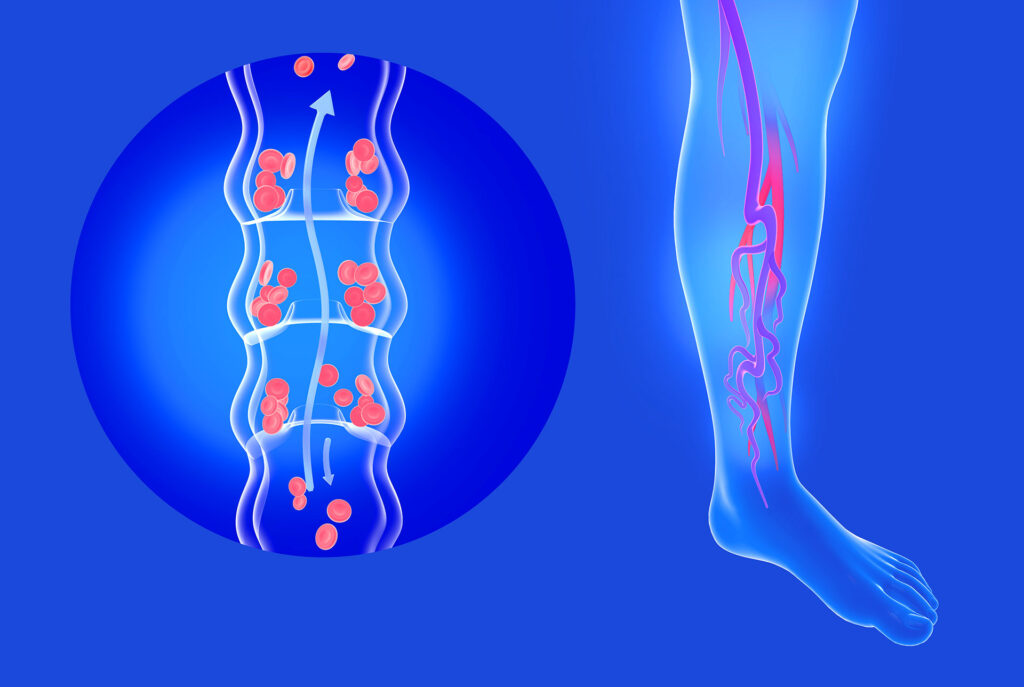
When a “Phlebitis” Might Actually Be a Dangerous Clot
See a doctor immediately if:
- Swelling spreads to the whole leg or arm, not just around one vein
- Pain feels deep, not just along a surface vein
- You have shortness of breath or chest pain
- There’s no visible redness or cord, just swelling and ache
- Symptoms appear after a long flight, surgery, or period of immobility
In a large analysis of superficial vein clot cases, close to 1 in 5 also had a deep vein clot at the same time. That’s why doctors often recommend an ultrasound even when the phlebitis looks mild and superficial.
How Are Phlebitis and Blood Clots Treated Differently?
| Condition | Typical Treatment |
|---|---|
| Superficial phlebitis | Warm compresses, compression stockings, NSAIDs, rest |
| Superficial clot with high-risk features | Short course of blood thinners, closer monitoring |
| Deep vein thrombosis | Anticoagulants, compression, regular ultrasound follow-up |
| Clot with pulmonary embolism risk | Emergency care, hospital-based clot-dissolving treatment |
Lowering Your Risk of Both
A few habits protect against phlebitis and deeper clots alike. Stay active, especially during long trips or after surgery. Wear compression stockings if you’re prone to swelling or have varicose veins, stay hydrated, and don’t ignore a vein that stays red or tender for more than a few days. Catching either condition early keeps treatment simple.
When Should You See a Doctor of Veins About Phlebitis or a Blood Clot?
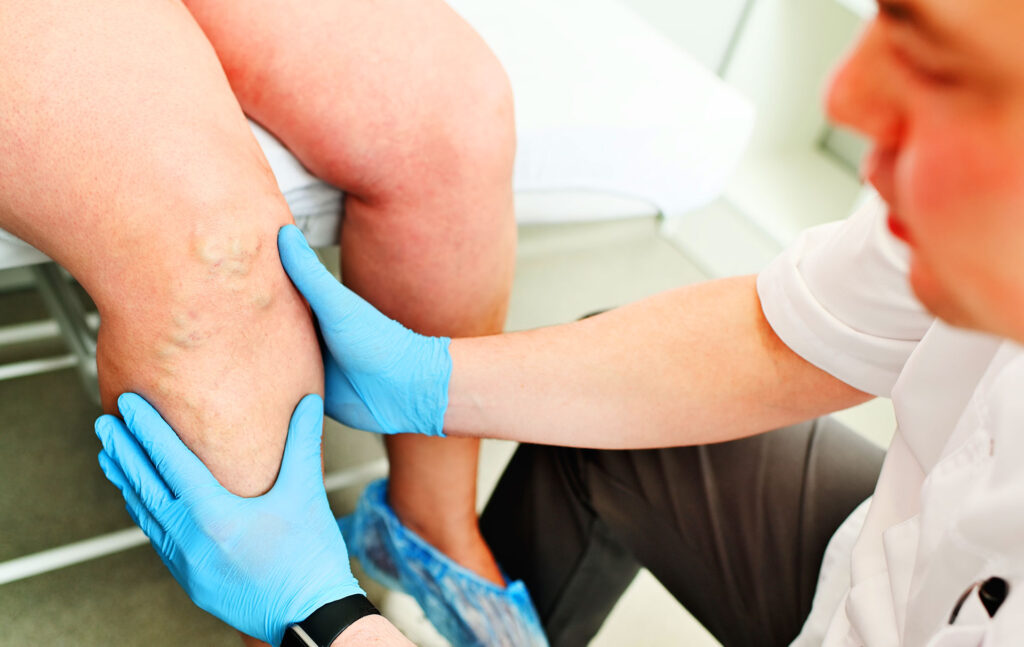
See a doctor of veins if you notice a tender, red vein that doesn’t improve within a few days, or any swelling and pain with no clear cause. A vein specialist can use ultrasound to tell the two apart in minutes and confirm whether you’re dealing with mild inflammation or something that needs urgent care. At CURA Vein Doctors, that distinction is never a guess. It’s a quick scan away.
Frequently Asked Questions
Can phlebitis turn into a blood clot?
Superficial phlebitis often involves a small clot already. It can occasionally extend into the deep venous system, which is why persistent or worsening symptoms deserve a follow-up scan.
Is a blood clot always visible on the skin?
No. Deep vein clots often cause no visible marks at all, just swelling, warmth, or a deep ache, which is part of what makes them easy to miss.
Which is more dangerous, phlebitis or a blood clot?
A deep vein blood clot carries far more risk than superficial phlebitis, since it can break loose and travel to the lungs. Superficial phlebitis is uncomfortable but rarely dangerous on its own.
Do I need an ultrasound for phlebitis?
Often yes, even when it looks mild. Roughly one in five people with superficial vein clots also have a deep clot at the same time, so imaging rules that out.
Can you have phlebitis without a blood clot?
Yes. Inflammation can occur from injury, infection, or irritation, such as from an IV line, without any clot forming at all.
How fast should I see a doctor if I suspect a blood clot?
As soon as possible, ideally the same day. A deep clot can worsen quickly, and early treatment significantly lowers the risk of complications.
Not sure if what you’re feeling is simple inflammation or something more urgent? Contact CURA Vein Doctors or call +1 973-363-2029 and get it checked before it becomes a guessing game.