
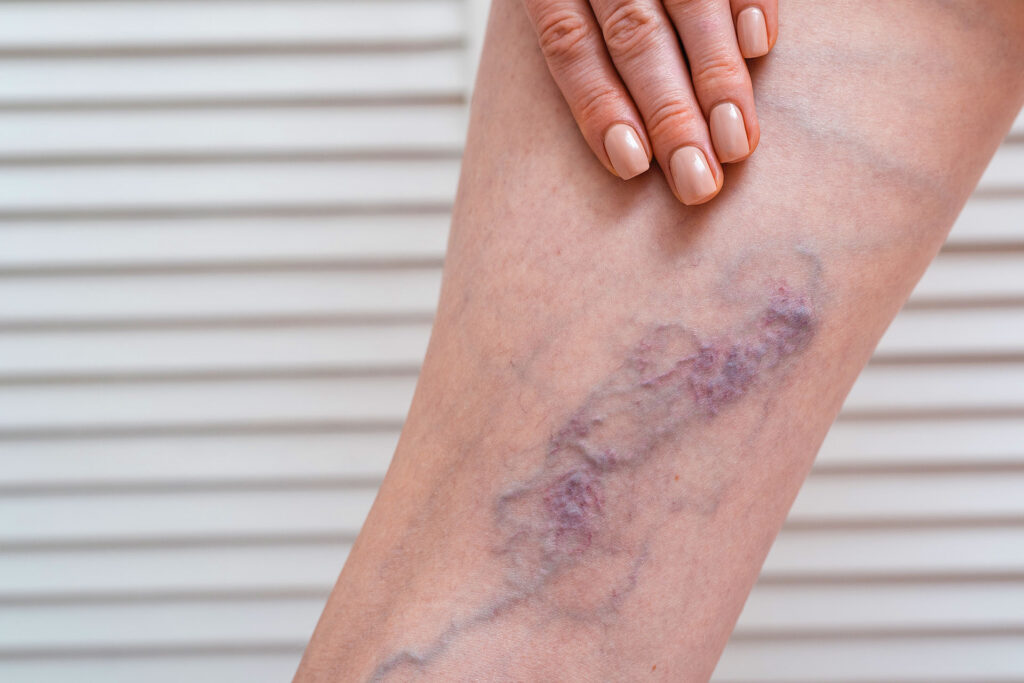
Varicose veins do not disappear on their own. But they do respond to the right combination of daily habits and, when necessary, targeted treatment. Most people fall into one of two camps: they do nothing and watch the veins spread, or they try everything they read online and end up disappointed. The truth sits between those two positions. Some approaches genuinely slow progression and reduce symptoms. Others are a waste of time.
How to Minimize Varicose Veins Effectively
To minimize varicose veins, the most effective approach combines medical-grade compression worn consistently each day, daily movement to activate the calf muscle pump, and leg elevation to reduce venous pressure after activity. These measures slow progression and ease symptoms but do not repair valve damage. Endovenous treatment is the only way to close the source vein and stop the underlying disease from advancing.
What You Are Actually Trying to Do
Varicose veins form when the one-way valves inside leg veins fail. Blood flows backward instead of toward the heart and pools in the lower leg. That pooled blood creates pressure against the vein wall, stretching it outward until it becomes the twisted, visible vein you see on the surface.
Minimizing varicose veins means reducing that pressure. Every effective lifestyle measure works by decreasing the amount of blood pooling in the lower leg or by improving the mechanical pumping that moves blood upward. Nothing you do at home repairs the valve itself. That distinction matters when you are setting realistic expectations.
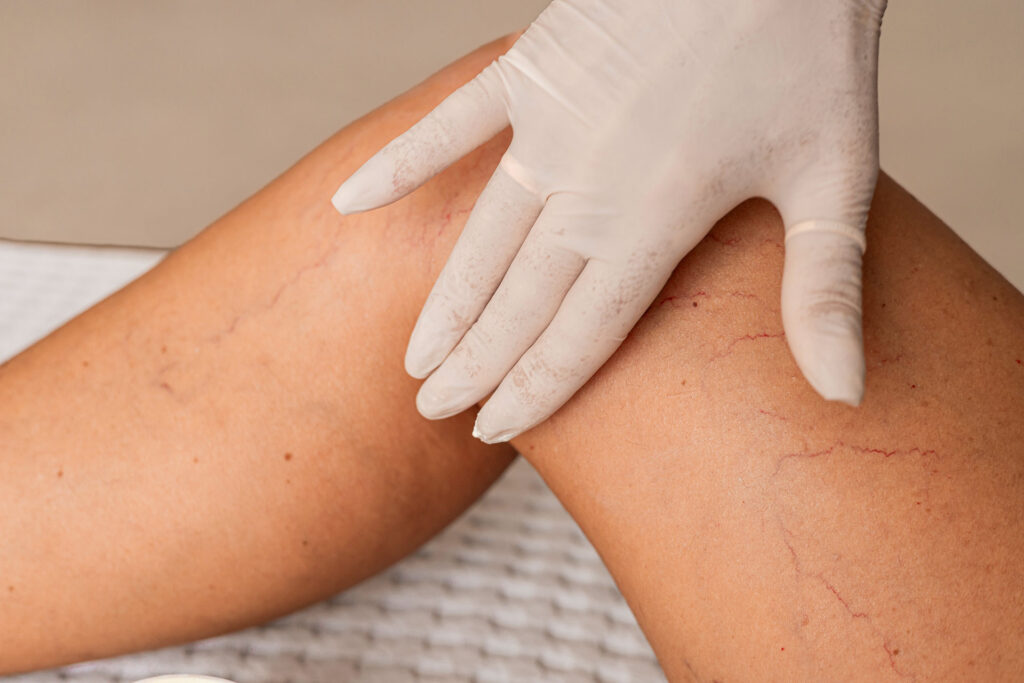
What Works vs. What Does Not: A Direct Comparison
| Approach | Does It Minimize Varicose Veins? | What It Actually Does |
|---|---|---|
| Medical-grade compression (20-30 mmHg) | Yes, meaningfully | Reduces venous pressure, limits pooling, eases symptoms |
| Daily walking (20-30 min) | Yes, meaningfully | Activates calf pump, improves venous return |
| Leg elevation above heart level | Yes, temporarily | Reduces pressure peak, eases end-of-day swelling |
| Weight management | Yes, preventively | Reduces abdominal pressure load on leg veins |
| Retail compression socks (8-15 mmHg) | Minimally | Comfort benefit only, insufficient therapeutic pressure |
| Apple cider vinegar / essential oils | No | No effect on vein structure or venous pressure |
| Herbal creams and supplements | No, for existing veins | May reduce minor swelling, cannot close or shrink veins |
| Yoga and leg lifts | Indirectly | Supports general circulation, not vein-specific |
| Endovenous ablation / sclerotherapy | Yes, permanently | Closes the source vein, stops disease progression at the root |
Step 1: Get the Compression Right
Compression is the single most impactful lifestyle tool for minimizing varicose veins. But most people wear the wrong level or put it on at the wrong time.
For varicose veins with venous insufficiency driving them, the therapeutic range starts at 20 to 30 mmHg. Anything below that reduces discomfort but does not generate enough external pressure to meaningfully counteract venous pooling. The socks sold in most pharmacies sit at 8 to 15 mmHg. They are not sufficient for varicose veins.
Timing matters as much as pressure level. Put compression on before getting out of bed in the morning. The moment you stand, blood begins pooling in the lower leg. Compression applied before that process starts is significantly more effective than compression applied after swelling has already built. Most people who say compression does not help them have been putting it on too late.
Step 2: Walk Every Day Without Exception
The calf muscle is the most powerful pump in the venous return system. Every contraction during walking squeezes blood upward through the deep veins. Without regular movement, the pump goes inactive and blood pools faster.
Twenty to thirty minutes of walking daily is enough to produce a measurable reduction in venous pressure over time. The pace matters less than the consistency. Cycling and swimming work equally well. What does not work is exercise that keeps the calf stationary, including most forms of prolonged standing, which actually increases venous pressure more than sitting because the hydrostatic column of blood stays tall with no pump contractions to move it. If you enjoy higher-impact workouts or struggle with common causes of knee pain after running, managing your stride and joint health properly ensures you can keep walking without discomfort.
If your job requires long periods on your feet, shift your weight regularly, walk short distances throughout the shift, or do calf raises to keep the pump active without leaving your station.
Step 3: Elevate with Intention
Elevating the legs helps. But most people do it incorrectly. Resting legs on a pillow barely changes venous pressure. To actually reduce the pooling that has accumulated through the day, both legs need to be elevated above the level of the right atrium, which is roughly above heart level.
Fifteen to twenty minutes in a proper elevation position after work or a long day on your feet produces noticeable symptom relief and reduces the overnight pressure that contributes to nighttime cramping. Do this before bed rather than randomly during the day for maximum effect.
Step 4: Reduce the Pressure Load on Your Veins
Several daily habits raise venous pressure in the legs and accelerate the progression of varicose veins without the person realizing the connection.
- Body weight: Excess abdominal weight compresses the venous return pathways from the legs and raises baseline venous pressure throughout the lower limb. Even modest weight reduction produces a measurable drop in venous pressure.
- Prolonged heat: Hot baths, saunas, and extended sun exposure dilate surface veins and increase pooling. Shorter, cooler showers reduce daily pressure spikes.
- Tight waistbands and shapewear: Constriction at the abdomen or groin restricts venous return and raises back-pressure in the legs.
- Constipation: Straining raises intra-abdominal pressure repeatedly over years. A high-fiber diet is a genuinely useful preventive measure.
- High heels: They reduce calf muscle activation during walking, cutting the efficiency of the venous pump with each step.
Step 5: Know When Lifestyle Is No Longer Enough
The measures above slow progression. They do not stop it. Chronic venous insufficiency is a progressive disease. The valve damage does not heal with compression or movement. Over time, the pressure continues to erode vein walls and surrounding tissue regardless of how diligently you follow every lifestyle recommendation.
These signs indicate that the window for lifestyle-only management has closed:
- Varicose veins that have grown more prominent or multiplied over the past year
- Leg heaviness or aching that interferes with sleep
- Ankle swelling that does not fully resolve overnight
- Skin near the inner ankle that is darkening, hardening, or itching
- A varicose vein that has bled or developed a hard, tender cord
If these symptoms are slowing you down and you are looking for effective strategies for leg pain relief, stop the ache and reclaim your stride, a professional evaluation can help address the root cause once and for all.
⚠️ Skin changes near the ankle are a clinical turning point. Darkening, hardening, or eczema-like changes in that area mean the tissue is already damaged from chronic venous pressure. At this stage, compression alone will not prevent further deterioration. A vascular evaluation is urgent, not optional.
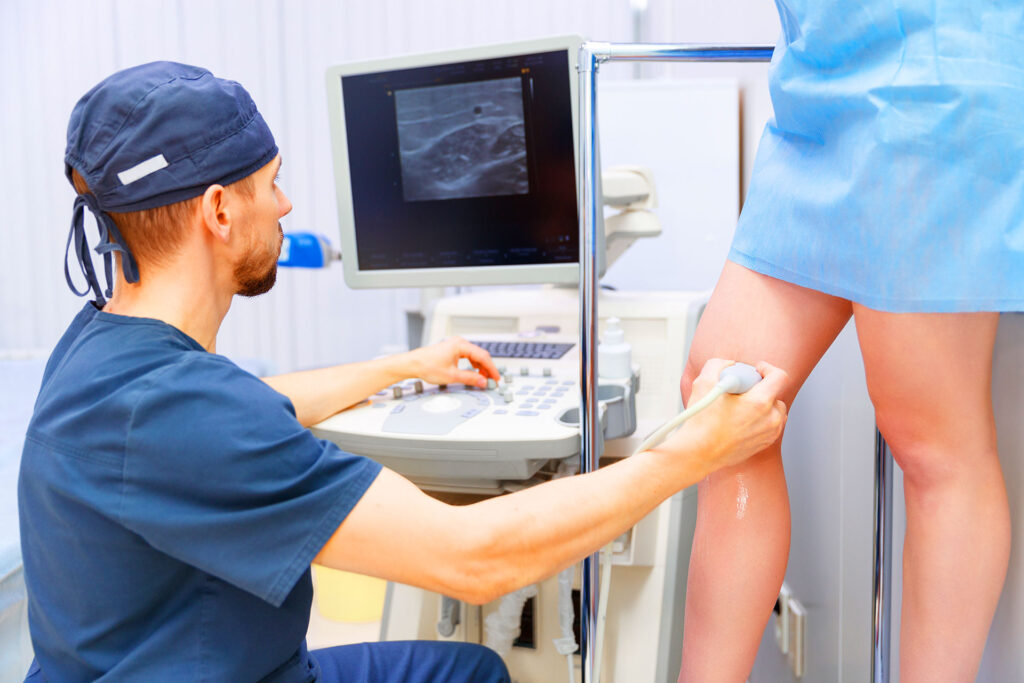
What Minimizes Varicose Veins Permanently
Only closing the source vein stops the disease at its root. Modern vein procedures are outpatient, take about an hour, and send patients home the same day.
Endovenous Laser Ablation (EVLA)
A thin laser fiber is inserted into the failing saphenous vein under ultrasound guidance. Heat seals the vein from inside. The body reabsorbs it over the following weeks. Surface varicosities often fade on their own once the pressure driving them is removed.
Radiofrequency Ablation (RFA)
Same principle as EVLA using radiofrequency energy instead of laser. Preferred by some patients for a slightly more comfortable procedure experience. Outcomes are comparable.
VenaSeal
Medical adhesive closes the saphenous vein without heat or tumescent anesthesia. No compression required immediately after. Patients with needle sensitivity or jobs that prevent compression wear tend to prefer this option.
Sclerotherapy
An injected solution collapses smaller varicosities and spider veins. Used alongside ablation or as a standalone for surface veins that remain after the source reflux is treated.
✓ Most vein procedures are covered by insurance when chronic venous insufficiency is confirmed on duplex ultrasound and conservative measures including compression have been tried first. A free consultation with a vein specialist clarifies your coverage before any procedure is scheduled.
FAQ: How to Minimize Varicose Veins
Is it possible to shrink varicose veins?
Existing varicose veins do not shrink on their own. Compression reduces their visual prominence temporarily by decreasing the blood volume inside them, but the vein remains enlarged. Sclerotherapy and endovenous ablation close and eliminate treated veins permanently. The body then reabsorbs the closed vessel over several weeks and the vein disappears.
How can I reduce varicose veins naturally?
Natural approaches reduce symptoms and slow progression but cannot eliminate existing varicose veins. Medical-grade compression, daily walking, leg elevation, and weight management all produce measurable improvement in venous pressure and symptom severity. Horse chestnut seed extract has limited clinical evidence for reducing venous swelling. None of these repair damaged valves or close distended veins.
What is the best way to reduce varicose veins?
For symptoms, medical-grade compression worn consistently from morning is the most effective daily tool. For the veins themselves, endovenous laser or radiofrequency ablation closes the source of reflux and removes the pressure driving both existing and new varicose veins. Sclerotherapy handles residual surface veins after ablation. This two-step approach produces the most complete and durable result.
What are the two main causes of varicose veins?
Genetics is the strongest cause. If both parents had varicose veins, the likelihood of developing them approaches 90%. The second is sustained elevated venous pressure from prolonged standing, pregnancy, obesity, or prior deep vein thrombosis that damaged the deep venous valves and shifted blood load to the superficial system. Most patients have both factors present to some degree.
Still Watching Them Spread?
Compression helps. Walking helps. But if your varicose veins are getting worse despite doing everything right, the valve is the problem, not your habits. We fix the valve. Come see us at CURA Vein Centers.