
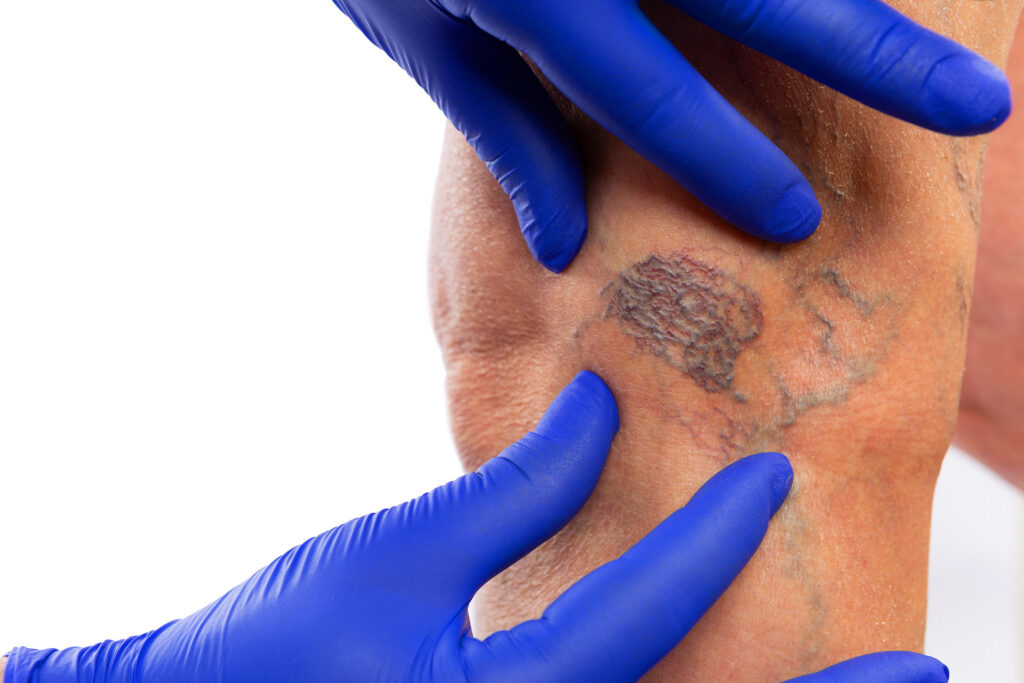
There’s no cream, exercise, or overnight fix that erases a spider vein once it’s fully formed. That’s the part most articles skip. The good news: the treatments that do work are fast, and understanding why spider veins show up in the first place changes how you prevent the next one.
How Do You Get Rid of a Spider Vein Quickly?
The fastest way to get rid of a spider vein is sclerotherapy, an injection that collapses the vein within one session, with results visible in three to six weeks. Laser treatment works similarly for very fine veins. Neither is truly instant, but both close the vein for good far faster than any cream or remedy can.
What Is the Root Cause of Spider Veins?
Spider veins start with tiny valves inside your veins that act like one-way doors, keeping blood moving up toward your heart. When those valves weaken, some blood slips backward and pools in the smallest surface veins instead of continuing on. The vein stretches to hold the extra blood, and that stretched, visible network is what you see as a spider vein.
A handful of factors make weak valves more likely:
- Genetics. The single biggest factor, family history raises your odds significantly.
- Hormonal changes. Pregnancy, birth control, and menopause all affect vein wall strength.
- Prolonged standing or sitting. Jobs that keep you in one position for hours add pressure.
- Age-related wear. Vein walls and valves naturally weaken over time.
- Excess weight. Added pressure on leg veins makes valve failure more likely.
- Past leg injury. Trauma to a vein can damage its valve directly.
Can My Spider Veins Go Away on Their Own?
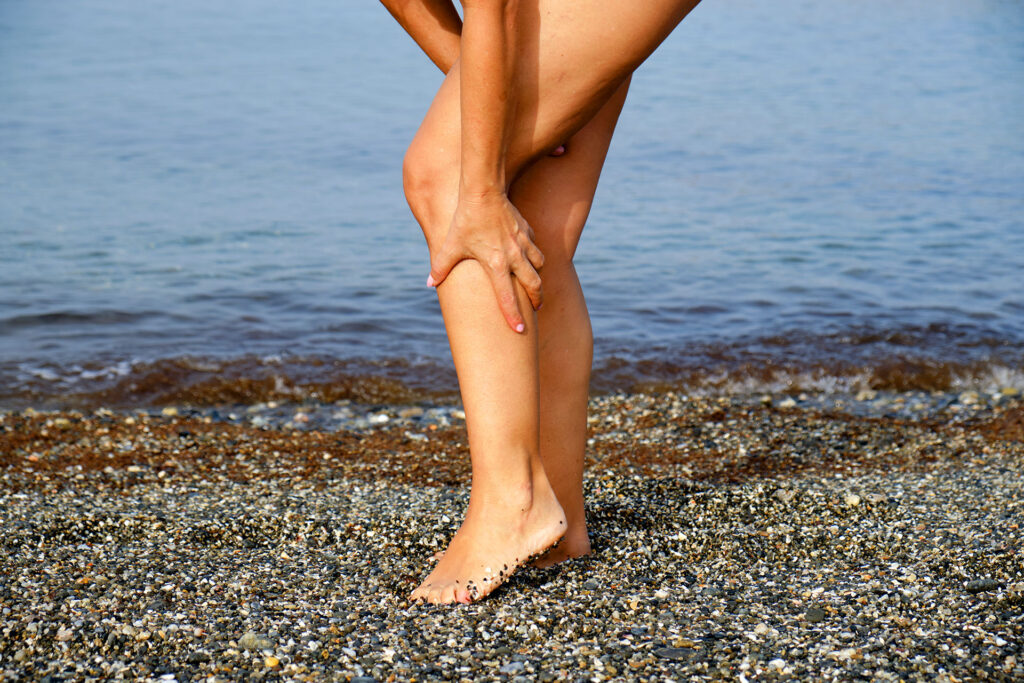
Rarely completely, though very faint ones can lighten slightly over time. Once a valve has failed and blood is pooling, the vein typically stays visible until it’s treated. Spider veins also don’t resolve just because the trigger fades, veins that show up during pregnancy, for instance, usually stick around after delivery even once hormone levels return to normal.
Can You Get Rid of Spider Veins Naturally?
No home remedy dissolves a spider vein once it’s formed, despite what apple cider vinegar or essential oil blends claim online. What natural approaches can actually do is ease symptoms and slow new ones from forming:
- Regular movement and walking to support circulation
- Compression stockings to reduce pooling
- Elevating your legs when resting
- Maintaining a healthy weight to ease pressure on leg veins
- Avoiding long stretches of standing or sitting without a break
These help manage risk and comfort, but they won’t erase veins that already exist.
Is It Normal to Have Spider Veins at 20 Years Old?
It’s less common than in your 40s or 50s, but not abnormal. Genetics play the biggest role, so if a parent developed spider veins early, you might too. Pregnancy, hormonal birth control, a job that involves a lot of standing, or a past leg injury can all bring them on well before middle age. At any age, it’s worth getting evaluated if they bother you, or if the ache turns into something you can’t quite place, since different types of pain point to different causes.
Sclerotherapy vs Laser Treatment
| Feature | Sclerotherapy | Laser Treatment |
|---|---|---|
| Method | Injected solution collapses the vein | Light energy heats and closes the vein |
| Best for | Most spider veins, including larger clusters | Very fine, small veins close to the surface |
| Sessions needed | 1 to 3 typically | 1 to 5, sometimes more for larger areas |
| Discomfort | Mild pinch or sting | Mild warmth or snapping sensation |
| Downtime | Minimal, compression stockings for a few days | Minimal, compression usually not required |
When Should You See a Doctor of Veins About Spider Veins?
See a doctor of veins if spider veins bother you cosmetically, come with aching or heaviness, or keep multiplying despite lifestyle changes. A vein specialist can confirm whether sclerotherapy or laser treatment fits your case best, and rule out a larger underlying vein issue at the same time.
What to Expect After Treatment
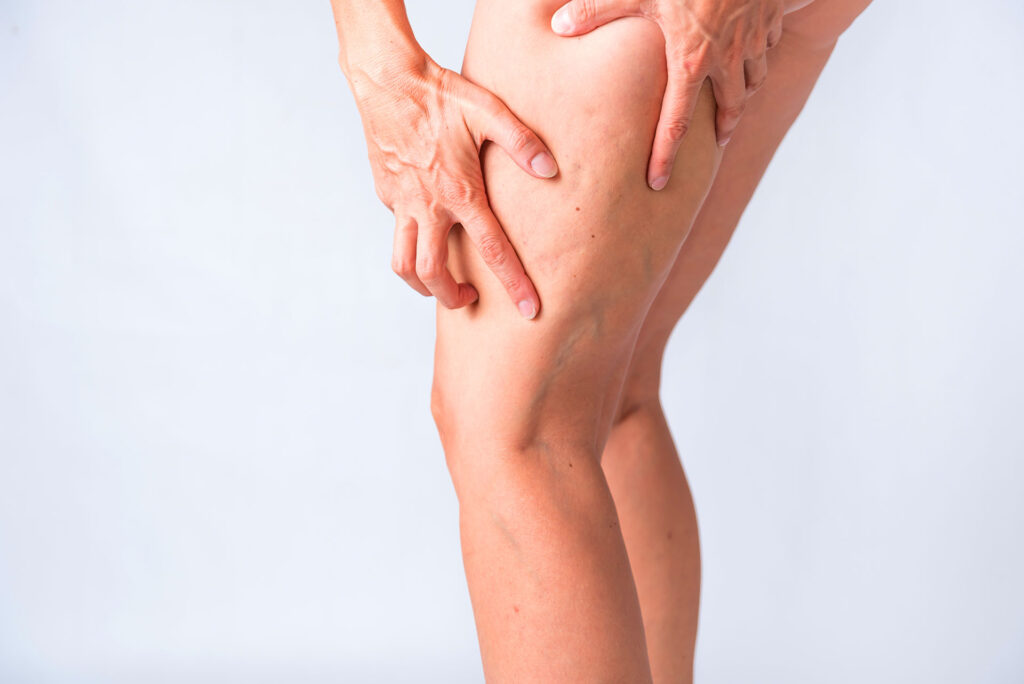
Light walking is encouraged right after treatment to keep blood moving, while hot baths, saunas, and direct sun on the treated area are best avoided for a week or two. Wear compression stockings as long as your provider recommends, since this is what keeps blood from pooling back into the treated vein. Results build gradually, so any follow-up sessions are usually spaced several weeks apart.
Frequently Asked Questions
Can you get rid of spider veins naturally?
Not once they’ve formed. Natural approaches like movement, compression, and weight management can ease symptoms and slow new veins, but they won’t dissolve existing ones.
Can my spider veins go away?
Rarely on their own. Once the valve behind a spider vein has failed, the vein typically needs treatment like sclerotherapy or laser therapy to disappear.
What is the root cause of spider veins?
Weakened valves inside the veins let blood flow backward and pool near the surface. Genetics, hormonal changes, and prolonged standing are the most common triggers.
Is it normal to have spider veins at 20 years old?
It’s less common than later in life, but not abnormal, especially with a family history, pregnancy, or a job that involves a lot of standing.
Does insurance cover spider vein treatment?
Usually not. Spider vein treatment is generally considered cosmetic, so most insurance plans don’t cover it unless it’s tied to documented symptoms of a larger vein condition.
Spider veins are stubborn, but treating them isn’t complicated. Get a plan that actually works instead of another cream, call CURA Vein Doctors at +1 973-363-2029 or reach out through the contact page.