
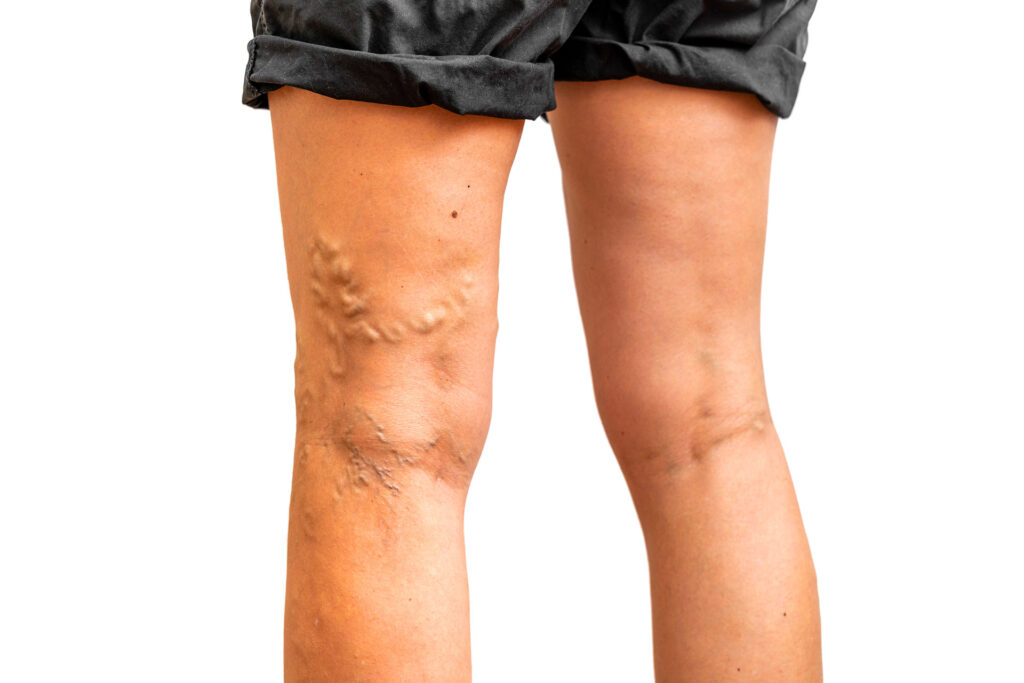
Have you ever glanced down at your hands, legs, or chest and noticed prominent green veins snaking just beneath the surface of your skin? You’re not alone. These visible bluish-green vessels are a common cosmetic concern that prompts countless questions about health, aesthetics, and treatment options.
What Are Green Veins, Exactly?
Despite their name, green veins aren’t actually green. The blood flowing through them is dark red, but due to the way light wavelengths penetrate and reflect off your skin, these veins appear green, blue, or even teal to the naked eye. This optical phenomenon is known as the Rayleigh scattering effect.
Green veins are typically superficial veins, those that lie close to the surface of your skin. They’re most visible in areas where the skin is thin or where there’s less subcutaneous fat, such as the hands, forearms, chest, feet, and legs.
Common Causes of Prominent Green Veins
Several factors influence how visible your veins become over time. Understanding these triggers can help you determine whether your green veins are a normal cosmetic issue or a sign that warrants medical attention.
1. Aging and Thinning Skin
As we age, our skin loses collagen, elasticity, and subcutaneous fat. This natural thinning makes underlying veins more visible, particularly on the hands and forearms. It’s one of the most common reasons people suddenly notice green veins they never saw before.
2. Genetics
If your parents or grandparents had visible veins, you’re significantly more likely to develop them too. Genetic predisposition plays a major role in vein wall strength, valve function, and skin thickness.
3. Low Body Fat and High Muscle Mass
Athletes, bodybuilders, and naturally lean individuals often have prominent green veins, particularly after knee pain or intense lower-body training increases blood flow to the legs.
4. Sun Exposure
Chronic UV exposure breaks down collagen and elastin in your skin, accelerating thinning. The hands, chest, and face are particularly vulnerable, which is why these areas often show the most prominent green veins.
5. Hormonal Changes
Pregnancy, menopause, and hormonal fluctuations can cause veins to dilate and become more visible. Estrogen, in particular, affects vein wall integrity.
6. Underlying Vein Disease
Sometimes, prominent green veins indicate chronic venous insufficiency, where the valves in your veins fail to push blood back to the heart efficiently. This can lead to varicose veins, swelling, and discomfort.
Where Do Green Veins Most Commonly Appear?
- Hands: Often the first area where green veins become noticeable, especially with age.
- Legs: Frequently linked to circulation issues or varicose veins.
- Chest and breasts: Common during pregnancy and breastfeeding.
- Forearms and biceps: Especially visible in lean or muscular individuals.
- Feet and ankles: Can indicate venous pressure problems.
When Should You Worry About Green Veins?
Most green veins are purely cosmetic. However, you should consult a vein specialist if you notice any of the following symptoms:
- Veins that bulge, twist, or feel rope-like (signs of varicose veins)
- Aching, throbbing, or heaviness in your legs
- Swelling around the ankles or calves
- Skin discoloration, itching, or ulcers near the veins
- Sudden warmth, redness, or tenderness (possible blood clot)
These signs may point to venous insufficiency, deep vein thrombosis, or localized nerve pain that requires professional evaluation.
Effective Treatments for Green Veins
Whether your concern is cosmetic or medical, modern vein treatments are minimally invasive, highly effective, and often performed in under an hour. Here are the leading options:
Sclerotherapy
Considered the gold standard for treating small to medium visible veins, Sclerotherapy involves injecting a specialized solution directly into the vein, causing it to collapse and gradually fade from view.
Endovenous Laser Ablation (EVLA)
This advanced laser treatment uses heat energy delivered through a tiny catheter to seal off problematic veins. It’s particularly effective for larger varicose veins that contribute to bulging green veins on the legs.
Radiofrequency Ablation (RFA)
Similar to EVLA but using radiofrequency energy, this treatment closes off damaged veins with minimal discomfort and a quick recovery period.
Surface Laser Therapy
For smaller, more superficial green veins, particularly on the face or hands, surface lasers can target and break down the vein without any incisions or injections.
Microphlebectomy
For larger, bulging veins, this minor surgical procedure removes the affected vein through tiny incisions, leaving virtually no scarring.
How to Prevent Green Veins From Worsening
While you can’t always prevent green veins entirely, certain lifestyle habits can slow their development and reduce their visibility:
- Wear sunscreen daily on your hands, chest, and face to protect collagen.
- Stay active with regular walking, swimming, or cycling to support circulation.
- Maintain a healthy weight to reduce pressure on your veins.
- Elevate your legs when resting to ease venous pressure.
- Wear compression stockings if you stand or sit for long periods.
- Hydrate well to support overall vascular health.
- Moisturize regularly to maintain skin thickness and elasticity.
What to Expect From a Vein Consultation
A professional vein evaluation typically includes a physical exam, a detailed health history, and an ultrasound to assess blood flow and valve function. Your vein specialist will then recommend a personalized treatment plan based on whether your green veins are cosmetic, symptomatic, or linked to deeper venous issues.
Don’t let embarrassment or uncertainty stop you from seeking answers. A short consultation can clarify your options and put your mind at ease.
Final Thoughts on Green Veins
Green veins are an extremely common phenomenon caused by a combination of genetics, aging, lifestyle, and skin characteristics. While they’re often harmless, they can sometimes hint at deeper vein health issues that deserve attention. The good news? Modern, minimally invasive treatments make it easier than ever to safely and effectively reduce or eliminate visible veins.
If your green veins bother you cosmetically, cause discomfort, or have you wondering whether something more serious is going on, the smartest step is consulting a board-certified vein specialist. With the right plan in place, you can restore the smooth, healthy-looking skin you want and gain peace of mind about your circulatory health in the process.