
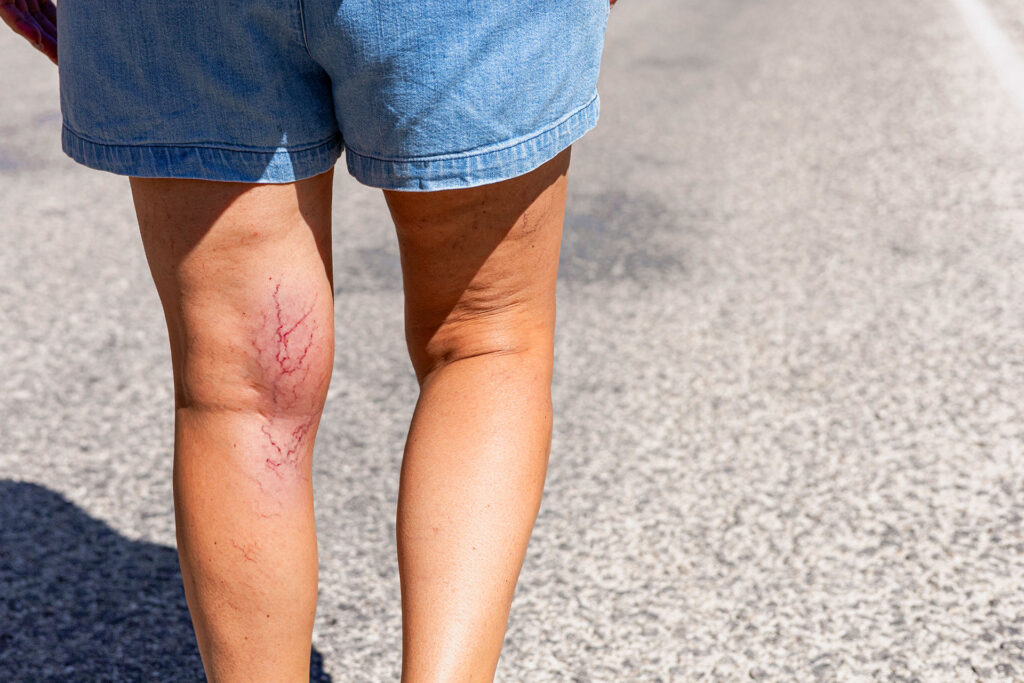
If you’ve ever had blood drawn or received an IV, you may have heard a nurse mutter the dreaded words: “I think we have a blown vein.” While it sounds alarming, a blown vein is a relatively common medical occurrence that, in most cases, heals on its own without lasting consequences.
What Is a Blown Vein?
A blown vein occurs when a needle punctures through a vein, causing it to rupture and leak blood into the surrounding tissue. This typically happens during a venipuncture procedure, such as a blood draw, IV insertion, or injection. When the vein “blows,” it can no longer be used for that procedure, and the leaked blood often results in visible bruising and minor swelling.
Despite its dramatic name, a blown vein is rarely dangerous. The body naturally reabsorbs the leaked blood, and the vein typically heals within 10 to 14 days. However, the experience can be uncomfortable, and in rare cases, complications may arise.

Common Causes of a Blown Vein
Several factors can lead to a blown vein, ranging from technique-related issues to individual physiological characteristics. Understanding these causes can help both medical professionals and patients reduce the risk.
- Improper needle insertion: Inserting the needle at the wrong angle or too forcefully can pierce through the vein wall.
- Fragile or thin veins: Older adults and individuals with chronic illness often have more delicate veins prone to rupturing.
- Rolling veins: Some veins move beneath the skin during insertion, increasing the chance of puncture failure.
- Patient movement: Sudden movements during a blood draw or IV insertion can dislodge the needle.
- Repeated needle sticks: Multiple attempts in the same vein can weaken the vessel wall.
- Dehydration: Low fluid levels make veins harder to access and more likely to collapse.
How to Recognize a Blown Vein
Identifying a blown vein quickly is important so the medical professional can stop the procedure and apply pressure to minimize bruising. Common signs include:
- Sudden swelling or puffiness at the injection site
- Bruising or discoloration that develops within minutes
- Stinging or burning sensation during the procedure
- Tenderness or soreness around the area
- The IV or blood draw stops working properly
Quick Tip: If you notice swelling or pain during a needle procedure, alert your healthcare provider immediately. Early intervention helps prevent larger bruises and discomfort.
Blown Vein vs. Collapsed Vein: What’s the Difference?
Many people confuse a blown vein with a collapsed vein, but they are distinct conditions. A blown vein is a temporary injury caused by needle damage, while a collapsed vein is typically a longer-term condition often associated with repeated trauma or intravenous drug use.
Blown Vein
- Temporary, usually heals in 10–14 days
- Caused by needle puncture through the vein wall
- Results in localized bruising and swelling
Collapsed Vein
- Can be permanent if blood flow is severely restricted
- Caused by chronic damage, scarring, or inflammation
- May require medical evaluation and treatment
Treatment for a Blown Vein
Treating a blown vein is typically straightforward and can usually be done at home. The goal is to reduce swelling, manage discomfort, and allow the vein to heal naturally.
Immediate Care
- Apply gentle pressure: This helps stop blood from leaking into the surrounding tissue.
- Elevate the limb: Raising the affected arm or leg can reduce swelling.
- Use a cold compress: Apply ice (wrapped in cloth) to minimize bruising during the first 24 hours.
Ongoing Care
- Switch to warm compresses after 24–48 hours to encourage healing and improve circulation.
- Take over-the-counter pain relievers like acetaminophen if needed (avoid aspirin, which can worsen bruising).
- Avoid strenuous activity involving the affected limb for a few days.
When to Seek Medical Attention
While most blown veins heal without intervention, certain symptoms warrant a call to your doctor. These may indicate infection, blood clot formation, or another underlying issue:
- Severe or worsening pain
- Increasing redness or warmth around the site
- Pus or unusual discharge
- Fever or chills
- Numbness or joint pain in the limb
- Bruising that doesn’t improve after two weeks
If you find that your veins are frequently causing you pain or you are looking to address chronic issues like varicose or spider veins, you may want to consult a specialist. They can discuss options such as sclerotherapy, a common procedure used to improve the appearance and health of damaged veins.
How to Prevent a Blown Vein
While not every blown vein can be prevented, both patients and healthcare providers can take steps to minimize the risk.
- Stay hydrated before any blood draw or IV procedure to plump up your veins.
- Inform your provider about previous difficult draws or fragile veins.
- Stay still and relaxed during the procedure to prevent needle movement.
- Warm up the area with a heating pad before the procedure to dilate the veins.
Understanding Vein Health Beyond a Blown Vein
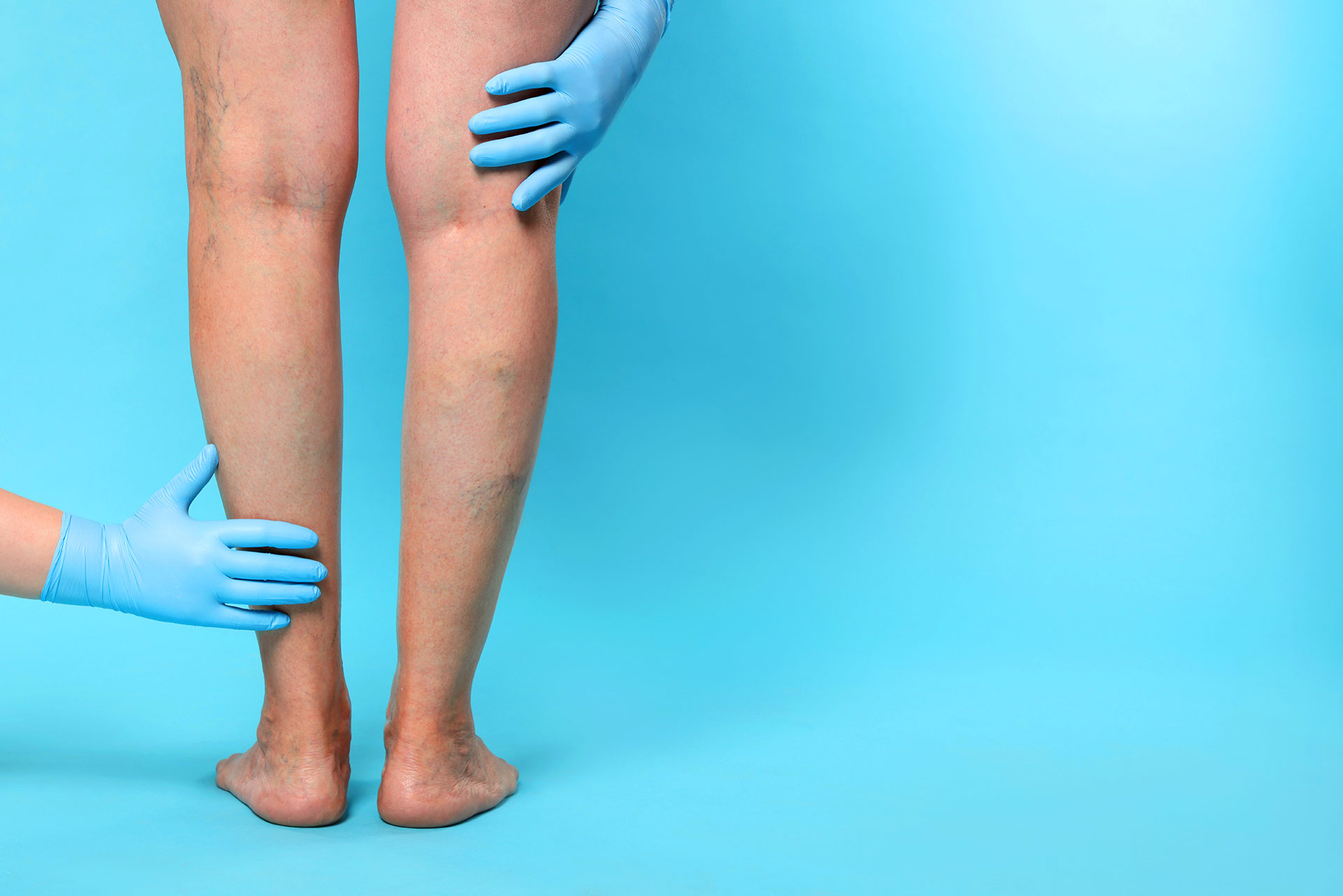
While a blown vein is typically a short-term issue, it’s a great reminder of the importance of overall vein health. Chronic vein problems, such as varicose veins, spider veins, and venous insufficiency, affect millions of people and can cause discomfort, swelling, and cosmetic concerns.
Bulging, twisted, or discolored leg veins on the lower extremities are more common than most people think, and modern minimally invasive treatments can address them effectively, often with little to no downtime.
Frequently Asked Questions About Blown Veins
How long does a blown vein take to heal?
Most blown veins heal within 10 to 14 days. Bruising usually fades within two weeks, and the vein itself returns to normal function shortly after.
Is a blown vein dangerous?
In most cases, no. A blown vein is a minor injury that resolves on its own. However, complications like infection or hematoma can occur in rare cases.
Can a blown vein cause permanent damage?
Permanent damage from a single blown vein is extremely rare. However, repeated trauma to the same vein can lead to scarring or collapse over time.
Can I exercise after a blown vein?
It’s best to avoid strenuous activity using the affected limb for a few days. Light movement is generally fine, but listen to your body and rest if you feel discomfort.
Final Thoughts
A blown vein may look alarming with its bruising and swelling, but it’s typically a minor and temporary inconvenience that resolves with simple home care. Understanding the causes, recognizing the symptoms, and knowing how to respond can help you feel more confident during medical procedures and better equipped to care for yourself afterward.
Remember to stay hydrated, communicate with your healthcare provider, and seek medical attention if you experience any worrisome symptoms. And while a blown vein is usually nothing to worry about, prioritizing long-term vein health, especially in your legs, can help you avoid more serious vascular issues down the road. When in doubt, consulting a vein specialist is always a smart step toward keeping your circulatory system in top shape.