
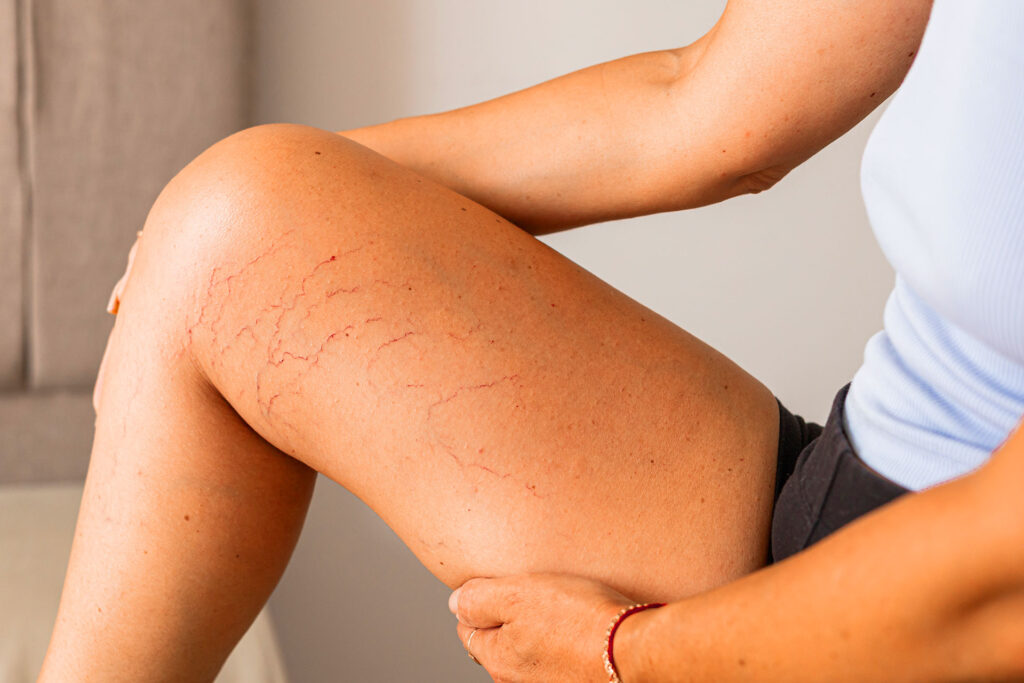
Ever caught yourself staring at your legs after a long day and wondering why those veins suddenly look like they’re mapping out a highway system? You’re not imagining things, and you’re definitely not alone. Big veins in legs are one of the most common concerns people bring up to vascular specialists, yet most folks have no idea why it’s happening or whether they should be worried.
The truth is, bulging leg veins can mean anything from a harmless cosmetic quirk to a sign that your circulatory system needs attention.
Why Do I Have Big Veins in My Legs?
Big veins in legs usually happen when valves inside the veins weaken, causing blood to pool instead of flowing back to the heart. This condition, known as venous insufficiency, leads to swollen, twisted, or bulging veins. Genetics, prolonged standing, pregnancy, and aging are the most common triggers.
What’s Actually Happening Inside Your Veins
Your leg veins work against gravity every single day. They rely on tiny one-way valves to push blood upward toward your heart. When those valves get weak or damaged, blood starts to backflow and collect in the vein instead of moving forward.
Over time, this pooling stretches the vein walls, making them look larger, twisted, or rope-like just under the skin. It’s a mechanical problem, not just a cosmetic one, and it tends to get worse without intervention.
Common Culprits Behind Enlarged Leg Veins
- Genetics: If your parents had varicose veins, you’re significantly more likely to develop them too.
- Prolonged sitting or standing: Jobs that keep you on your feet or glued to a chair reduce healthy blood flow.
- Pregnancy: Increased blood volume and hormonal shifts put extra pressure on leg veins.
- Age: Vein walls naturally lose elasticity as you get older.
- Obesity: Extra weight adds pressure to the lower body’s circulatory system.
- Hormonal changes: Birth control and menopause can weaken vein walls over time.
Signs Your Big Veins Need More Than Just Cosmetic Attention
Not every visible vein is dangerous, but some symptoms indicate it’s time to see a specialist rather than just cover them up with makeup or long pants. When physical discomfort sets in, understanding chronic vs. acute pain can help you figure out whether you are dealing with a temporary flare-up or a longer-term circulatory issue.
- Throbbing or aching pain
- Swelling that worsens by evening
- Skin discoloration near the ankles
- Itching or burning around the vein
- Slightly visible veins with no pain
- Mild bluish tint under fair skin
- Veins that appear only after long periods of standing
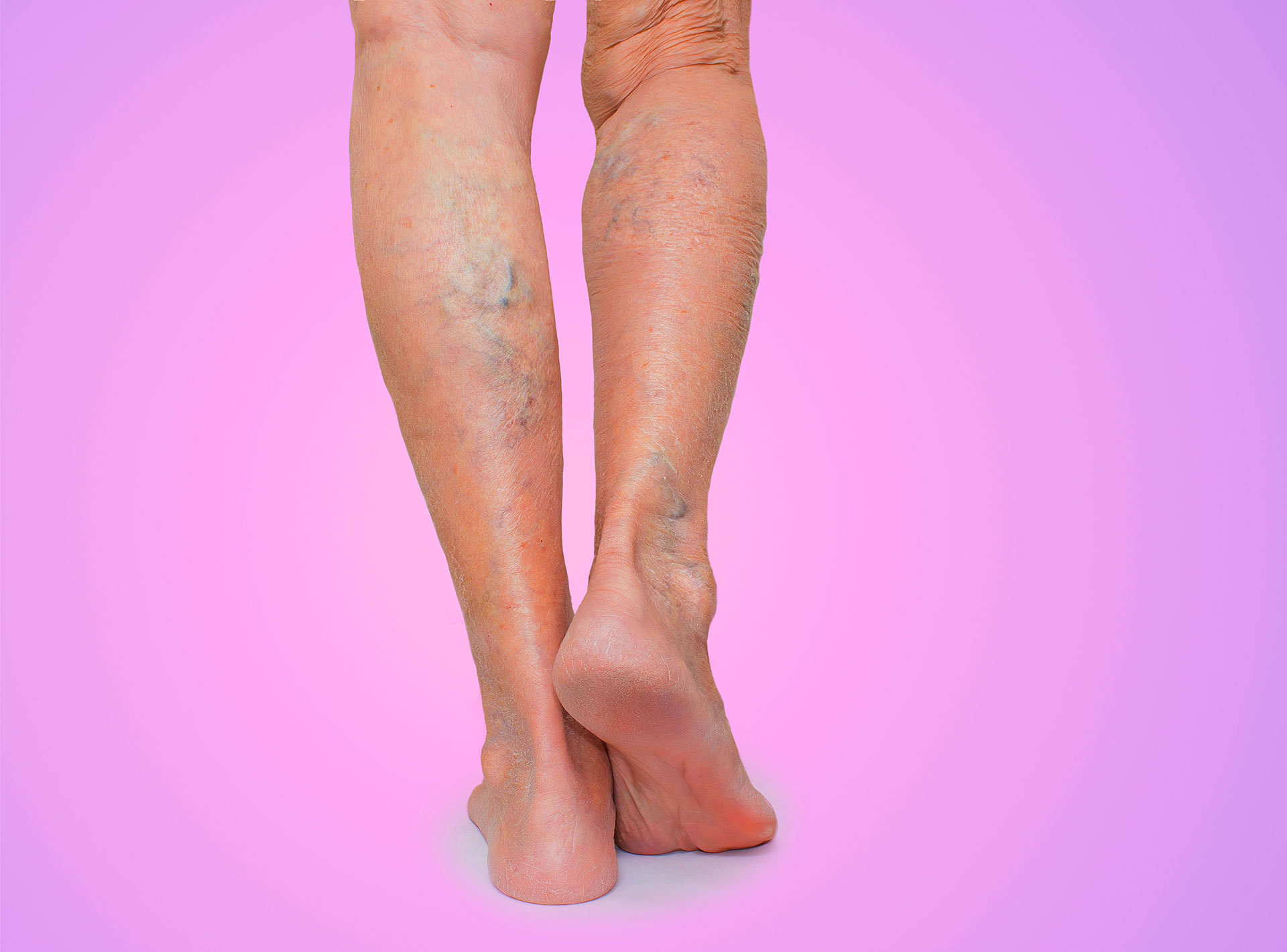
If you notice the symptoms in the red box above, it’s a good idea to get evaluated sooner rather than later. Left untreated, enlarged veins can progress into more serious complications like blood clots or venous ulcers.
How Doctors Diagnose Enlarged Leg Veins
Diagnosis typically starts with a simple physical exam, where a doctor looks at the pattern, size, and location of the veins. From there, they may recommend a venous duplex ultrasound, a painless imaging test that shows blood flow direction and identifies faulty valves.
This test helps determine whether you’re dealing with simple spider veins, moderate varicose veins, or a deeper issue involving the larger saphenous veins. The results guide which treatment path makes the most sense for your specific case.
Treatment Options That Actually Work
The good news is that modern vein treatments have come a long way from the invasive vein-stripping surgeries of the past. Most procedures today are minimally invasive, performed in-office, and require little to no downtime.
- Compression therapy: Specialized stockings that improve circulation and reduce swelling.
- Sclerotherapy: A solution is injected into the vein, causing it to collapse and fade over time.
- Endovenous laser ablation: Laser energy seals off the problematic vein from the inside.
- Radiofrequency ablation: Similar to laser treatment but uses heat energy instead.
- VenaSeal: A medical adhesive closes the vein without heat or needles involved in ablation.
Choosing the right treatment depends on the size, location, and severity of the affected vein. Ignoring bulging veins for too long often makes them harder to treat and increases the risk of complications, which is exactly why understanding the treatment for bulging veins matters before symptoms escalate.
Lifestyle Changes That Support Healthier Veins
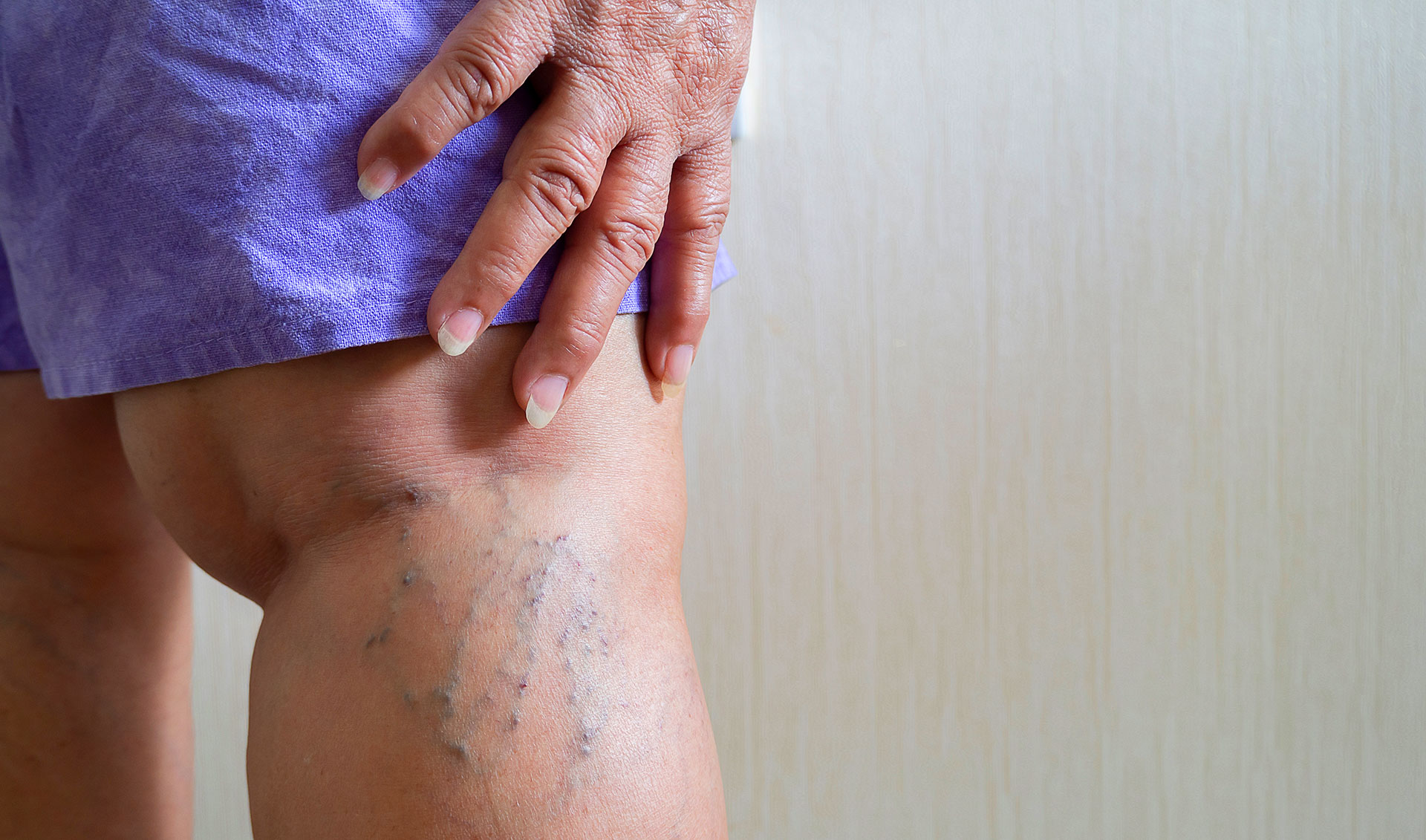
While medical treatment addresses existing vein damage, daily habits can slow progression and ease discomfort. Small, consistent changes tend to make a noticeable difference over a few months. When dealing with sudden leg discomfort or managing flare-ups at home, having an effective acute pain care plan can help you navigate daily routines more comfortably.
- Move regularly: Avoid sitting or standing in one position for more than an hour.
- Elevate your legs: Prop them above heart level for 15-20 minutes daily.
- Stay active: Walking and swimming improve circulation without straining joints.
- Watch your salt intake: Excess sodium contributes to fluid retention and swelling.
- Maintain a healthy weight: Less pressure on your lower body means less strain on veins.
When Should You See a Specialist?
If your veins are causing pain, changing color, or making your skin feel tight and itchy, don’t wait for things to improve on their own. Vascular issues rarely resolve without intervention, and early treatment is almost always simpler and less expensive than late-stage care.
A vein specialist can map out exactly what’s happening beneath the surface and recommend a plan tailored to your lifestyle, symptoms, and long-term vein health goals.
Frequently Asked Questions
Are big veins in legs dangerous?
Not always. Many enlarged veins are simply cosmetic, but when accompanied by pain, swelling, or skin changes, they may signal venous insufficiency that requires medical attention.
Can big leg veins go away on their own?
Rarely. Once a vein valve weakens, it typically doesn’t repair itself. Treatment or lifestyle management is usually needed to prevent worsening symptoms.
Is walking good for varicose veins?
Yes. Walking activates calf muscles that help pump blood back toward the heart, easing pressure on weakened veins.
Does insurance cover vein treatment?
Many insurance plans cover treatment when veins cause documented pain or medical symptoms, though cosmetic-only procedures may not be included.
What happens if enlarged veins are left untreated?
Untreated veins can worsen over time, potentially leading to blood clots, skin ulcers, or chronic swelling in more severe cases.
Big veins in legs are far more common than most people realize, and in many cases, they’re manageable with the right combination of lifestyle habits and professional care. Paying attention to symptoms early, understanding your options, and consulting a specialist when needed can make all the difference in keeping your legs healthy, comfortable, and confident for years to come.