What If Your Tired Legs Were Actually a Medical Condition?
Most people blame a long day. But when leg fatigue follows the same pattern every single day, something else may be going on.
40%of adults have some form of vein disease
3 in 4go undiagnosed for years
92%success rate with vein treatment
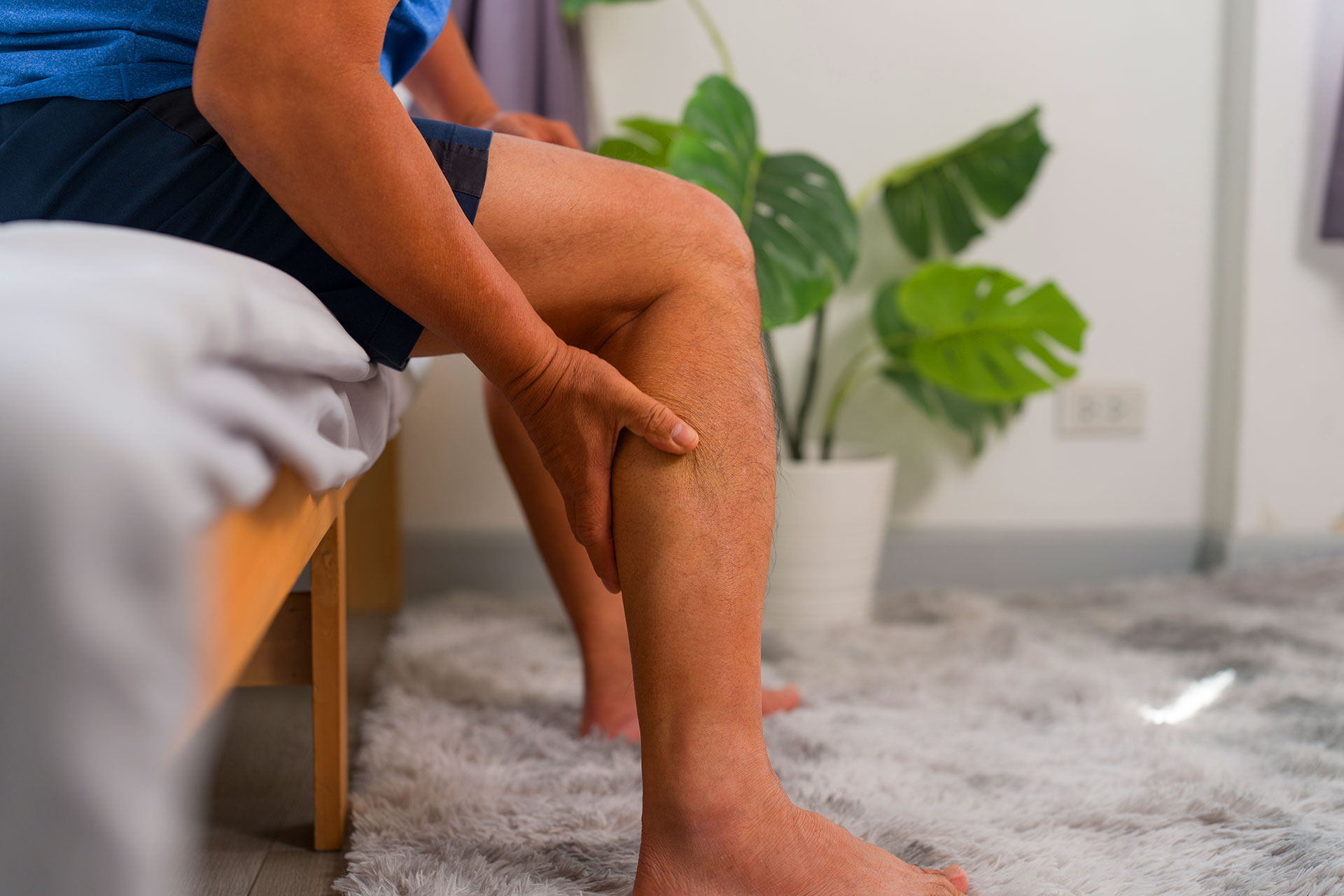
Tired legs feel ordinary. In fact, most people assume that heaviness and aching after a full day on their feet is simply part of life. However, when that fatigue follows the same predictable pattern day after day, builds through the afternoon, and eases only after lying down overnight, it is often not tiredness at all. It is a circulatory condition called venous insufficiency.
Venous insufficiency affects an estimated 40% of American adults, yet the majority go undiagnosed for years. The reason is straightforward: the early symptoms feel too unremarkable to investigate. Understanding what distinguishes vein-related fatigue from ordinary tiredness is therefore the single most important step toward getting the right diagnosis and the right treatment.
This article explains what venous insufficiency is, why it causes leg fatigue, and what modern treatment can do to resolve it permanently.
Section 01
Why Tired Legs Can Be a Medical Problem
To start, your leg veins have a difficult job. Every hour you spend sitting or standing, they must push blood upward against gravity toward the heart. To do this, they rely on a series of one-way valves that open to allow blood upward and close to stop it from falling back.
When those valves weaken or fail, blood no longer moves efficiently upward. Instead, it pools and accumulates in the lower legs. The resulting buildup of pressure inside the vein walls is what produces the heaviness, aching, and swelling that so many people dismiss as ordinary tiredness.
This condition is called chronic venous insufficiency. Importantly, it is a structural problem, not simply a consequence of being tired or out of shape. As a result, rest alone does not fix it. The valves that are causing the problem are still there the next morning, and the cycle begins again.
"The legs do not lie. When fatigue builds the same way, at the same time, every single day, the pattern itself is diagnostic. That kind of predictable, progressive heaviness almost always points to a vein problem rather than general tiredness."
Section 02
Normal Tiredness vs. Vein-Related Fatigue
The most reliable way to tell the difference between ordinary leg tiredness and venous insufficiency is to look at the pattern rather than the intensity. The comparison below outlines the key distinctions that vein specialists use during an initial assessment.
Ordinary Leg TirednessVein-Related Leg Fatigue
Improves after a single night of sleep
Returns every day regardless of sleep
Related to unusually high activity
Present even on low-activity days
Affects the whole body equally
Concentrated in legs and ankles only
No associated swelling or skin changes
Often accompanied by swelling and itching
Eases with elevation or light walking
Also eases with elevation or light walking
Worse after intense exercise
Worse after prolonged standing or sitting
Key Signal to Watch
If your legs feel noticeably heavier and more tired by Thursday or Friday than on Monday, and this happens most weeks, that progressive buildup is one of the strongest indicators of venous insufficiency. It reflects the cumulative effect of several days of poor venous return.
Section 03
Symptoms That Confirm a Vein Problem
Leg fatigue is rarely the only symptom of venous insufficiency. In most cases, it appears alongside a cluster of other signs that, taken together, make the diagnosis clear. A vein specialist will look for this full picture during your evaluation.
Ankle Swelling by Evening
Swelling that appears through the day and reduces overnight directly reflects venous pressure building inside diseased vessels. It is one of the most consistent physical signs of venous insufficiency.
Visible Varicose or Spider Veins
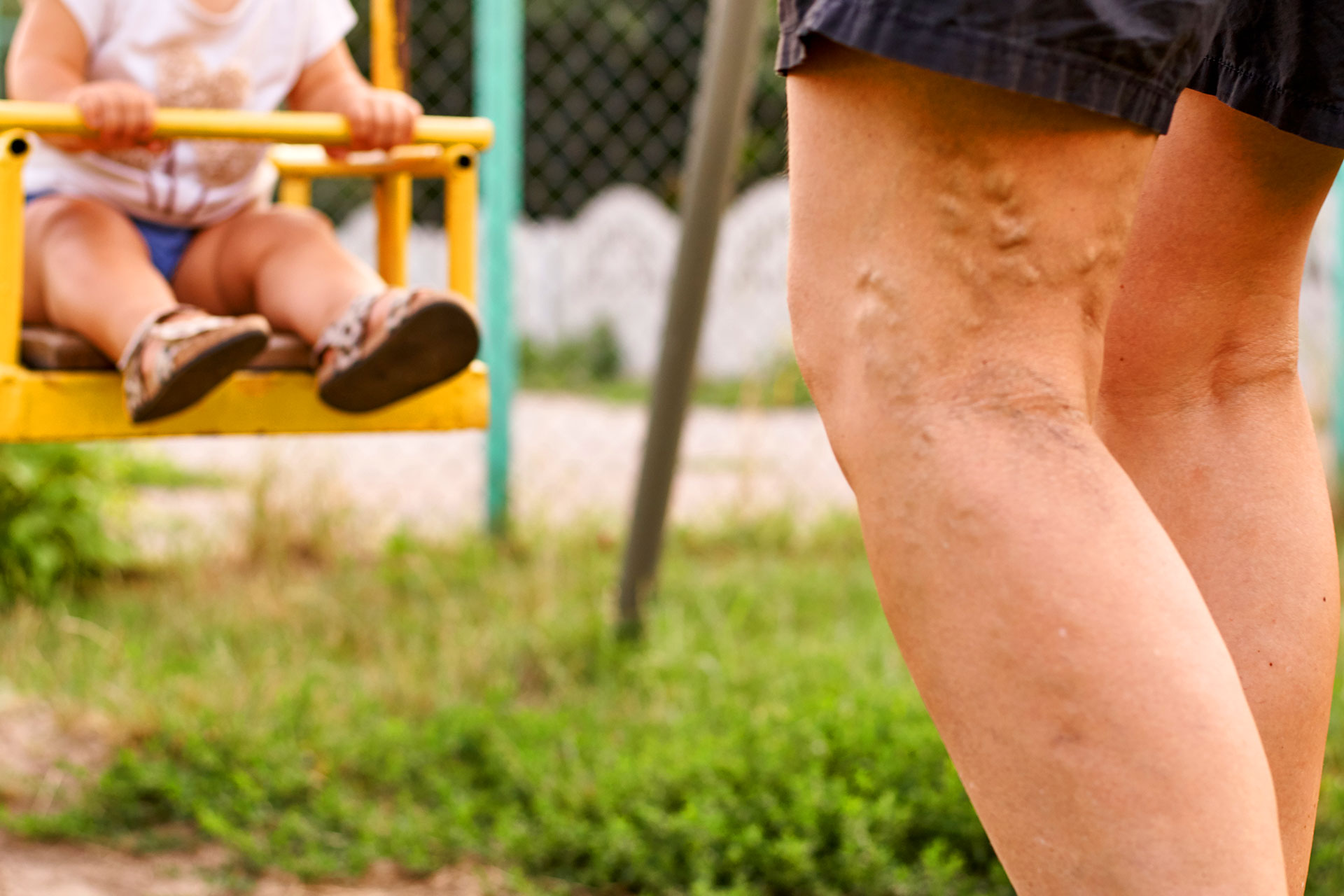
Bulging or twisted surface veins confirm that valve failure has already occurred in those vessels. Even smaller spider veins can indicate deeper insufficiency that is not yet visible on the surface.
Restless Legs at Night
An uncomfortable urge to move the legs in the evening or at night is frequently associated with venous insufficiency. Specifically, the urge often eases when venous pressure is relieved through treatment.
Itching or Burning Sensation
Persistent itching or a burning feeling over the lower leg, particularly around the ankle, indicates that blood is pooling close to the skin surface. This symptom frequently precedes visible skin changes.
Skin Discoloration
A brownish or reddish tint developing near the ankle is caused by red blood cells leaking from overpressured veins into surrounding tissue. This is a more advanced sign that warrants prompt evaluation.
Relief When Legs Are Elevated
If raising your legs above heart level reliably reduces the heaviness and aching within 10 to 15 minutes, this response is strongly suggestive of a venous cause rather than muscular or joint-related fatigue.
Section 04
Who Is at Higher Risk
Venous insufficiency can affect anyone. However, certain factors substantially increase the likelihood of developing the condition. Recognizing these risk factors can help you decide whether a professional evaluation is appropriate.
Family history of varicose veins or vein disease. Vein valve weakness has a strong hereditary component. If a parent or sibling has had venous problems, your own risk is significantly elevated above average.
Jobs that require prolonged standing or sitting. Teachers, nurses, retail staff, office workers, and drivers all experience reduced venous return for hours at a time. Consequently, they carry elevated lifetime risk compared to people whose work involves regular movement.
Pregnancy, especially multiple pregnancies. Increased blood volume and hormonal changes during pregnancy place added pressure on leg veins. Furthermore, the effects can persist or worsen after delivery, particularly with subsequent pregnancies.
Age over 50. Vein walls and valves naturally lose elasticity over time. As a result, venous insufficiency becomes increasingly common with age, though it is not an inevitable or untreatable part of aging.
Previous deep vein thrombosis (DVT). A prior blood clot can permanently damage vein valves, leading to post-thrombotic syndrome. This is one of the most direct pathways to chronic venous insufficiency and persistent leg fatigue.
Section 05
Treatment Options That Resolve the Problem
Venous insufficiency is a structural problem and it requires a structural solution. Compression stockings can reduce symptoms, but they do not close the damaged veins or restore normal venous flow.
The following minimally invasive procedures address the root cause directly. Indeed, most patients return to normal activity the same day.
01
Radiofrequency Ablation (RFA)
A thin catheter delivers controlled thermal energy along the diseased vein, causing it to collapse and seal permanently. Blood is automatically rerouted through healthy vessels. Learn about RFA. It has a success rate above 92% and requires no general anesthesia.
02
Sclerotherapy
A medical solution is injected directly into the diseased vein, causing the vessel walls to scar and close permanently. Specifically, sclerotherapy is particularly effective for smaller varicose veins and spider veins. Multiple veins can be treated in a single session. It is one of the most widely used top vein treatments available.
03
VenaSeal
A medical-grade adhesive is delivered into the vein, bonding the walls together and sealing the vessel without heat or tumescent anesthesia. Because no heat is involved, post-procedure discomfort is minimal and no compression stockings are needed afterward.
04
ClariVein
A mechanochemical approach combining a rotating catheter tip with a sclerosant to close the vein without heat. Your vein specialist will recommend the right technique based on your duplex ultrasound findings.
Insurance Coverage
When a duplex ultrasound confirms venous insufficiency as the cause of your symptoms, treatment is typically covered as a medical procedure rather than a cosmetic one. Most major insurers cover the evaluation and treatment when symptoms such as leg fatigue, swelling, and aching are documented. Your vein specialist will guide you through the pre-authorization process at your first visit.
Your Next Step
Your Legs Should Not Feel Like This Every Day
A single duplex ultrasound is all it takes to find out whether your tired legs have a treatable vein cause. The evaluation is painless, takes under an hour, and is covered by most insurance plans when symptoms are present.
How do I know if my tired legs are a vein problem and not just fatigue?
The key difference is pattern and persistence. Notably, ordinary tiredness improves after rest and does not follow a consistent daily pattern. Venous leg fatigue builds through the day, peaks by evening, eases overnight, and returns the next day. If your legs feel heavy and achy most days regardless of how much you slept, a vein evaluation is strongly recommended.
FAQ 02
Can tired legs from vein disease get worse over time?
Yes. Without treatment, venous insufficiency is a progressive condition. Symptoms that start as mild tiredness and swelling can advance over years to skin discoloration, hardening of the lower leg tissue, and eventually venous ulcers. Early treatment dramatically reduces the likelihood of these complications.
FAQ 03
Is treatment for tired legs caused by vein disease covered by insurance?
In most cases, yes. When a duplex ultrasound confirms venous insufficiency as the cause of your symptoms, treatment is typically covered as a medical procedure rather than classified as cosmetic. A vein specialist can confirm your coverage and guide you through the pre-authorization process at your first visit.