Venous ulcers are open wounds that form on the lower leg when vein disease is left untreated for too long. Although they are the most serious complication of venous insufficiency, they are also one of the most preventable, if the underlying vein problem is addressed early enough.
In most cases, a venous ulcer does not appear suddenly. Instead, it develops over months or years as pressure inside damaged leg veins slowly damages the surrounding skin. With that in mind, understanding the causes and warning signs is the most important step toward avoiding one altogether.
This article explains exactly what venous ulcers are, what causes them, how to recognize the early warning signs, and what modern treatment options can now provide lasting healing and prevent recurrence.
01 / What They Are
What Venous Ulcers Actually Are
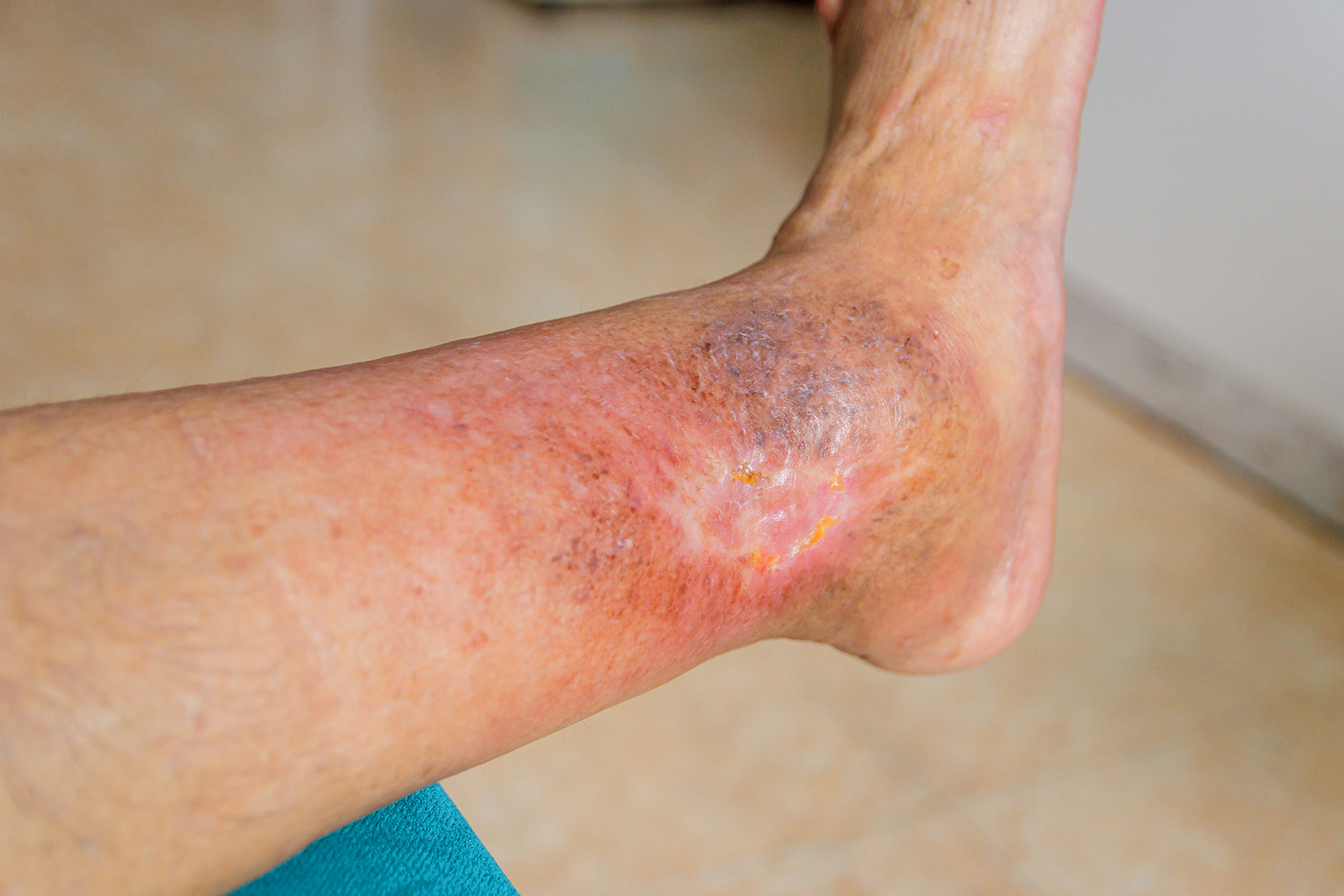
A venous ulcer is an open, slow-healing wound that develops on the lower leg, most commonly near the ankle or inner calf. Unlike ordinary wounds, venous ulcers do not heal well on their own because the underlying problem: sustained high pressure inside diseased leg veins. This is has not been corrected.
To understand why they form, it helps to first understand venous insufficiency. Healthy leg veins rely on a series of one-way valves to push blood upward against gravity toward the heart. However, when those valves weaken or fail, blood flows backward and pools in the lower legs. Consequently, pressure inside the vein walls builds steadily with every hour spent upright.
Over time, this sustained pressure forces fluid and red blood cells out of the overpressured veins and into surrounding tissue. As a result, the skin becomes waterlogged, starved of oxygen, and fragile. Eventually, even minor trauma is enough to break it open. Once open, the wound struggles to close because the underlying venous pressure driving the damage is still present.
"A venous ulcer is not simply a wound. It is the visible endpoint of years of unaddressed vein disease. Treating the surface without treating the veins is why so many ulcers keep coming back."
02 / Causes & Risk
What Causes Venous Ulcers
Chronic venous insufficiency is the direct cause of nearly all venous ulcers. Furthermore, several factors substantially increase the likelihood of developing both the vein disease and the ulcers that result from it.
🧬
Family History
Vein disease has a strong hereditary component. If a parent or sibling has had varicose veins or venous ulcers, your own risk is considerably elevated above average.
💼
Prolonged Standing or Sitting
Jobs that involve standing or sitting for long periods impair venous return significantly. Teachers, nurses, office workers, and retail staff all face elevated long-term risk as a result.
🩹
Previous Deep Vein Thrombosis
A prior DVT can permanently damage vein valves, causing post-thrombotic syndrome, which is one of the most common pathways leading to venous ulcer formation over time.
🤰
Pregnancy
Increased blood volume and hormonal changes during pregnancy place sustained pressure on leg veins. Women with multiple pregnancies carry a higher lifetime risk of venous insufficiency.
📅
Age Over 60
Vein walls and valves lose elasticity with age. As a result, venous ulcers are more common in older adults, particularly those with additional risk factors already present.
⚖️
Excess Weight
Higher body weight increases pressure on leg veins with every hour spent upright. Consequently, obesity is an independent risk factor for both venous insufficiency and ulcer development.
03 / Progression
How Venous Ulcers Develop Over Time
Venous ulcers do not appear overnight. They develop through a predictable progression of skin changes that, when recognized early, offer a clear opportunity to intervene before an ulcer forms. Knowing these stages is therefore one of the most important things a person with vein disease can learn.
1
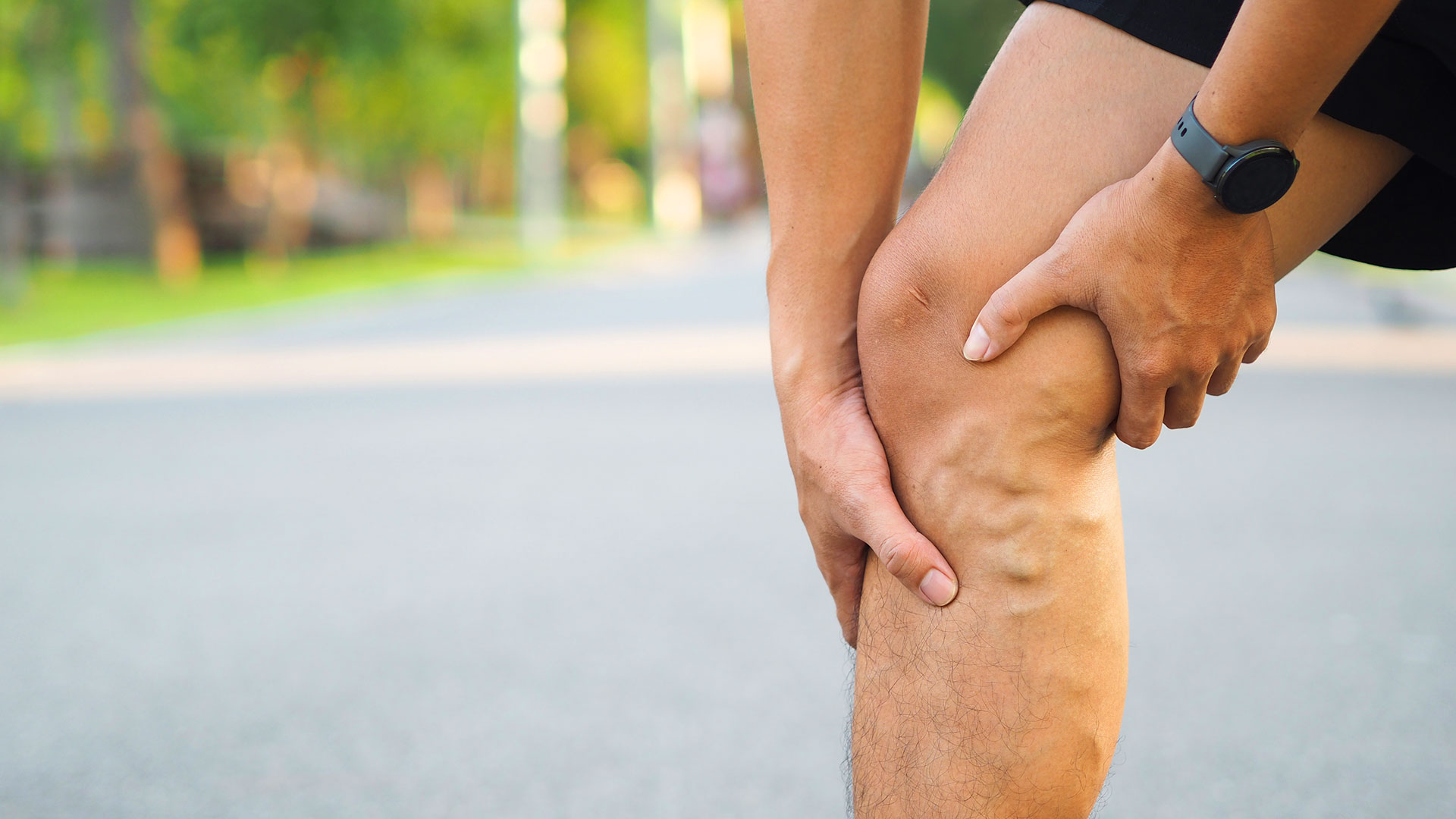
Varicose Veins and Chronic Heaviness
The earliest stage involves visible varicose or spider veins alongside leg heaviness and swelling that builds through the day. Although these symptoms are often dismissed, they confirm that venous pressure is already elevated.
2
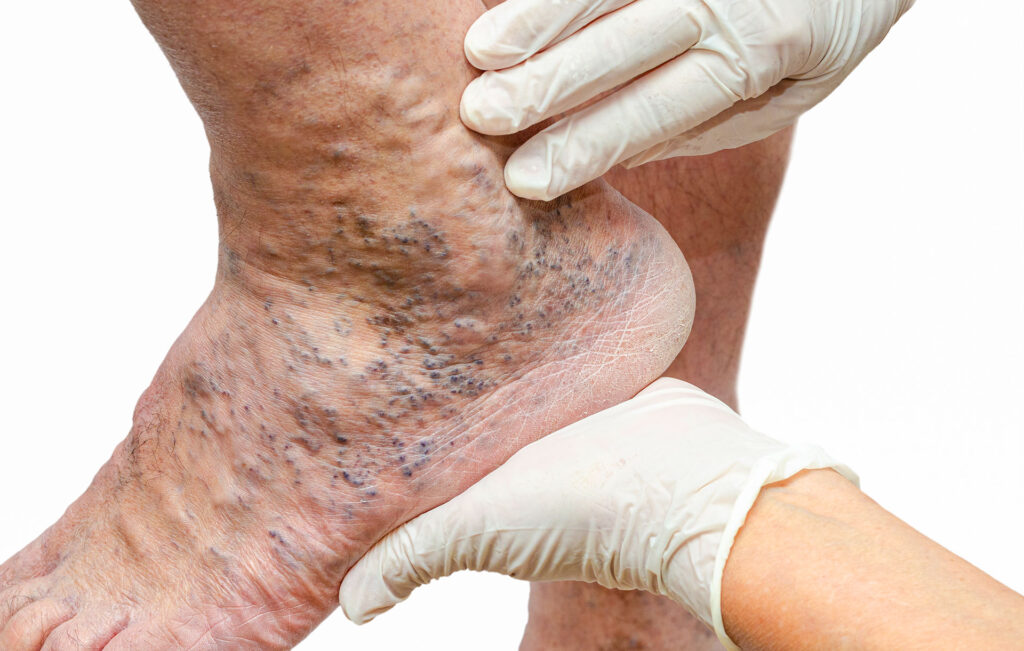
Skin Discoloration (Hemosiderin Staining)
As venous pressure rises, red blood cells begin leaking from overpressured veins into surrounding tissue. This leaves a brownish or reddish staining near the ankle, which is a specific and important warning sign that the skin is under sustained damage.
3
Lipodermatosclerosis
The skin near the ankle becomes hardened, fibrotic, and tight. At this stage, the tissue has lost much of its ability to heal. Notably, this change is irreversible if left untreated, making early vein treatment essential.
4
Ulcer Formation
Finally, even minor trauma breaks the fragile, oxygen-starved skin and an open wound forms. Because the venous pressure driving the damage is still present, the wound resists healing and continues to deteriorate without treatment.
⚠ Do Not Wait for an Ulcer to Form
Skin discoloration or hardening near the ankle is a slow-moving medical emergency. At this stage, vein treatment can halt progression and prevent ulcer formation entirely. Waiting until an ulcer appears significantly complicates treatment and recovery.
04 / Symptoms
Recognizing the Warning Signs
Because venous ulcers develop gradually, recognizing the full range of symptoms is essential for early intervention. The signs below, taken together, form a clear picture of advancing venous disease that warrants immediate evaluation by a vein specialist.
🦵
Leg Heaviness and Aching
A persistent dull ache that worsens through the day and eases overnight is the earliest and most consistent symptom of venous insufficiency leading toward ulcers.
💧
Ankle Swelling
Swelling that appears during the day and reduces after sleep directly reflects venous pressure inside diseased vessels. In addition, the swelling often worsens progressively over weeks.
🎨
Skin Discoloration
Brownish or reddish staining near the ankle signals that red blood cells are leaking from overpressured veins. Specifically, this is one of the most reliable indicators that an ulcer may be imminent.
🔥
Itching and Inflammation
Persistent itching or a burning sensation near the ankle indicates that blood is pooling close to the skin surface under sustained venous pressure.
🩹
Open or Slow-Healing Wound
A wound near the ankle that fails to close within two weeks, with irregular edges and a moist base, is characteristic of a venous ulcer and requires prompt medical evaluation.
💪
Hardened or Tight Skin
A band of fibrotic, tight skin around the lower leg indicates lipodermatosclerosis, which is a sign that the skin has already sustained significant damage and is at high risk of ulceration.
05 / Treatment
Treatment Options That Actually Work
Effective venous ulcer treatment requires addressing both the wound on the surface and the underlying vein disease driving it. Treating only the wound without correcting the venous pressure is the main reason ulcers keep recurring. A vein specialist will assess both dimensions and create a treatment plan accordingly.
Step One: Compression Therapy
High-compression bandaging or stockings (30–40 mmHg) are the foundation of venous ulcer treatment. Compression reduces venous pressure, controls swelling, and creates the conditions the wound needs to heal. Although compression alone can close some ulcers, it does not treat the underlying vein disease and ulcers are therefore very likely to recur without further intervention.
Step Two: Minimally Invasive Vein Treatment
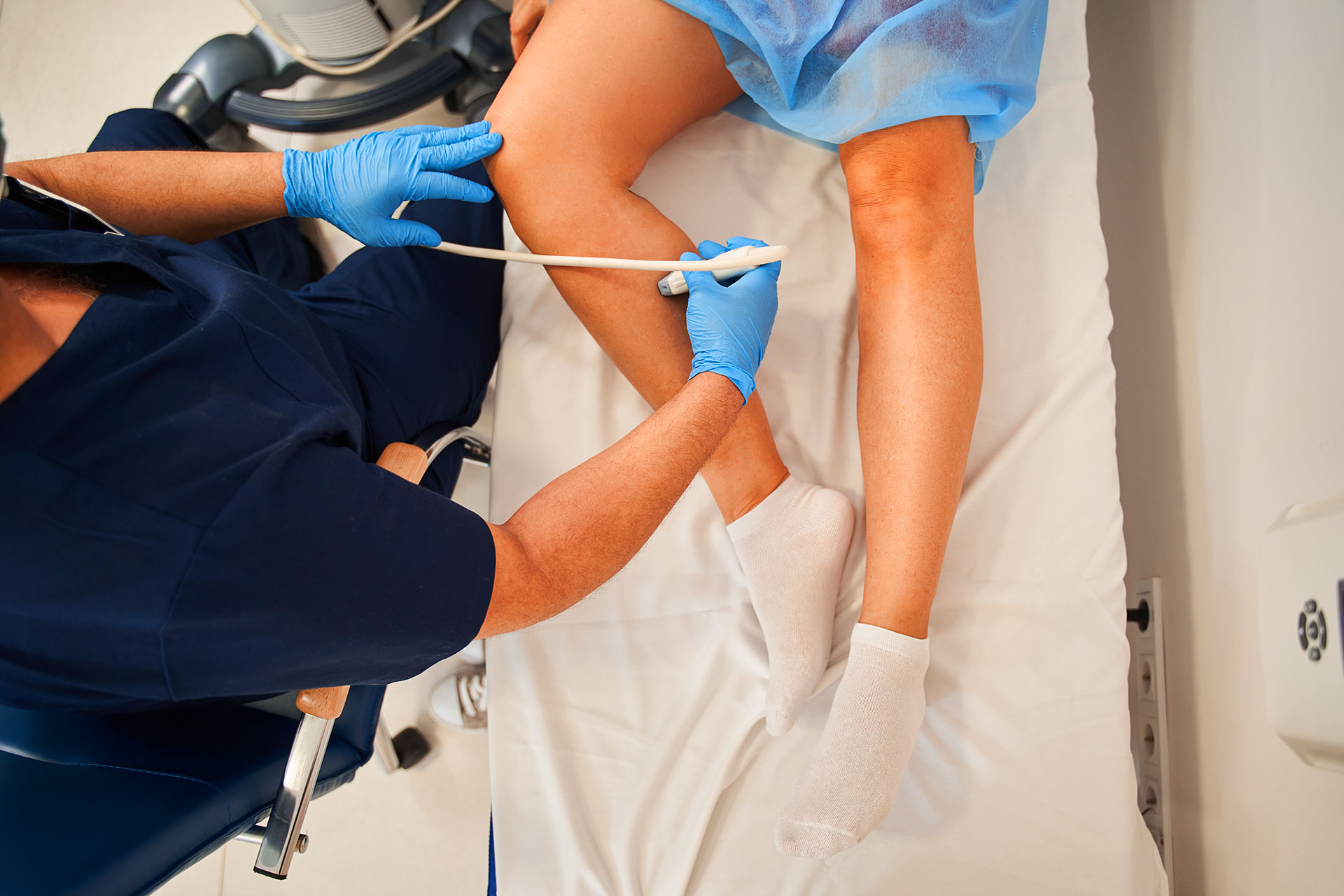
Correcting venous insufficiency at its source dramatically improves healing rates and prevents recurrence. The most commonly recommended options are outlined below. Your specialist will evaluate which is right for you during a duplex ultrasound.
01
Radiofrequency Ablation (RFA)
A thin catheter delivers controlled heat along the diseased vein, collapsing and permanently sealing it. As a result, venous pressure in the affected area is immediately reduced. Notably, RFA carries a success rate above 92% with same-day recovery. Learn about RFA.
02
Sclerotherapy
A medical solution injected directly into the affected vein causes it to scar and close permanently. This approach is particularly effective for smaller varicose veins and feeding vessels around an ulcer site. Furthermore, multiple veins can be treated in a single session with no anesthesia required.
03
VenaSeal
A medical-grade adhesive bonds the diseased vein walls together and seals the vessel permanently without heat or tumescent anesthesia. Unlike thermal techniques, VenaSeal causes minimal discomfort and requires no post-procedure compression stockings.
04
ClariVein
A rotating catheter tip combines mechanical disruption with a chemical sclerosant, achieving permanent closure without thermal energy. It is therefore an excellent option for patients near sensitive nerve structures. For a broader comparison, this overview of top vein treatments covers all the key differences.
💡 Insurance Coverage
Venous ulcers are classified as a medical condition, not a cosmetic concern. In most cases, treatment is covered by insurance when venous insufficiency is confirmed by duplex ultrasound. A vein specialist can walk you through pre-authorization at your first consultation.
Take the First Step
Don't Wait Until a Wound Forms
A duplex ultrasound is all it takes to assess your vein health and determine whether you are at risk. In most cases, the consultation is straightforward, painless, and covered by insurance.
Can venous ulcers heal on their own without treatment?
Venous ulcers rarely heal without addressing the underlying vein disease. Without treatment of the venous insufficiency causing the wound, ulcers typically recur even after the surface closes. Minimally invasive vein procedures combined with compression therapy offer the most effective path to lasting closure.
FAQ 02
How long does it take for a venous ulcer to heal?
Healing time varies depending on ulcer size, duration, and how quickly the underlying vein disease is treated. With proper compression and vein treatment, many ulcers show significant improvement within 12 weeks. However, longstanding or large ulcers may take several months to fully close.
FAQ 03
Is venous ulcer treatment covered by insurance?
In most cases, yes. Venous ulcers are classified as a medical condition rather than a cosmetic concern, and treatment is typically covered when venous insufficiency is confirmed by duplex ultrasound. A vein specialist can guide you through the insurance pre-authorization process at your first consultation.