

Vascular Health · Neurology
So… Why Won't Your Legs Let You Rest?
Restless Legs Syndrome · Causes · Treatment Options 2026
Most people feel the occasional urge to shift position or stretch their legs after sitting too long. But for millions of people, that urge never really goes away. It intensifies at night, disrupts sleep, and over time quietly erodes quality of life in ways that go far beyond restless legs.

Restless legs syndrome symptoms typically worsen at night, making it difficult for patients to fall or stay asleep.
What Is Restless Legs Syndrome?
Restless legs syndrome (RLS) is a chronic neurological condition characterized by an irresistible urge to move the legs, almost always accompanied by deeply uncomfortable sensations arising from within the muscles themselves. It affects an estimated 7 to 10 percent of the population, making it one of the most common neurological disorders most people have never heard of. Women are diagnosed more frequently than men.
RLS exists in two forms. Primary RLS has no identifiable underlying cause and is thought to be largely genetic in origin. Secondary RLS develops as a result of another medical condition, deficiency, or medication. Understanding which type a patient has is essential to choosing the right treatment path, since secondary RLS often improves significantly when the root cause is addressed. A vein specialist can help determine whether vein disease is contributing to your symptoms.
Though the condition can begin in childhood, most people are not diagnosed until their 30s or later. This long gap between onset and diagnosis means many patients spend years managing symptoms they do not yet have a name for.
"Restless legs syndrome is one of the most underdiagnosed conditions in medicine. Many patients live with it for a decade before anyone connects the dots."
Recognizing Restless Legs Syndrome Symptoms
The defining feature of restless legs syndrome symptoms is that they are driven by sensation, not just discomfort. Patients consistently describe feelings that seem to come from deep inside the legs rather than the skin surface. Common descriptions include crawling, pulling, itching, burning, or an almost electrical prickling that demands movement for relief.
Restless Legs Syndrome Symptoms to Know
Uncontrollable Urge to Move the LegsThe hallmark of RLS. The urge is not voluntary and does not subside easily without physical movement. It often feels compulsive rather than simply uncomfortable.
Crawling, Itching, or Pulling SensationsPatients describe sensations that seem to originate inside the muscles or bones. Unlike surface itching, these feelings do not respond to scratching or topical relief.
Symptoms That Worsen at NightRestless legs syndrome symptoms follow a clear circadian pattern, intensifying in the evening and overnight. This makes falling and staying asleep particularly difficult.
Worsening During InactivitySymptoms accelerate when sitting or lying still for extended periods, such as during long flights, car journeys, movies, or desk work. Movement brings temporary relief.
Involuntary Leg Movements During SleepMost RLS patients also experience periodic limb movements, where the legs jerk or kick involuntarily every 20 to 40 seconds throughout the night, often without the patient realizing it.
Fatigue and Daytime ImpairmentDisrupted sleep from overnight restless legs syndrome symptoms leads to chronic tiredness, reduced concentration, mood changes, and in severe cases, depression.
Symptoms Beyond the LegsDespite its name, RLS can affect the arms and hands in some patients, particularly in more advanced or severe cases.
Restless legs syndrome symptoms overlap with several other conditions including leg cramps, nerve disorders, and circulation problems. A proper medical evaluation is essential before assuming a diagnosis or starting any treatment.
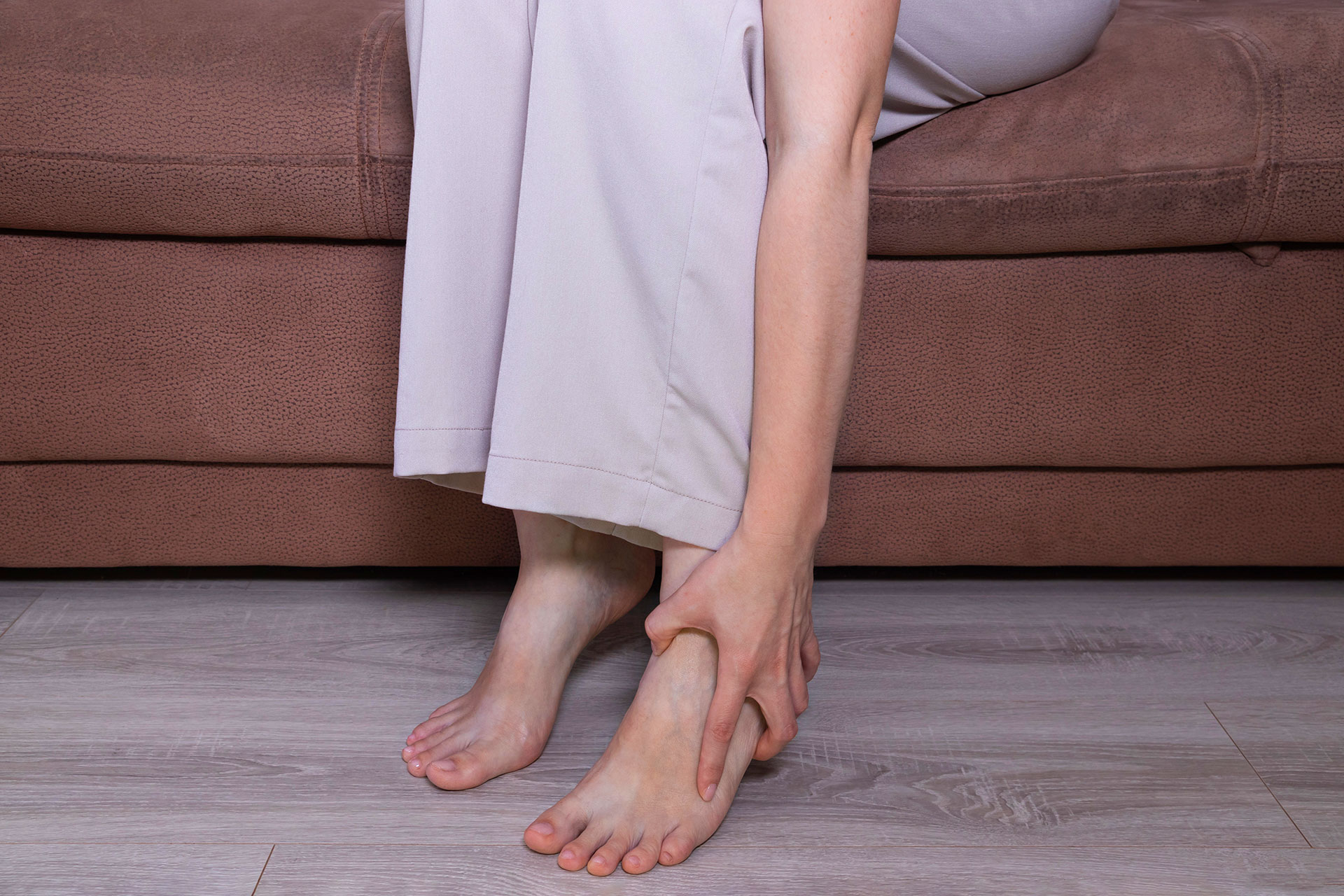
Secondary restless legs syndrome often has an identifiable physical cause, including vein disease, iron deficiency, or kidney conditions.
Understanding Restless Legs Syndrome Causes
Primary RLS is rooted in the brain's dopamine system. Dopamine regulates movement control, and disruptions to how it is produced or used appear to trigger the characteristic urges of RLS. Iron plays a supporting role here too, as it is essential for dopamine production. Low iron stores in the brain are consistently found in RLS patients, even when standard blood iron levels appear normal.
Secondary restless legs syndrome causes are more varied and in many cases, more treatable. Identifying and addressing the underlying condition is often the most effective route to relief.
Known Causes and Risk Factors
Varicose Veins and Vein DiseaseImpaired venous circulation is one of the most important and treatable restless legs syndrome causes. Poor blood flow and pooling in the legs can trigger or significantly worsen RLS symptoms. Explore available vein treatments that can address this root cause.
Iron DeficiencyLow iron levels impair dopamine function in the brain, directly contributing to RLS. This is one of the most common correctable causes, particularly in women.
Genetic FactorsRLS runs in families. Specific genetic variants have been identified that increase susceptibility, particularly in cases of early-onset primary RLS.
PregnancyRLS is especially common in the third trimester, driven by hormonal changes, increased blood volume, and iron demands. In most cases, symptoms resolve after delivery.
Kidney DiseaseEnd-stage renal disease is strongly associated with secondary RLS. Dialysis patients have particularly high rates of the condition.
DiabetesPeripheral neuropathy caused by diabetes can trigger RLS-like symptoms or worsen existing restless legs syndrome.
Certain MedicationsAntidepressants, antipsychotics, antihistamines, and some anti-nausea medications are known to trigger or worsen restless legs syndrome symptoms in susceptible individuals.
Nutritional DeficienciesLow levels of magnesium, folate, vitamin D, and calcium have all been associated with secondary RLS in some patients.
The Link Between Restless Leg Syndrome and Varicose Veins
Why Vein Disease Triggers RLS
Restless leg syndrome and varicose veins share a closer relationship than most patients realize. When veins in the legs fail to return blood efficiently to the heart, blood pools in the lower legs and creates sustained pressure in the surrounding tissue. This chronic congestion appears to irritate the nerves responsible for the sensations characteristic of RLS. For patients with secondary RLS caused by vein disease, treating the underlying venous insufficiency through radiofrequency ablation can significantly reduce or even eliminate RLS symptoms without the need for long-term medication.
How Restless Legs Syndrome Is Diagnosed
There is no single test that confirms a restless legs syndrome diagnosis. Instead, medical professionals apply a standardized set of clinical criteria to evaluate whether a patient's experience matches the known profile of the condition. Additional testing is used to identify or rule out secondary causes.
The Four Diagnostic Criteria for RLS
An urge to move the legs, usually accompanied by uncomfortable or unpleasant sensations originating deep within the limbs.
The urge begins or worsens during periods of rest or inactivity, such as lying down or sitting for extended periods.
Movement, such as walking or stretching, brings partial or complete relief from the discomfort, at least temporarily.
The urge to move and the associated discomfort are worse in the evening or at night than during the day.
A physician will also request blood tests to check iron levels, kidney function, and nutritional markers. An electromyography (EMG) may be ordered to rule out neuropathy or other muscle disorders. For patients with visible vein disease or venous insufficiency symptoms, a duplex ultrasound of the leg veins is particularly valuable, as treating an underlying venous cause can resolve secondary RLS entirely.

From lifestyle adjustments to minimally invasive vascular procedures, effective restless legs syndrome treatment is available for most patients.
Restless Legs Syndrome Treatment: Your Options
The right restless legs syndrome treatment depends on whether the condition is primary or secondary, how severe the symptoms are, and what other health factors are present. In most cases, a combination of lifestyle changes and targeted medical treatment produces meaningful relief.
Lifestyle AdjustmentsReducing or eliminating caffeine and alcohol, establishing consistent sleep routines, applying warm compresses to the legs, and incorporating regular moderate exercise can all reduce restless legs syndrome symptoms. Avoiding medications known to worsen RLS, such as certain antidepressants and antihistamines, is also an important first step.
Iron and Nutritional SupplementationFor patients with confirmed iron deficiency, supplementation often produces rapid and significant improvement in RLS symptoms. Correcting deficiencies in magnesium, folate, or vitamin D may also help patients whose secondary RLS is linked to nutritional gaps.
Dopaminergic MedicationsDrugs that enhance dopamine activity in the brain, including pramipexole, ropinirole, and rotigotine, are FDA-approved for moderate to severe RLS. They are typically taken at night and can significantly reduce the urge to move and improve sleep quality. Long-term use requires monitoring, as symptoms can worsen over time with continued use.
Anti-Seizure MedicationsGabapentin enacarbil is FDA-approved specifically for restless legs syndrome treatment. Pregabalin and gabapentin are also used, particularly for patients whose RLS is accompanied by pain, insomnia, or anxiety. These medications work differently from dopaminergic agents and may be preferred for patients with certain profiles.
Treating Underlying Vein DiseaseFor patients where restless leg syndrome and varicose veins are connected, minimally invasive vascular procedures offer a compelling treatment path. Radiofrequency ablation closes the diseased vein from within using thermal energy, restoring healthy blood flow. Sclerotherapy and VenaSeal are additional options depending on the severity of the vein condition. Treating the vascular cause can reduce or resolve secondary RLS without ongoing medication.
Managing Special CasesPregnant patients with RLS are generally advised to avoid medications and focus on iron supplementation and lifestyle measures, as symptoms typically resolve after delivery. Patients with kidney disease may benefit from adjusted dialysis schedules. In severe, medication-resistant cases, low-dose opioids may be considered under close physician supervision.
"For many patients, the most effective restless legs syndrome treatment is not a pill. It is finding and fixing the underlying cause, whether that is an iron deficiency, a vein condition, or a medication that should be changed."
When to See a Specialist
If restless legs syndrome symptoms are disrupting your sleep, affecting your concentration during the day, or making it difficult to sit comfortably for any length of time, it is worth seeking a proper evaluation. RLS is significantly underdiagnosed, and many patients find that a straightforward diagnosis opens the door to treatments that restore sleep and daily comfort quickly.
If you have visible varicose veins or any symptoms of venous insufficiency alongside your RLS, a vein specialist should be part of your care team. The connection between restless leg syndrome and varicose veins is well established, and addressing the vein condition may be the most direct and lasting form of restless legs syndrome treatment available to you.
"You should not have to accept disrupted sleep and restless nights as your normal. Restless legs syndrome is treatable, and for many patients, the right intervention changes everything."
Frequently Asked Questions
Can varicose veins cause restless legs syndrome?
Yes. Varicose veins are one of the known secondary causes of RLS. When blood pools in the lower legs due to failing vein valves, it creates sustained pressure that irritates surrounding nerves. For these patients, treating the vein condition through procedures like radiofrequency ablation can significantly reduce or eliminate RLS symptoms without long-term medication.
How is RLS different from regular leg cramps?
Leg cramps are sudden, involuntary muscle contractions that resolve on their own. RLS is an ongoing urge to move the legs driven by deep internal sensations, not a muscle spasm. RLS also follows a clear pattern — worsening at night and during inactivity — and is relieved by movement. If you are unsure which applies to you, a vein specialist or neurologist can help distinguish between the two.
What vein treatments help with RLS?
For RLS linked to vein disease, minimally invasive procedures are the most effective route. These include radiofrequency ablation, sclerotherapy, VenaSeal, and ClariVein. Each targets the diseased vein directly, restoring circulation and relieving the venous pressure that drives secondary RLS. A full overview of vein treatments can help you understand your options.