
Vein Health · Vascular Care
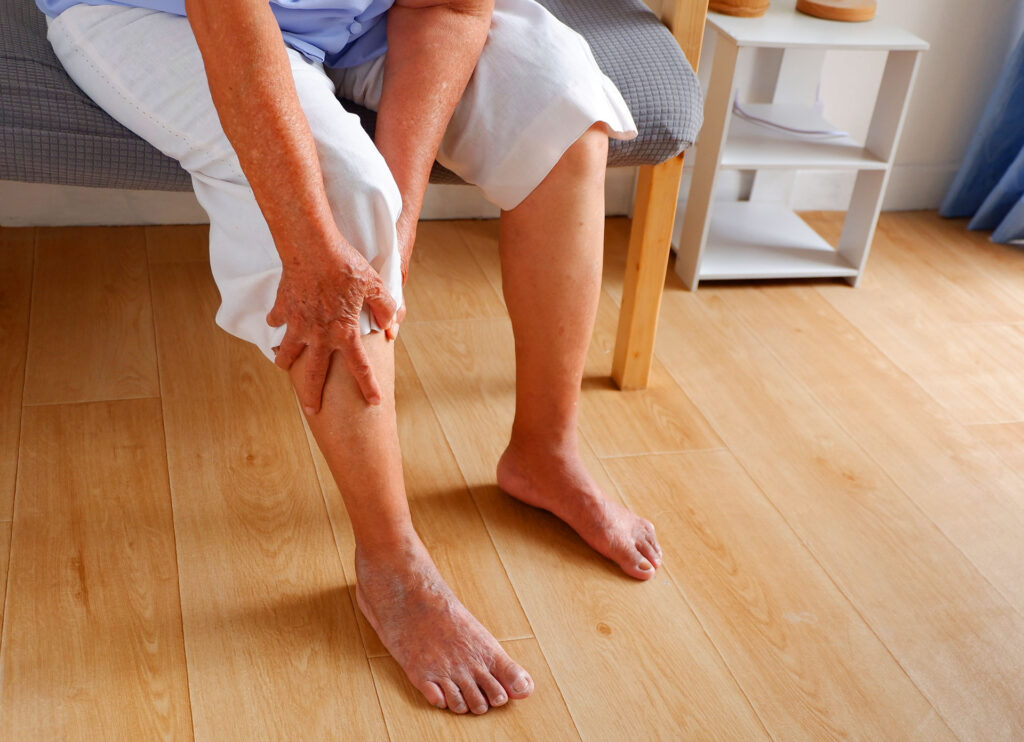
So… What Are Those Bulging Veins on Your Legs? And How Do You Get Rid of Them?
Varicose Veins · Swollen Veins · Treatment Options 2026
Let's talk about something a lot of people notice but not enough people actually address: those visible, raised, or ropy veins running along your legs. You might have dismissed them as just a cosmetic thing. But here's what you should know.
It's Not Just a Cosmetic Issue
Varicose veins in legs aren't simply about appearance. They're a sign that the vein valves (the tiny one-way doors that push blood back toward your heart) aren't working properly. When those valves weaken or fail, blood pools in the vessel, pressure builds, and the vein stretches until it becomes visibly swollen or bulging.
Left untreated, that swollen vein can progress into something more serious: deep aching, leg fatigue, skin changes, and in some cases, blood clots or open sores near the ankle. A vein specialist can assess your situation early and help prevent these complications.
"Bulging veins aren't just something to cover up with long pants. They're your body telling you that blood flow in your legs needs attention."
Recognizing Varicose Veins Symptoms
Most people chalk these symptoms up to being tired or getting older. But they're worth paying attention to, especially when they show up together.
Warning Signs to Watch For
Heaviness or Aching LegsThat dragging, tired feeling, especially after standing or sitting for long stretches, is one of the earliest varicose veins symptoms.
Visible Bulging or Discolored VeinsBlue, purple, or greenish veins that protrude above the skin surface along the calf, thigh, or inner leg.
Ankle SwellingA swollen vein can cause fluid buildup around the ankle and lower leg, particularly by the end of the day.
Itching or Burning SkinThe skin overlying varicose veins is often irritated, inflamed, or discolored, especially around the ankle.
Night Cramps or Restless LegsPersistent cramping after you lie down is a frequently overlooked sign of chronic venous insufficiency.
If a vein becomes suddenly red, warm, or tender to the touch, or if you notice a hard lump along its path, consult a vascular specialist promptly. These can be signs of superficial thrombophlebitis.
Why Bulging Veins Develop in the First Place
The culprit is almost always damaged vein valves. Healthy veins have tiny one-way flaps that work against gravity to push blood upward from your legs to your heart. When they weaken through age, genetics, prolonged standing, pregnancy, or excess weight, blood reverses course and pools. That pooling stretches the vessel wall until it becomes the visible, bulging vein you see on the surface.
You're not doing anything wrong. For many people, it's simply hereditary. If a parent had varicose veins in their legs, the odds are meaningful that you will too.
"Vein disease doesn't always shout. Sometimes it just quietly aches, swells, and itches. Until one day you notice the skin near your ankle has changed color."
How to Get Rid of Veins on Legs: Your Real Options
The good news is that modern vein treatments have come a long way from what your grandparents experienced. Most procedures today are minimally invasive, done in-office, and require little to no downtime. Here's what's available:
Treatment Options at a Glance
Compression TherapyGraduated compression stockings apply controlled pressure to support blood flow. They don't reverse varicose veins, but they reduce discomfort and slow progression. They're always a smart first step.
SclerotherapyThe gold standard for spider veins and smaller varicose veins. A solution is injected directly into the vein, causing it to scar, close, and fade. Spider veins typically clear in 3–6 weeks.
Endovenous Thermal AblationLaser or radiofrequency energy is delivered inside the vein through a thin catheter, sealing it from within. Highly effective for larger varicose veins. Most patients return to normal activity the same day.
VenaSeal Closure SystemA medical adhesive is injected to permanently seal the diseased vein: no heat, no nerve risk, minimal bruising. One of the newest and most comfortable options for how to get rid of veins on legs.
Lifestyle ManagementRegular walking, leg elevation, weight management, and movement breaks won't eliminate existing veins, but they slow new ones from forming and ease daily symptoms significantly.
Does Everyone With Varicose Veins Need Treatment?
Not necessarily. If your veins are visible but painless, and you have no other symptoms, active monitoring and compression may be enough. But if you're experiencing aching, swelling, skin changes, or the veins are progressing, treatment isn't just cosmetic. It's preventive.
The earlier vein disease is caught, the simpler and more effective the treatment. A duplex ultrasound, a quick and painless scan, is all it takes to map your veins and understand what's actually happening beneath the surface.
"If the discomfort is affecting how you move, work, or sleep, that's not something you just live with. That's something you treat."
Frequently Asked Questions
Are varicose veins only a cosmetic problem?
Not always. While they can start as a visual concern, varicose veins often signal faulty vein valves and poor circulation. Left untreated, they can lead to aching, swelling, skin changes, and in some cases, blood clots or venous ulcers. It's worth having a vein specialist assess whether what you're seeing is purely cosmetic or something that warrants treatment.
What Is the Least Invasive Treatment for Varicose Veins?
For smaller varicose and spider veins, sclerotherapy is among the simplest options, a quick in-office injection with no downtime. For larger veins, radiofrequency ablation and VenaSeal are both minimally invasive, with most patients resuming normal activity the same day.
How do I know if my varicose veins need medical attention?
If your veins are accompanied by leg heaviness, swelling, skin discoloration, or night cramps, those are signs worth taking seriously. A simple duplex ultrasound can map your vein function and reveal whether there's underlying venous insufficiency driving the problem.