Heavy, Tired Legs After Work?
You Might Have a Vein Problem
Most people dismiss heavy, tired legs as a normal consequence of a long workday. In reality, however, persistent leg heaviness that builds throughout the day and eases when you lie down is one of the most telling early signs of venous insufficiency.
Specifically, when leg veins lose the ability to return blood efficiently to the heart, that blood begins to pool in the lower legs. Over time, this resulting pressure causes the dull, weighted sensation that millions of people attribute simply to fatigue.
In many cases, by the time the heaviness becomes a daily nuisance, underlying vein damage has already been developing for months or even years. With that in mind, this article explains what is actually happening inside your veins, how to recognize the warning signs, and what modern treatment options are now available to provide lasting relief.
Why Your Legs Feel Heavy After Work
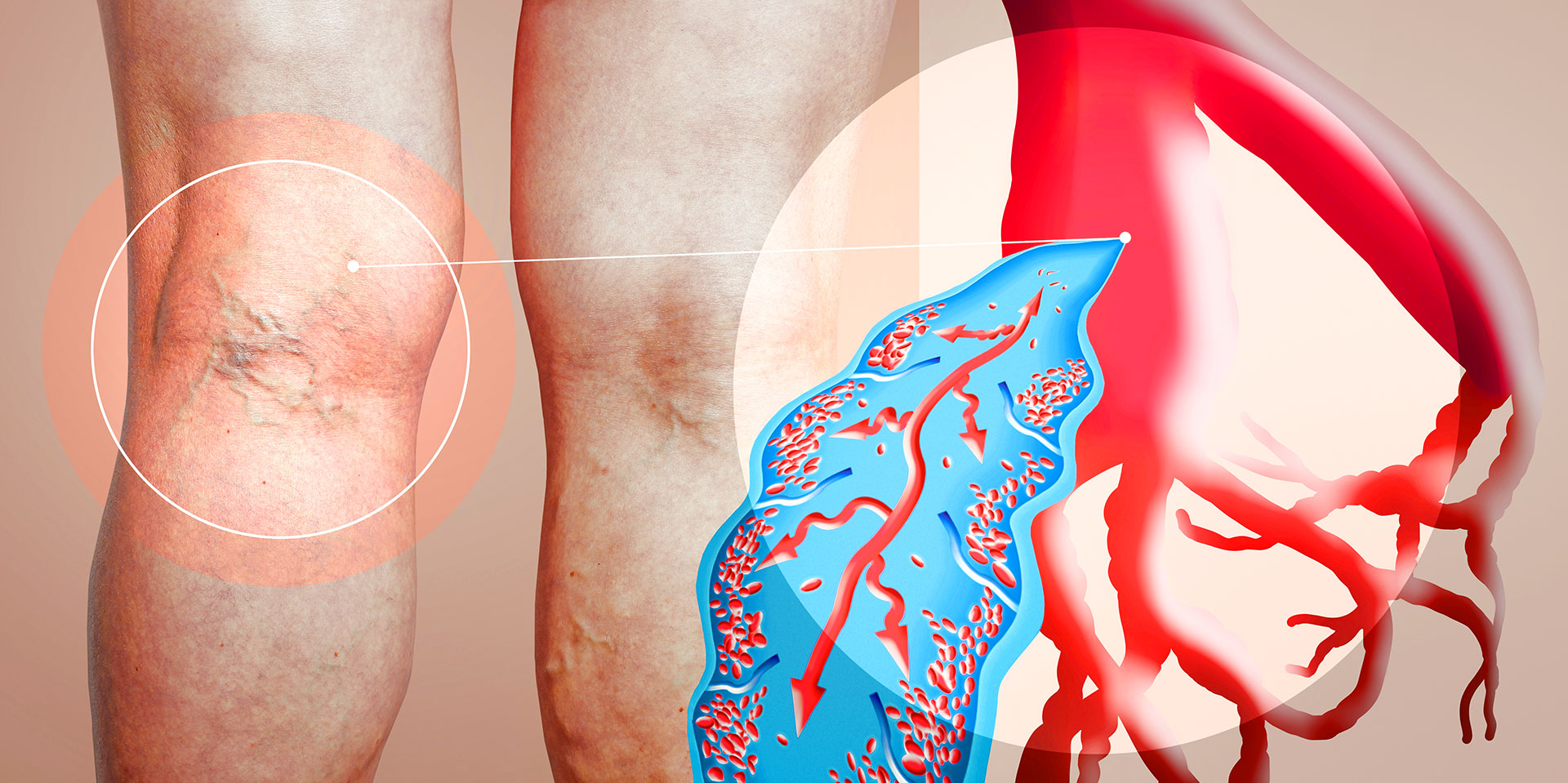
To understand what is happening, it helps to first consider how blood moves through leg veins. Unlike arteries, which are powered by the heart's pumping force, leg veins must return blood upward against gravity. They rely on a series of one-way valves that open as blood flows upward, then close to prevent it from falling back down.
When those valves are healthy, the system works efficiently. However, once vein walls weaken or valves become damaged, they no longer close properly. As a result, blood flows backward between heartbeats and accumulates in the lower legs, a condition known as venous reflux.
The pooling blood then increases pressure inside the vein walls with every hour you spend upright. Consequently, by the end of a working day, your legs may feel swollen, heavy, and genuinely exhausted, not because your muscles are tired, but because your veins are struggling under sustained pressure.
The Difference Between Fatigue and Vein Disease
Normal muscle fatigue after physical exertion is expected and resolves fully after rest. Vein-related leg heaviness, however, follows a different and more recognizable pattern. Understanding this distinction is therefore an important step toward getting the right help.
How to Tell the DifferenceOther Symptoms That Often Accompany Heavy Legs
Leg heaviness rarely appears in isolation. In most cases, it occurs alongside other symptoms that together paint a clear picture of venous insufficiency. Moreover, recognizing these accompanying signs early makes a significant difference in how straightforward treatment ultimately becomes.
Common Accompanying Symptoms- Ankle and foot swelling that worsens through the day and improves after sleeping with legs elevated
- Aching or throbbing in the calves, particularly after long periods of standing or sitting
- Visible varicose veins or a network of spider veins appearing on the calves or thighs
- Itching or burning skin over the lower leg, often a sign of blood pooling just beneath the surface
- Restless legs at night, frequently linked to the venous pressure that builds during the day
- Skin discoloration near the ankle, which indicates red blood cells leaking into surrounding tissue
Who Is Most at Risk
Venous insufficiency can affect almost anyone, but certain factors substantially increase the likelihood of developing the condition. Furthermore, many of these risk factors are occupational, meaning they accumulate quietly over years of daily work.
"Heavy legs after work are not something you simply have to accept. In most cases, they are a treatable medical condition with a clear, minimally invasive solution."
What You Can Do to Manage Symptoms
While lifestyle measures alone will not reverse vein valve damage, they can nonetheless reduce daily discomfort and slow the progression of the condition in the meantime. Accordingly, the following steps are worth implementing before, during, and after your working day.
These measures help manage day-to-day symptoms effectively, but they do not address the root cause. If your legs feel heavy and tired after work on a regular basis, a vein evaluation is the essential next step. In particular, a vein specialist can confirm whether venous insufficiency is present with a simple, painless duplex ultrasound and outline the most effective path forward.
Treatment Options That Actually Work
Modern vein treatment has advanced considerably. Today, all major procedures are performed in-office under local anesthetic, require no hospital stay, and allow patients to return to normal activity the same day or the next. Furthermore, success rates are high and recurrence rates are low. Furthermore, success rates are high and recurrence rates are low.
Since the right treatment depends on the size, location, and severity of the affected veins, your specialist will assess these factors during a duplex ultrasound before recommending a specific approach.
Minimally Invasive Procedures Your Specialist May Recommend
A thin catheter uses controlled heat to collapse and permanently seal the diseased vein from the inside. As a result, blood reroutes through healthy vessels and the treated vein is gradually absorbed by the body. Notably, RFA carries a success rate above 92% with same-day recovery. Learn about RFA.
A medical solution is injected directly into the affected vein, causing it to scar and close permanently. This approach is particularly effective for smaller varicose veins and spider veins. Furthermore, multiple veins can be treated in a single session with no anesthesia required, and most patients notice clear improvement within a few weeks.
A medical-grade adhesive bonds the diseased vein walls together and closes it permanently. Unlike thermal techniques, VenaSeal requires no heat, no tumescent anesthesia, and no post-procedure compression stockings, making it one of the most comfortable options currently available.
A rotating catheter tip mechanically disrupts the vein wall while simultaneously delivering a chemical sclerosant, achieving permanent closure without thermal energy. It is therefore an excellent choice for patients who cannot tolerate tumescent injections. For a full comparison of all options, this overview of top vein treatments is a helpful resource.
"Venous insufficiency is a progressive condition. Therefore, the sooner it is addressed, the simpler the treatment and the more complete the recovery."

Your Legs Should Not Feel This Way
A duplex ultrasound is all it takes to find out whether vein disease is behind your symptoms. In most cases, the consultation is straightforward, painless, and covered by insurance when symptoms are documented.
Book a Consultation