
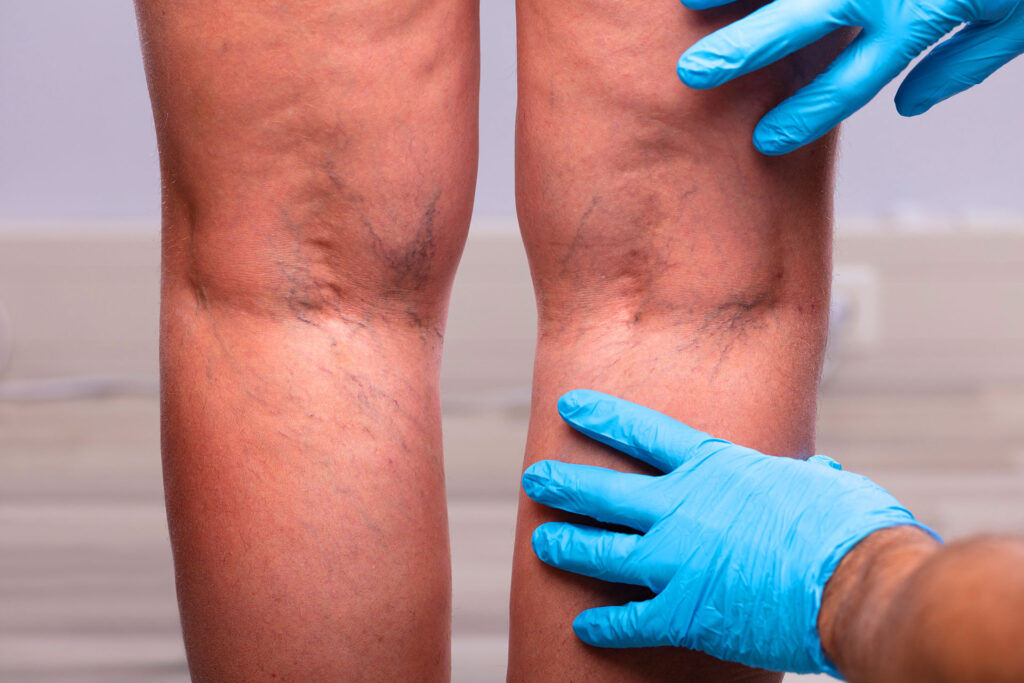
Why Female Teachers Are Hit Hardest by Vein Disease
Standing all day, hormonal factors, and pregnancy create a perfect storm for venous insufficiency in women who teach.
higher risk
vs male teachers
of teachers report
daily leg symptoms
average time on
feet per school day
When it comes to vein disease, not all professions carry the same risk. Female teachers, however, face a combination of risk factors so consistently overlapping that vein specialists frequently see them as one of the highest-risk groups in their practice.
The reasons go beyond simply standing at a whiteboard. Hormonal factors, the physical demands of pregnancy, the pace and nature of classroom work, and years of accumulated venous pressure combine in ways that are specific to women in this profession. Understanding exactly why that is can make the difference between early treatment and a condition that becomes significantly harder to manage.
This article examines the specific reasons female teachers develop vein disease at such high rates, what symptoms to watch for, and what modern treatment options can do to resolve the problem permanently.
The Risk Factors That Stack Against Female Teachers
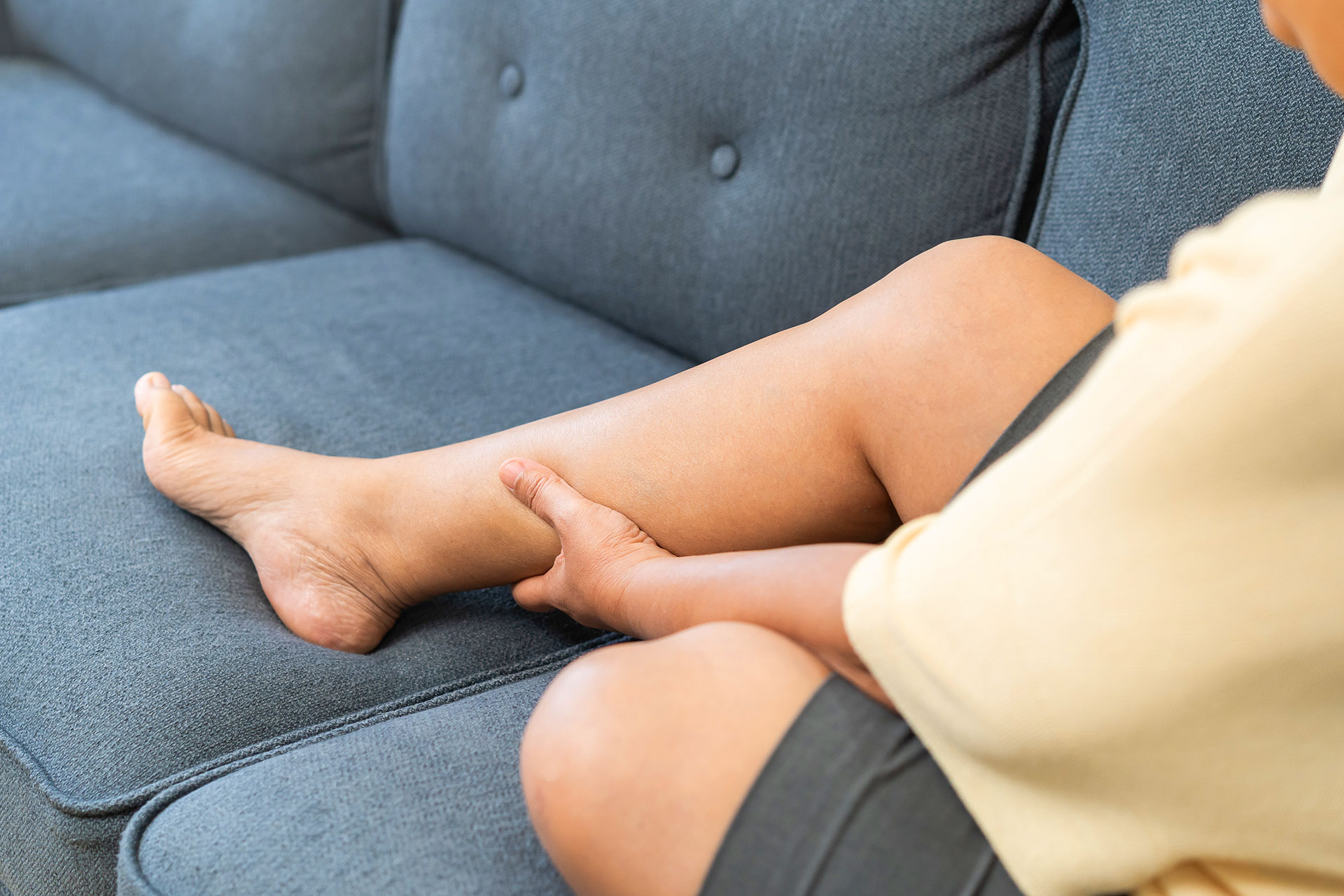
Vein disease develops when the one-way valves inside leg veins fail, allowing blood to pool in the lower legs under sustained pressure. Several factors accelerate that failure. Female teachers face most of them simultaneously, which is precisely why their rates of venous insufficiency are so high.
Why Classroom Work Is Uniquely Demanding on Veins
Not all standing is equal when it comes to venous health. Walking stimulates the calf muscle pump, which actively assists venous return. Static standing, however, provides none of that assistance. Teaching involves a great deal of static standing: presenting at the board, supervising exams, monitoring work, or simply addressing the class.
Additionally, teachers rarely have the opportunity to sit at a stable interval. Their schedule is driven by student needs, not personal comfort. Breaks between classes are brief and often consumed by administrative tasks. Specifically, this lack of regular rest periods means the calf pump gets almost no assistance during the school day, leaving the veins to manage venous return entirely on their own.
“A teacher who has been on her feet for six hours has subjected her leg veins to the equivalent of a sustained endurance challenge, without the circulatory benefit that actual exercise would provide. It is the worst of both worlds for venous health.”
Furthermore, classroom floors are typically hard concrete or tile, which discourages the natural weight shifting and small movements that would otherwise help venous return. Over a full career, this combination of static posture, hard surfaces, and no scheduled rest adds up to an enormous cumulative venous burden.
Symptoms Female Teachers Should Not Dismiss
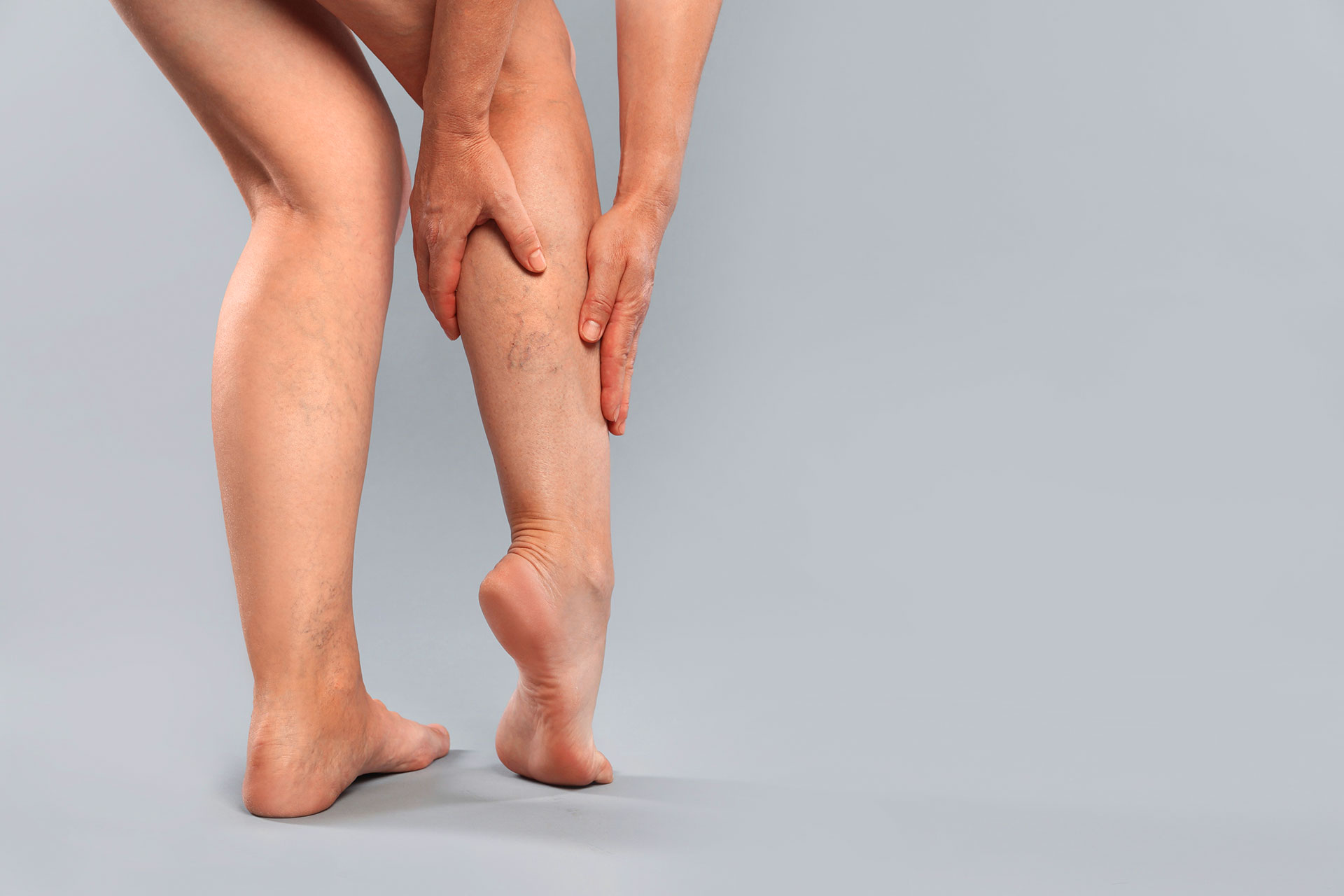
Because vein-related symptoms feel like ordinary tiredness, female teachers frequently normalize them and delay seeking evaluation. However, recognizing the specific pattern of venous symptoms is crucial for catching the condition before it advances.
Many female teachers notice that their symptoms largely disappear over the summer and return within weeks of the new school year. This pattern is a strong diagnostic indicator of occupational venous insufficiency. Temporary relief during school breaks does not mean the condition has resolved. It means the underlying vein disease is still there and will worsen with each returning school year.
What Female Teachers Can Do Right Now
There are practical steps that reduce daily venous strain, as well as definitive treatments that address the underlying problem. The former help with symptoms. The latter resolve the cause.
Daily Habits That Help
Wearing graduated compression stockings (20 to 30 mmHg) during the school day is the single most effective daily habit for reducing venous pressure. Additionally, brief seated breaks between classes, even five minutes with feet elevated, provide meaningful relief. Supportive footwear with cushioning reduces static load, and regular walking outside school hours activates the calf muscle pump that standing alone does not engage.
However, these measures manage symptoms. They do not correct the valve failure causing the problem. Specifically, once venous insufficiency is established, only treatment of the affected veins restores normal venous function and prevents further progression.
Minimally Invasive Vein Treatment
Modern vein procedures are performed in-office, require no general anesthesia, and allow most patients to return to work the next day. A vein specialist will assess which option is most appropriate based on a duplex ultrasound of your leg veins.
Controlled thermal energy delivered through a thin catheter permanently closes the diseased vein. Venous pressure drops immediately and blood reroutes through healthy vessels. With a success rate above 92%, RFA is among the most reliable procedures available. Learn about RFA.
A medical solution injected into the affected vein causes it to scar and seal permanently. Sclerotherapy is particularly effective for smaller varicose veins and spider veins. It is one of the best-studied among all top vein treatments, and multiple veins can be treated in a single session.
A medical adhesive bonds the diseased vein walls together without heat or tumescent anesthesia. Post-procedure discomfort is minimal and no compression stockings are required afterward. VenaSeal is especially suitable for women who want to return to classroom duties as quickly as possible.
A rotating catheter tip combined with a sclerosant closes the vein without thermal energy. It is a suitable choice for veins near sensitive structures. Your vein specialist will recommend the right approach based on your individual ultrasound findings.
When a duplex ultrasound confirms venous insufficiency as the cause of your symptoms, treatment is typically covered by insurance as a medical procedure rather than a cosmetic one. Female teachers with documented symptoms including pain, swelling, and visible vein changes are well positioned for coverage approval. Your specialist will guide you through pre-authorization at your first visit.

Now It Is Time to Take Care of Yourself
A duplex ultrasound takes under an hour and tells you exactly what is happening inside your leg veins. Most teachers who come in are surprised by how simple and fast modern vein treatment actually is.