
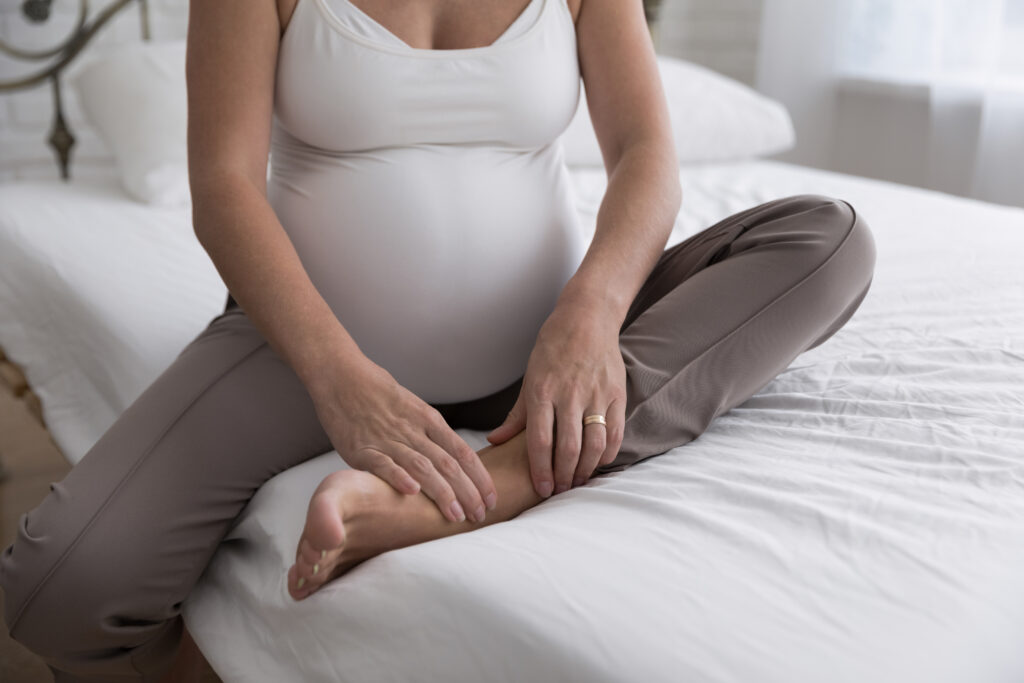
Pregnancy changes the body in ways that most women are prepared for and a few they are not. Varicose veins during pregnancy sit firmly in the second category. They can appear quickly, in unexpected places, and carry a level of discomfort that nobody warned you about at the prenatal appointment.
Understanding why they happen, how to manage them safely, and when to be genuinely concerned gives you a much clearer picture than the standard reassurance that they are just part of pregnancy and will probably go away. Sometimes that is true. Sometimes it is not quite that simple.
What Causes Varicose Veins in Pregnancy
Pregnancy creates a unique combination of physiological changes that place the venous system under significant stress. Understanding what causes varicose veins in pregnancy requires looking at three things happening simultaneously.
Blood volume increases by up to 50 percent during pregnancy. More blood circulating through the same network of vessels means significantly higher pressure on the vein walls, particularly in the legs where blood has to travel the greatest distance upward against gravity.
The hormone progesterone, which rises substantially during pregnancy, causes smooth muscle tissue to relax. That includes the walls of veins, which become more elastic and prone to stretching under pressure. This is the hormonal mechanism that drives much of the venous dilation associated with varicose veins pregnancy.
As the uterus grows, it compresses the inferior vena cava, the large vein on the right side of the body that returns blood from the lower body to the heart. This compression slows venous return and increases back-pressure in the leg veins, creating the conditions in which varicose veins in pregnancy develop and worsen. For a deeper look at this mechanism, the relationship between pregnancy veins is worth understanding in full.
Where They Appear and What They Feel Like
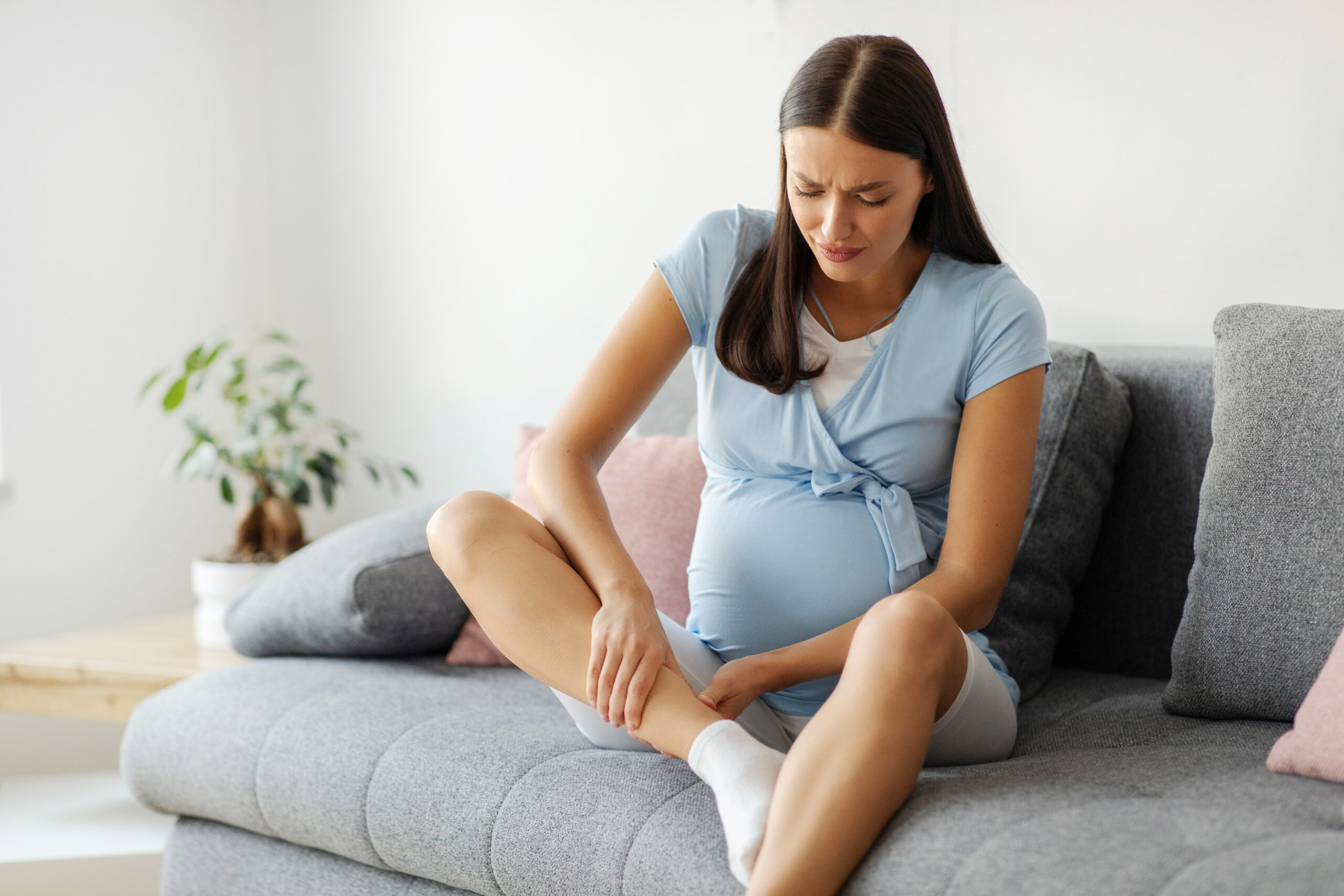
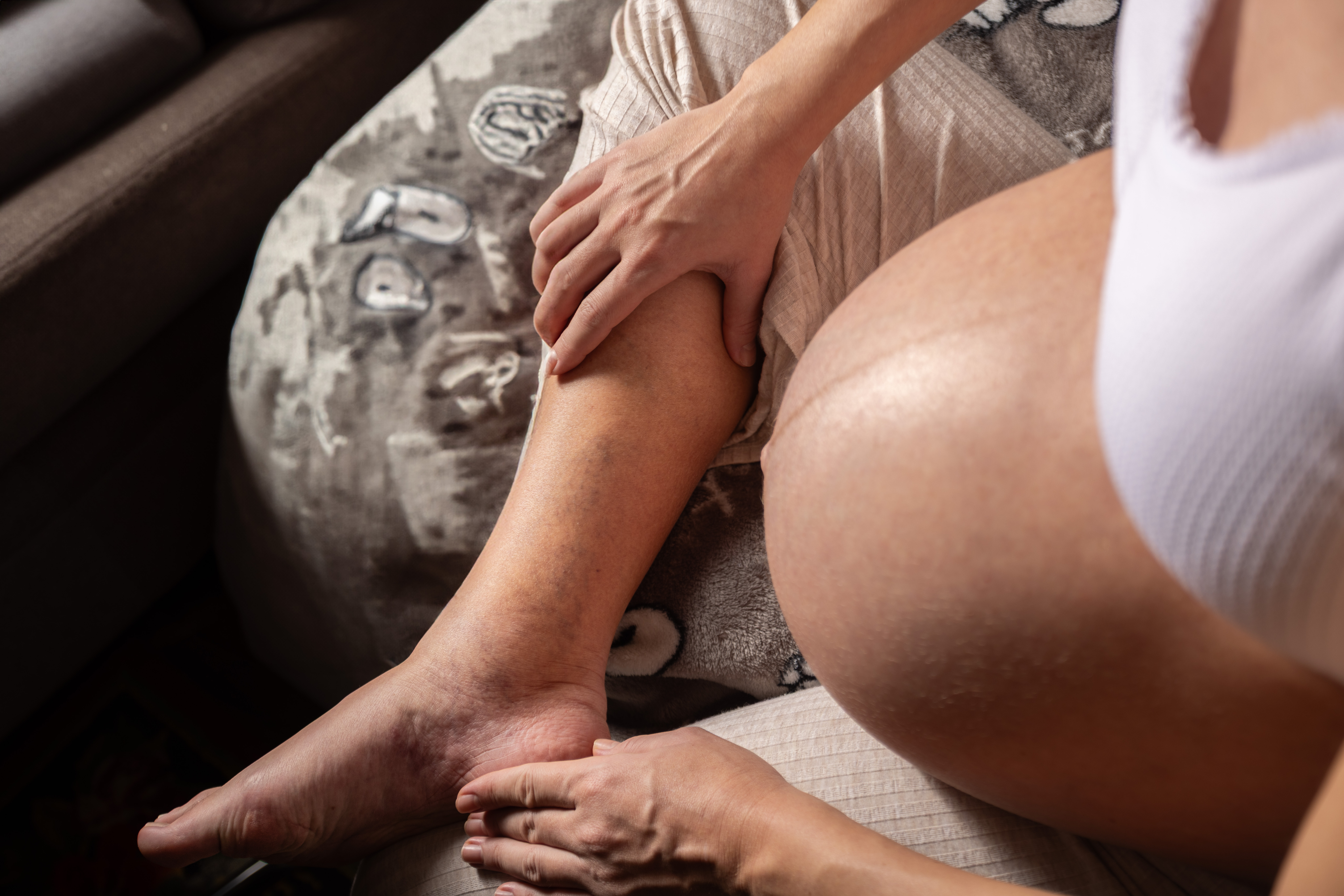
Varicose veins during pregnancy do not always appear where women expect them. The back of the calf and the inner thigh are common locations, but vulvar varicosities, veins that develop around the vaginal area, affect a significant number of pregnant women and are rarely discussed openly.
Symptoms vary widely. Some women notice only the visual appearance of raised, twisted veins. Others experience:
- Aching or throbbing that worsens toward the end of the day
- Itching or a burning sensation along the vein
- Heaviness or fatigue in the legs by midday
- Ankle swelling that is more pronounced on one side
- Nighttime cramps that disrupt sleep
Symptoms almost always worsen across trimesters as the uterus grows and the hormonal environment intensifies. Standing occupations and multiple pregnancies both accelerate the progression considerably.
Varicose Veins in Pregnancy: When to Worry
Most cases of varicose veins in pregnancy are uncomfortable rather than dangerous. But there are specific presentations that warrant prompt medical attention, and it is important to know the difference.
- A vein that becomes suddenly hard, hot, red, or very painful
- Significant swelling in one leg that is clearly different from the other
- Bleeding from a surface vein, even if minor
- Shortness of breath or chest pain alongside leg symptoms
Varicose veins in pregnancy when to worry centers on these signs of possible thrombosis. Pregnant women have an elevated risk of deep vein thrombosis (DVT) due to changes in blood clotting factors, reduced mobility, and increased venous pressure. A sudden, painful change in a vein is never something to wait out during pregnancy.
If persistent leg pain becomes part of your experience during or after pregnancy and is not responding to standard measures, knowing when a pain referral is appropriate can save you weeks of unnecessary uncertainty.
What You Can Safely Do During Pregnancy
Treatment options during pregnancy are deliberately conservative. Invasive procedures are generally deferred until after delivery, which means management focuses on controlling symptoms and slowing progression rather than eliminating the veins themselves.
Graduated compression is the most clinically effective tool available during pregnancy. Put them on before getting out of bed in the morning, before blood has had the chance to pool. Maternity-specific options accommodate a growing abdomen without restricting circulation.
Sleeping on the left side reduces pressure on the inferior vena cava and improves venous return from the lower body. This is one of the simplest and most consistently recommended adjustments for managing varicose veins pregnancy discomfort overnight.
Walking activates the calf muscle pump and drives blood upward through the venous system. Short, regular walks throughout the day are more effective than one long walk. Prolonged standing or sitting without breaks is one of the main drivers of symptom worsening.
Raising the legs above heart level for 15 to 20 minutes several times a day helps drain pooled blood and reduces swelling and aching. It is one of the most immediate sources of relief available without medication.
Avoiding tight clothing around the waist or thighs, staying well hydrated, and reducing sodium intake also contribute meaningfully to symptom management across all trimesters.
Do Varicose Veins Go Away After Pregnancy?
This is the question most women want answered, and the honest answer is: sometimes, partially, and not always.
Do varicose veins go away after pregnancy in the sense that they shrink or become less visible? Often yes, to a degree. As blood volume normalizes and hormonal levels drop in the weeks after delivery, many veins will reduce in size and prominence. Some women find that veins that looked significant during pregnancy are barely noticeable six months postpartum.
But complete disappearance is less common than most women hope. Valves that have been stretched and damaged during pregnancy do not repair themselves. The structural change is permanent, even if the symptoms ease. Each subsequent pregnancy tends to worsen the situation further.
Wait three to six months after delivery before seeking formal vein treatment. This allows time for natural postpartum improvement and ensures that any remaining veins reflect the actual underlying condition rather than temporary pregnancy-related changes. If significant veins remain at that point, a consultation is well-timed. For surface veins that persist, the range of available vein procedures has expanded considerably and is worth exploring.
FAQ: What Causes Varicose Veins in Pregnancy
What causes varicose veins in pregnancy to appear so quickly?
The combination of increased blood volume, progesterone-driven vein wall relaxation, and uterine compression of the vena cava creates rapid changes in venous pressure. Some women develop visible varicose veins within the first trimester, particularly if they have an underlying predisposition.
Are varicose veins during pregnancy hereditary?
Yes, significantly. If your mother or grandmother developed varicose veins during pregnancy, your risk is substantially higher. Genetics determines the baseline strength and elasticity of vein walls and valve tissue. Pregnancy does not cause the predisposition, it reveals it.
Can varicose veins affect labor or delivery?
In most cases, no. Standard varicose veins do not interfere with labor. Vulvar varicosities are a specific consideration that should be discussed with your obstetrician, as their location may influence delivery planning. Your care team should always be aware of any significant vein issues before delivery.
Do varicose veins go away after pregnancy on their own?
Partially, and unpredictably. Many veins reduce in size and visibility in the months after delivery, but complete resolution is uncommon. Veins that remain prominent at six months postpartum are unlikely to disappear further without treatment. Each pregnancy adds to the cumulative damage.
Varicose veins in pregnancy: when to worry vs when to wait?
Wait if veins are visible but not painful, not changing rapidly, and not accompanied by significant swelling in one leg. Worry, and seek evaluation, if a vein becomes suddenly painful, hard, or warm, if one leg swells significantly more than the other, or if you experience any chest symptoms alongside leg changes.
When is the right time to treat varicose veins after giving birth?
Most specialists recommend waiting three to six months postpartum. This allows blood volume and hormones to normalize and gives any pregnancy-related veins a chance to reduce naturally. After that window, a vein assessment provides a clear picture of what remains and what, if anything, needs to be treated.