
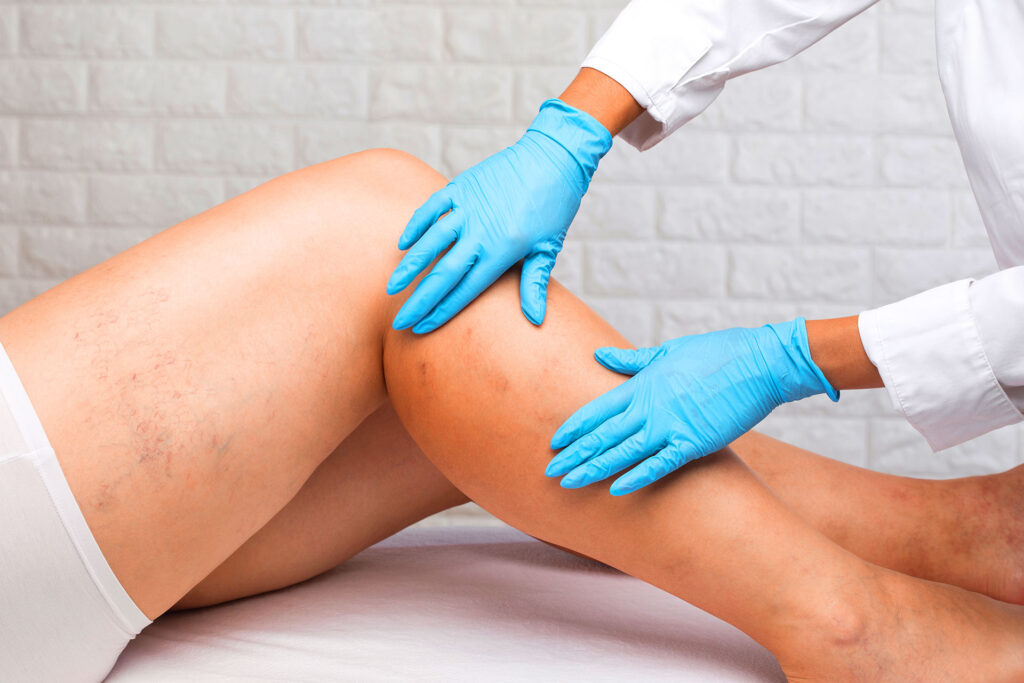
Varicose veins don’t usually force a decision. They wait. At first, they’re visual. Then they start to feel different. Tighter legs. Heavier. Less forgiving by the end of the day. Eventually, you realize this isn’t about appearance anymore. It’s about comfort. Function. Daily life. That’s when the question forms: who do you actually see for this? A phlebologist, a specialist in vein health, is usually the best place to start.
Start beneath the surface
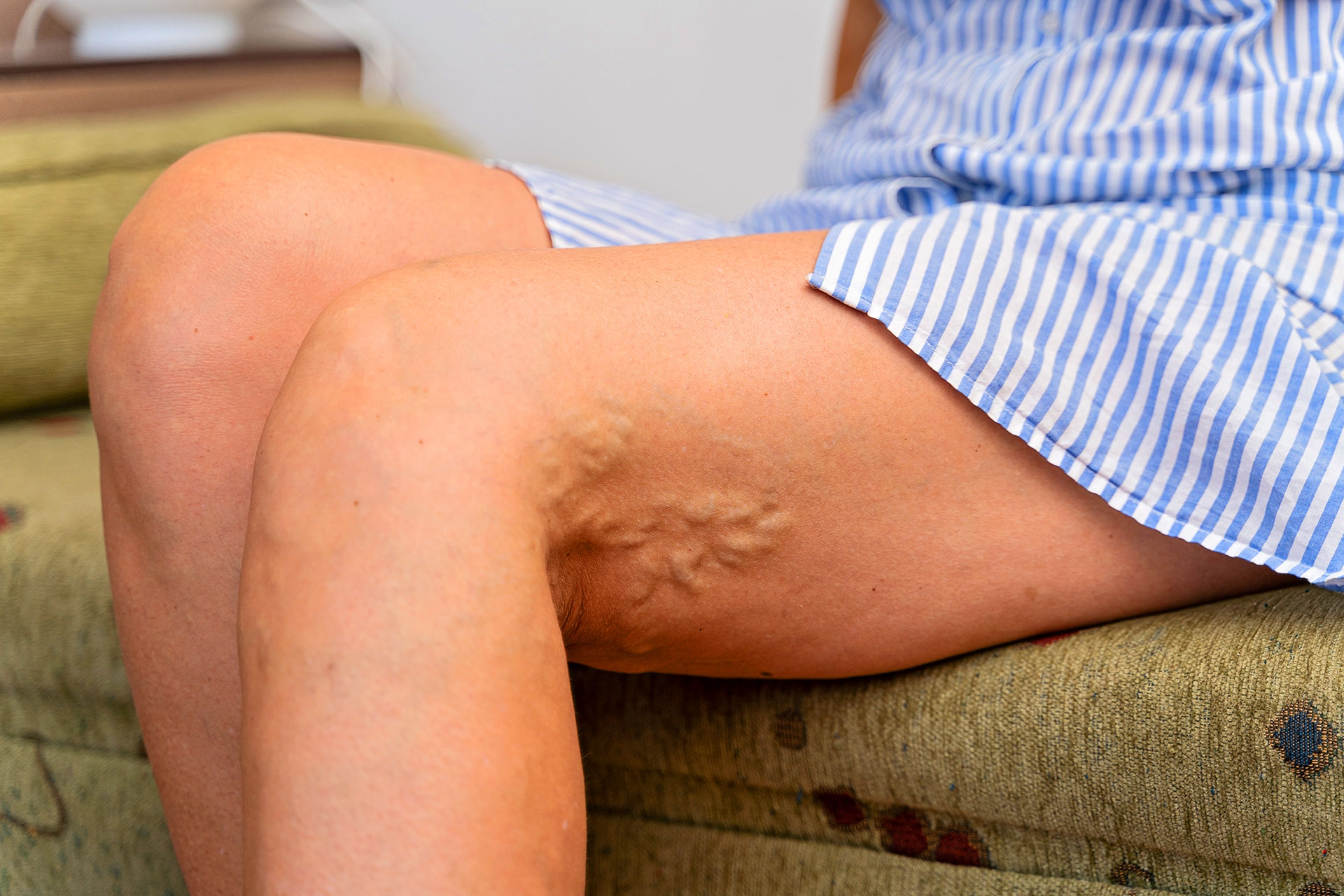
Varicose veins are visible, but they don’t begin on the surface. They begin with flow. Blood in the legs moves upward, against gravity. It relies on small internal valves to keep that movement steady. When those valves weaken, blood slows. Some of it slips backward. Pressure builds in places it shouldn’t.
The vein stretches to adapt. Then it stays that way. Understanding this matters because vein treatment works best when it addresses how veins function, not just how they look. That’s why seeing a Dr of varicose veins early can make a real difference.
Doctors who focus on veins as a system
Some physicians dedicate their work to vein health. Not skin. Not general circulation. Veins. They study how blood moves through the legs. Where it hesitates. Where it pools. And where pressure quietly accumulates. Imaging plays a central role here, especially ultrasound, which allows a vein dr to see flow patterns rather than guess at them.
This type of care is investigative by nature. Measure first. Decide second.
Physicians with added vein expertise
Other doctors arrive at vein care from different paths. Internal medicine. Cardiology. Dermatology. What sets them apart is additional training focused specifically on venous disease.
Experience matters in this space. Veins don’t fail in identical ways. Patterns differ. Causes overlap. The more cases vein doctors have seen, the easier it is to recognize what’s unfolding beneath the surface.
When vascular surgeons are involved?
Vascular surgeons treat blood vessel conditions throughout the body. In vein care, they often handle more advanced cases or situations where symptoms have progressed. Despite the name, treatment doesn’t always mean surgery. Many modern procedures are minimally invasive, precise, and focused on restoring proper flow rather than removing veins outright.
Other roles along the way
Primary care doctors often notice varicose veins early. They help identify symptoms and guide next steps. They’re a starting point, not usually the destination. Dermatologists may treat small surface veins, especially spider veins. Their focus stays close to the skin.
Useful. But limited.
How to choose, without overthinking it
Titles vary. What matters more is the approach. Look for care that includes:
- Evaluation of blood flow
- Diagnostic imaging
- Multiple treatment options
- Attention to symptoms, not just appearance
Which Vein Specialist Is Right for You?
Varicose veins rarely demand urgency. But they do reward attention. The right doctor looks past what’s visible and focuses on what’s driving the change. When care starts there, decisions become clearer. Outcomes tend to last longer.
By working with a skilled specialist, whether through lifestyle guidance, targeted therapies, or minimally invasive procedures, you can address the root causes and prevent recurrence. The result is more than appearance: legs feel lighter, daily life becomes easier, and long-term vein health is supported, giving confidence and comfort every step of the way.
Frequently Asked Questions
Can a primary care doctor treat varicose veins?
They can identify them and suggest next steps, but they’re typically a starting point. For actual treatment, a phlebologist or vein specialist with diagnostic imaging capabilities is the better fit.
Do I need surgery for varicose veins?
Not usually. Most modern procedures are minimally invasive and focused on restoring proper blood flow. Surgery is reserved for more advanced cases.
How do I know if my varicose veins need medical attention?
If your legs feel heavy, tight, or uncomfortable by end of day, that’s a sign the issue has moved beyond cosmetic. A specialist can use ultrasound to assess what’s happening with flow and pressure beneath the surface.
Catch vein issues early, schedule your consultation today.