
Bulging veins and varicose veins look awful. That’s not even the scary part, though. What really matters is when these twisted vessels start throwing up warning signs that your circulation’s tanking and you’re headed toward complications nobody wants to deal with. Some symptoms demand action.
Why Do My Legs Feel So Heavy in the Afternoon?
Three o’clock rolls around, and your calves feel stuffed. Not tired. Not sore from exercise. Just this profound heaviness that makes you fantasize about elevating your feet on literally any surface available, your desk, a chair, a stack of boxes, doesn’t matter. Blood’s stuck where it shouldn’t be because the valves inside your veins gave up their one job, which is pushing fluid back north toward your heart instead of letting it puddle in your lower legs like a backed-up drain. This is a common symptom of varicose vein diseases. Standing makes it worse. Sitting for hours makes it worse, too. Movement helps temporarily, but the relief never lasts more than a few minutes before that leaden sensation creeps back in and settles deeper into your muscles.
Mornings feel fine, usually. Afternoons turn into endurance tests.
Why Do My Ankles Swell at Night?
Okay, so everyone’s ankles swell up occasionally after a long day. Normal body stuff.
But when your lower legs inflate like balloons most evenings and stay bloated even after you’ve spent serious time with your feet propped up higher than your heart, you might be asking what causes varicose veins. Often, broken valves let fluid seep out into surrounding tissue, and it just sits there accumulating instead of circulating properly through your body the way it’s supposed to.
Look for these patterns:
- Swelling starts at the ankles, climbs toward the knees
- Intensifies as daylight fades
- Sometimes one leg balloons more than the other for no apparent reason
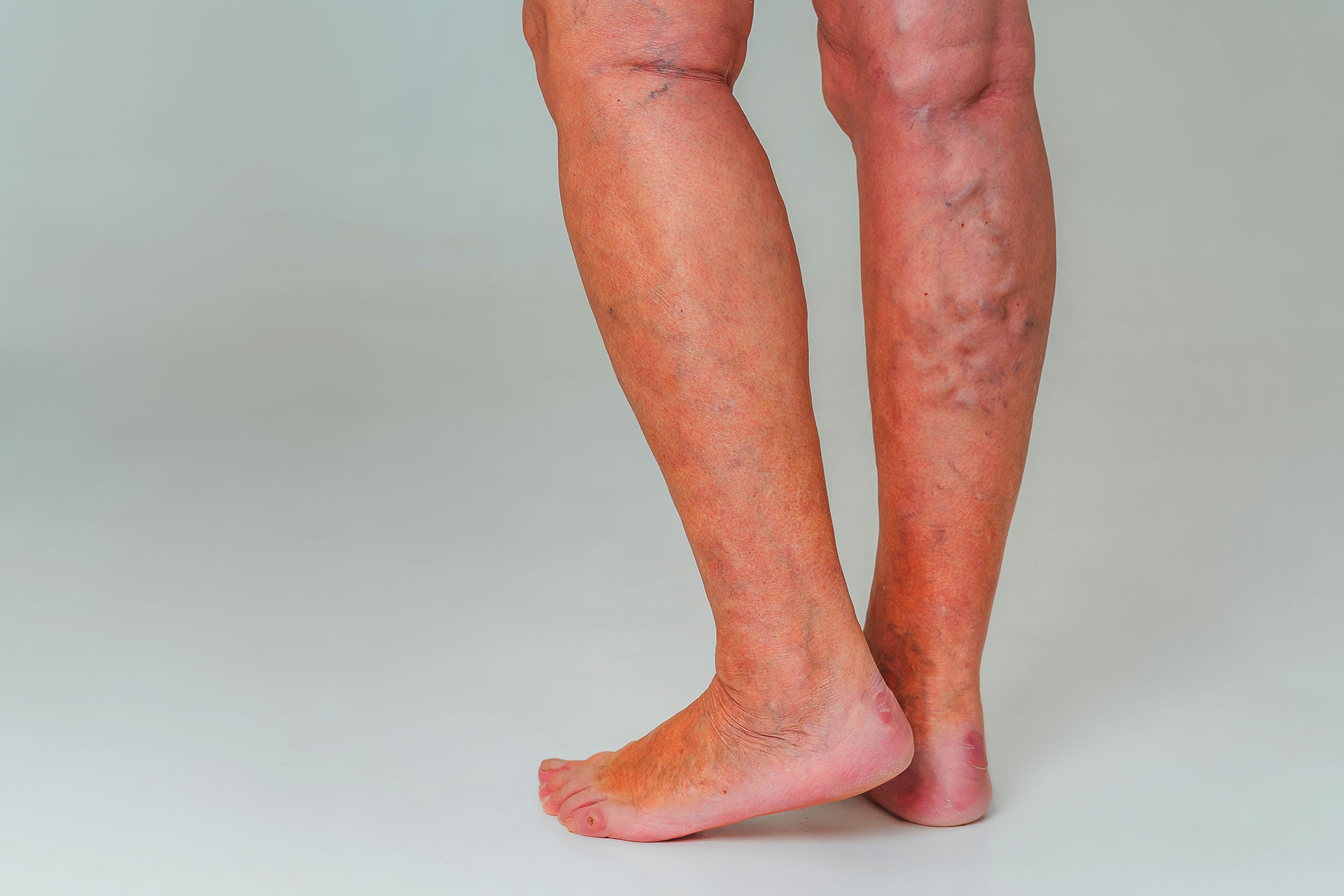
Push your thumb into the puffy area hard. Watch what happens. If your skin stays dented like memory foam for thirty seconds or more, you’ve got edema happening. That’s not supposed to be your baseline reality. Chronic swelling gradually destroys skin integrity and highlights why learning how to prevent varicose veins early is so important. It makes the eventual treatment way more complicated.
Why Is My Leg Skin Changing?
Your skin transforms near the problem veins. Dark splotches appear, brownish or rust-colored patches that spread slowly across your ankle or up your calf. The texture changes too, thinning out until it looks almost translucent, shiny like cellophane stretched too tight over muscle. Sometimes, crusty, itchy areas develop that no amount of lotion or scratching seems to fix.
This happens because circulation fails. Your skin suffocates slowly from lack of oxygen. Nutrients can’t reach it properly either, so the tissue weakens and becomes fragile.
Watch for:
- Hardening around the ankle region
- Discoloration spreading upward from your foot
- Spots that feel hot to touch
This is the pathway to venous ulcers, ugly open sores that resist healing and invite infection. Timely varicose veins treatment addresses the underlying circulation issues, preventing these complications and supporting lasting vein health.
Why Do My Legs Burn or Cramp?
Varicose veins hurt in unexpected ways sometimes. Not just dull achiness, actual searing heat that shoots through your calf or traces the vein’s route up your leg like someone dragging a lit match under your skin. It flares randomly or intensifies with activity, and it’s basically your nervous system throwing a tantrum about inflammation and pressure accumulating in vessels that stopped functioning properly.
Night leg cramps tag along with this. You’ll wake up at 2 AM with your calf locked up tighter than a fist, and it takes forever rubbing and stretching before the muscle finally releases its death grip. These sensations signal progression beyond surface concerns.
Legs That Won’t Settle Down
You cannot get comfortable no matter what position you try. Your legs feel twitchy, restless, almost like bugs are crawling under your skin, even though nothing’s there. This overwhelming compulsion to move them kicks in especially during evening hours when you’re trying to unwind, and staying still becomes actual torture despite being exhausted down to your bones.
Restless leg syndrome links to venous insufficiency way more frequently than most people know about. Compromised blood flow irritates nerve endings, triggering that maddening urge to constantly shift, fidget, and reposition yourself. It demolishes sleep quality. Thanks for your energy reserves. Makes ordinary days feel like marathons.
How to Get Rid of Varicose Veins
Here’s what happens when you postpone dealing with varicose veins and other symptoms. They multiply. They intensify. That occasional heaviness becomes persistent discomfort, becomes chronic pain, becomes skin breakdown, becomes open wounds that laugh at your attempts to heal them. Early intervention and the right vein treatments halt this cascade before momentum builds. Don’t play the “I’ll wait until it’s really bad” game. That’s just volunteering for worse outcomes, longer recovery times, and more invasive procedures than you’d face if you addressed issues now while they’re still manageable. Your circulatory system’s broadcasting distress signals. Tune in before the situation deteriorates further.
Frequently Asked Questions
Why do my legs feel heavy in the afternoon but fine in the morning?
Because gravity works against you all day. As hours pass, blood accumulates in the lower legs due to weakened vein valves. Mornings feel normal because you’ve been horizontal, by afternoon, the pooling catches up.
Can restless legs at night be related to varicose veins?
Yes, more often than people realize. Compromised blood flow irritates nerve endings, triggering that restless, crawling sensation. Treating the underlying venous insufficiency often brings significant relief.
At what point do varicose vein symptoms become an emergency?
When symptoms include spontaneous bleeding, sudden severe swelling in one leg, or skin that’s breaking down into open sores, those warrant immediate attention. These are signs the condition has progressed well beyond cosmetic concern.
Don’t ignore the signs, consult a vein specialist now.