
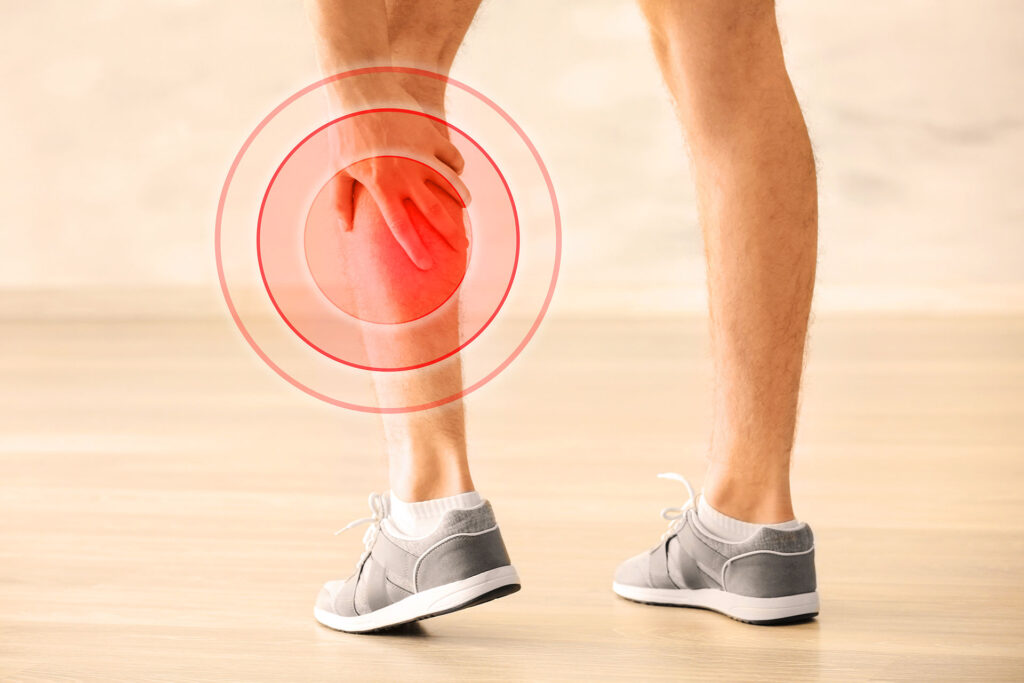
Almost everyone has experienced the sudden grip of a leg muscles cramp at some point. These involuntary contractions commonly stem from exercise, dehydration, or premenstrual syndrome. But nighttime leg cramps are particularly bothersome. Sometimes called rest cramps, this condition affects millions of people. Research shows that up to 37 percent of the population experiences nocturnal leg cramps.
Knowing what causes leg cramps can make it easier to prevent them. Various factors, such as dehydration, nerve issues, or circulation problems, can trigger these painful episodes. Whether you’re dealing with occasional sleep disruptions or frequent cramps, there are ways to manage and reduce their impact.
What Exactly Is a Leg Muscles Cramp?
A leg cramp is simply an involuntary contraction of one or more muscles in your leg. The muscle tightens on its own without your control.
Nocturnal leg cramps are unique though. As the muscle contracts, you’ll experience pain or perhaps some itching or burning sensation. While cramps can happen anywhere in your leg, they’re most commonly felt in the calves.
Cramps can strike at any time during the day. So what makes these nighttime cramps special, and what are the most effective muscle cramps treatment options to relieve them?

What Causes Nighttime Leg Cramps?
Quite a few different factors and conditions can lead to cramps in the leg muscles at night:
Dehydration: When you don’t drink enough water or get adequate electrolytes, leg cramps become more likely.
Low Activity Levels: Paradoxically, leg cramps can also occur when you’re inactive or stay in one position for too long. This is why they often happen when you’re trying to fall asleep.
Certain Medical Conditions: Diabetes, neurological disorders, kidney disease, and venous insufficiency can all contribute to nocturnal leg cramps.
Muscle Fatigue: You might experience cramps after strenuous exercise or overusing your leg muscles during the day.
Pregnancy: The dramatic changes happening in your body during pregnancy might include nocturnal leg cramps, especially during later stages.
Age: Older patients, particularly seniors, are significantly more likely to experience leg cramps.
Medications: These cramps can be a side effect of certain prescriptions. Diuretics, statins, and some asthma medications can increase your risk.
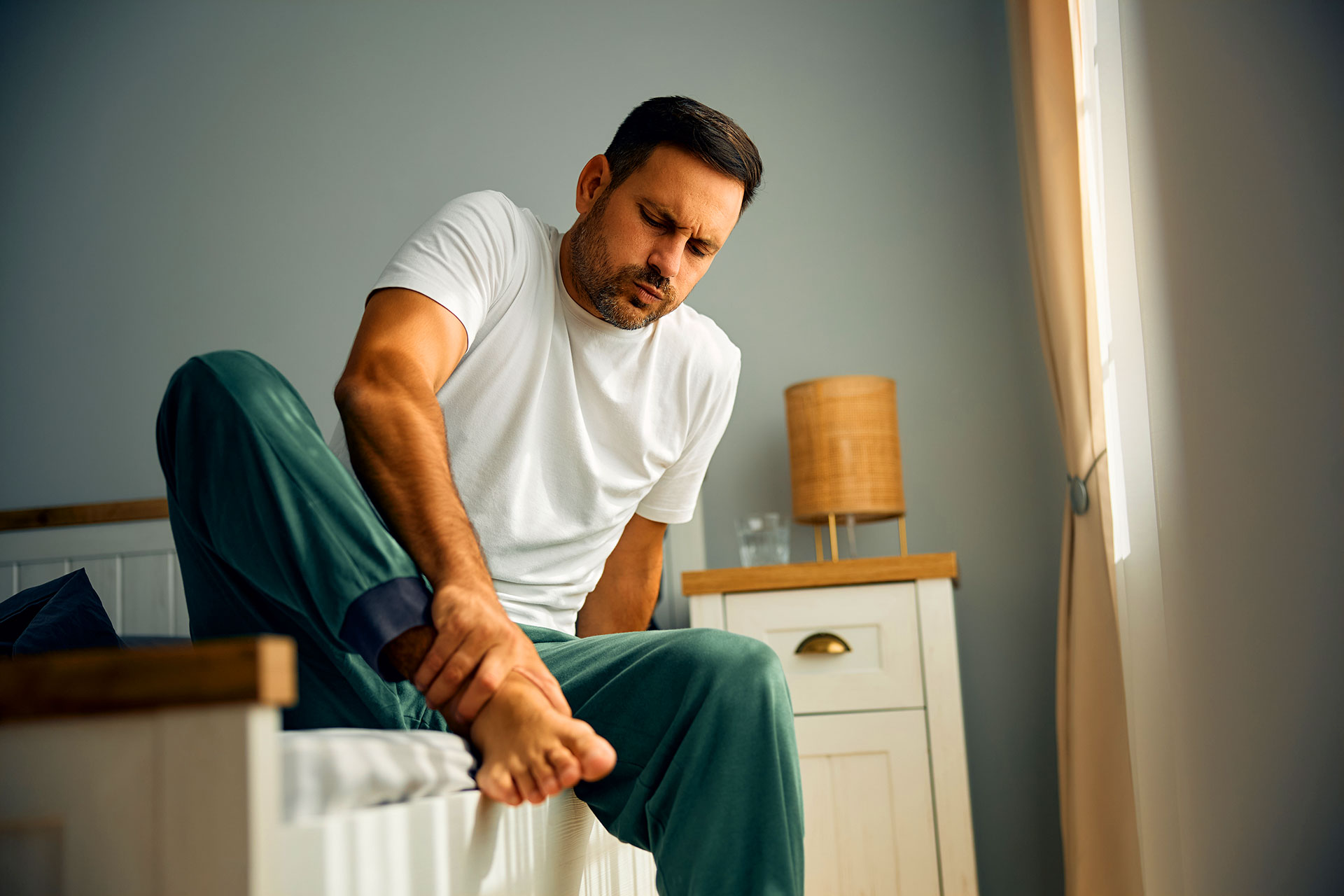
What Happens When You Have Leg Cramps
Most of us have experienced cramps before. Often they’re painful, uncomfortable moments that pass quickly. However, when leg cramps strike at night, they can lead to further complications, making effective muscle cramp therapy an important consideration for relief and prevention.
Muscle Soreness
After a cramping episode, your muscles can remain sore for an extended period. This reduces mobility and can interfere with daily activities like walking.
Sleep Disruption
Leg cramps can cause sleep disruption, waking you up several times throughout the night and significantly reducing your sleep quality.
Falling
Sudden cramps might cause you to lose balance and fall out of bed if you try to stand. This can result in bruising, sprains, and fractures. Seniors face particular risk here.
Anxiety
When regular leg cramps keep you awake, going to bed itself may start to seem stressful. You could have trouble relaxing and falling asleep.
The connection between sleep disruption and anxiety deserves special attention. Sleep disruption is a significant side effect that creates a cascade of problems. Getting through your workday while battling fatigue decreases productivity substantially. Completing tasks becomes more challenging.
This leads to increased stress as work piles up and focus deteriorates. Over time, this pattern can negatively affect your mental health. While leg cramps might seem like nothing more than discomfort, they could actually indicate a potential decline in your quality of life.
How to Prevent Leg Cramps
Certain treatments and lifestyle changes can help prevent leg cramps at night. Here’s how to reduce them without medical intervention:
Stay Hydrated: Drinking enough water is essential for your body to function properly. It can also significantly reduce the risk of leg cramps. Make sure to include electrolytes too, which we’ll discuss more below.
Exercise Regularly: Regular physical activity and stretching exercises for leg cramps help keep your muscles flexible and healthy. However, avoid overdoing it, or you might actually make the problem worse.
Eat a Balanced Diet: Adding enough potassium, calcium, and magnesium to your diet can reduce muscle cramp risk considerably.
Improve Your Sleep Setup: Make your bedroom a comfortable sanctuary. Choose a supportive mattress and quality pillows, and avoid sleeping in cramped conditions.
Review Your Medications: Medications like diuretics, statins, and certain asthma prescriptions may increase your risk. If you take these and suffer from debilitating leg cramps, talk to your doctor about possible alternatives.
If leg cramps are regularly disrupting your sleep cycles, it might be time to discuss treatment options with a healthcare provider.

How to Treat Leg Cramps
If leg cramps are causing significant stress and anxiety, it’s time to talk to your doctor. Several options for cramp therapy may help reduce your cramping episodes:
Medications
If you suspect your current medications might be causing leg cramps, let your doctor know. They can review your prescriptions and may recommend alternatives that don’t have this side effect.
Addressing Medical Conditions
Leg cramps can result from certain underlying conditions, particularly venous insufficiency. Decreased circulation, inflammation, and nerve compression can all trigger cramping.
Your doctor can recommend specific treatments for venous insufficiency, like radiofrequency ablation, to tackle the root problem. This can reduce the condition’s side effects, including leg cramps. Other conditions linked to increased cramping include diabetes and neurological disorders.
Compression Therapy
Doctors may recommend compression therapy for patients dealing with venous insufficiency or poor circulation. While research is still assessing their full effectiveness, compression socks can improve symptoms of venous insufficiency, which may lead to reduced leg cramping.
Supplements
As mentioned earlier, electrolytes are essential for muscle function. A medical professional can perform blood tests to identify deficiencies in potassium or magnesium. They may recommend magnesium supplements for leg cramps, but it’s important to discuss any supplementation with a healthcare specialist before starting.
Stress Reduction
Well, it’s not only about physical stress. Mental stress can actually make leg cramps worse. When you have trouble falling asleep due to cramps, this creates even more stress. The new stress makes falling asleep harder still, forming a vicious cycle.
Your doctor may recommend seeing a cognitive behavioral therapist to help manage anxiety. They can teach relaxation exercises or meditation techniques that break this cycle.
Conclusion
Leg cramps at night can feel very different from person to person. Each experience is unique. For one person, it might mean an annoying twinge of pain in the leg muscles before falling asleep. For another, it might be truly debilitating, reducing both sleep and productivity levels dramatically. No matter how severe your symptoms are, you’re now equipped with knowledge about both at-home and medical treatment options that can improve your quality of life.
If you suffer from leg cramps and find them disrupting everyday activities, help is available. If you suspect that your leg cramps stem from vein disease, consider contacting a vein specialist.
Your legs deserve care, schedule a visit today